Plastic Self Adhesive Tape for Automotive Frames
CN → US| HS Code | Tariff Rate | Origin | Destination | Doc |
|---|---|---|---|---|
| 3919102010 | 40.8% | CN | US | Official Doc |
| 3919102020 | 40.8% | CN | US | Official Doc |
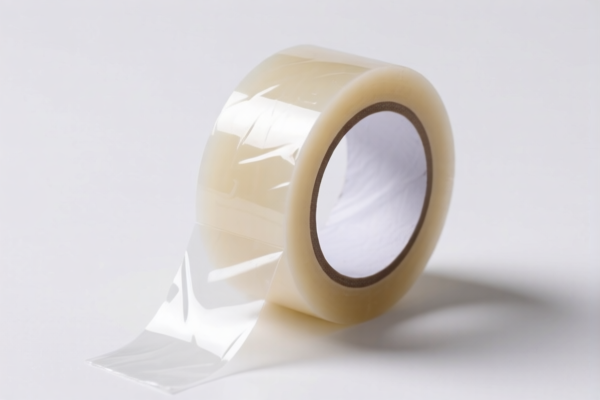
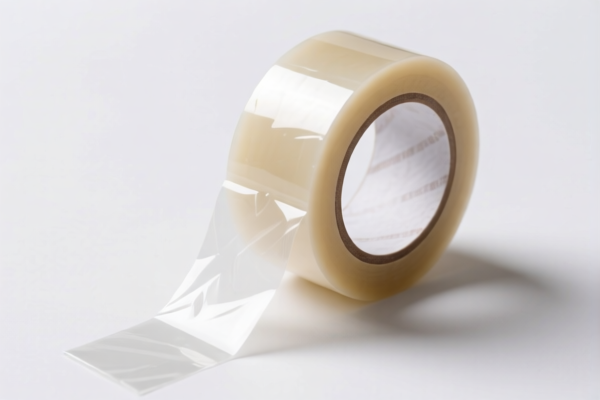
Product Images


AI Analysis
🚗 Plastic Self-Adhesive Tape for Automotive Frames
🌐 HS Code Reference & Customs Clearance Guide | 2026 Latest Tariff Analysis | Professional通关 Strategy
📌 Part 1: Product Definition & Classification: What Exactly Is This Tape?
Plastic self-adhesive tape for automotive frames is a critical component in vehicle manufacturing, used for sealing, bonding, soundproofing, and protecting frame structures. In international trade, it falls under Chapter 39 (Plastics and Articles Thereof), specifically Heading 3919 (Self-adhesive plates, sheets, film, foil, tape, strip and other flat shapes, of plastics).
The classification depends heavily on two factors: 1. Width: Is it in rolls of ≤ 20 cm or > 20 cm? 2. Composition/Use: Is it a standard general-purpose tape, or is it filament-reinforced or designed for electrical purposes?
⚠️ Key Distinction Point:
- If it is a general-purpose plastic tape in rolls ≤ 20 cm, it is classified as "Other."
- If it contains filaments (for high tensile strength, common in structural/frame bonding), it is classified as "Filament reinforced tape."
- If it is specifically for electrical insulation (not applicable to most frame tapes), it is classified as "Electrical tape."
📦 Part 2: HS Code Classification Details (Based on Provided Data)
Based on the provided <DATA>, there are two specific HS codes for rolls of width not exceeding 20 cm. Most automotive frame tapes come in rolls ≤ 20 cm (typically 10mm, 15mm, or 20mm widths).
| HS Code | Product Description | Application Scenario | Tax Rate (China to US) |
|---|---|---|---|
3919.10.20.10 |
Filament reinforced tape (Self-adhesive, plastics, rolls ≤ 20 cm) | High-strength frame bonding, structural reinforcement, heavy-duty sealing | 30.8% (5.8% Basic + 25% Additional) |
3919.10.20.20 |
Electrical tape (Self-adhesive, plastics, rolls ≤ 20 cm) | Wire insulation, electrical component wrapping (Less common for structural frames) | 0.0% (0% Basic + 0% Additional) |
🔍 Critical Analysis for Automotive Frames:
- Automotive frame tapes are typically structural or structural-sealing tapes. They are often reinforced with fibers (glass, polyester, or steel filaments) to withstand vibration and stress.
- Therefore, they most likely fall under3919.10.20.10(Filament reinforced tape) or the general "Other" category under the same subheading if not explicitly filament-reinforced but still within the ≤ 20 cm width limit.
- Warning: Do NOT classify as3919.10.20.20(Electrical tape) unless the tape is explicitly designed and marketed for electrical insulation. Misclassification here can lead to customs penalties, as electrical tape has a 0% tariff while structural/frame tape incurs high duties.
💰 Part 3: 2026 Latest Tariff Rate Breakdown (Including Additional Duties)
✅ Applicable Country: United States (US)
✅ Origin: China (CN)
✅ Effective Time: Current (Post-2024/2025 Trade Actions)
🎯 1. 3919.10.20.10 —— Filament Reinforced Tape (Most Likely for Automotive Frames)
| Item | Content |
|---|---|
| Basic Tariff | 5.8% (Ad valorem) |
| Section 301 Additional Tariff | +25.0% (Specific to certain Chinese plastic goods, including HS 3919) |
| Total Tax Rate | 30.8% |
| Tax Calculation | CIF Value × 30.8% |
| De Minimis Exemption | ❌ Not Applicable for Section 301 goods |
| Legal Basis Path | USITC:3919.10.20.10 → Section 301 Footnote: 9903.88.01 (or similar applicable footnote for plastics) |
📌 Explanation:
- The 5.8% basic tariff is the standard Most Favored Nation (MFN) rate for self-adhesive plastic tapes.
- The 25% additional tariff is imposed under Section 301 of the Trade Act of 1974 on goods from China. This applies to many plastic articles, including tape.
- Total 30.8% is a significant cost factor. Importers must budget for this.
🎯 2. 3919.10.20.20 —— Electrical Tape
| Item | Content |
|---|---|
| Basic Tariff | 0.0% |
| Section 301 Additional Tariff | 0.0% (Exempt from current Section 301 list) |
| Total Tax Rate | 0.0% |
| Tax Calculation | None |
| De Minimis Exemption | N/A (Already 0%) |
| Legal Basis Path | USITC:3919.10.20.20 |
📌 Note:
- This rate is only if the product is strictly classified as "Electrical Tape."
- Do not force this classification for automotive frame tape unless it is exclusively for electrical use. Customs may audit and reclassify it to3919.10.20.10or3919.10.20.90(if applicable) with penalties.
🛠️ Part 4: Customs Clearance Practical Advice (Avoiding Pitfalls)
✅ 1. Required Documentation Checklist
| Document | Required | Purpose |
|---|---|---|
| ✅ Product Specifications Sheet | ✔️ | Detail composition: Base film, adhesive type, presence of filaments/reinforcement. |
| ✅ Material Safety Data Sheet (MSDS) | ✔️ | For chemical adhesive safety. |
| ✅ Product Photos | ✔️ | Show cross-section (to prove reinforcement), labels, and roll width. |
| ✅ Commercial Invoice | ✔️ | Clearly state: "Plastic Self-Adhesive Tape, Filament Reinforced, for Automotive Frame Use." |
| ✅ Bill of Lading / Packing List | ✔️ | Standard shipping docs. |
| ✅ Origin Certificate | ✔️ | Confirm China origin to apply correct Section 301 rates. |
✅ 2. Classification Strategy & Tips
🔥 "Don't Call It Electrical If It's Not!"
| Scenario | Recommended HS Code | Reason |
|---|---|---|
| Reinforced Frame Tape (High strength, often with glass/polyester fibers) | 3919.10.20.10 |
Fits "Filament reinforced tape." Accurate description. |
| Standard Non-Reinforced Frame Tape (≤ 20 cm) | 3919.10.20.10 or 3919.10.20.90 |
If not filament-reinforced, check if "Other" subheading applies. Likely still subject to 301 duties under general plastic tape categories. |
| Electrical Insulation Tape (Used in car wiring) | 3919.10.20.20 |
Only if primarily for electrical insulation. |
| Tape Width > 20 cm | Not in Provided Data | Would fall under 3919.90 subheadings, which have different rates. Ensure roll width is measured correctly. |
📌 Customs Warning:
- The term "Automotive Frame Tape" is a usage description, not a technical classification. Customs relies on composition and physical characteristics.
- If the tape is reinforced, always use3919.10.20.10.
- If the tape is not reinforced but used in automotive frames, it may fall under "Other" in the same subheading. Verify if "Other" sub-headings for ≤ 20 cm tapes are subject to Section 301. (In many cases, general plastic tapes are included).
✅ 3. Cost-Saving Strategies
- Supply Chain Diversification:
- Consider sourcing from countries not subject to Section 301 (e.g., Vietnam, Thailand) if available. Tariffs could drop from 30.8% to 5.8% or lower.
- Pre-Category Ruling:
- Apply for an Advance Ruling from US Customs and Border Protection (CBP) to confirm the correct HS code and duty rate for your specific tape formulation. This prevents future audits and penalties.
- Accurate Description:
- Use precise technical terms: "Polyethylene Self-Adhesive Tape, Glass-Filament Reinforced, Width 20mm." Avoid vague terms like "Auto Tape."
🌍 Part 5: Global Market Comparison (2026)
| Country/Region | Recommended HS Code | Tariff (China Origin) | Notes |
|---|---|---|---|
| 🇺🇸 USA | 3919.10.20.10 |
30.8% (5.8% + 25%) | High duties due to Section 301. |
| 🇨🇳 China | 3919.10.20.10 |
~5-7% (Import Duty) | Domestic consumption or export hub. |
| 🇪🇺 EU | 3919.10 |
~6.5% (Standard) | No Section 301 equivalent, but anti-dumping may apply in some cases. |
| 🇯🇵 Japan | 3919.10 |
~5-6% | Check for specific automotive accessory rules. |
| 🇻🇳 Vietnam | 3919.10 |
0% (Under GSP or ASEAN-China FTA if applicable) | Strategic alternative for US-bound goods if manufactured locally. |
📌 Conclusion:
- The USA imposes the highest burden (30.8%) on Chinese-made automotive frame tapes.
- EU, Japan, and domestic China have significantly lower rates.
- Vietnam/Thailand offer potential duty-free or low-duty alternatives for US exports.
📌 Part 6: Common Mistakes & Pitfalls (Lessons Learned)
❌ Mistake 1: Classifying reinforced structural tape as "Electrical Tape" (3919.10.20.20) to avoid tariffs.
👉 Consequence: Customs will reclassify upon inspection, charging 30.8% + penalties + back taxes.
❌ Mistake 2: Ignoring the "Width" specification.
👉 Consequence: If rolls are > 20 cm, the HS code changes entirely (to 3919.90 series), potentially altering duty rates and requiring new classification.
❌ Mistake 3: Using vague descriptions like "Plastic Tape" on invoices.
👉 Consequence: Delays, requests for additional information, and potential misclassification.
✅ Correct Approach:
"Plastic Self-Adhesive Tape, Filament Reinforced, Width: 20mm, Base Material: PE, Adhesive: Acrylic, For Automotive Frame Bonding, Model: XYZ, Origin: China."
🎯 Part 7: Conclusion: Precise Classification Saves Money!
🎯 Key Takeaway:
🔹 Automotive Frame Tape = Likely
3919.10.20.10
🔹 Tariff = 30.8% (5.8% Base + 25% Section 301)
🔹 Do NOT misclassify as Electrical Tape
🔹 Consider Sourcing from Non-China Origins to Avoid 25% Surcharge
📌 Pro Tip:
If your tape is not filament-reinforced but still used in automotive frames, it may fall under a different "Other" subheading. Confirm with a customs broker whether general "Other" tapes under 3919.10 are also subject to the 25% Section 301 duty. In many cases, they are.
📣 Immediate Action:
📞 Engage a licensed customs broker.
📄 Provide detailed product specs (especially reinforcement details).
🚀 Calculate landed cost accurately including 30.8% duty for US shipments.
✨ Accurate Classification, Smooth Clearance, Profit Protection!
💼 Every percentage point matters in global trade.
Customer Reviews
About HS Code Classification
The Harmonized System (HS) is an internationally standardized nomenclature developed by the World Customs Organization (WCO) to classify traded products. Over 200 countries use the HS system as the basis for customs tariffs, trade statistics, and import/export regulations.
Each HS code follows a hierarchical structure:
- Chapter (2 digits) — Broad category of goods (e.g., Chapter 84: Machinery and Mechanical Appliances)
- Heading (4 digits) — More specific grouping within the chapter
- Subheading (6 digits) — Internationally standardized breakdown, used by all WCO member countries
- National subdivisions (8-10 digits) — Country-specific extensions for further classification, such as US HTSUS 10-digit codes
Correct HS code classification is essential for smooth customs clearance, accurate duty payment, and compliance with trade regulations. Misclassification can lead to customs delays, overpayment of duties, or penalties.
When importing from CN to US, the applicable tariff rates may include:
- Most-Favored-Nation (MFN) rate — The standard duty rate applied to WTO members
- General rate — Applied to countries without trade agreements
- Trade remedy duties — Additional tariffs such as Section 301 (anti-dumping), Section 232 (national security), or countervailing duties
The information provided on this page is for reference purposes only. For official classification, please consult with your local customs authority or a licensed customs broker.