Plastic Self Adhesive Tape for Automotive Panels
CN → US| HS Code | Tariff Rate | Origin | Destination | Doc |
|---|---|---|---|---|
| 3926305000 | 22.8% | CN | US | Official Doc |
| 3926909989 | 22.8% | CN | US | Official Doc |
| 3919102055 | 40.8% | CN | US | Official Doc |
| 5604909000 | 40.0% | CN | US | Official Doc |
| 3919905060 | 40.8% | CN | US | Official Doc |
Product Images
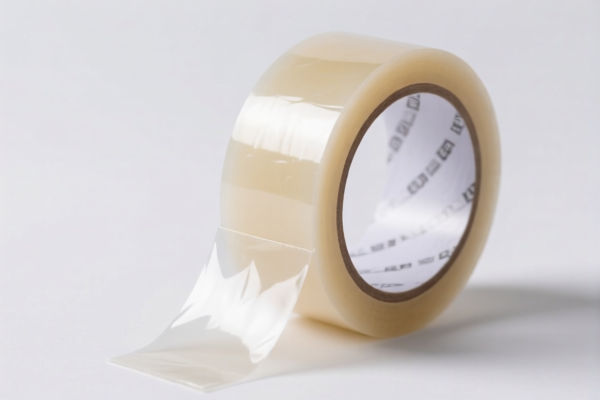
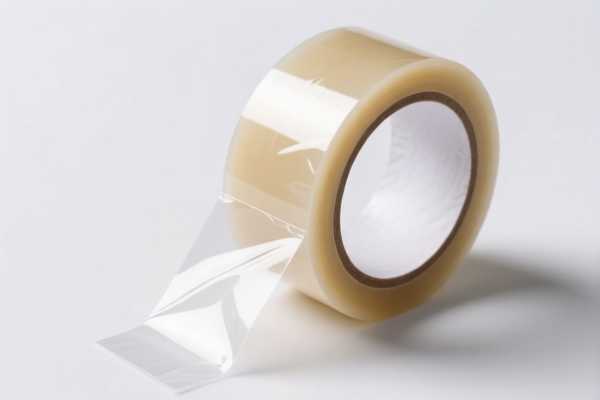
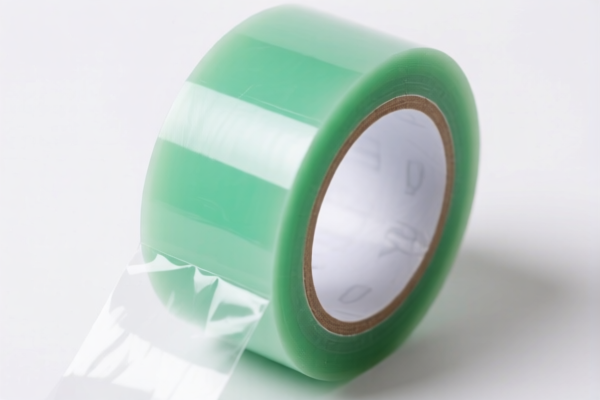
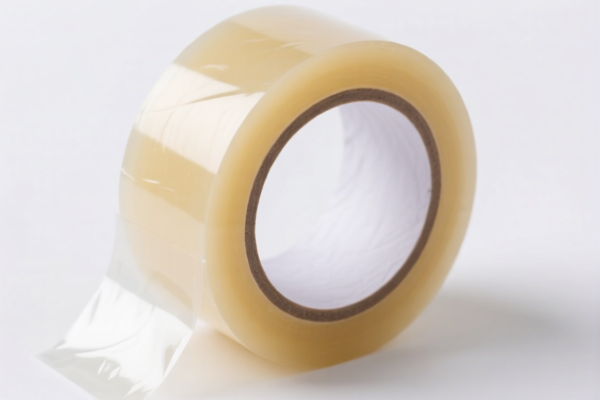
AI Analysis
🚗 Plastic Self Adhesive Tape for Automotive Panels (Automotive Exterior Trim)
🌐 HS Code Reference & Customs Clearance Guide | 2026 Latest Tariff Analysis | Strategic Clearance Strategies
📌 I. Product Definition & Classification: What Exactly Is "Automotive Self-Adhesive Tape"?
Plastic self-adhesive tapes for automotive exterior panels are critical components in vehicle assembly, used for bonding, sealing, and decorative trim attachment. In international trade, these products are often misclassified due to their dual nature: they are plastics but also function as adhesives/straps.
The key distinction lies in the material composition, form (roll vs. discrete item), and manufacturing process (e.g., impregnated vs. simple backing). Misclassification can lead to massive tariff differences (from 22.8% to 40.8%).
⚠️ Key Distinction Point:
- If it is a finished plastic article (discrete shape or simple roll) primarily classified under Chapter 39 → Lower Risk/Rate (22.8%)
- If it is considered a flat adhesive tape or impregnated webbing (Chapter 39.19 or 56.04) → Higher Risk/Rate (40.8% or 40.0%)
📦 II. HS Code Classification Details (2026 Latest Tariff Authority Comparison)
| HS Code | Product Description | Applicability Scenario | Key Characteristic | Total Tax Rate |
|---|---|---|---|---|
3926.30.50.00 |
Plastic self-adhesive tape for automotive exterior; material: plastic; use: connector/adhesive; form: other plastic articles | General automotive exterior trim tapes not specifically listed elsewhere | Other plastic articles | 22.8% |
3926.90.99.89 |
Plastic self-adhesive tape for automotive exterior; material: plastic; form: tape; classified as other plastic articles | Fallback category for plastic tapes not fitting specific adhesive subheadings | Other plastic articles | 22.8% |
3919.10.20.55 |
Plastic self-adhesive tape for automotive exterior; material: plastic; form: self-adhesive tape; meets flat shape requirements | Flat self-adhesive tapes (rolls, sheets) | Self-adhesive, Flat Shape | 40.8% |
5604.90.90.00 |
Plastic self-adhesive tape for automotive exterior; material: plastic; impregnated/coated with plastic; form: strip/belt | Plastic-coated/impregnated textiles or webs | Impregnated/Coated Webbing | 40.0% |
3919.90.50.60 |
Plastic self-adhesive tape for automotive exterior; material: plastic; form: self-adhesive tape; use: automotive exterior | Other self-adhesive tapes (non-flat or specific auto use) | Other Self-Adhesive Tapes | 40.8% |
🔍 Important Reminder:
- HS 3926 items are classified as "Other plastic articles." This is often the lowest tariff path if the product can be argued as a finished plastic part rather than a raw adhesive tape. - HS 3919 and 5604 items are subject to higher duties due to specific provisions for adhesives and coated webs. - Origin: China (CN) → USA (US) applies these rates.
💰 III. 2026 Latest Tariff Rate Details (Including Surtaxes, Policy Add-ons)
✅ Applicable Country: United States (US)
✅ Origin: China (CN)
✅ Effective Time: 2025 Nov 10 onwards (including subsequent imports)
🎯 1. 3926.30.50.00 & 3926.90.99.89 —— Other Plastic Articles (Lowest Rate Path)
| Item | Content |
|---|---|
| Base Tariff | 5.3% (ad valorem) |
| Section 301 Surtax | +7.5% (from USITC Footnote) |
| Section 122 Tariff | +10% (Specific provision for certain plastics/adhesives) |
| Total Rate | 22.8% |
| Tax Calculation | CIF Value × 22.8% |
| De Minimis Exemption | ❌ Not Applicable (Deny De Minimis) |
| Legal Basis Path | Section 301: 5.3% + 7.5% → Section 122: 10% → HS 3926 |
📌 Explanation:
- The 22.8% rate is significantly lower than the 40%+ alternatives. - To qualify for3926, the tape must be described as a "plastic article" rather than just "adhesive tape." This often requires emphasizing the plastic backing material and finished shape. - Strategic Value: Saving ~18% in duties on high-volume auto parts is critical for profitability.
🎯 2. 3919.10.20.55 & 3919.90.50.60 —— Self-Adhesive Tapes (High Rate Path)
| Item | Content |
|---|---|
| Base Tariff | 5.8% (ad valorem) |
| Section 301 Surtax | +25.0% (Higher surtax for adhesive tapes) |
| Section 122 Tariff | +10% |
| Total Rate | 40.8% |
| Tax Calculation | CIF Value × 40.8% |
| De Minimis Exemption | ❌ Not Applicable |
| Legal Basis Path | Section 301: 5.8% + 25.0% → Section 122: 10% → HS 3919 |
📌 Explanation:
- Self-adhesive tapes fall under Chapter 39.19, which is heavily scrutinized. - The 25% Section 301 surtax is the main driver of the high cost. - Risk: If customs determines the product is a "flat self-adhesive tape," they may force this classification.
🎯 3. 5604.90.90.00 —— Impregnated/Coated Strips (High Rate Path)
| Item | Content |
|---|---|
| Base Tariff | 5.0% (ad valorem) |
| Section 301 Surtax | +25.0% |
| Section 122 Tariff | +10% |
| Total Rate | 40.0% |
| Tax Calculation | CIF Value × 40.0% |
| De Minimis Exemption | ❌ Not Applicable |
| Legal Basis Path | Section 301: 5.0% + 25.0% → Section 122: 10% → HS 5604 |
📌 Explanation:
- Applies if the tape is made from a webbing (textile/plastic web) that is impregnated or coated with plastic. - Even though the base rate is lower (5%), the 25% surtax pushes it to 40%.
🛠️ IV. Customs Clearance Practical Advice (Pitfall Avoidance Guide)
✅ 1. Document Checklist (Essential)
| Document | Required | Description |
|---|---|---|
| ✅ Product Specification Sheet | ✔️ | Detail material composition (e.g., "Polyethylene backing, acrylic adhesive") |
| ✅ Product Photos | ✔️ | Show the backing material clearly (plastic film, not fabric) |
| ✅ Commercial Invoice | ✔️ | Description: "Plastic Self-Adhesive Tape for Automotive Trim, Model XYZ" |
| ✅ Packing List | ✔️ | Clearly state quantity, weight, and dimensions |
| ✅ Certificate of Origin | ✔️ | Mandatory for Section 301/122 duty calculation |
| ✅ Third-Party Test Report | ✔️ | Adhesion strength, material safety (RoHS/REACH) |
✅ 2. Declaration Strategy (Critical Tips)
🔥 "Emphasize Plastic, Not Just Adhesive!"
| Scenario | Correct Declaration | Wrong Practice |
|---|---|---|
| Tape has thick plastic backing | "Plastic Self-Adhesive Tape, 3926.30.50.00" | "Adhesive Tape" → 40.8% |
| Thin film tape | "Self-Adhesive Plastic Tape, 3919.10.20.55" | "Plastic Article" → Risk of rejection |
| Coated webbing | "Plastic-Coated Strip, 5604.90.90.00" | "Plastic Tape" → Misclassification |
| Mixed Package | Separate HS Codes for components | Combine → Customs may audit |
📌 Key Strategy:
- To qualify for 22.8% (3926), argue that the product is a "finished plastic article" used for automotive assembly, not just a raw adhesive. - Provide technical data showing the plastic base material constitutes the primary value/structure. - Avoid terms like "textile tape" or "cloth backing" if you want to avoid 5604.
✅ 3. Special Cases
| Scenario | Handling Advice |
|---|---|
| OEM Custom Tape | Provide design specs to prove it’s a "plastic article" for specific car models |
| Rolls vs. Discrete Pieces | Rolls may lean toward 3919; discrete cut pieces may lean toward 3926 |
| Dual-Use (Sealing + Bonding) | Highlight the structural bonding aspect to support 3926 |
| Import from Vietnam/Mexico | Check for USMCA/FTA benefits (if applicable, may reduce Section 301) |
🌍 V. Global Market Comparison (2026 Latest)
| Country/Region | Recommended HS Code | Tariff Rate | Certification | Notes |
|---|---|---|---|---|
| 🇺🇸 USA | 3926.30.50.00 |
22.8% | RoHS/REACH | Lowest US Rate; avoid 3919/5604 |
| 🇨🇳 China | 3919.90.90.90 |
~5-10% | CCC (if applicable) | Lower base duty, no surtax |
| 🇪🇺 EU | 3919.10.90 |
~6.5% | CE/RoHS | No Section 301 equivalent |
| 🇯🇵 Japan | 3919.10.90 |
~6-8% | PSE (if electrical) | Moderate rates |
📌 Conclusion:
- USA is the most challenging market due to Section 301 and 122 tariffs. - Choosing HS 3926 (22.8%) over 3919 (40.8%) saves ~18% in duties. - Documentation is key to supporting the 3926 classification.
📌 VI. Common Mistakes & Pitfalls (Lessons Learned)
❌ Mistake 1: Declaring as "Adhesive Tape" (3919) without justification
👉 Result: 40.8% tariff → Overpayment by 18%
❌ Mistake 2: Using "Textile Tape" description for plastic-backed tape
👉 Result: Misclassification as 5604 (40.0%) → Penalties & Delays
❌ Mistake 3: Providing vague descriptions like "Auto Parts"
👉 Result: Customs assigns highest applicable rate → Audit Risk
❌ Mistake 4: Ignoring Section 122 Tariff
👉 Result: Underpayment → Back Duties + Interest
✅ Correct Approach:
"Plastic Self-Adhesive Tape for Automotive Exterior Trim, Polyethylene Backing, Acrylic Adhesive, Roll Form, Model XYZ, RoHS Compliant"
🎯 VII. Conclusion: Precise Classification Saves Costs!
🎯 Remember the Golden Rule:
🔹 "Plastic Article = 22.8% | Self-Adhesive Tape = 40.8% | Coated Web = 40.0%"
🔹 "Argue for 3926, Support with Specs, Save 18% Duties!"
📌 Pro Tip:
- If your product is high-volume, invest in a Customs Ruling (Advance Ruling) to lock in the 22.8% rate.
- Ensure your commercial invoice and packing list consistently use the term "Plastic Article" or "Plastic Tape" rather than just "Adhesive."
📣 Immediate Action:
📞 Consult a customs broker to draft a classification justification memo.
📄 Provide material composition reports to support HS 3926.
🚀 Minimize duty costs, maximize profit margins!
✨ Professional clearance starts with precise classification!
💼 Every dollar saved in duties is pure profit!
Customer Reviews
About HS Code Classification
The Harmonized System (HS) is an internationally standardized nomenclature developed by the World Customs Organization (WCO) to classify traded products. Over 200 countries use the HS system as the basis for customs tariffs, trade statistics, and import/export regulations.
Each HS code follows a hierarchical structure:
- Chapter (2 digits) — Broad category of goods (e.g., Chapter 84: Machinery and Mechanical Appliances)
- Heading (4 digits) — More specific grouping within the chapter
- Subheading (6 digits) — Internationally standardized breakdown, used by all WCO member countries
- National subdivisions (8-10 digits) — Country-specific extensions for further classification, such as US HTSUS 10-digit codes
Correct HS code classification is essential for smooth customs clearance, accurate duty payment, and compliance with trade regulations. Misclassification can lead to customs delays, overpayment of duties, or penalties.
When importing from CN to US, the applicable tariff rates may include:
- Most-Favored-Nation (MFN) rate — The standard duty rate applied to WTO members
- General rate — Applied to countries without trade agreements
- Trade remedy duties — Additional tariffs such as Section 301 (anti-dumping), Section 232 (national security), or countervailing duties
The information provided on this page is for reference purposes only. For official classification, please consult with your local customs authority or a licensed customs broker.