Plastic Self Adhesive Tape for Car Battery
CN → US| HS Code | Tariff Rate | Origin | Destination | Doc |
|---|---|---|---|---|
| 3926305000 | 22.8% | CN | US | Official Doc |
| 3926909989 | 22.8% | CN | US | Official Doc |
| 3919102055 | 40.8% | CN | US | Official Doc |
| 5604909000 | 40.0% | CN | US | Official Doc |
| 3919905060 | 40.8% | CN | US | Official Doc |
Product Images
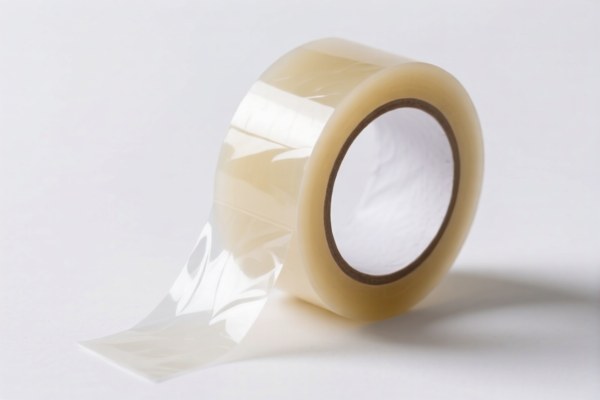
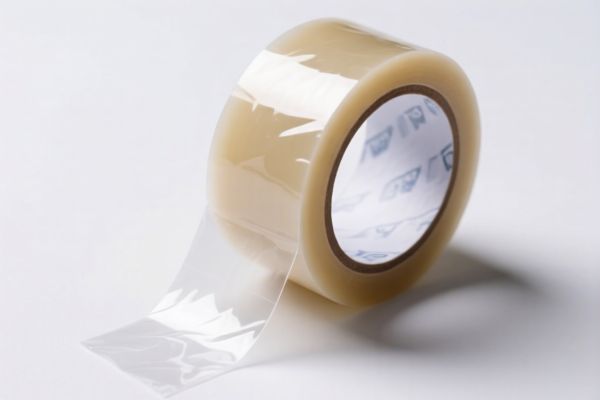


AI Analysis
🚗 Car Battery Plastic Self-Adhesive Tape
🌐 HS Code Reference & Customs Clearance Guide | 2026 Latest Tariff Analysis | Professional Entry Strategy
📌 Part I: Product Definition & Classification: What Exactly Is "Car Battery Tape"?
Plastic self-adhesive tape for car batteries is a specialized industrial auxiliary material. It is not merely "tape," but a functional component used for insulation, cushioning, fixing, and protection of automotive battery compartments. In international trade, its classification depends heavily on the distinction between "General Plastic Articles" and "Self-Adhesive Products."
Key Distinctions: * Form Factor: Is it a flat strip (tape/roll)? Or is it a complex structural connector? * Material Composition: Primarily plastic (PE, PVC, PET, etc.). * Usage: Exterior aesthetic connection vs. functional insulation/fixing.
⚠️ Critical Classification Point:
- If the product is a flat, self-adhesive roll used for general wrapping/fixing → It falls under Chapter 39 (Self-adhesive tapes).
- If the product is a structural connector/adhesive piece specifically designed to hold the battery in place (non-tape form) → It may fall under Other Plastic Articles (3926).
- Note: Some "tape-like" products with specific coatings (e.g., rubber/plastic impregnated fabric) might be misclassified under Chapter 56, but pure plastic self-adhesive tape usually stays in Chapter 39.
📦 Part II: HS Code Classification Details (2026 Latest Tariff Authority Comparison)
Based on the provided data, here are the 5 potential HS Code matches with their specific rationales and tax implications.
| HS Code | Product Description | Matching Rationale from Data | Total Tax Rate |
|---|---|---|---|
| 3926.30.50.00 | Other Plastic Articles (Connectors/Fasteners) | Match Basis: Material is explicitly "Plastic"; Usage fits "External car decoration connectors/adhesives"; Form is "Other plastic articles." | 22.8% |
| 3926.90.99.89 | Other Plastic Articles (General) | Match Basis: Contains "Plastic"; Form is "Tape" (classified as a manufactured article); No material conflict. Fits logic of "Other plastic articles." | 22.8% |
| 3919.10.20.55 | Self-Adhesive Tapes (Plastic) | Match Success: Name explicitly contains "Plastic" material & "Self-adhesive tape" form. Fits classification for material and flat shape. No conflict. | 40.8% |
| 5604.90.90.00 | Thread/Strip Impregnated with Plastic | Match Basis: Material "Plastic" fits "Impregnated/coated" feature; Form "Tape" fits strip/belt category. No material conflict. | 40.0% |
| 3919.90.50.60 | Other Self-Adhesive Tapes (Plastic) | Match Success: Material "Plastic" (matches ref); Form "Self-adhesive tape" (matches ref); Usage "Car exterior," no conflict with other categories. | 40.8% |
🔍 Key Insight:
- The biggest risk is misclassifying a simple Self-Adhesive Tape (Ch 3919) as a General Plastic Article (Ch 3926) or Impregnated Textile (Ch 5604).
- Ch 3919 (Tapes) generally carries higher tariffs (40.8%) due to Section 301 & IEEPA duties.
- Ch 3926 (Other Articles) carries lower tariffs (22.8%) if the item is deemed a "component/part" rather than a generic "tape."
- Ch 5604 (Impregnated) is a middle ground (40.0%) but requires proof of "impregnation/coating" on a textile or similar base, which may not apply to pure plastic tapes.
💰 Part III: 2026 Latest Tariff Rate Breakdown (Including Surcharges & Policy Add-ons)
✅ Applicable Country: United States (US)
✅ Origin: China (CN)
✅ Effective Date: From November 10, 2025 (including subsequent imports)
🎯 1. 3926.30.50.00 & 3926.90.99.89 — Plastic Articles (Lower Tax Bracket)
| Item | Content |
|---|---|
| Base Tariff | 5.3% (ad valorem) |
| Section 301 Surcharge | +7.5% |
| IEEPA Surcharge (122 Clause) | +10% |
| Total Tax Rate | 22.8% |
| Tax Calculation | CIF Value × 22.8% |
| De Minimis Eligibility | ❌ No (Denied for China-origin plastics under these clauses) |
| Legal Basis Path | IEEPA:9903.01.122 → USITC:3926.30.50.00 |
📌 Explanation:
- Why 22.8%? The base rate is low (5.3%), but the Section 301 (7.5%) and IEEPA 122 Clause (10%) are applied.
- Strategy: If your product can be argued as a "specific part/component" (e.g., a pre-cut battery holder rather than a roll of tape), this 22.8% rate is significantly cheaper than the 40.8% tape rate.
🎯 2. 3919.10.20.55 & 3919.90.50.60 — Self-Adhesive Tapes (Higher Tax Bracket)
| Item | Content |
|---|---|
| Base Tariff | 5.8% (ad valorem) |
| Section 301 Surcharge | +25.0% |
| IEEPA Surcharge (122 Clause) | +10% |
| Total Tax Rate | 40.8% |
| Tax Calculation | CIF Value × 40.8% |
| De Minimis Eligibility | ❌ No |
| Legal Basis Path | IEEPA:9903.01.25 → USITC:3919.10.20.55 |
📌 Explanation:
- Why 40.8%? Self-adhesive tapes fall under Section 301 with a 25% surcharge (vs. 7.5% for 3926).
- Risk: This is a high tariff category. Misclassifying a roll of tape as "Plastic Article" to get 22.8% is a red flag for Customs.
🎯 3. 5604.90.90.00 — Impregnated Tapes/Strips (Middle Ground)
| Item | Content |
|---|---|
| Base Tariff | 5.0% (ad valorem) |
| Section 301 Surcharge | +25.0% |
| IEEPA Surcharge (122 Clause) | +10% |
| Total Tax Rate | 40.0% |
| Tax Calculation | CIF Value × 40.0% |
| De Minimis Eligibility | ❌ No |
📌 Explanation:
- Only applicable if the tape is textile-based (e.g., cloth tape) impregnated with plastic, not pure plastic film.
- Warning: Pure plastic self-adhesive tape does not fit this category unless it has a textile backing.
🛠️ Part IV: Customs Clearance Practical Advice (Battle-Tested Pitfall Guide)
✅ 1. Documentation Checklist (Non-Negotiable)
| Document | Must Provide | Explanation |
|---|---|---|
| ✅ Product Specification Sheet | ✔️ | Must clearly state: Material (e.g., 100% PE/PVC), Thickness, Width, Length, Adhesive Type. |
| ✅ Product Photos | ✔️ | Clear images of the roll, cross-section (if layered), and application example (e.g., on battery terminal). |
| ✅ Commercial Invoice | ✔️ | Must describe as "Plastic Self-Adhesive Tape for Car Battery Insulation/Fixing". Avoid vague terms like "Glue" or "Sticker." |
| ✅ COO (Certificate of Origin) | ✔️ | Mandatory for determining Section 301/IEEPA applicability. |
| ✅ Structure Diagram | ✔️ | If claiming 3926 (22.8%), provide a diagram showing it’s a "formed part" not just a "roll of tape." |
✅ 2. Declaration Strategy (Key Rules)
🔥 “Shape Matters: Roll vs. Part, Tax Saves Half!”
| Scenario | Correct HS Code | Incorrect Declaration | Risk |
|---|---|---|---|
| Roll of flat tape (generic) | 3919.10.20.55 or 3919.90.50.60 (40.8%) |
Declare as "Plastic Part" (3926) | High Risk of Audit & Penalty |
| Pre-cut, shaped battery clips (non-rolled) | 3926.30.50.00 or 3926.90.99.89 (22.8%) |
Declare as "Tape" (3919) | Overpaying Tax (Legitimate Savings) |
| Fabric tape with plastic coating | 5604.90.90.00 (40.0%) |
Declare as "Pure Plastic Tape" | Misclassification (Base rate wrong) |
📌 Crucial Note:
- If the product is a roll of self-adhesive plastic material, Customs will almost certainly assign 3919 (40.8%).
- To achieve the 22.8% rate, the product must be pre-cut, pre-shaped, or manufactured into a specific component (e.g., a custom battery bracket liner) that loses its "tape" identity.
✅ 3. Special Handling Tips
| Situation | Recommendation |
|---|---|
| OEM Custom Shapes | Provide design drawings. If the tape is die-cut into a specific battery tray shape, argue for 3926 (Plastic Articles) as it’s a "formed part." |
| Multiple Layers | If it has a fabric backing (e.g., duct tape style), consider 5604 (40.0%). If it’s pure plastic film, stick to 3919. |
| Mixed Containers | If shipping both rolls and pre-cut parts, separate line items. Do not lump them together. |
| Battery Terminal Covers | If the product covers terminals specifically, provide photos showing it’s not just a "wrap" but a "cover/housing" to support 3926. |
🌍 Part V: Global Market Comparison (2026 Update)
| Country/Region | Recommended HS Code | Tariff (China Origin) | Key Certifications | Notes |
|---|---|---|---|---|
| 🇺🇸 USA | 3919.10.20.55 / 3926.30.50.00 |
22.8% or 40.8% | FCC (if electronic), RoHS | Highest risk due to Section 301/IEEPA. |
| 🇨🇳 China | 3919.10.20.55 |
5-6% | RoHS, REACH | Low tariff, no Section 301. |
| 🇪🇺 EU | 3919.90.99 |
6.5% | REACH, RoHS | No major surcharges like US. |
| 🇬🇧 UK | 3919.90.99 |
6.5% | UKCA, REACH | Post-Brexit rules apply. |
📌 Conclusion:
- USA is the only major market with punitive surcharges (up to 40.8%).
- Strategy for US Market:
1. If possible, manufacture pre-cut forms to qualify for 3926 (22.8%).
2. If selling rolls, budget for 40.8%.
3. Never claim "Plastic Article" for a roll of tape without strong structural evidence.
📌 Part VI: Common Errors & Pitfalls (Lessons Learned)
❌ Error 1: Declaring Rolls of Tape as "Plastic Parts" (3926)
👉 Result: Customs rejects, audits, and applies 40.8% + penalties.
✅ Fix: Only use 3926 for pre-shaped, non-rolled components.
❌ Error 2: Vague Description: "Plastic Tape"
👉 Result: Customs assigns worst-case HS Code (often 3919 with high duties).
✅ Fix: Specify "Self-Adhesive Plastic Tape, Material: PE/PVC, Width: Xmm, Usage: Car Battery Insulation."
❌ Error 3: Ignoring IEEPA 122 Clause
👉 Result: Underpayment of 10% surcharge.
✅ Fix: Ensure all declarations include IEEPA compliance for China-origin goods.
🎯 Part VII: Conclusion: Professional Declaration, Cost Efficiency, Smooth Clearance!
🎯 Remember This Mantra:
🔹 "Rolls are Tapes (40.8%), Shapes are Parts (22.8%). Don’t Guess, Provide Photos!"
🔹 "HS Code Dictates Tax: 18% Difference, Huge Profit Impact!"
📌 Pro Tip:
If your product is 100% pure plastic film with adhesive, do not try to claim 5604 (impregnated textile) unless it has a fabric backing. It will be rejected.
For US Imports, consider Advance Ruling (Customs Ruling) to confirm if your specific "battery tape" qualifies as a "part" (3926) rather than a "tape" (3919).
📣 Immediate Action:
📞 Contact your customs broker with photos + specs.
📦 Apply for Pre-Ruling if shipping large volumes.
🚀 Clarify the Form: Roll vs. Cut Part. Tax Savings Start Here!
✨ Professional Clearance Starts with Accurate Classification!
💼 Your Every Cent of Cost is Worth Precise Calculation!
Customer Reviews
About HS Code Classification
The Harmonized System (HS) is an internationally standardized nomenclature developed by the World Customs Organization (WCO) to classify traded products. Over 200 countries use the HS system as the basis for customs tariffs, trade statistics, and import/export regulations.
Each HS code follows a hierarchical structure:
- Chapter (2 digits) — Broad category of goods (e.g., Chapter 84: Machinery and Mechanical Appliances)
- Heading (4 digits) — More specific grouping within the chapter
- Subheading (6 digits) — Internationally standardized breakdown, used by all WCO member countries
- National subdivisions (8-10 digits) — Country-specific extensions for further classification, such as US HTSUS 10-digit codes
Correct HS code classification is essential for smooth customs clearance, accurate duty payment, and compliance with trade regulations. Misclassification can lead to customs delays, overpayment of duties, or penalties.
When importing from CN to US, the applicable tariff rates may include:
- Most-Favored-Nation (MFN) rate — The standard duty rate applied to WTO members
- General rate — Applied to countries without trade agreements
- Trade remedy duties — Additional tariffs such as Section 301 (anti-dumping), Section 232 (national security), or countervailing duties
The information provided on this page is for reference purposes only. For official classification, please consult with your local customs authority or a licensed customs broker.