Plastic Sheet
CN → US| HS Code | Tariff Rate | Origin | Destination | Doc |
|---|---|---|---|---|
| 3920435000 | 39.2% | CN | US | Official Doc |
| 3919905060 | 40.8% | CN | US | Official Doc |
| 3920490000 | 40.8% | CN | US | Official Doc |
| 3919905040 | 40.8% | CN | US | Official Doc |
| 3904100000 | 41.5% | CN | US | Official Doc |
Product Images
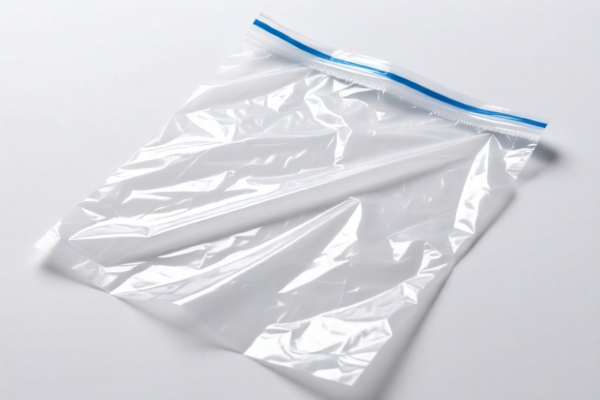
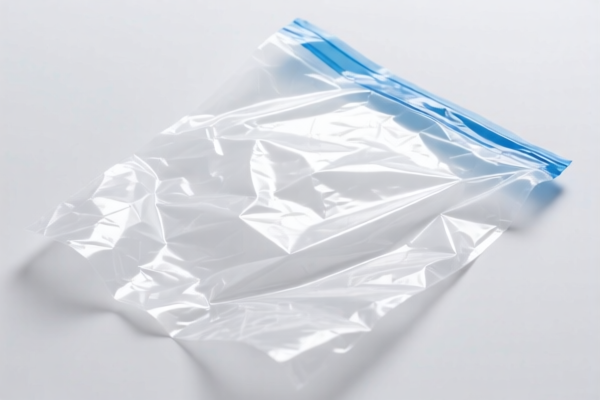
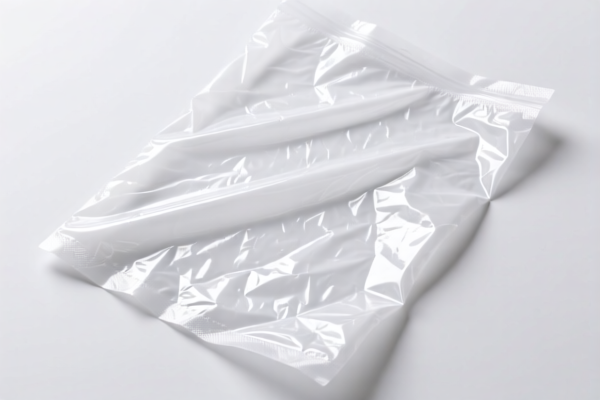
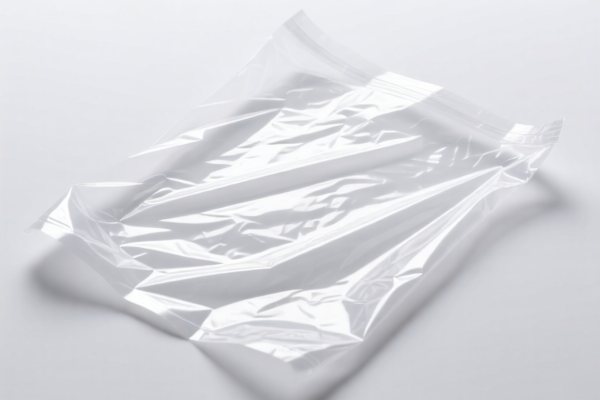
AI Analysis
🧱 PVC Plastic Sheets: The Ultimate HS Code & Tariff Guide for US Imports
🌐 HS Code Reference & Customs Clearance Guide | 2026 Latest Tariff Analysis | Professional Clearance Strategy
📌 1. Product Definition & Classification: What Exactly Is "Plastic Sheet"?
In international trade, "Plastic Sheet" usually refers to PVC (Polyvinyl Chloride) sheets. However, under US Customs regulations, the HS Code is strictly determined by the product's state (raw material vs. finished item) and function (self-adhesive vs. non-adhesive).
⚠️ Key Distinction Point:
- Raw Material (Primary Form): PVC powder or basic slabs → HS 3904.
- Finished Sheet (Non-Adhesive, Plate/Film): Solid sheets, not sticky → HS 3920.
- Self-Adhesive/Backed (Rolls/Films): Sticky side, ready to stick → HS 3919.🔍 Crucial Warning: Misclassifying a self-adhesive PVC sheet as a regular sheet can lead to severe penalties. The presence of an adhesive backing changes the entire classification logic!
📦 2. HS Code Classification Details (2026 Latest Tariff Alignment)
Based on the provided data, here are the 5 specific HS Codes for PVC Plastic Sheets.
| HS Code | Product Description | Key Characteristics | Tax Rate (Total) |
|---|---|---|---|
| 3904.10.00.00 | PVC Sheets (Primary Form) | Raw PVC, unprocessed or minimally processed, defined as "vinyl polymers". | 41.5% |
| 3920.43.50.00 | PVC Sheets (Plates/Films) | Solid PVC sheets, classified as plates, films, or strips. Non-adhesive. | 39.2% |
| 3919.90.50.60 | PVC Self-Adhesive Sheets | Plastic sheets with adhesive backing, flat shape. | 40.8% |
| 3919.90.50.40 | PVC Flat Plastic Sheets | Flat-shaped plastic products, general classification for flat sheets. | 40.8% |
| 3920.49.00.00 | PVC Vinyl Sheets | Vinyl polymers, plate/film form, distinct from primary forms. | 40.8% |
📌 Note: All listed HS Codes are subject to significant additional tariffs for Chinese-origin goods entering the US.
💰 3. 2026 Latest Tariff Rate Breakdown (Detailed Clause Explanation)
✅ Applicable Country: United States (US)
✅ Origin: China (CN)
✅ Effective Date: Current US Trade Policy (Section 301 & 122)
🎯 1. 3904.10.00.00 —— PVC Plastic Sheets (Primary Form)
The "Raw Material" Category
| Item | Content |
|---|---|
| Base Tariff | 6.5% (Ad Valorem) |
| Section 301 Tariff | +25.0% (Retaliatory Tariff on Chinese Goods) |
| Section 122 Tariff | +10.0% (Specific Clause for Certain Imports) |
| Total Tax Rate | 41.5% |
| Tax Calculation | CIF Value × 41.5% |
| De Minimis Exemption | ❌ NO (All items above $800 are subject to full duties) |
| Legal Basis Path | HTSUS:3904.10 → USITC Footnote 9903.88.01 → IEEPA:9903.01.25 |
📌 Explanation:
- This code applies to PVC in its primary form (e.g., raw slabs, unprocessed plates).
- If your product is a finished, cut sheet used for construction or signage, do not use this code. Use 3920 instead.
- The 25% Section 301 tariff is the most significant cost driver here.
🎯 2. 3920.43.50.00 —— PVC Plastic Sheets (Plate/Film Form)
The "Standard Non-Adhesive Sheet" Category
| Item | Content |
|---|---|
| Base Tariff | 4.2% |
| Section 301 Tariff | +25.0% |
| Section 122 Tariff | +10.0% |
| Total Tax Rate | 39.2% |
| Tax Calculation | CIF Value × 39.2% |
| De Minimis Exemption | ❌ NO |
| Legal Basis Path | HTSUS:3920.43 → USITC Footnote 9903.88.01 → IEEPA:9903.01.25 |
📌 Explanation:
- This is the most favorable rate among the non-adhesive PVC sheet codes.
- Use this for solid PVC sheets (e.g., for medical devices, packaging, or industrial lining) that are NOT self-adhesive.
- Key Phrase for Customs: "PVC Sheets, non-adhesive, for industrial use."
🎯 3. 3919.90.50.60 & 3919.90.50.40 —— Self-Adhesive PVC Sheets
The "Sticky Sheet" Category
| Item | Content |
|---|---|
| Base Tariff | 5.8% |
| Section 301 Tariff | +25.0% |
| Section 122 Tariff | +10.0% |
| Total Tax Rate | 40.8% |
| Tax Calculation | CIF Value × 40.8% |
| De Minimis Exemption | ❌ NO |
📌 Explanation:
- Crucial Distinction: These codes are for self-adhesive products (e.g., PVC wallpaper, adhesive labels, sticky floor mats).
- If your sheet has an adhesive backing, you MUST use the 3919 series.
- 3919.90.50.60 is typically for "other" adhesive plastics, while 3919.90.50.40 is for "flat shape" classification. Both carry the same total tariff.
- Risk: If you misdeclare a sticky sheet as3920(non-adhesive), customs will reject it or impose higher penalties.
🎯 4. 3920.49.00.00 —— Other PVC Vinyl Sheets
The "Generic Vinyl Sheet" Category
| Item | Content |
|---|---|
| Base Tariff | 5.8% |
| Section 301 Tariff | +25.0% |
| Section 122 Tariff | +10.0% |
| Total Tax Rate | 40.8% |
| Tax Calculation | CIF Value × 40.8% |
| De Minimis Exemption | ❌ NO |
📌 Explanation:
- Use this when the sheet is PVC-based but doesn't fit the specific "43" subcategory.
- Commonly used for vinyl flooring or specialty vinyl films.
🛠️ 4. Customs Clearance Practical Advice (Pitfall Avoidance Guide)
✅ 1. Documentation Checklist (Mandatory)
| Document | Required? | Notes |
|---|---|---|
| ✅ Product Specification | ✔️ | Must specify: PVC content, thickness, width, length, adhesive vs. non-adhesive. |
| ✅ Material Safety Data Sheet (MSDS) | ✔️ | Required for chemical classification. |
| ✅ Commercial Invoice | ✔️ | Clearly state "PVC Plastic Sheets, HS Code [XXX], Origin: China". |
| ✅ Packing List | ✔️ | Include gross/net weight, number of rolls/sheets. |
| ✅ Certificate of Origin (CO) | ✔️ | Essential for proving Chinese origin. |
| ✅ Adhesive Declaration | ✔️ | Critical! Explicitly state if the sheet is self-adhesive. |
✅ 2. Declaration Tips (Key Phrases for Customs)
🔥 "Be Specific, Be Accurate, Avoid Ambiguity!"
| Scenario | Correct Declaration | Incorrect Declaration |
|---|---|---|
| Non-Adhesive Sheet | "PVC Plastic Sheets, Non-Adhesive, for Industrial Lining" | "Plastic Sheets" (Too vague) |
| Self-Adhesive Sheet | "PVC Self-Adhesive Sheets, Roll Form, for Flooring" | "PVC Sheets" (Will be reclassified) |
| Raw PVC Slab | "PVC Polymer Plates, Primary Form, Unprocessed" | "PVC Sheets" (Incorrect form) |
| Vinyl Film | "PVC Vinyl Film, Thin Gauge, Non-Adhesive" | "Plastic Wrap" (Wrong category) |
✅ 3. Special Cases & Risk Management
| Situation | Handling Advice |
|---|---|
| Mixed Orders | If a shipment contains both adhesive and non-adhesive sheets, separate them in the invoice. Misclassification can void the entire shipment's entry. |
| OEM Custom Sheets | Provide design drawings and material composition reports to prove PVC content. |
| High-Value Shipments | Consider applying for a Pre-Immigration Declaration or Advance Ruling to confirm HS Code before shipment. |
| Section 122 Tariff | Be aware that the 10% Section 122 tariff is temporary and subject to change. Monitor US Trade Representative (USTR) updates. |
🌍 5. Global Market Comparison (2026 Update)
| Country/Region | Recommended HS Code | Total Tariff (China Origin) | Notes |
|---|---|---|---|
| 🇺🇸 USA | 3920.43.50.00 (Best for non-adhesive) |
39.2% | Highest duty due to Section 301 + 122. |
| 🇨🇳 China | 3920.43.50.00 |
6.5% | No Section 301 tariffs. |
| 🇪🇺 EU | 3920.43.50.00 |
6.5% | No Section 301, but check REACH compliance. |
| 🇯🇵 Japan | 3920.43.50.00 |
6.0% | Check CEPA agreement for potential reductions. |
📌 Conclusion:
- The US market is the most expensive for PVC plastic sheets due to multiple layers of tariffs.
- Optimization Tip: If possible, source PVC sheets from Vietnam, India, or Thailand to avoid Section 301 tariffs (check for substantial transformation rules).
📌 6. Common Mistakes & Blood-Turning Lessons
❌ Mistake 1: Declaring a self-adhesive sheet as 3920.43.50.00
👉 Consequence: Customs will reclassify it to 3919.90, potentially adding penalties and delay.
👉 Result: Shipment held at port, fines imposed.
❌ Mistake 2: Using 3904.10.00.00 for finished sheets
👉 Consequence: This code is for raw materials. Finished sheets are considered "manufactured goods."
👉 Result: Duty underpayment audit later.
❌ Mistake 3: Ignoring the Section 122 Tariff
👉 Consequence: Many importers forget the additional 10% on top of the 25% Section 301.
👉 Result: Budget overrun by 10%.
❌ Mistake 4: Vague Product Description
👉 Consequence: "Plastic Sheet" is rejected by CBP (Customs and Border Protection).
👉 Result: Delayed clearance, storage fees.
✅ Correct Approach:
"PVC Plastic Sheets, Non-Adhesive, 2mm Thickness, 1220x2440mm, For Industrial Use, HS Code 3920.43.50.00, Origin: China"
🎯 7. Conclusion: Precision is Profit
🎯 Remember the Golden Rule:
🔹 "Adhesive? Go 3919. Non-Adhesive? Go 3920. Raw? Go 3904."
🔹 "Tariff Trap: 25% + 10% = 35% Extra Cost. Don't Ignore It!"
📌 Pro Tip:
For high-volume imports, consider bonded warehouses or FTZ (Foreign Trade Zone) entry to defer duty payments until the goods are sold or exported.
📣 Immediate Action:
📞 Consult a licensed customs broker for Pre-Ruling.
📝 Ensure your commercial invoice matches the packing list and product specification exactly.
🚀 Avoid customs delays with accurate classification!
✨ Professional Clearance Starts with Accurate Classification!
💼 Your Cost Control Depends on Your HS Code Precision!
Customer Reviews
About HS Code Classification
The Harmonized System (HS) is an internationally standardized nomenclature developed by the World Customs Organization (WCO) to classify traded products. Over 200 countries use the HS system as the basis for customs tariffs, trade statistics, and import/export regulations.
Each HS code follows a hierarchical structure:
- Chapter (2 digits) — Broad category of goods (e.g., Chapter 84: Machinery and Mechanical Appliances)
- Heading (4 digits) — More specific grouping within the chapter
- Subheading (6 digits) — Internationally standardized breakdown, used by all WCO member countries
- National subdivisions (8-10 digits) — Country-specific extensions for further classification, such as US HTSUS 10-digit codes
Correct HS code classification is essential for smooth customs clearance, accurate duty payment, and compliance with trade regulations. Misclassification can lead to customs delays, overpayment of duties, or penalties.
When importing from CN to US, the applicable tariff rates may include:
- Most-Favored-Nation (MFN) rate — The standard duty rate applied to WTO members
- General rate — Applied to countries without trade agreements
- Trade remedy duties — Additional tariffs such as Section 301 (anti-dumping), Section 232 (national security), or countervailing duties
The information provided on this page is for reference purposes only. For official classification, please consult with your local customs authority or a licensed customs broker.