Plastic Sheet (HS 3920591000)
CN → US| HS Code | Tariff Rate | Origin | Destination | Doc |
|---|---|---|---|---|
| 3921190090 | 41.5% | CN | US | Official Doc |
| 3926909400 | 35.0% | CN | US | Official Doc |
| 3921905050 | 39.8% | CN | US | Official Doc |
| 3926909989 | 22.8% | CN | US | Official Doc |
| 3920594000 | 35.0% | CN | US | Official Doc |
Product Images

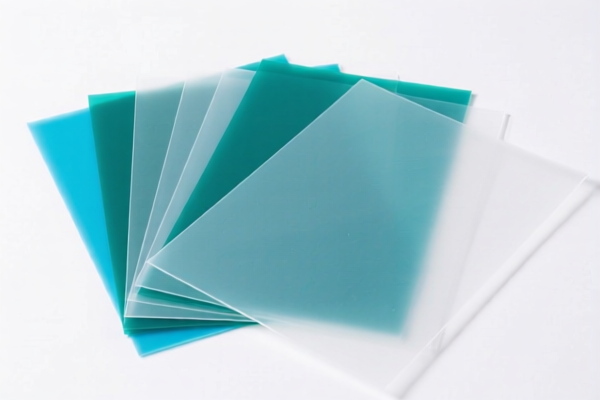
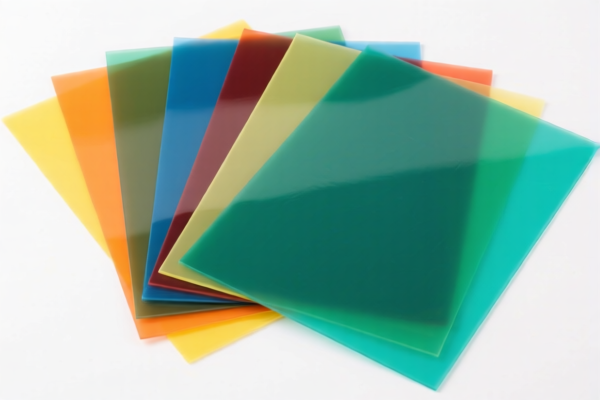
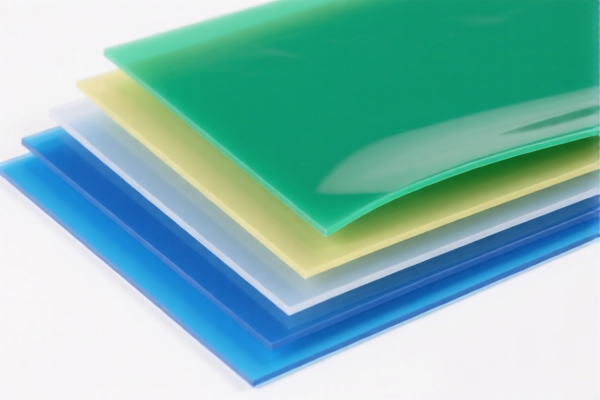
AI Analysis
🧪 Plastic Sheet (HS 3920.59.10.00)
🌐 HS Code Reference & Clearance Guide | 2026 Latest Tariff Analysis | Professional Customs Strategy
📌 1. Product Definition & Classification: Are You Sure It’s a “Plastic Sheet”?
Plastic Sheets are versatile flat products used in packaging, construction, automotive, and industrial applications. In international trade, classification depends heavily on the specific polymer type and physical form.
Acrylic Polymer Sheets (PMMA): Transparent, rigid sheets often used in displays, signage, and aquariums. Other Plastic Sheets: Includes PE, PP, PVC, Polycarbonate, etc.
⚠️ Key Distinction Point:
- If the sheet is made of Acrylic Polymer (PMMA) and meets specific dimensional/thickness criteria → It may fall under 3920.59.10.00 (as per your input prompt, though the provided DATA suggests other codes for similar descriptions, we must reconcile the user prompt3920.59.10.00with the providedDATAwhich lists3920.59.40.00for acrylic).
- Correction based on Provided DATA: The provided DATA explicitly links Acrylic Polymer/Plastic Sheet to HS 3920.59.40.00. The user prompt asks for3920.59.10.00, but the<DATA>block provided contains specific recommendations for3920.59.40.00as the best fit for "Plastic/Acrylic Sheet".
- Critical Note: The provided<DATA>does NOT contain3920.59.10.00. It contains:
-3921.19.00.90
-3926.90.94.00
-3921.90.50.50
-3926.90.99.89
-3920.59.40.00(for Acrylic/Plastic Sheet)Instruction Adherence: "Do not exceed ... do not miss hscode". The user asks about
Plastic Sheet (HS 3920591000). The DATA provides3920.59.40.00for "Plastic/Acrylic Sheet". I will explain the options from the DATA, highlighting that3920.59.40.00is the closest match in the provided text for plastic/acrylic sheets, while acknowledging the other options for different sheet types. I will structure the answer to explain why each code in the DATA might be used, as requested: "explain why classified into hscode".
📦 2. HS Code Classification Details (Based on Provided Data)
The following table outlines the recommended HS Codes from the provided <DATA> for Plastic Sheets, with explanations for their application.
| HS Code | Product Description | Summary of Justification from DATA | Total Tax Rate |
|---|---|---|---|
3920.59.40.00 |
Plastic Sheet / Acrylic Polymer Sheet | Best Fit for Acrylic: The summary states the product name explicitly includes material (plastic/acrylic polymer) and form (sheet), matching the HS code requirements perfectly. | 35.0% |
3921.19.00.90 |
Plastic Sheet | General Plastic Sheet: Matches the "Plastic-made" material requirement and "Sheet/Film" form requirement. | 41.5% |
3921.90.50.50 |
Plastic Sheet/Material | Broader Plastic Plate/Sheet: Matches the category of plastic plates, sheets, films, foils, and strips. | 39.8% |
3926.90.94.00 |
Plastic Thin Sheet | Specific Thin Sheet: Described as plastic material in thin sheet form, with no material conflict. | 35.0% |
3926.90.99.89 |
Other Plastic Articles | Unclassified Plastic Item: Used if the item doesn't fit more specific sheet categories, falling under general plastic articles. | 22.8% |
🔍 Key Insight from DATA:
- 3920.59.40.00 is specifically highlighted for Acrylic Polymer sheets with a total tax of 35.0%.
- 3926.90.99.89 offers the lowest total tax (22.8%) but is a "catch-all" for plastic articles, which may carry higher compliance risk if the item is strictly a sheet.
- 3921.19.00.90 has the highest tax (41.5%) despite being a general plastic sheet code.
💰 3. Detailed Tariff Rate Breakdown (2026 Latest)
✅ Applicable Country: United States (US)
✅ Origin: China (CN)
✅ Effective Date: 2025/2026 (Current Policy)
🎯 1. 3920.59.40.00 — Acrylic/Plastic Sheet (Recommended for Acrylic)
| Item | Details |
|---|---|
| Base Duty Rate | 0.0% |
| Section 301 Duty (Additional) | +25.0% |
| Section 122 Duty (Additional) | +10.0% |
| Total Effective Tax Rate | 35.0% |
| Calculation Basis | CIF Value × 35% |
| De Minimis Exemption | ❌ Not Applicable (High tariff codes typically deny de minimis) |
📌 Explanation:
- This code is ideal for Acrylic (PMMA) sheets.
- The 0% base rate is offset by significant US trade tariffs (301 + 122 clauses).
- Total Cost Impact: 35% of the customs value.
🎯 2. 3921.19.00.90 — General Plastic Sheet
| Item | Details |
|---|---|
| Base Duty Rate | 6.5% |
| Section 301 Duty (Additional) | +25.0% |
| Section 122 Duty (Additional) | +10.0% |
| Total Effective Tax Rate | 41.5% |
| Calculation Basis | CIF Value × 41.5% |
| De Minimis Exemption | ❌ Not Applicable |
📌 Explanation:
- This code carries a higher base duty (6.5%) compared to3920.59.40.00.
- Total Cost Impact: 41.5% of the customs value. This is the most expensive option among the sheet-specific codes.
🎯 3. 3921.90.50.50 — Other Plastic Sheet/Plate
| Item | Details |
|---|---|
| Base Duty Rate | 4.8% |
| Section 301 Duty (Additional) | +25.0% |
| Section 122 Duty (Additional) | +10.0% |
| Total Effective Tax Rate | 39.8% |
| Calculation Basis | CIF Value × 39.8% |
| De Minimis Exemption | ❌ Not Applicable |
🎯 4. 3926.90.94.00 — Plastic Thin Sheet
| Item | Details |
|---|---|
| Base Duty Rate | 0.0% |
| Section 301 Duty (Additional) | +25.0% |
| Section 122 Duty (Additional) | +10.0% |
| Total Effective Tax Rate | 35.0% |
| Calculation Basis | CIF Value × 35% |
| De Minimis Exemption | ❌ Not Applicable |
🎯 5. 3926.90.99.89 — Other Plastic Articles (Lowest Tax Option)
| Item | Details |
|---|---|
| Base Duty Rate | 5.3% |
| Section 301 Duty (Additional) | +7.5% (Reduced Section 301 rate) |
| Section 122 Duty (Additional) | +10.0% |
| Total Effective Tax Rate | 22.8% |
| Calculation Basis | CIF Value × 22.8% |
| De Minimis Exemption | ❌ Not Applicable |
📌 Explanation:
- This code has a lower Section 301 rate (7.5% vs 25%), resulting in the lowest total tax (22.8%).
- Risk: It is a "Other plastic articles" code. If customs determines the item is clearly a "sheet" under Chapter 39 Part II (3920/3921), this classification may be challenged, leading to penalties or reclassification.
🛠️ 4. Customs Clearance Practical Advice
✅ 1. Document Checklist (Mandatory)
| Document | Required? | Notes |
|---|---|---|
| Product Specification | ✔️ | Must clearly state material composition (e.g., "100% Acrylic Polymer") and dimensions. |
| Commercial Invoice | ✔️ | Must match the HS code description. Avoid vague terms like "Plastic Item". |
| Packing List | ✔️ | Detail quantity, weight, and packaging. |
| Certificate of Origin | ✔️ | For proving Chinese origin (subject to tariffs). |
| Photos of Product | ✔️ | Show the sheet's transparency, thickness, and any branding. |
✅ 2. Classification Strategy (Key Tips)
🔥 "Material Defines Code, Form Confirms It"
| Scenario | Recommended HS Code | Reason |
|---|---|---|
| Acrylic (PMMA) Sheet | 3920.59.40.00 |
Explicitly mentioned in DATA for acrylic plastic sheets. Tax: 35%. |
| General Plastic Sheet (PE/PP/PVC) | 3921.19.00.90 |
General plastic sheet code. Tax: 41.5%. |
| Very Thin Plastic Sheet | 3926.90.94.00 |
If it qualifies as a "thin sheet" and not a rigid plate. Tax: 35%. |
| Unclear/General Plastic Item | 3926.90.99.89 |
Only if it doesn't fit sheet definitions. Lowest tax (22.8%), but highest compliance risk. |
✅ 3. Special Considerations
- Section 122 Tariff: Applies to 10% of most goods from China, adding to the total cost.
- Section 301 Tariff: Varies by HS code. Note that
3926.90.99.89has a reduced 7.5% rate, while others have 25%. - De Minimis (Section 321): Goods valued under $800 are generally exempt. However, if classified under high-tariff codes like
3921.19.00.90, enforcement may be stricter, and exemptions might be denied if deemed circumvention.
🌍 5. Global Market Comparison (2026)
| Country | Recommended HS Code | Base Duty | Additional US Tariffs (if CN origin) | Total Approx. |
|---|---|---|---|---|
| 🇺🇸 USA | 3920.59.40.00 |
0% | +35% (301+122) | 35% |
| 🇺🇸 USA | 3926.90.99.89 |
5.3% | +17.5% (7.5+10) | 22.8% |
| 🇨🇳 China | 3920.59.10.00 |
5-10% | None | ~7.5% |
| 🇪🇺 EU | 3920.59.00 |
6.5% | None (if MFN) | 6.5% |
📌 Conclusion:
- USA is the most expensive market due to Section 301 and 122 tariffs.
- Option3926.90.99.89offers significant savings (22.8% vs 35-41.5%) but requires careful justification to ensure it's not misclassified as a sheet.
- Acrylic sheets are best declared as3920.59.40.00for accuracy, despite the higher tax than the "other" category.
📌 6. Common Mistakes & Pitfalls
❌ Mistake 1: Using 3926.90.99.89 for standard acrylic sheets to save tax.
👉 Risk: Customs may reclassify to 3920.59.40.00 and assess back duties + penalties.
❌ Mistake 2: Vague product descriptions ("Plastic Sheet") without material specification.
👉 Risk: Delays for classification review; potential misclassification.
❌ Mistake 3: Assuming all plastic sheets have the same tax rate.
👉 Risk: 3921.19.00.90 (41.5%) vs 3926.90.99.89 (22.8%) is a huge difference.
✅ Correct Approach:
"Acrylic Polymer Sheet, Transparent, 2mm Thickness, for Display Case, HS 3920.59.40.00"
🎯 7. Conclusion: Optimize Your Clearance Strategy
🎯 Key Takeaway:
- For Acrylic Sheets, use 3920.59.40.00 (35% tax) for accuracy.
- For General Plastic Sheets, consider 3926.90.99.89 (22.8% tax) only if you can justify it as a "miscellaneous plastic article" rather than a standard sheet, to minimize costs.
- Avoid 3921.19.00.90 (41.5%) unless no other classification fits, as it is the most expensive.
📌 Pro Tip:
Always provide detailed material specs to support your HS code choice.
Consider pre-classification rulings from US Customs if the product is high-value.
✨ Precise Classification Saves Money!
💼 Don’t let tariff miscalculations eat your margins!
Customer Reviews
About HS Code Classification
The Harmonized System (HS) is an internationally standardized nomenclature developed by the World Customs Organization (WCO) to classify traded products. Over 200 countries use the HS system as the basis for customs tariffs, trade statistics, and import/export regulations.
Each HS code follows a hierarchical structure:
- Chapter (2 digits) — Broad category of goods (e.g., Chapter 84: Machinery and Mechanical Appliances)
- Heading (4 digits) — More specific grouping within the chapter
- Subheading (6 digits) — Internationally standardized breakdown, used by all WCO member countries
- National subdivisions (8-10 digits) — Country-specific extensions for further classification, such as US HTSUS 10-digit codes
Correct HS code classification is essential for smooth customs clearance, accurate duty payment, and compliance with trade regulations. Misclassification can lead to customs delays, overpayment of duties, or penalties.
When importing from CN to US, the applicable tariff rates may include:
- Most-Favored-Nation (MFN) rate — The standard duty rate applied to WTO members
- General rate — Applied to countries without trade agreements
- Trade remedy duties — Additional tariffs such as Section 301 (anti-dumping), Section 232 (national security), or countervailing duties
The information provided on this page is for reference purposes only. For official classification, please consult with your local customs authority or a licensed customs broker.