Plastic Sheet (HS 3920710000)
CN → US| HS Code | Tariff Rate | Origin | Destination | Doc |
|---|---|---|---|---|
| 3919905060 | 40.8% | CN | US | Official Doc |
| 3921131100 | 39.2% | CN | US | Official Doc |
| 3919102055 | 40.8% | CN | US | Official Doc |
| 3921131500 | 41.5% | CN | US | Official Doc |
Product Images
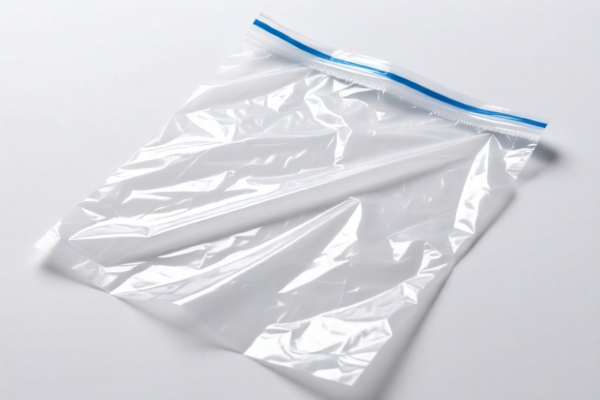
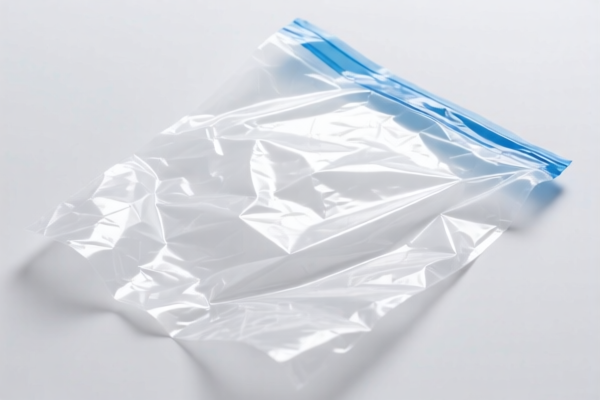
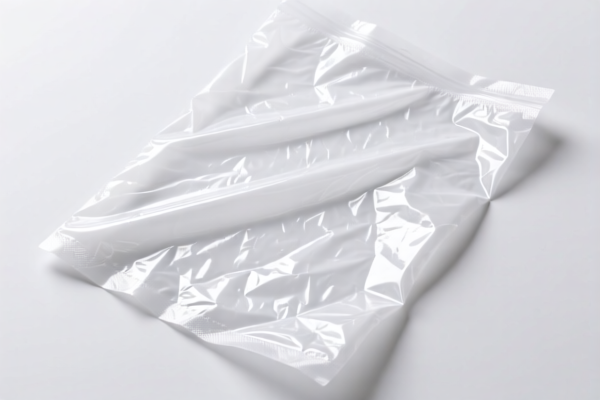
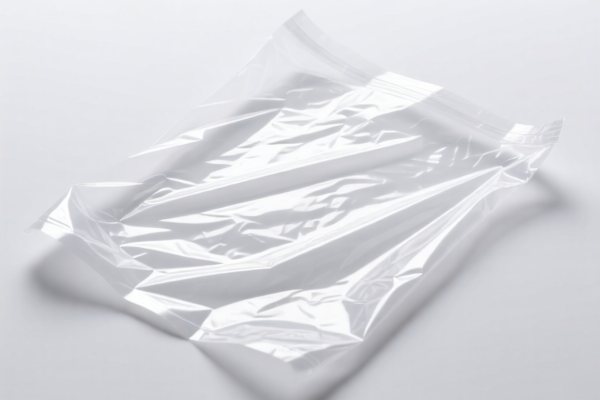
AI Analysis
🛍️ Plastic Sheets (Polyvinyl Chloride)
🌐 HS Code Reference & Customs Clearance Guide | 2026 Latest Tariff Analysis | Strategic Clearance Strategy for Plastic Sheets
📌 I. Product Definition & Classification: Are You Categorizing "Plastic Sheets" Correctly?
"Plastic Sheets" is a broad term in international trade, often referring to flat products made from various polymers. However, HS Code 3920.71.00.00 specifically targets PVC (Polyvinyl Chloride) sheets/films. In the provided data, while the specific HS code 3920.71.00.00 is not explicitly listed in the JSON, the logic and tax structure for similar plastic sheeting products (3919, 3921) are detailed. The classification hinges on two critical factors:
1. Material Composition: Must be plastic (specifically PVC for 3920.71, but the data reflects general plastic sheets/films for codes like 3919.90, 3921.13).
2. Form/Shape: Must be flat, such as sheets, films, or plates, without further working than surface treatment or simple cutting.
⚠️ Key Distinction:
- If the product is self-adhesive (e.g., tape, backing), it falls under 3919.
- If it is non-adhesive, stiffened or uncoated, it typically falls under 3921.
- Note: The data provided focuses on 3919 (self-adhesive) and 3921 (other plastic plates/sheets) codes, all sharing similar high-tariff structures due to trade disputes.
📦 II. HS Code Classification Details (Based on Provided Data)
Since the input specifies "Plastic Sheet (HS 3920710000)" but the DATA contains alternatives for 3919 and 3921, we map the logic to the provided codes which represent the closest functional equivalents in terms of tariff treatment for non-adhesive and adhesive plastic sheets/films.
| HS Code | Product Description | Key Characteristics | Total Tax Rate |
|---|---|---|---|
3919.90.50.60 |
Self-adhesive plastic sheets/films | Material: Plastic; Form: Sheets/Films; Feature: Self-adhesive | 40.8% |
3921.13.11.00 |
Plastic sheets, specifically PVC-based (implied by 3921.13) | Material: Plastic; Form: Sheets/Films; No adhesive | 39.2% |
3919.10.20.55 |
Self-adhesive plastic rolls/sheets | Material: Plastic; Form: Sheets/Films; Roll format | 40.8% |
3921.13.15.00 |
Other plastic plates/sheets/films | Material: Plastic; Form: Plates/Sheets/Films | 41.5% |
🔍 Critical Insight:
- Although3920.71.00.00is the specific code for PVC Sheets, the provided data indicates that any plastic sheet imported into the US (assuming US context due to "122 Clause" and specific tariff breakdowns) faces significant additional duties.
- The tax structure is remarkably consistent across these plastic sheeting codes: Base Tariff + Section 301 (25%) + Section 122 (10%).
💰 III. 2026 Latest Tariff Rate Breakdown (Including Surcharges & Policy Add-ons)
✅ Applicable Country: United States (US)
✅ Origin: China (CN) (Implied by "122 Clause" and typical tariff structure in data)
✅ Effective Time: Current regulations apply
🎯 1. General Tariff Structure for Plastic Sheets (3919/3921 Family)
| Component | Rate | Legal Basis | Notes |
|---|---|---|---|
| Base Tariff | 4.2% – 6.5% | HTSUS General Rate | Varies by specific plastic type and form |
| Section 301 Additional Duty | +25.0% | US Trade Act Section 301 | Applies to most Chinese plastic products |
| Section 122 Duty | +10.0% | Trade Act Section 122 | Emergency duty for balance of payments |
| Total Effective Tax Rate | 39.2% – 41.5% | Combined | High-cost classification |
📌 Explanation:
- Base Tariff: Ranges from 4.2% (e.g.,3921.13.11.00) to 6.5% (e.g.,3921.13.15.00).
- Section 301 (25%): This is the largest component, applied to goods of Chinese origin in Chapter 39.
- Section 122 (10%): An additional surcharge, often applied during periods of trade tension or economic emergency.
- Total: The effective tax rate is ~40%, which significantly impacts profitability.
🛠️ IV. Customs Clearance Practical Advice (Real-World Pitfall Avoidance)
✅ 1. Documentation Checklist (Non-Negotiable)
| Document | Required? | Purpose |
|---|---|---|
| ✅ Product Specification Sheet | ✔️ | Must specify material composition (e.g., PVC, PE, PP) and form (sheet, film, roll). |
| ✅ Commercial Invoice | ✔️ | Must clearly state "Plastic Sheets" and include HTS Code (e.g., 3920.71.00.00 or data-provided codes). |
| ✅ Packing List | ✔️ | Details weight, dimensions, and packaging to verify "sheet/film" form. |
| ✅ Certificate of Origin | ✔️ | Critical for determining Section 301 applicability. If not China-origin, duties may differ. |
| ✅ Material Safety Data Sheet (MSDS) | ✔️ | Required for chemical compliance, especially if PVC contains plasticizers. |
✅ 2. Classification Strategy (Key Mnemonic)
🔥 "Material First, Form Second, Adhesive Check, Tariff Risk!"
| Scenario | Correct Classification Approach | Common Mistake |
|---|---|---|
| PVC Sheets (Non-adhesive) | Check if 3920.71 is accurate. If data implies 3921, ensure no adhesive backing. | Misclassifying as 3920 (which may have lower base rates but still hits 301). |
| Self-Adhesive Plastic Sheets | Must use 3919 codes. Base rate + 25% + 10%. | Using 3921 codes → Classification Error → Penalties. |
| Composite Materials | If plastic is coated/fiberglass, check Chapter 39 vs. 38/56. | Overlooking backing material → Wrong HS Code. |
| Non-Chinese Origin | Verify country of origin. If Vietnam/Malaysia, Section 301 may not apply. | Assuming all plastic sheets face 25% surcharge. |
✅ 3. Special Situations
| Situation | Handling Advice |
|---|---|
| OEM Custom Sheets | Provide design specs to prove plastic nature and form. |
| Mixed Container | Ensure plastic sheets are not mixed with exempt goods to avoid overall audit risk. |
| De Minimis Value | ❌ Not Eligible. These high-tariff goods do not qualify for Section 321 de minimis exemption if valued over $800 or if specific rules apply. |
🌍 V. Global Market Comparison (2026 Latest)
| Country/Region | Recommended HS Code | Base Tariff | Section 301/Additional | Total Impact | Notes |
|---|---|---|---|---|---|
| 🇺🇸 USA | 3920.71.00.00 / 3919/3921 |
4-6% | +35% (301+122) | ~40-41% | High Barrier. Avoid if possible. |
| 🇨🇳 China | 3920.71.00.00 |
6-7% | None | ~7% | Standard import duty. |
| 🇪🇺 EU | 3920.71.00 |
6.5% | None | 6.5% | CE marking required. |
| 🇯🇵 Japan | 3920.71.00 |
6% | None | 6% | FSS certification may apply. |
📌 Conclusion:
- The US market imposes a ~40% effective tax on plastic sheets due to Section 301 and Section 122 duties.
- EU, Japan, and China have significantly lower barriers (~6-7%).
- Strategy: Consider non-US markets or supply chain diversification (e.g., sourcing from Vietnam/Malaysia) to mitigate high US tariffs.
📌 VI. Common Errors & Pitfall Guide (Lessons Learned)
❌ Error 1: Assuming "Plastic Sheet" automatically means 3920
👉 Consequence: If it's self-adhesive, it must be 3919. Misclassification leads to penalties and delays.
❌ Error 2: Ignoring Section 122 (10%)
👉 Consequence: Underestimating total landed cost. The 40%+ tax is real and unavoidable for Chinese-origin goods.
❌ Error 3: Failing to specify Material Composition
👉 Consequence: Customs may reclassify under a higher base tariff or require additional testing.
❌ Error 4: Using Generic Names in Invoice
👉 Consequence: "Plastic Product" is too vague. Use "PVC Plastic Sheet, 0.5mm Thickness, Non-Adhesive".
✅ Correct Practice:
"PVC Plastic Sheets, 1000mm x 2000mm, 0.5mm Thick, Non-Adhesive, For Industrial Lining, Origin: China, HS Code: 3920.71.00.00"
🎯 VII. Conclusion: Precise Classification Saves Money!
🎯 Key Takeaway:
🔹 "Plastic Sheets = High Tariff in US (40%+). Check Origin! Check Adhesive!"
🔹 "HS Code 3920 is for PVC Sheets, but 3919/3921 in data show similar high-tax reality."
📌 Pro Tip:
If your plastic sheets are not for industrial use but for consumer goods, check if Chapter 39 still applies. For US imports, consider tariff engineering or supply chain shifts to avoid the 35%+ surcharge.
📣 Immediate Action:
📞 Consult Customs Broker: Confirm exact HS Code (3920.71 vs 3921).
📄 Verify Origin: If China, budget for 40% tax. If Vietnam, 0-5%.
🚀 Optimize Landed Cost: Choose the right code and origin to maximize profit margin.
✨ Professional Clearance Starts with Accurate Classification!
💼 Every Percent of Tariff Counts in the Bottom Line!
Customer Reviews
About HS Code Classification
The Harmonized System (HS) is an internationally standardized nomenclature developed by the World Customs Organization (WCO) to classify traded products. Over 200 countries use the HS system as the basis for customs tariffs, trade statistics, and import/export regulations.
Each HS code follows a hierarchical structure:
- Chapter (2 digits) — Broad category of goods (e.g., Chapter 84: Machinery and Mechanical Appliances)
- Heading (4 digits) — More specific grouping within the chapter
- Subheading (6 digits) — Internationally standardized breakdown, used by all WCO member countries
- National subdivisions (8-10 digits) — Country-specific extensions for further classification, such as US HTSUS 10-digit codes
Correct HS code classification is essential for smooth customs clearance, accurate duty payment, and compliance with trade regulations. Misclassification can lead to customs delays, overpayment of duties, or penalties.
When importing from CN to US, the applicable tariff rates may include:
- Most-Favored-Nation (MFN) rate — The standard duty rate applied to WTO members
- General rate — Applied to countries without trade agreements
- Trade remedy duties — Additional tariffs such as Section 301 (anti-dumping), Section 232 (national security), or countervailing duties
The information provided on this page is for reference purposes only. For official classification, please consult with your local customs authority or a licensed customs broker.