Plastic Sheet (HS 3921901100)
CN → US| HS Code | Tariff Rate | Origin | Destination | Doc |
|---|---|---|---|---|
| 3919905060 | 40.8% | CN | US | Official Doc |
| 3921131100 | 39.2% | CN | US | Official Doc |
| 3919102055 | 40.8% | CN | US | Official Doc |
| 3921131500 | 41.5% | CN | US | Official Doc |
| 3921190090 | 41.5% | CN | US | Official Doc |
| 3926909400 | 35.0% | CN | US | Official Doc |
Product Images
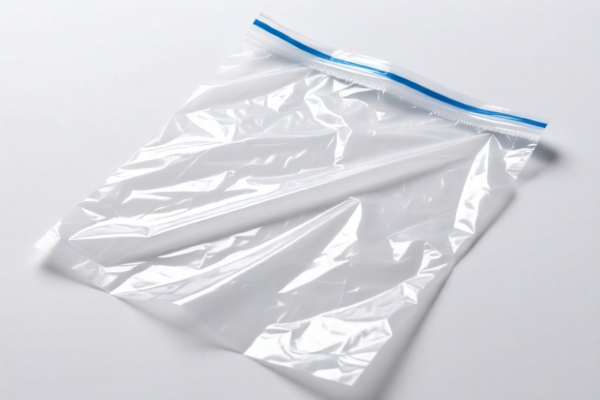

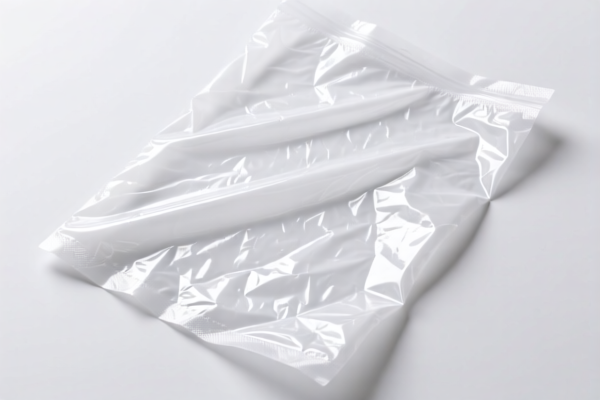
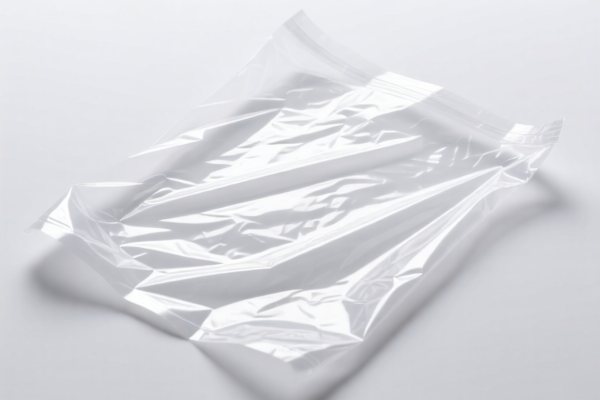
AI Analysis
🧱 Plastic Sheets & Films (Generic Plastic Flat Products)
🌐 HS Code Reference & Customs Clearance Guide | 2026 Latest Tariff Breakdown | Professional Entry Strategy
📌 I. Product Definition & Classification: What Exactly Are We Importing?
Plastic sheets, plates, films, foil, and strips are ubiquitous industrial materials. In international trade, they are primarily categorized under Chapter 39 (Plastics and Articles Thereof). However, the specific HS Code depends heavily on two factors: 1. Material Composition: Is it a specific polymer (e.g., Polyethylene, Polypropylene) or "Other Plastics"? 2. Shape/Processing: Are they self-adhesive (Chapter 39.19), plain sheets (Chapter 39.21), or other shaped articles (Chapter 39.26)?
⚠️ Critical Distinction:
- If the item is self-adhesive (has an adhesive backing, like tape or stickers): It falls under Chapter 39.19.
- If the item is a plain sheet/plate/film without adhesive: It falls under Chapter 39.21 (if it’s a composite or processed plastic sheet) or Chapter 39.26 (if it’s cut into other shapes like thin sheets for industrial use, depending on specific national interpretations).
- Note on HS 3921901100: The user input mentions3921901100. This is a 10-digit code structure often used in countries like India or for specific US subcategories. However, the DATA provided lists US HTS codes (10-digit) such as3919.90.50.60and3921.13.11.00. We must map the generic "Plastic Sheet" to the specific codes in the based on the material and form.
📦 II. HS Code Classification Matrix (Based on Provided DATA)
The following table maps the generic "Plastic Sheet" to the specific HS Codes provided in your data, based on the Summary logic provided.
| HS Code | Category | Summary & Logic for Classification | Total Tax Rate |
|---|---|---|---|
| 3919.90.50.60 | Self-Adhesive Plastics | Material/Form Match: Plastic material, sheet/film form. Matches classification explanation for self-adhesive plastics. | 40.8% |
| 3921.13.11.00 | Plastic Sheets/Films (Specific Polymer) | Name/Desc Match: Product name explicitly includes material & form. Fully matches classification requirements for plastic sheets. | 39.2% |
| 3919.10.20.55 | Self-Adhesive Plastics (Rolls/Wide) | Form Match: Plastic material, sheet/film form. Fits Chapter 3919 features for plastic flat shapes. | 40.8% |
| 3921.13.15.00 | Plastic Sheets/Plates/Films (Specific) | Form/Material Match: Shape (plate/sheet/film) and Material (plastic) highly consistent with target code’s plastic category. | 41.5% |
| 3921.19.00.90 | Other Plastic Plates/Sheets/Films | Material/Shape Match: Plastic sheet. Fits "Plastic-made" material and "Sheet/Film" shape requirements. | 41.5% |
| 3926.90.94.00 | Other Plastic Articles (Thin Sheets) | Material Match: Plastic material, thin sheet form. No material conflict. Classified as "Other plastic articles" due to specific cut/shape. | 35.0% |
🔍 Key Insight:
- Codes starting with 3919 are for Self-Adhesive plastics. If your sheet has glue/backing, use these.
- Codes starting with 3921 are for Non-Adhesive plastic plates, sheets, film, foil, and strip.
- Code 3926.90.94.00 is a "catch-all" for other plastic articles that don’t fit 3921, often used for specific industrial thin sheets or cut shapes.
💰 III. 2026 Latest Tariff Rate Breakdown (USA Import)
✅ Applicable Country: United States (US)
✅ Origin: China (CN)
✅ Effective Time: 2025/2026 Import Cycles
All codes below are subject to the Section 301 (25%) and Section 122 (10%) tariffs for Chinese-origin goods.
🎯 1. 3919.90.50.60 & 3919.10.20.55 (Self-Adhesive Plastics)
| Item | Details |
|---|---|
| Product | Self-adhesive plastic sheets/films |
| Base Duty (MFN) | 5.8% |
| Section 301 Tariff | +25.0% |
| Section 122 Tariff | +10.0% |
| Total Effective Rate | 40.8% |
| Calculation | CIF Value × 40.8% |
| Legal Path | USITC:3919 → Footnote 9903.88.01 (Section 301) → IEEPA:9903.01.25 (Section 122) |
📌 Note: These codes are significantly more expensive due to the base duty of 5.8%. They apply if the product is self-adhesive.
🎯 2. 3921.13.11.00 (Specific Plastic Sheets/Films)
| Item | Details |
|---|---|
| Product | Plastic sheets/films (Specific polymer type implied by .11) |
| Base Duty (MFN) | 4.2% |
| Section 301 Tariff | +25.0% |
| Section 122 Tariff | +10.0% |
| Total Effective Rate | 39.2% |
| Calculation | CIF Value × 39.2% |
| Legal Path | USITC:3921.13 → Footnote 9903.88.01 → IEEPA:9903.01.25 |
📌 Note: This is the lowest cost option among the "3921" group, offering a 1.6% savings over the 40.8% codes.
🎯 3. 3921.13.15.00 & 3921.19.00.90 (Other Plastic Sheets)
| Item | Details |
|---|---|
| Product | Plastic sheets/plates/films (General or Other) |
| Base Duty (MFN) | 6.5% |
| Section 301 Tariff | +25.0% |
| Section 122 Tariff | +10.0% |
| Total Effective Rate | 41.5% |
| Calculation | CIF Value × 41.5% |
| Legal Path | USITC:3921.13/19 → Footnote 9903.88.01 → IEEPA:9903.01.25 |
📌 Note: These have the highest base duty (6.5%), leading to the highest total tax burden. Avoid if a more specific code (like 3921.13.11.00) applies.
🎯 4. 3926.90.94.00 (Other Plastic Articles)
| Item | Details |
|---|---|
| Product | Other plastic articles (Thin sheets) |
| Base Duty (MFN) | 0.0% |
| Section 301 Tariff | +25.0% |
| Section 122 Tariff | +10.0% |
| Total Effective Rate | 35.0% |
| Calculation | CIF Value × 35.0% |
| Legal Path | USITC:3926.90.94 → Footnote 9903.88.01 → IEEPA:9903.01.25 |
📌 ⚠️ Critical Warning: While this code has the lowest total tax (35.0%), it is risky.
- Risk: Customs may argue that a simple "plastic sheet" belongs in Chapter 39.21, not 39.26.
- Misclassification Penalty: If deemed a 3921 sheet, you owe the difference + penalties.
- Use Case: Only use if the sheet is cut into specific non-standard shapes or is not a standard plate/sheet/film.
🛠️ IV. Customs Clearance Practical Advice
✅ 1. Documentation Checklist (Mandatory)
| Document | Required? | Description |
|---|---|---|
| ✅ Product Specification | ✔️ | Must specify Polymer Type (e.g., PP, PE, PVC) to determine 3921.13 vs 3921.19. |
| ✅ Commercial Invoice | ✔️ | Clearly state "Plastic Sheet/Film," NOT "Adhesive Tape" if using 3921 codes. |
| ✅ HS Code Justification | ✔️ | Explain why it fits the specific subheading (e.g., "Non-adhesive, rolled plastic film"). |
| ✅ Certificate of Origin | ✔️ | To confirm Chinese origin for tariff calculation. |
| ✅ Photos | ✔️ | Show product, roll/core, and any labels. If it’s self-adhesive, show the backing paper. |
✅ 2. Classification Strategy (Do This!)
| Scenario | Recommended HS Code | Tax Rate | Why? |
|---|---|---|---|
| Self-Adhesive Sheet (Has glue) | 3919.90.50.60 or 3919.10.20.55 |
40.8% | Must be 3919 if adhesive. |
| Plain Plastic Sheet (Common Polymers) | 3921.13.11.00 |
39.2% | Best balance of specificity and low base duty. |
| Plain Plastic Sheet (Other/Unknown Polymer) | 3921.19.00.90 |
41.5% | Higher base duty, safer if polymer is unclear. |
| Cut/Non-Standard Shape | 3926.90.94.00 |
35.0% | Lowest tax, but high audit risk. Only if not a standard sheet. |
✅ 3. Common Mistakes to Avoid
❌ Mistake 1: Calling a self-adhesive sheet "Plastic Sheet" to use a 3921 code.
👉 Result: Customs will reclassify to 3919, assess 40.8% + penalties.
❌ Mistake 2: Using 3926.90.94.00 for a standard plastic sheet.
👉 Result: Customs may argue it belongs in 3921, leading to back taxes of up to $5.50 per unit (difference between 35% and 40.8%).
❌ Mistake 3: Ignoring Section 122 Tariff.
👉 Result: Forgetting the 10% adds up. All these codes include it.
🌍 V. Global Market Comparison (2026)
| Market | HS Code Range | Est. Total Tax (China Origin) | Notes |
|---|---|---|---|
| 🇺🇸 USA | 3919/3921/3926 | 35.0% – 41.5% | High tariffs (301 + 122) dominate. |
| 🇪🇺 EU | 3921/3919 | ~5% – 6.5% | No Section 301/122 equivalent. VAT applies separately. |
| 🇨🇳 China | 3921 | ~5% – 13% | Import duty for Chinese imports back into China is lower. |
📌 Conclusion:
- USA imports are expensive due to trade wars.
- Cost Optimization: If you can prove the product fits3921.13.11.00(specific polymer), you save 1.6% compared to generic 3919/3921.19 codes.
- Risk vs. Reward: The 35% rate for3926.90.94.00is attractive but requires strong justification that the item is not a standard sheet.
📌 VI. Final Recommendation
- Identify Material: Is it self-adhesive?
- Yes → Use 3919.90.50.60 (40.8%).
- No → Go to Step 2.
- Identify Form: Is it a standard sheet/plate/film?
- Yes → Use 3921.13.11.00 if polymer is known (39.2%). Otherwise, 3921.19.00.90 (41.5%).
- No (Cut/Unique) → Consider 3926.90.94.00 (35.0%) but prepare for audit defense.
- Document Everything: Provide clear specs to avoid reclassification.
💡 Pro Tip:
"Specific is Better, Cheaper is Risky."
Choosing3921.13.11.00(39.2%) is safer than3926.90.94.00(35.0%) unless you have a compelling reason for the latter. The 4.2% difference is worth the compliance certainty.
✨ Professional Customs Clearance Starts with Precise Classification!
💼 Calculate your true landed cost before shipping!
Customer Reviews
About HS Code Classification
The Harmonized System (HS) is an internationally standardized nomenclature developed by the World Customs Organization (WCO) to classify traded products. Over 200 countries use the HS system as the basis for customs tariffs, trade statistics, and import/export regulations.
Each HS code follows a hierarchical structure:
- Chapter (2 digits) — Broad category of goods (e.g., Chapter 84: Machinery and Mechanical Appliances)
- Heading (4 digits) — More specific grouping within the chapter
- Subheading (6 digits) — Internationally standardized breakdown, used by all WCO member countries
- National subdivisions (8-10 digits) — Country-specific extensions for further classification, such as US HTSUS 10-digit codes
Correct HS code classification is essential for smooth customs clearance, accurate duty payment, and compliance with trade regulations. Misclassification can lead to customs delays, overpayment of duties, or penalties.
When importing from CN to US, the applicable tariff rates may include:
- Most-Favored-Nation (MFN) rate — The standard duty rate applied to WTO members
- General rate — Applied to countries without trade agreements
- Trade remedy duties — Additional tariffs such as Section 301 (anti-dumping), Section 232 (national security), or countervailing duties
The information provided on this page is for reference purposes only. For official classification, please consult with your local customs authority or a licensed customs broker.