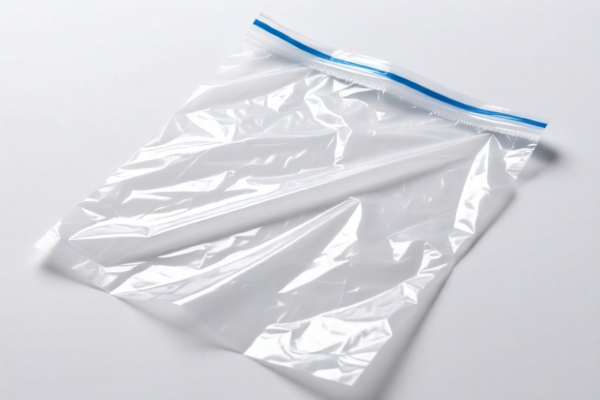
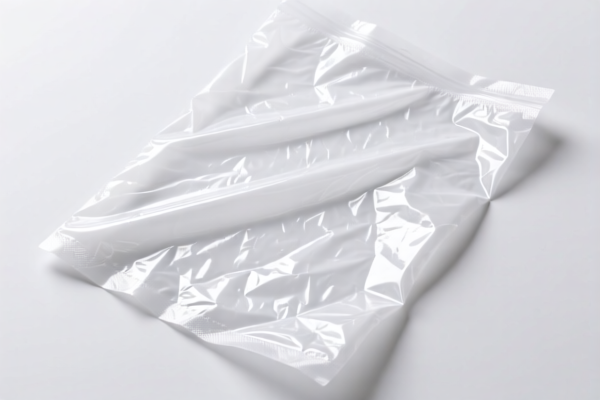
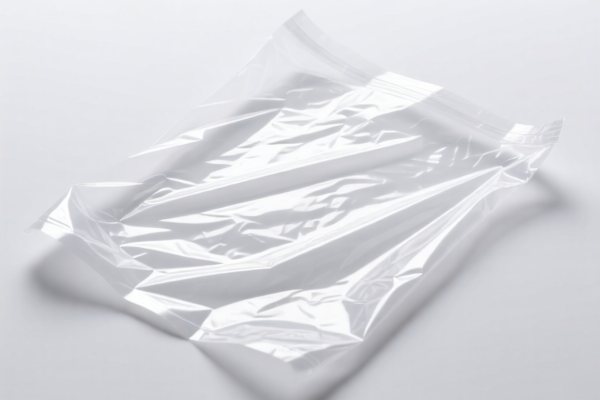
Plastic Sheet Die Cut
CN → US| HS Code | Tariff Rate | Origin | Destination | Doc |
|---|---|---|---|---|
| 3923900080 | 38.0% | CN | US | Official Doc |
| 3923109000 | 38.0% | CN | US | Official Doc |
| 3926909989 | 22.8% | CN | US | Official Doc |
| 3921190090 | 41.5% | CN | US | Official Doc |
| 3921905050 | 39.8% | CN | US | Official Doc |
Product Images

AI Analysis
🎛️ Plastic Sheet Die Cut (Precision Cut Plastic Components)
🌐 HS Code Reference & Customs Clearance Guide | 2026 Latest Tariff Analysis | Professional Level Clearance Strategy
📌 1. Product Definition and Classification: Do You Really Understand "Plastic Sheet Die Cut"?
"Plastic Sheet Die Cut" refers to plastic sheets, films, or strips that have been mechanically cut into specific shapes (e.g., gaskets, seals, insulators, protective layers, packaging inserts). In international trade, the classification depends entirely on the final form and whether it is used for packing/conveying goods.
Two Main Categories: 1. Packaging Articles (Chapter 39.23/39.26): If the die-cut parts are lids, caps, stoppers, boxes, or protective packaging materials intended to convey or pack goods. 2. Other Plastic Articles (Chapter 39.21/39.26): If the die-cut parts are industrial components, insulators, gaskets, or simple sheets/films used in manufacturing, not primarily for packing.
⚠️ Key Distinction Point:
- If the die-cut part is a lid, cap, stopper, or packing insert → Go to 3923.90.00.80 or 3923.10.90.00.
- If it is a cellular (foam) plastic sheet for insulation/packing → Go to 3921.19.00.90.
- If it is a solid plastic sheet/film (non-cellular) → Go to 3921.90.50.50 or 3926.90.99.89.
📦 2. HS Code Classification Details (2026 Latest Tariff Authoritative对照)
| HS Code | Product Description | Application Scenario | Tax Rate (Total) | Key Feature |
|---|---|---|---|---|
3923.90.00.80 |
Other articles for conveyance/packing of goods; stoppers, lids, caps, and other closures, of plastics: Other | Die-cut lids, bottle caps, sealing rings, custom packing inserts | 28.0% (Base 3.0% + Add-on 25.0%) |
Packaging-related closures/containers |
3923.10.90.00 |
Articles for conveyance/packing of goods; Boxes, cases, crates and similar articles: Other | Die-cut box inserts, tray liners, custom protective packaging shapes | 28.0% (Base 3.0% + Add-on 25.0%) |
Packaging-related containers/inserts |
3921.19.00.90 |
Other plates, sheets, film, foil, and strip of plastics: Cellular: Of other plastics: Other | Die-cut foam sheets, EVA padding, bubble film inserts, insulation seals | 0.0% (Base 0.0% + Add-on 0.0%) |
Cellular (Foam) Structure – Lowest Tax! |
3921.90.50.50 |
Other plates, sheets, film, foil, and strip of plastics: Other: Other: Other: Other Other | Solid plastic die-cut films, PET sheets, PVC sheets, non-cellular packaging liners | 29.8% (Base 4.8% + Add-on 25.0%) |
Non-cellular Sheet/Film |
3926.90.99.89 |
Other articles of plastics and articles of other materials of headings 3901 to 3914: Other: Other: Other Other | Die-cut industrial parts (gaskets, washers, electrical insulators) not primarily for packing | 12.8% (Base 5.3% + Add-on 7.5%) |
General Plastic Article – Mid-Range Tax |
🔍 Key Reminder:
- Cellular (Foam) Die-Cuts are significantly cheaper to import (0% tax) if they meet the "cellular plastic" definition.
- Solid Plastic Die-Cuts for packaging (3923) are taxed at 28-29.8% due to high add-on tariffs.
- Industrial/Functional Die-Cuts (e.g., electrical insulators) fall under 3926.90.99.89 at 12.8%, which may be cheaper than packaging classifications if not clearly for packing.
💰 3. 2026 Latest Tariff Rate Details (Including Surtaxes & Policy Add-ons)
✅ Applicable Country: United States (US)
✅ Origin: China (CN)
✅ Effective Date: From 2025/11/10 (for subsequent imports)
🎯 1. 3923.90.00.80 & 3923.10.90.00 – Packaging-Related Plastic Articles
| Item | Content |
|---|---|
| Base Tariff | 3.0% (ad valorem) |
| USITC Surtax (Section 301) | +25.0% |
| IEEPA Surtax | No additional IEEPA surtax mentioned in data (Total is 28.0%) |
| Total Tariff | 28.0% |
| Tax Calculation | CIF Value × 28.0% |
| De Minimis Eligibility | ❌ Not Eligible (High tax rate excludes de minimis exemption for Section 301 goods) |
| Legal Basis Path | USITC:3923.90.00.80 → FOOTNOTE:3923.90.00.80 (25% surcharge applies) |
📌 Explanation:
- The 3.0% is the standard Most Favored Nation (MFN) rate for plastic packaging articles.
- The 25.0% is the Section 301 surtax applied to Chinese-origin plastic packaging goods.
- Total 28% is a significant cost burden for packaging suppliers.
🎯 2. 3921.19.00.90 – Cellular (Foam) Plastic Sheets
| Item | Content |
|---|---|
| Base Tariff | 0.0% |
| USITC Surtax | 0.0% |
| IEEPA Surtax | 0.0% |
| Total Tariff | 0.0% |
| Tax Calculation | CIF Value × 0% |
| De Minimis Eligibility | ✅ Eligible (Low tax rate may allow de minimis entry under $800) |
| Legal Basis Path | USITC:3921.19.00.90 → No surtax footnote |
📌 Note:
- This is the most tax-efficient classification for die-cut plastics.
- Ensure the product is genuinely cellular (foam-like). If it’s solid plastic disguised as foam, customs may reclassify it.
🎯 3. 3921.90.50.50 – Other Plastic Sheets/Films (Non-Cellular)
| Item | Content |
|---|---|
| Base Tariff | 4.8% |
| USITC Surtax | +25.0% |
| IEEPA Surtax | No additional IEEPA surtax mentioned in data (Total is 29.8%) |
| Total Tariff | 29.8% |
| Tax Calculation | CIF Value × 29.8% |
| De Minimis Eligibility | ❌ Not Eligible |
| Legal Basis Path | USITC:3921.90.50.50 → FOOTNOTE:3921.90.50.50 (25% surcharge applies) |
📌 Note:
- Higher base tariff (4.8%) than packaging articles.
- Same 25% Section 301 surtax applies.
- Most expensive category for solid plastic sheets.
🎯 4. 3926.90.99.89 – Other Plastic Articles (Industrial/Functional)
| Item | Content |
|---|---|
| Base Tariff | 5.3% |
| USITC Surtax | +7.5% |
| IEEPA Surtax | No additional IEEPA surtax mentioned in data (Total is 12.8%) |
| Total Tariff | 12.8% |
| Tax Calculation | CIF Value × 12.8% |
| De Minimis Eligibility | ❌ Not Eligible (Section 301 applies) |
| Legal Basis Path | USITC:3926.90.99.89 → FOOTNOTE:3926.90.99.89 (7.5% surcharge applies) |
📌 Note:
- Lowest tax rate among solid plastic articles (12.8%).
- Ideal for industrial die-cuts (gaskets, insulators) that are not primarily for packaging.
- Strategy: If your die-cut part can be argued as an "industrial component" rather than "packaging," use this code to save ~15-17% in taxes.
🛠️ 4. Customs Clearance Practical Advice (Real-World Pitfall Guide)
✅ 1. Document Checklist (Must-Have)
| Document | Must Provide | Description |
|---|---|---|
| ✅ Product Specifications | ✔️ | Material (PE, PP, PVC, Foam, etc.), Thickness, Hardness, Cellular/Solid |
| ✅ Technical Drawing | ✔️ | Show die-cut shape, dimensions, and tolerance |
| ✅ Product Photos | ✔️ | Clear images of front, back, cross-section (to prove cellular vs. solid) |
| ✅ Material Safety Data Sheet (MSDS) | ✔️ | Required for plastic polymers |
| ✅ Commercial Invoice | ✔️ | Clearly state: "Die-cut plastic [material] for [use: packaging/industrial]" |
| ✅ Packing List | ✔️ | Itemize weights and quantities |
✅ 2. Declaration Tips (Key Mantras)
🔥 "Foam is Free, Solid is Heavy, Packaging is 28%, Industrial is 12.8%!"
| Scenario | Correct Declaration | Wrong Practice |
|---|---|---|
| Die-cut Foam Pad | 3921.19.00.90 |
Misdeclare as solid sheet → 29.8% |
| Die-cut Plastic Lid | 3923.90.00.80 |
Misdeclare as general article → Risk of penalty |
| Die-cut Gasket (Industrial) | 3926.90.99.89 |
Misdeclare as packaging → 28% vs 12.8% |
| Die-cut PET Film | 3921.90.50.50 |
Correct, but expect 29.8% |
📌 Strategy Tip:
- If your product is a gasket, seal, or insulator, try to classify under 3926.90.99.89 (12.8%) instead of 3923 (28%). Emphasize its functional/industrial use in the invoice description.
- If your product is foam, ensure the cross-section shows cellular structure to qualify for 0% tax.
✅ 3. Special Case Handling
| Scenario | Handling Advice |
|---|---|
| Mixed Materials | If die-cut includes adhesive or metal, classify by predominant material (plastic) but declare accessories separately. |
| Custom Shape for Specific Product | If it only fits one product (e.g., a TV box insert), it’s 3923.10.90.00 (28%). Cannot argue as general packaging. |
| Foam with Plastic Skin | If it’s a laminated foam, check if the foam is the essential character. If yes, 3921.19.00.90 (0%). |
| Small Samples | Under $800, if total tax < threshold, may enter via de minimis, but 3921/3923 have high rates → Check de minimis rules carefully. |
🌍 5. Global Market Comparison (2026 Latest)
| Country/Region | Recommended HS Code | Tariff Rate | Certification Requirement | Notes |
|---|---|---|---|---|
| 🇺🇸 USA | 3921.19.00.90 |
0.0% | None | Best for foam; Solid plastics high tax |
| 🇺🇸 USA | 3926.90.99.89 |
12.8% | None | Best for industrial parts |
| 🇨🇳 China | 3926.90.99.89 |
5.3% | None | No add-on tariffs |
| 🇪🇺 EU | 3926.90.99.89 |
0-6.5% | REACH, RoHS | No Section 301 surtax |
| 🇯🇵 Japan | 3926.90.99.89 |
5.0-6.0% | JIS, PSE (if electrical) | No Section 301 surtax |
📌 Conclusion:
- USA has the highest tariffs for plastic packaging and solid sheets (25% add-on).
- Foam plastic (3921.19.00.90) is the only 0% tariff item for die-cuts in the US.
- For non-packaging industrial parts, 3926.90.99.89 (12.8%) is the best balance in the US.
📌 6. Common Mistakes & Pitfall Guide (Lessons Learned)
❌ Mistake 1: Declaring foam die-cuts as "plastic sheets"
👉 Consequence: Tax jumps from 0% to 29.8% → Huge cost increase!
❌ Mistake 2: Declaring industrial gaskets as "packaging articles"
👉 Consequence: Tax jumps from 12.8% to 28.0% → Overpaid by 15.2%
❌ Mistake 3: Not providing cross-section photos for foam claims
👉 Consequence: Customs rejects foam classification → Re-classified as solid plastic → 29.8% tax
❌ Mistake 4: Using vague descriptions like "plastic pieces"
👉 Consequence: Customs delays inspection → Demurrage charges and delays
✅ Correct Practice:
"Die-cut PVC gasket, 2mm thick, for industrial machinery sealing, not for packaging. HS Code: 3926.90.99.89"
OR
"Die-cut EVA foam sheet, cellular structure, for cushioning, HS Code: 3921.19.00.90"
🎯 7. Conclusion: Professional Declaration, Save Money, Avoid Risks!
🎯 Remember the Mantra:
🔹 "Foam is 0%, Industrial is 12.8%, Packaging is 28%, Solid Sheet is 29.8%!"
🔹 "HS Code is Life, Tax Rate is Cost, Declaration is Key, Misclassification is Disaster!"
📌 Pro Tip:
If your die-cut parts are exported to Vietnam, Mexico, or Thailand, you may avoid US Section 301 surtaxes. Consider supply chain diversification if shipping to the US.
Apply for a Pre-Ruling (Advance Ruling) from US CBP if your product is borderline between packaging and industrial use.
📣 Immediate Action:
📞 Contact a professional customs broker + Provide product photos + Apply for HS Code Pre-Ruling
🚀 Let your plastic die-cuts clear customs smoothly, reduce costs, and boost profits!
✨ Professional Clearance Starts with Accurate Classification!
💼 Every cent of your cost deserves precise calculation!
Customer Reviews
About HS Code Classification
The Harmonized System (HS) is an internationally standardized nomenclature developed by the World Customs Organization (WCO) to classify traded products. Over 200 countries use the HS system as the basis for customs tariffs, trade statistics, and import/export regulations.
Each HS code follows a hierarchical structure:
- Chapter (2 digits) — Broad category of goods (e.g., Chapter 84: Machinery and Mechanical Appliances)
- Heading (4 digits) — More specific grouping within the chapter
- Subheading (6 digits) — Internationally standardized breakdown, used by all WCO member countries
- National subdivisions (8-10 digits) — Country-specific extensions for further classification, such as US HTSUS 10-digit codes
Correct HS code classification is essential for smooth customs clearance, accurate duty payment, and compliance with trade regulations. Misclassification can lead to customs delays, overpayment of duties, or penalties.
When importing from CN to US, the applicable tariff rates may include:
- Most-Favored-Nation (MFN) rate — The standard duty rate applied to WTO members
- General rate — Applied to countries without trade agreements
- Trade remedy duties — Additional tariffs such as Section 301 (anti-dumping), Section 232 (national security), or countervailing duties
The information provided on this page is for reference purposes only. For official classification, please consult with your local customs authority or a licensed customs broker.