Plastic Sheets
CN → US| HS Code | Tariff Rate | Origin | Destination | Doc |
|---|---|---|---|---|
| 3920435000 | 39.2% | CN | US | Official Doc |
| 3919905060 | 40.8% | CN | US | Official Doc |
| 3920490000 | 40.8% | CN | US | Official Doc |
| 3919905040 | 40.8% | CN | US | Official Doc |
| 3904100000 | 41.5% | CN | US | Official Doc |
Product Images
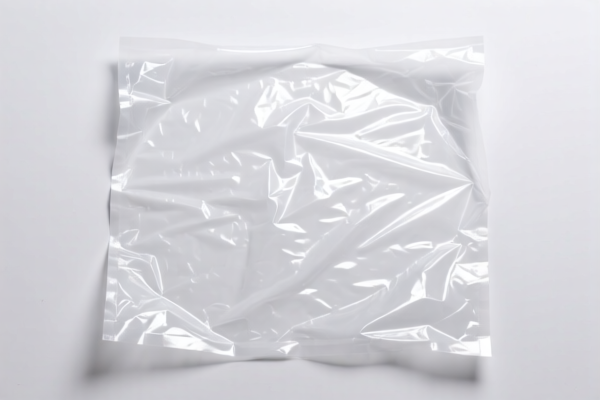
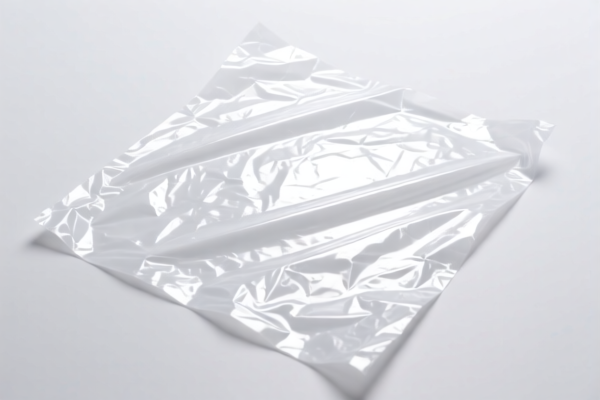
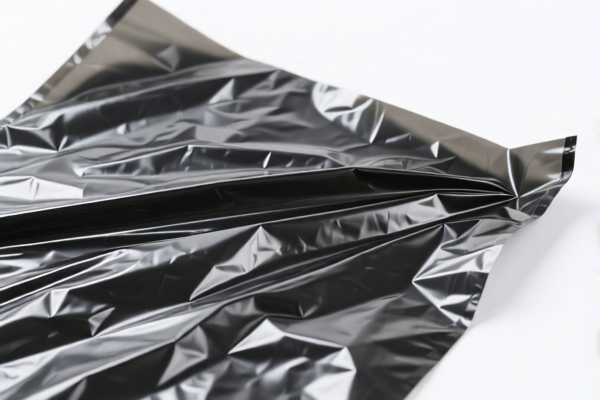
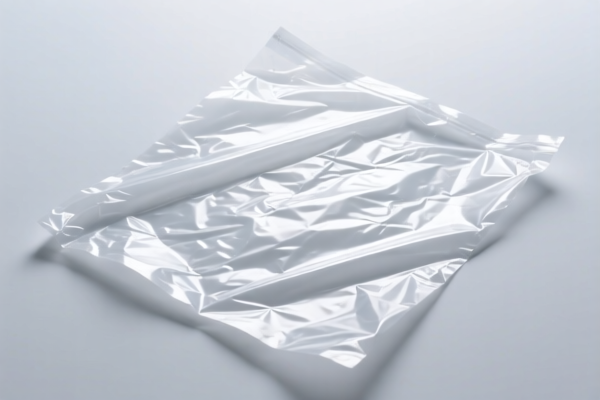
AI Analysis
🧱 PVC Plastic Sheets: The Ultimate Classification & Customs Clearance Guide
🌐 HS Code Reference & Customs Strategy | 2024/2025 Latest Tariff Analysis | Professional Clearance Tactics
📌 Part 1: Product Definition & Classification — Do You Really Know "Plastic Sheets"?
"PVC Plastic Sheets" (Polyvinyl Chloride) are ubiquitous in construction, signage, packaging, and industrial manufacturing. However, in international trade, not all PVC sheets are created equal. Their classification depends strictly on two factors:
1. State of Processing: Are they raw polymer resin (primary form) or processed into plates/films?
2. Surface Treatment: Are they self-adhesive? Or just plain plates/films?
⚠️ Critical Distinction:
- If it is raw PVC resin in bulk or primary shapes → Chapter 3904
- If it is a finished plate/film (not self-adhesive) → Chapter 3920
- If it is self-adhesive (sticky back) → Chapter 3919
📦 Part 2: HS Code Classification Details (Based on Provided Data)
Based on the specific data provided in your query, here are the 5 distinct HS Codes for PVC Plastic Sheets, categorized by their physical state and usage:
| HS Code | Product Description (Summary) | Physical State & Key Feature |
|---|---|---|
3904.10.00.00 |
PVC Resin (Primary Form) | Raw polymer; not yet formed into final plates/films. Fits "Vinyl Polymer" definition. |
3920.43.50.00 |
PVC Plates/Films (Specific Type) | Non-adhesive PVC sheet. Fits "Vinyl Polymer Plates/Films". Lowest base tariff. |
3920.49.00.00 |
Other PVC Plates/Films | Vinyl polymer sheets (other than those in 3920.43). General PVC sheet. |
3919.90.50.40 |
Self-Adhesive PVC Sheets | Sticky back! Classified as "Flat-shaped plastic products" with adhesive properties. |
3919.90.50.60 |
Self-Adhesive PVC Rolls/Films | Sticky back! Specifically "Self-adhesive plates, sheets, film, tape." |
🔍 Key Insight:
-3904is for raw material.
-3920is for hard/soft sheets (construction, signs, trays).
-3919is for adhesive tapes/sheets (stickers, masking tapes, sticky backs).
- Mistake Alert: Do not classify self-adhesive PVC as3920. It must be3919.
💰 Part 3: 2024/2025 Tariff Rate Breakdown (USA Market Focus)
✅ Applicable Country: United States (US)
✅ Origin: China (CN)
✅ Context: High tariffs due to Trade War (Section 301) & Section 122.
🎯 1. 3904.10.00.00 — PVC Resin (Primary Form)
The most expensive category due to higher base tariff.
| Item | Detail |
|---|---|
| Base Tariff | 6.5% |
| Section 301 Tariff | +25.0% |
| Section 122 Tariff | +10.0% |
| Total Effective Rate | 41.5% |
| Calculation | CIF Value × 41.5% |
| Legal Basis | HTSUS:3904.10.00.00 + USITC Footnote:301 + IEEPA:Section 122 |
📌 Explanation:
- Raw PVC resin faces the highest base duty (6.5%) because it is a chemical feedstock.
- Total Tax: 41.5%. This is a high-cost item. Importers often look for origin shifts (e.g., Vietnam/Malaysia) if possible.
🎯 2. 3920.43.50.00 — Non-Adhesive PVC Sheets (Specific Type)
Best tariff option for standard non-sticky PVC sheets.
| Item | Detail |
|---|---|
| Base Tariff | 4.2% |
| Section 301 Tariff | +25.0% |
| Section 122 Tariff | +10.0% |
| Total Effective Rate | 39.2% |
| Calculation | CIF Value × 39.2% |
| Legal Basis | HTSUS:3920.43.50.00 + USITC Footnote:301 + IEEPA:Section 122 |
📌 Explanation:
- Lowest total tax (39.2%) among all options.
- Suitable for clear PVC sheets, rigid PVC boards, non-adhesive films.
- Must NOT be self-adhesive. If it has a sticky backing, this code is incorrect.
🎯 3. 3920.49.00.00 — Other Vinyl Polymer Plates/Films
General PVC sheets (non-adhesive, non-specific type).
| Item | Detail |
|---|---|
| Base Tariff | 5.8% |
| Section 301 Tariff | +25.0% |
| Section 122 Tariff | +10.0% |
| Total Effective Rate | 40.8% |
| Calculation | CIF Value × 40.8% |
| Legal Basis | HTSUS:3920.49.00.00 + USITC Footnote:301 + IEEPA:Section 122 |
📌 Explanation:
- Use this if the product does not fit the specific description of3920.43.
- Common for generic PVC sheets used in construction or packaging.
- Tax: 40.8%. Slightly higher than3920.43.
🎯 4. 3919.90.50.40 & 3919.90.50.60 — Self-Adhesive PVC Sheets
High tariff category due to adhesive nature.
| Item | Detail |
|---|---|
| Base Tariff | 5.8% |
| Section 301 Tariff | +25.0% |
| Section 122 Tariff | +10.0% |
| Total Effective Rate | 40.8% |
| Calculation | CIF Value × 40.8% |
| Legal Basis | HTSUS:3919.90.50.40/60 + USITC Footnote:301 + IEEPA:Section 122 |
📌 Explanation:
- Critical: These codes apply ONLY if the sheet is self-adhesive (has a sticky backing).
- Examples: Vinyl stickers, adhesive backing sheets, masking tapes (PVC-based).
- Do not use for plain PVC boards.
- Tax: 40.8%. Same as general PVC sheets but with stricter documentation requirements (proof of adhesive).
🛠️ Part 4: Customs Clearance Practical Advice (Avoid Pitfalls)
✅ 1. Documentation Checklist (Must-Have)
| Document | Requirement | Purpose |
|---|---|---|
| Commercial Invoice | Must specify "PVC Plastic Sheet" + "HS Code" | Avoids generic descriptions like "Plastic Product" |
| Product Specification | Detail: Thickness, Width, Color, Adhesive Presence? | Crucial for distinguishing 3920 (non-adhesive) vs 3919 (adhesive) |
| Material Safety Data Sheet (MSDS) | Required for chemical polymers | Confirms it is PVC (Vinyl Chloride Polymer) |
| Photos of Product | Show cross-section, labels, and sticky side (if any) | Proves whether it is self-adhesive (3919) or plain (3920) |
| Certificate of Origin | If applicable for other markets | Not useful for US due to 25%+10% tariffs regardless of origin |
✅ 2. Classification Tips (The "Golden Rules")
| Scenario | Correct HS Code | Why? |
|---|---|---|
| Plain PVC Board (e.g., for signages) | 3920.43.50.00 |
Lowest tax (39.2%). Ensure it’s not sticky. |
| Generic PVC Sheet (non-specific) | 3920.49.00.00 |
If it doesn’t fit 3920.43 specs. Tax: 40.8%. |
| PVC Sheet with Sticky Back | 3919.90.50.40 or .60 |
Must declare as self-adhesive. Tax: 40.8%. |
| Raw PVC Pellets/Resin | 3904.10.00.00 |
Only for unprocessed polymer. Tax: 41.5%. |
🔥 Common Mistake:
❌ Declaring self-adhesive PVC sheets as3920.43.50.00to save taxes.
✅ Consequence: Customs may reclassify, impose penalties, and delay clearance. Always declare adhesive status.
✅ 3. Special Notes on Section 122 & Section 301
- Section 301 (25%): Applies to all PVC plastics from China. No exemption for most PVC sheets.
- Section 122 (10%): Additional tariff on certain Chinese goods. Applies to these HS codes.
- Total Burden: Importers face 39.2%–41.5% in tariffs alone.
- Mitigation Strategy:
- Consider origin shifting to Vietnam, Thailand, or Mexico (if eligible for lower tariffs).
- Apply for Exclusions if available (check USTR exclusion lists periodically).
- Use Bonded Warehouses to defer duty payments until final sale.
🌍 Part 5: Global Comparison (Quick Reference)
| Market | HS Code | Base Tariff | Additional Tariffs | Total Estimate |
|---|---|---|---|---|
| 🇺🇸 USA | 3920.43.50.00 |
4.2% | +25% (301) +10% (122) | 39.2% |
| 🇨🇳 China | 3920.43.50.00 |
6.5% | None | 6.5% |
| 🇪🇺 EU | 3920.43.50.00 |
~6% | None (if non-adhesive) | ~6% |
| 🇬🇧 UK | 3920.43.50.00 |
~6% | None | ~6% |
📌 Conclusion:
- USA is the most expensive market for PVC sheets due to trade war tariffs.
- EU/UK/China offer significantly lower duties.
- If your final market is the US, cost analysis must include 40%+ duty.
📌 Part 6: Common Errors & Avoidance Guide
❌ Error 1: Using "Plastic Sheet" as a generic description.
👉 Fix: Specify "Polyvinyl Chloride (PVC) Sheet" + "Adhesive: Yes/No".
❌ Error 2: Confusing 3920 (Non-Adhesive) with 3919 (Adhesive).
👉 Fix: Check if the sheet has a sticky backing. If yes → 3919. If no → 3920.
❌ Error 3: Misclassifying raw resin as finished sheets.
👉 Fix: If it’s pellets/granules → 3904. If it’s a flat sheet → 3920 or 3919.
✅ Correct Declaration Example:
"PVC Plastic Sheets, Non-Adhesive, Rigid, for Construction Use, Model XYZ, Origin: China, HS Code: 3920.43.50.00"
🎯 Part 7: Conclusion — Maximize Profit, Minimize Risk
🎯 Key Takeaways:
🔹 Lowest Tax (39.2%): Non-adhesive PVC sheets (
3920.43.50.00).
🔹 Highest Tax (41.5%): Raw PVC resin (3904.10.00.00).
🔹 Adhesive Sheets (40.8%): Must declare as self-adhesive (3919).
🔹 USA Tariff Burden: ~40% total. Plan pricing accordingly.
📌 Pro Tip:
If you are importing large volumes to the US, apply for an Advance Ruling from CBP (Customs and Border Protection) to confirm the HS Code before shipment. This avoids costly reclassification penalties.
📣 Immediate Action:
📞 Consult a Customs Broker: Verify if your specific PVC sheet qualifies for
3920.43.50.00(lowest tax).
🚀 Optimize Supply Chain: Consider non-China origins if possible to bypass Section 301 & 122 tariffs.
✨ Accurate Classification is the Key to Customs Efficiency!
💼 Every percentage point of duty saves your margin!
Customer Reviews
About HS Code Classification
The Harmonized System (HS) is an internationally standardized nomenclature developed by the World Customs Organization (WCO) to classify traded products. Over 200 countries use the HS system as the basis for customs tariffs, trade statistics, and import/export regulations.
Each HS code follows a hierarchical structure:
- Chapter (2 digits) — Broad category of goods (e.g., Chapter 84: Machinery and Mechanical Appliances)
- Heading (4 digits) — More specific grouping within the chapter
- Subheading (6 digits) — Internationally standardized breakdown, used by all WCO member countries
- National subdivisions (8-10 digits) — Country-specific extensions for further classification, such as US HTSUS 10-digit codes
Correct HS code classification is essential for smooth customs clearance, accurate duty payment, and compliance with trade regulations. Misclassification can lead to customs delays, overpayment of duties, or penalties.
When importing from CN to US, the applicable tariff rates may include:
- Most-Favored-Nation (MFN) rate — The standard duty rate applied to WTO members
- General rate — Applied to countries without trade agreements
- Trade remedy duties — Additional tariffs such as Section 301 (anti-dumping), Section 232 (national security), or countervailing duties
The information provided on this page is for reference purposes only. For official classification, please consult with your local customs authority or a licensed customs broker.