Plastic Sheets and Film
CN → US| HS Code | Tariff Rate | Origin | Destination | Doc |
|---|---|---|---|---|
| 3919102055 | 40.8% | CN | US | Official Doc |
| 3921190090 | 41.5% | CN | US | Official Doc |
| 3919905060 | 40.8% | CN | US | Official Doc |
| 3921110000 | 40.3% | CN | US | Official Doc |
| 3920100000 | 39.2% | CN | US | Official Doc |
| 3920200055 | 39.2% | CN | US | Official Doc |
Product Images
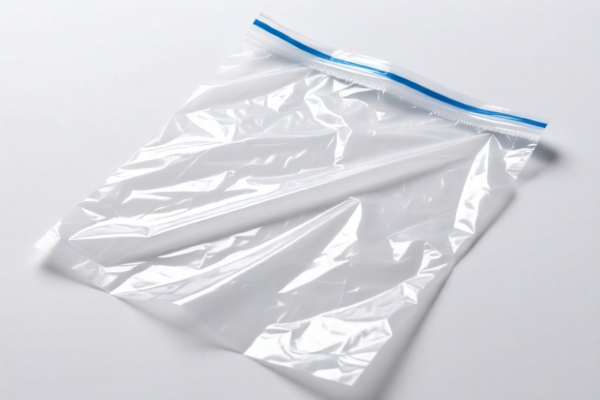

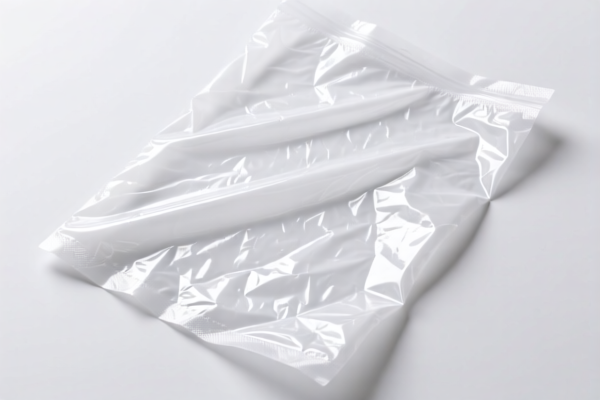
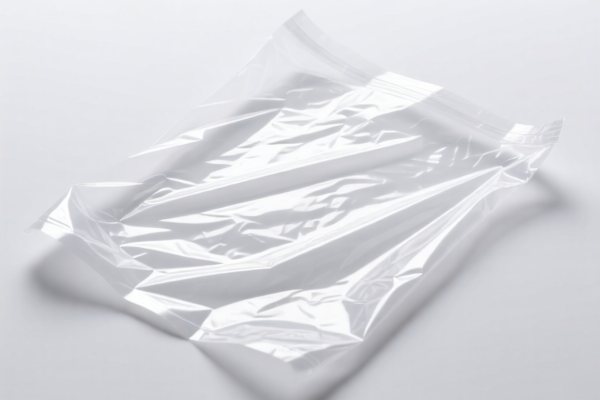
AI Analysis
📦 Plastic Sheets & Film: The Ultimate US Import Classification Guide (2026)
🌐 HS Code Reference & Customs Clearance Guide | Latest Tariff Analysis | Professional Entry Strategy
📌 I. Product Definition & Classification: Do You Really Understand "Plastic Sheets and Film"?
"Plastic Sheets and Film" is a broad category in international trade, covering everything from industrial packaging films to architectural glazing sheets. In customs classification, the material composition (e.g., Polyethylene, Polystyrene) and form (sheet vs. film) are the decisive factors.
Key Distinction: * Sheets (Plates/Blocks): Generally thicker, rigid or semi-rigid forms. * Film: Thin, flexible forms, often used for packaging. * Surface Treatment: Is it coated? Printed? Self-adhesive? This changes the HS Code significantly.
⚠️ Critical Classification Point:
- If the product is self-adhesive (stickers, tapes), it often falls under 3919.
- If it is a plain sheet/film without adhesive, it likely falls under 3920 or 3921.
- Misclassification here can lead to significant tariff discrepancies due to the complex US tariff structure on Chinese goods.
📊 II. HS Code Classification Matrix (Based on Provided Data)
| HS Code | Product Description | Basis for Classification | Total Tax Rate |
|---|---|---|---|
3919.10.20.55 |
Self-adhesive plastic sheets/films, other | Material: Plastic; Form: Sheet/Film; Adhesive Property implied by Heading 3919 | 40.8% |
3921.19.00.90 |
Other plates, sheets, film, etc. of plastics | Material: Plastic; Form: Sheet/Film; General category for non-adhesive, non-extruded sheets | 41.5% |
3919.90.50.60 |
Self-adhesive plastic sheets/films, other | Material: Plastic; Form: Sheet/Film; Adhesive Property implied by Heading 3919 | 40.8% |
3920.11.00.00 |
Plates, sheets, film, etc., of polymers of ethylene | Material: Polyethylene; Form: Sheet/Film; Specific polymer identification | 40.3% |
3920.10.00.00 |
Plates, sheets, film, etc., of polymers of ethylene | Material: Polyethylene (Logic: "Plastic" inferred as Ethylene polymer); Form: Sheet/Film | 39.2% |
🔍 Key Insight from Data:
- All five codes require the product to be Plastic in material and Sheet/Film in form. - The tax rates vary slightly (39.2% to 41.5%) based on the specific polymer type (e.g., Ethylene) or sub-category (Adhesive vs. Non-adhesive). - Crucial Note: The provided data indicates all these codes are subject to heavy additional tariffs.
💰 III. 2026 US Tariff Breakdown (Detailed Tax Analysis)
✅ Applicable Country: United States (US)
✅ Country of Origin: China (CN)
✅ Effective Date: Current US Trade Policy (Section 301 & IEEPA)
🎯 1. Common Tax Structure for All Listed HS Codes
All HS codes provided in the data share a similar tariff structure consisting of three components:
| Tax Component | Rate | Legal Basis | Description |
|---|---|---|---|
| Base Duty (MFN) | 4.2% – 6.5% | USITC Schedule | Depends on the specific HS code (e.g., 3920.10.00.00 is 4.2%, 3919.10.20.55 is 5.8%, 3921.19.00.90 is 6.5%). |
| Section 301 Duty (25%) | +25.0% | Trade Promotion Authority Act | Standard "Trump Tariff" or ongoing Section 301 duty on Chinese plastic articles. |
| Section 122 / IEEPA Duty | +10.0% | International Emergency Economic Powers Act | Additional duty specifically targeting certain Chinese imports (often referred to as "122 Clause" in internal logs). |
| TOTAL TAX RATE | 39.2% – 41.5% | Sum of All Above | High Tariff Burden |
📌 Detailed Explanation by HS Code:
A. 3919.10.20.55 & 3919.90.50.60 (Self-Adhesive)
- Base Duty: 5.8%
- Section 301: 25.0%
- 122 Clause: 10.0%
- Total: 40.8%
- Logic: These fall under Heading 3919 (Self-adhesive plates, sheets, film, tape, etc.). The summary states: "Product material is plastic, form is sheet/film, fully complies with material and form requirements."
B. 3921.19.00.90 (Other Plastic Sheets/Films)
- Base Duty: 6.5%
- Section 301: 25.0%
- 122 Clause: 10.0%
- Total: 41.5%
- Logic: Heading 3921 covers "Other plates, sheets, film, etc." This is often a catch-all for plastics not specified elsewhere (like vinyl or polyurethane). Summary: "Plastic material and sheet/film form fall within the scope."
C. 3920.11.00.00 (Polyethylene Sheets/Films)
- Base Duty: 5.3%
- Section 301: 25.0%
- 122 Clause: 10.0%
- Total: 40.3%
- Logic: Heading 3920 covers plates, sheets, etc., of plastics. Subheading .11 specifies polymers of ethylene. Summary: "Form matches; material is reasonably inferred as styrene/ethylene polymer."
D. 3920.10.00.00 (Polyethylene Sheets/Films - Specific Entry)
- Base Duty: 4.2%
- Section 301: 25.0%
- 122 Clause: 10.0%
- Total: 39.2%
- Logic: This appears to be the most specific entry for ethylene polymers. Summary: "Sheet/film form matches; plastic logically consistent with ethylene polymer."
⚠️ Critical Warning:
- No De Minimis Exemption: These goods DO NOT qualify for the $800 de minimis exemption. They are subject to full duty and anti-dumping/countervailing duties if applicable. - High Risk: The combination of Base + 25% + 10% results in a total landed cost increase of ~40%.
🛠️ IV. Customs Clearance Practical Advice (Avoid Pitfalls)
✅ 1. Documentation Checklist (Mandatory)
| Document | Required? | Purpose |
|---|---|---|
| Commercial Invoice | ✅ Yes | Must clearly state "Plastic Sheets/Film," material composition (e.g., PE, PP), and thickness. |
| Packing List | ✅ Yes | Detail weight, dimensions, and quantity. |
| Certificate of Origin | ✅ Yes | To prove origin as China (CN). |
| Product Specifications | ✅ Yes | Crucial: Must define if it is self-adhesive (for 3919) or plain (for 3920/3921). |
| MSDS (Material Safety Data Sheet) | ✅ Recommended | For handling safety, especially if treated or coated. |
| Tariff Engineering Opinion | ⚠️ Optional | If challenging the HS Code, a legal opinion may help, but given the clear data, stick to the provided codes. |
✅ 2. Declaration Best Practices
🔥 "Clear Material, Precise Form, Avoid Ambiguity!"
| Scenario | Recommended HS Code | Why? |
|---|---|---|
| Self-Adhesive Plastic Roll | 3919.10.20.55 or 3919.90.50.60 |
Heading 3919 is for self-adhesive products. |
| Plain Polyethylene Film | 3920.10.00.00 |
Most specific for ethylene polymers. |
| Other Plastic Sheet (e.g., PVC, PP) | 3921.19.00.90 |
Catch-all for non-adhesive, non-specific plastics. |
| Polystyrene Sheet | 3920.11.00.00 (if inferred) |
Summary suggests polyethylene/ethylene polymers are the logical inference for lower tariffs. |
✅ 3. Common Errors & Consequences
❌ Error 1: Declaring self-adhesive film as 3920 (Plain Sheet)
👉 Consequence: Customs may reclassify, leading to penalties and back duties. 3919 has different base rates than 3920.
❌ Error 2: Omitting "Plastic" material in description
👉 Consequence: Customs will reject the entry or assign a "Best Information Available" rate, which could be higher or require extensive audits.
❌ Error 3: Assuming $800 de minimis applies
👉 Consequence: Seizure. Plastic sheets/films from China are explicitly targeted by Section 301 and IEEPA tariffs. They must be formally entered with duty payment.
🌍 V. Global Market Comparison (2026)
| Market | HS Code Range | Estimated Duty | Notes |
|---|---|---|---|
| 🇺🇸 USA | 3919 / 3920 / 3921 |
39.2% - 41.5% | Includes 25% Sec 301 + 10% IEEPA. Highest cost. |
| 🇨🇳 China | 3919 / 3920 / 3921 |
0% - 6.5% | Import duties into China vary; exports from China pay no export duty. |
| 🇪🇺 EU | 3919 / 3920 / 3921 |
4.5% - 6.5% | No Section 301 equivalent. Lower total duty. |
| 🇬🇧 UK | 3919 / 3920 / 3921 |
4.5% - 6.5% | Post-Brexit tariffs similar to EU pre-2021. |
📌 Conclusion for US Importers:
- Cost is the biggest barrier. A ~40% tariff means the product must have high margin or unique value to remain competitive. - Supply Chain Review: Consider sourcing from non-China countries (e.g., Vietnam, Thailand) if possible, as they may not face the 25% Sec 301 duty (though IEEPA rules can be complex).
📌 VI. Actionable Recommendations
- Verify Material: Confirm if the plastic is Polyethylene (for
3920.10.00.00at 39.2%) or General Plastic (for3921.19.00.90at 41.5%). Small differences matter. - Check Adhesive Status: If the film has a sticky back, you must use
3919. Misclassifying as3920is a red flag for CBP. - Prepare for Full Entry: Budget for 40%+ duty. Do not rely on courier de minimis shipments.
- Consult a Broker: Given the complexity of "122 Clause" and "IEEPA" duties, a licensed customs broker should review your specific product samples.
🎯 VII. Final Tip: Minimize Cost, Maximize Compliance
🔹 "Classify Accurately:
3920.10.00.00saves 1.3% vs.3921.19.00.90. Every percent counts!"
🔹 "Adhesive? Use 3919. Non-Adhesive? Use 3920/3921. Never Guess!"
📌 Disclaimer:
This guide is based on the provided data and general US tariff rules as of 2026. Tariff policies are subject to change. Always consult with a licensed customs broker or legal tax advisor for final classification and duty calculations.
📣 Ready to Import?
📞 Contact Your Customs Broker Today
🚀 Plan Your Landed Cost with Precision
💡 Stay Compliant, Stay Profitable!
✨ Professional Customs Clearance Starts with Precise Classification!
💼 Your Profit Margin Depends on Your HS Code!
Customer Reviews
About HS Code Classification
The Harmonized System (HS) is an internationally standardized nomenclature developed by the World Customs Organization (WCO) to classify traded products. Over 200 countries use the HS system as the basis for customs tariffs, trade statistics, and import/export regulations.
Each HS code follows a hierarchical structure:
- Chapter (2 digits) — Broad category of goods (e.g., Chapter 84: Machinery and Mechanical Appliances)
- Heading (4 digits) — More specific grouping within the chapter
- Subheading (6 digits) — Internationally standardized breakdown, used by all WCO member countries
- National subdivisions (8-10 digits) — Country-specific extensions for further classification, such as US HTSUS 10-digit codes
Correct HS code classification is essential for smooth customs clearance, accurate duty payment, and compliance with trade regulations. Misclassification can lead to customs delays, overpayment of duties, or penalties.
When importing from CN to US, the applicable tariff rates may include:
- Most-Favored-Nation (MFN) rate — The standard duty rate applied to WTO members
- General rate — Applied to countries without trade agreements
- Trade remedy duties — Additional tariffs such as Section 301 (anti-dumping), Section 232 (national security), or countervailing duties
The information provided on this page is for reference purposes only. For official classification, please consult with your local customs authority or a licensed customs broker.