Plastic Shell Multi function Wallet
CN → US| HS Code | Tariff Rate | Origin | Destination | Doc |
|---|---|---|---|---|
| 3923109000 | 38.0% | CN | US | Official Doc |
| 4202322000 | 55.0% | CN | US | Official Doc |
| 4202321000 | 0.0% | CN | US | Official Doc |
| 3923900080 | 38.0% | CN | US | Official Doc |
Product Images
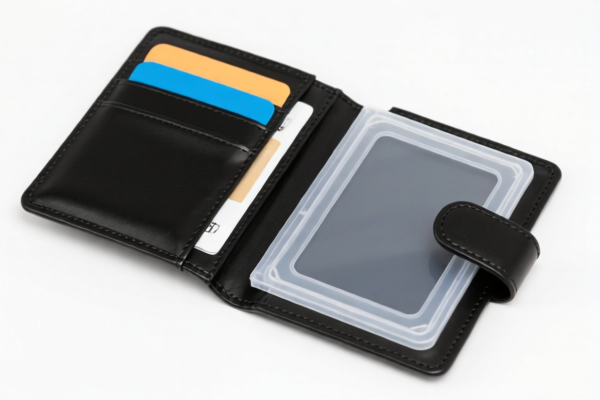
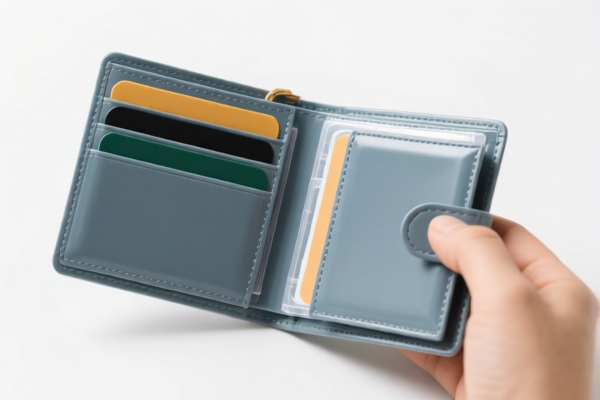
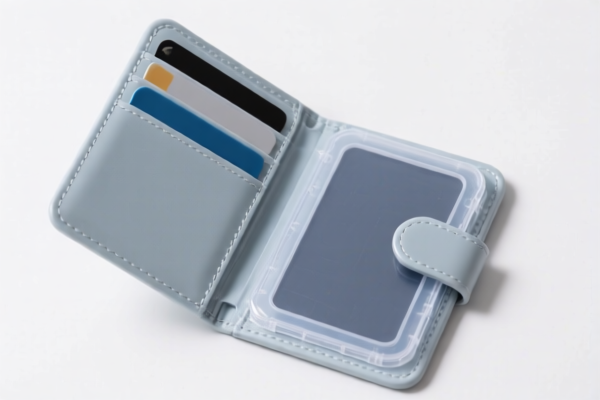
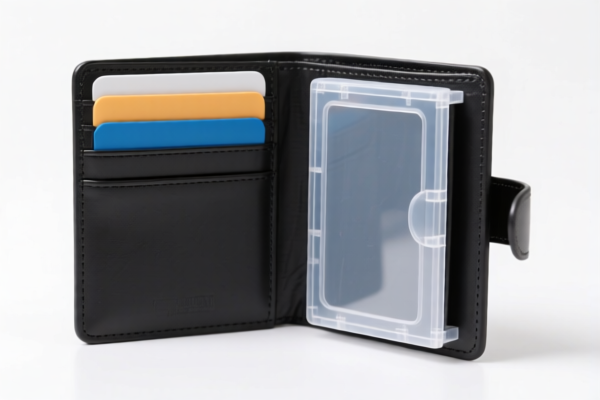
AI Analysis
👛 Plastic Shell Multi-Function Wallet (The "All-in-One" Carry-All)
🌐 HS Code Reference & Customs Clearance Guide | 2026 Latest Tariff Analysis | Strategic Compliance Strategy
📌 1. Product Definition & Classification: What Exactly Is a "Plastic Shell Wallet"?
A "Plastic Shell Multi-Function Wallet" is a broad category often used by suppliers to describe various items ranging from simple coin purses to complex RFID-blocking cardholders. In international trade, the key to classification lies in the material composition, manufacturing method, and specific usage. It is not a single HS Code; it falls into two primary chapters:
Chapter 39 (Plastics): If the item is essentially a plastic container, pouch, or packaging material designed to hold items, it is classified as plastic goods. Chapter 42 (Articles of Leather/Plastics): If the item is a structured personal accessory (like a traditional wallet) where the plastic surface is the primary exterior material, it is classified as an article of leather or of other materials (including plastics).
⚠️ Critical Distinction:
- Is it a packaging item or a personal accessory?
- Is the plastic raw/semi-finished or a finished surface?
- This distinction dictates whether you face 38% or 55% (or a complex hybrid) in tariffs.
📦 2. HS Code Classification Matrix (2026 Latest Tariff Mapping)
Based on the provided data, here are the four possible classifications for "Plastic Shell Multi-Function Wallets":
| HS Code | Product Description | Summary of Classification Logic | Primary Material Structure |
|---|---|---|---|
| 3923.10.90.00 | Plastic Wallet (General Category) | Classified under "Other" plastics for packing/carrying. Used for general storage. | Solid Plastic Shell |
| 4202.32.20.00 | Plastic-Surfaced Wallet | Specifically for wallets carried in pockets/purses. Exterior is plastic sheets. | Plastic Sheet Exterior |
| 4202.32.10.00 | Reinforced/Laminated Wallet | Defined as "carried on person." Plastic is reinforced or laminated. | Laminated/Reinforced Plastic |
| 3923.90.00.80 | Plastic Wallet (Fallback) | "Other" plastics for carrying/packing. Used when no specific plastic article fits elsewhere. | General Plastic Article |
🔍 Key Insight:
- 3923.x.x codes generally treat the wallet as a plastic article/package.
- 4202.x.x codes treat the wallet as a personal accessory with a plastic surface.
- The "Multi-Function" label does not change the HS code; material and construction do.
💰 3. 2026 Tariff Rate Breakdown (Including Surtaxes & Policy Add-ons)
✅ Applicable Country: United States (US)
✅ Origin: China (CN)
✅ Effective Date: Post-2025 policies (Current enforcement)
🎯 1. 3923.10.90.00 & 3923.90.00.80 — The "Plastic Article" Classification
These two codes share the same total tax rate in the provided data. They are often used for simpler, non-leather-look plastic wallets or pouches.
| Item | Detail |
|---|---|
| Base Tariff | 3.0% (Ad Valorem) |
| Section 301 Surtax | +25.0% (25% on top of CIF value) |
| Section 122 Tax | +10.0% (Specific 122 provision surcharge) |
| Total Tax Rate | 38.0% |
| Tax Calculation | CIF Value × 38% |
| De Minimis Exemption | ❌ Not Applicable (High tariff threshold) |
| Legal Path | USITC:3923.10.90.00 / USITC:3923.90.00.80 → Section 301 → Section 122 |
📌 Explanation:
- These wallets are treated as general plastic goods.
- The 38% rate is high but predictable.
- Ideal for: Simple plastic coin purses, card sleeves, or unstructured plastic pouches.
🎯 2. 4202.32.20.00 — The "Plastic Surface" Personal Wallet
This code applies to wallets where the exterior surface is made of plastic sheets and is intended for pocket/handbag carry.
| Item | Detail |
|---|---|
| Base Tariff | 20.0% (Ad Valorem) |
| Section 301 Surtax | +25.0% |
| Section 122 Tax | +10.0% |
| Total Tax Rate | 55.0% |
| Tax Calculation | CIF Value × 55% |
| De Minimis Exemption | ❌ Not Applicable |
| Legal Path | USITC:4202.32.20.00 → Section 301 → Section 122 |
📌 Explanation:
- Highest Tax Burden.
- Applies if the product is clearly marketed as a "Wallet" (personal accessory) with a plastic exterior.
- Risk: If you misclassify a4202item as3923to save 17%, you risk customs audits, back-taxes, and penalties.
🎯 3. 4202.32.10.00 — The "Reinforced/Laminated" Wallet
A specific subtype for wallets where the plastic is reinforced or laminated, often used for durability.
| Item | Detail |
|---|---|
| Base Tariff | 12.1¢/kg + 4.6% (Ad Valorem) |
| Section 301 Surtax | +25.0% |
| Section 122 Tax | +10.0% |
| Total Tax Rate | Hybrid: 12.1¢/kg + 39.6% (approx.) |
| Tax Calculation | (Weight × 0.121) + (CIF Value × 4.6%) + (CIF Value × 25%) + (CIF Value × 10%) |
| De Minimis Exemption | ❌ Not Applicable |
| Legal Path | USITC:4202.32.10.00 → Section 301 → Section 122 |
📌 Explanation:
- Complex Calculation.
- For lightweight items, the per-kg fee is negligible, so the total is ~39.6%.
- For heavy/heavy-duty wallets, the 12.1¢/kg adds up.
- Use this only if the plastic is explicitly laminated/reinforced.
🛠️ 4. Customs Clearance Practical Advice (Avoiding Pitfalls)
✅ 1. Preparation Checklist (Mandatory Documents)
| Document | Required? | Purpose |
|---|---|---|
| ✅ Product Photos | ✔️ | Must show material texture (plastic sheet vs. solid plastic vs. laminated). |
| ✅ Material Specification Sheet | ✔️ | Specify: "PET plastic sheet," "PVC solid," "Laminated plastic." |
| ✅ Commercial Invoice | ✔️ | Clearly state: "Wallet, Plastic Exterior, For Pocket Carry." Avoid vague "Plastic Bag." |
| ✅ Structure Diagram | ✔️ | Show if it’s just a shell or has internal card slots (indicates Chapter 42). |
| ✅ Proof of Reinforcement (if 4202.32.10.00) | ✔️ | Lab test or supplier statement confirming "laminated/reinforced" structure. |
✅ 2. Classification Strategy (The "Golden Rule")
🔥 "Structure Determines Chapter, Material Determines Rate!"
| Scenario | Recommended HS Code | Why? |
|---|---|---|
| Simple Plastic Pouch/Coin Purse (No card slots, just plastic) | 3923.10.90.00 or 3923.90.00.80 | Treated as plastic packaging/article. Lower base rate (3%). |
| Structured Wallet (Card slots, zippered, pocket-sized) with smooth plastic exterior | 4202.32.20.00 | Treated as leather-equivalent accessory. Higher base rate (20%). |
| Rugged/Durable Wallet with laminated/reinforced plastic layers | 4202.32.10.00 | Specific legal definition for reinforced plastics. |
| Ambiguous/Unstructured plastic carry-all | 3923.90.00.80 | Fallback "Other" category. Safer if unsure, but 38% still high. |
⚠️ Warning:
- Do NOT try to misclassify a4202(55%) wallet as3923(38%) just to save money.
- US Customs (CBP) uses Section XI Note 1 and General Rules of Interpretation (GRI) to determine if it’s "wearable" or "packaging."
- If it has card slots, ID windows, or a zipper, it is almost certainly Chapter 42.
✅ 3. Cost-Saving & Compliance Tips
| Strategy | Action |
|---|---|
| Material Optimization | If possible, design the wallet with a fabric or leather exterior (if applicable) to potentially change classification, though plastic is specified. |
| Weight Management | For 4202.32.10.00, keep the wallet lightweight to minimize the 12.1¢/kg charge. |
| Accurate Description | Use precise terms: "Plastic-Exterior Wallet" (for 4202) vs. "Plastic Storage Pouch" (for 3923). |
| Pre-Ruling | If unsure, apply for a CBP Pre-Ruling with sample photos. Cost: ~$300-$500. Potential savings: Thousands in duties/penalties. |
🌍 5. Global Market Comparison (2026 Overview)
| Market | Likely HS Code | Base Rate | Surcharge | Total Est. | Notes |
|---|---|---|---|---|---|
| 🇺🇸 USA | 4202.32.20.00 |
20% | +35% (301+122) | 55% | Highest cost. |
| 🇺🇸 USA | 3923.10.90.00 |
3% | +35% (301+122) | 38% | Lower risk if truly plastic packaging. |
| 🇨🇳 China | 4202.32.20.00 |
20% | 0% | 20% | No Section 301 for exports to China. |
| 🇪🇺 EU | 4202.32.00 |
~6-10% | 0% | ~6-10% | No massive surcharges like US. |
| 🇬🇧 UK | 4202.32.00 |
~6-10% | 0% | ~6-10% | Post-Brexit tariffs are moderate. |
📌 Conclusion:
- The US market is the most expensive for plastic wallets due to Section 301 and 122 tariffs.
- Chapter 42 (55%) is significantly more costly than Chapter 39 (38%).
- Accuracy is critical. Misclassification leads to 100% duty + penalties + potential seizure.
📌 6. Common Mistakes & Pitfalls (Blood & Tears Lessons)
❌ Mistake 1: Calling a "Structured Wallet" a "Plastic Bag" to get 38% instead of 55%.
👉 Result: CBP inspection finds card slots → Back-taxes (17% difference) + 5% penalty.
❌ Mistake 2: Ignoring the "Section 122" 10% surcharge.
👉 Result: Underpaying duties → Customs audit in 2027.
❌ Mistake 3: Not specifying "Laminated" for 4202.32.10.00.
👉 Result: CBP reclassifies to 4202.32.20.00 → You pay 55% instead of ~39.6%.
✅ Best Practice:
"Plastic-Exterior Multi-Function Wallet, Model XYZ, with 8 Card Slots, Zippered Closure, 100% PET Plastic Exterior, For Personal Pocket Carry."
🎯 7. Final Recommendation: How to Proceed?
- Analyze Your Product:
- Is it a pouch/packaging? → Use 3923.10.90.00 (38% Total).
- Is it a wallet with slots? → Use 4202.32.20.00 (55% Total).
-
Is it reinforced/laminated? → Use 4202.32.10.00 (Hybrid ~39.6% Total).
-
Calculate True Landed Cost:
-
Use the 55% rate for 4202 items in your pricing model. Do not assume lower rates.
-
Document Everything:
-
Keep photos, specs, and supplier declarations ready for CBP.
-
Consult a Broker:
- If the product is hybrid (e.g., plastic shell + fabric lining), a broker can help determine if Chapter 42 still applies.
📌 Pro Tip:
For the US market, Chapter 39 (38%) is significantly more competitive than Chapter 42 (55%).
If your product design allows, consider shifting from a "Wallet" (Chapter 42) to a "Plastic Storage Pouch" (Chapter 39) structure to save 17% in duties.
✨ Precise Classification = Maximum Profit.
💼 Don’t let 17% tariffs eat your margin.
🚀 Customs Clarity Today, Profitability Tomorrow.
Customer Reviews
About HS Code Classification
The Harmonized System (HS) is an internationally standardized nomenclature developed by the World Customs Organization (WCO) to classify traded products. Over 200 countries use the HS system as the basis for customs tariffs, trade statistics, and import/export regulations.
Each HS code follows a hierarchical structure:
- Chapter (2 digits) — Broad category of goods (e.g., Chapter 84: Machinery and Mechanical Appliances)
- Heading (4 digits) — More specific grouping within the chapter
- Subheading (6 digits) — Internationally standardized breakdown, used by all WCO member countries
- National subdivisions (8-10 digits) — Country-specific extensions for further classification, such as US HTSUS 10-digit codes
Correct HS code classification is essential for smooth customs clearance, accurate duty payment, and compliance with trade regulations. Misclassification can lead to customs delays, overpayment of duties, or penalties.
When importing from CN to US, the applicable tariff rates may include:
- Most-Favored-Nation (MFN) rate — The standard duty rate applied to WTO members
- General rate — Applied to countries without trade agreements
- Trade remedy duties — Additional tariffs such as Section 301 (anti-dumping), Section 232 (national security), or countervailing duties
The information provided on this page is for reference purposes only. For official classification, please consult with your local customs authority or a licensed customs broker.