Plastic Shell Trolley Case
CN → US| HS Code | Tariff Rate | Origin | Destination | Doc |
|---|---|---|---|---|
| 3926909989 | 22.8% | CN | US | Official Doc |
| 8517790000 | 67.5% | CN | US | Official Doc |
| 8473309100 | 35.0% | CN | US | Official Doc |
Product Images
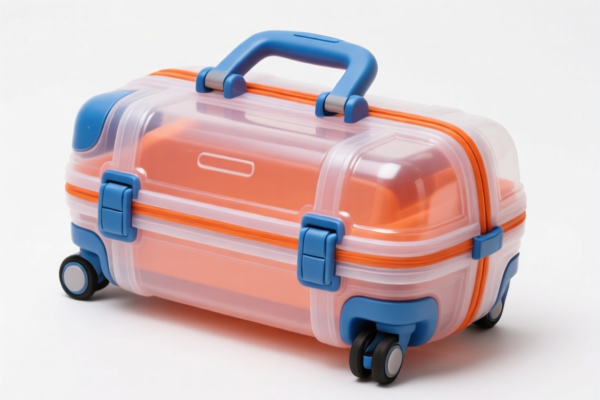
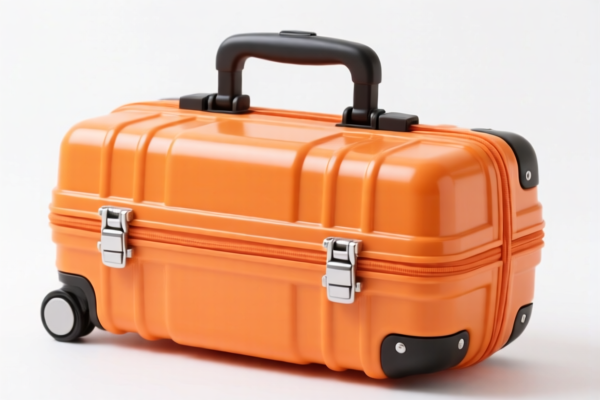
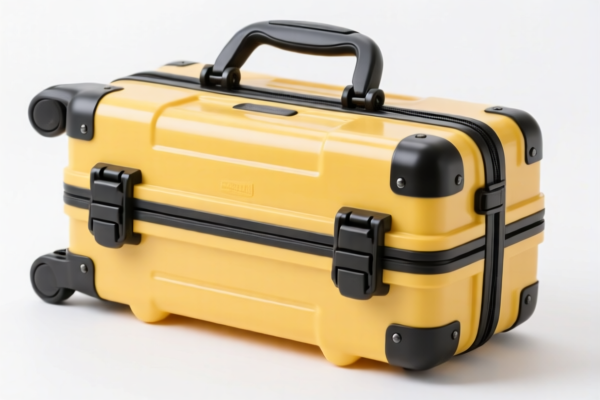
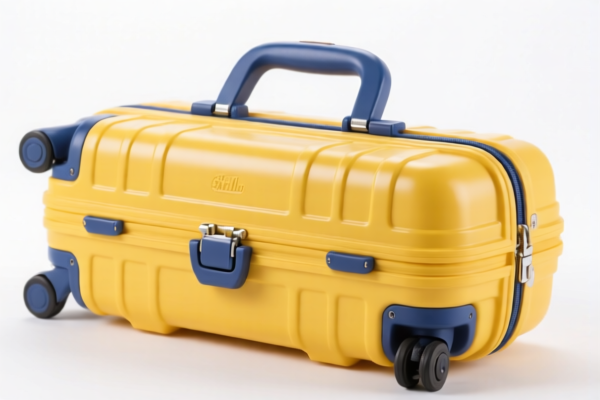
AI Analysis
🧳 Plastic Shell Trolley Case (Hard-Sided Luggage)
🌐 HS Code Reference & Customs Clearance Guide | 2026 Latest Tariff Analysis | Professional Strategy
📌 One Product, Three Possible Classifications: Why Does It Matter?
A "Plastic Shell Trolley Case" sounds simple, but in international trade, material composition + function + specific use determine its HS Code. Misclassification can lead to massive tariff differences (from 22.8% to 67.5%) and customs delays.
Based on the provided data, there are three possible HS Codes for this product. Below is the detailed breakdown of why it might fall into each category and the associated tax implications.
📦 II. HS Code Classification Details & Tax Breakdown
| HS Code | Classification Logic | Total Tax Rate | Tax Composition Breakdown |
|---|---|---|---|
3926.90.99.89 |
General Plastic Parts | 22.8% | Base Duty: 5.3% Add. Duty: 7.5% Section 301 (122 Clause): 10% |
8517.79.00.00 |
Communications Equipment Parts | 67.5% | Base Duty: 0.0% Add. Duty: 7.5% Section 301 (122 Clause): 10% Steel/Aluminum/Copper Surcharge: 50% |
8473.30.91.00 |
Parts of Office Machines | 35.0% | Base Duty: 0.0% Add. Duty: 25.0% Section 301 (122 Clause): 10% |
🔍 Key Insight:
The same physical object (a plastic shell) can be classified differently depending on:
1. What it fits (Is it for a laptop? A radio? An office machine?).
2. Material specificity (Is it a generic part or a specialized component?).
3. Regulatory intent (Is it considered "electronics parts" or "general plastic goods"?).
💰 III. Detailed Tax Analysis & Legal Basis
🎯 1. 3926.90.99.89 – Plastic Articles, Not Elsewhere Specified
- Logic: The plastic shell is treated as a generic plastic accessory/part with no specific electronic or mechanical function. It’s a "catch-all" for plastic parts that don’t fit into more specific electronic categories.
- Tax Breakdown:
- Base Duty (5.3%): Standard MFN duty for plastic articles.
- Add. Duty (7.5%): Additional tariff under current trade policies.
- Section 301 (10%): Specifically targeted at Chinese-origin plastic goods.
- Total: 22.8%
- Best For: Generic travel cases, cosmetic cases, or shells not tightly integrated with specific electronic circuitry.
🎯 2. 8517.79.00.00 – Parts of Telephone/Communications Equipment
- Logic: This classification assumes the plastic shell is a component of a communications device (e.g., a radio, a specialized communication hub, or a network device). The data notes: "Plastic shell, common material for communication equipment parts, fits under 'other' category parts judgment."
- ⚠️ High Risk Alert: This category triggers a 50% surcharge on steel/aluminum/copper components (if any) or is treated as a high-priority electronic part.
- Tax Breakdown:
- Base Duty (0.0%): Electronic parts often have 0% base duty.
- Add. Duty (7.5%).
- Section 301 (10%).
- Metal Surcharge (50%): Applied due to the classification as an electronic part with potential metallic components or regulatory scrutiny.
- Total: 67.5%
- Best For: Shells that are clearly integral to a communication device (e.g., a ruggedized radio case, a network server enclosure). Avoid this if possible due to high cost.
🎯 3. 8473.30.91.00 – Parts of Automatic Data Processing Machines/Office Machines
- Logic: The plastic shell is considered a part of an office machine or computing device (e.g., a laptop case, a printer cover, or a part of a POS system). The data notes: "Plastic shell, belongs to parts/accessories category, fits 'other' category with no material conflict and fits part attributes."
- Tax Breakdown:
- Base Duty (0.0%): Often 0% for IT equipment parts.
- Add. Duty (25.0%): Significant additional tariff for office machine parts.
- Section 301 (10%).
- Total: 35.0%
- Best For: Shells that are part of computers, printers, or office automation equipment.
🛠️ IV. Customs Clearance Practical Advice
✅ 1. How to Choose the Right HS Code?
- Ask Yourself: What does this plastic shell enclose or connect to?
- If it’s for a laptop/tablet/computer → Consider
8473.30.91.00(35%). - If it’s a generic travel case with no electronics → Consider
3926.90.99.89(22.8%). 🏆 Lowest Tax! - If it’s for a radio/communication device → You risk
8517.79.00.00(67.5%). 🚫 Avoid if possible.
- If it’s for a laptop/tablet/computer → Consider
✅ 2. Documentation Checklist
| Document | Purpose | Tip |
|---|---|---|
| Product Description | Clarify "Plastic Shell Trolley Case" | Specify: "Empty shell, no electronics," or "Part for [Specific Device]." |
| Technical Drawing | Prove material & structure | Highlight that it is plastic-only if claiming 3926. |
| Bill of Materials (BOM) | Show composition | If no metal is used, argue against the 50% surcharge in 8517. |
| Commercial Invoice | Value declaration | Ensure declared value matches the plastic part only, not the entire device. |
✅ 3. Common Pitfalls & Avoidance
- ❌ Pitfall: Declaring a generic plastic travel case as "Part of Communication Equipment" → 67.5% Tax.
✅ Fix: Declare as "Plastic Article, Household/Travel Use" → 22.8% Tax. - ❌ Pitfall: Including internal metal frames in a "plastic shell" description → Triggers metal surcharges.
✅ Fix: Clearly state "Plastic Only" or provide a BOM showing minimal/non-metallic components. - ❌ Pitfall: Ambiguous product name ("Shell").
✅ Fix: Use precise names like:- "Empty Plastic Hard Case for Laptops, No Electronics"
- "Plastic Enclosure for Communication Device, Model XYZ"
🌍 V. Global Market Comparison (2026)
| Market | Recommended HS Code | Est. Tax (China Origin) | Notes |
|---|---|---|---|
| 🇺🇸 United States | 3926.90.99.89 |
22.8% | Best option for generic plastic cases. |
8517.79.00.00 |
67.5% | Only for comms equipment parts. | |
8473.30.91.00 |
35.0% | For IT/Office machine parts. | |
| 🇪🇺 European Union | Varies | ~1.7% - 5% | No Section 301 tariffs. Standard MFN applies. |
| 🇨🇳 China (Import) | Varies | ~5% - 10% | Lower tariffs, check CCC certification if electronic. |
📌 Conclusion:
For generic plastic trolley cases,3926.90.99.89is the most cost-effective classification at 22.8% total tax.
Avoid classifying as8517.79.00.00unless absolutely necessary, as the 67.5% tax can erode profits.
📌 VI. Final Recommendations
- Optimize HS Code: If your product is a generic plastic shell (not tied to a specific electronic device), aggressively argue for
3926.90.99.89. - Clarify Product Name: Use "Empty Plastic Shell" or "Non-Electronic Case" in descriptions to avoid misclassification as electronic parts.
- Pre-Ruling Request: For large shipments, request a Binding Tariff Information (BTI) or Advance Ruling from US Customs to confirm the 22.8% rate.
- Supply Chain: If the shell is part of a device being exported, ensure the final device’s HS Code aligns with the shell’s classification to avoid discrepancies.
📣 Action Plan:
📞 Consult a Customs Broker: Provide product photos and BOM to confirm if
3926is defensible.
📝 Update Product Descriptions: Remove vague terms like "part" or "component" unless specifying the final device.
💰 Calculate Landed Cost: Use the 22.8% rate for budgeting, unless you’re certain it’s for communications equipment.
✨ Smart Classification = Lower Taxes = Higher Profits!
💼 Don’t let a plastic shell cost you 67.5% in duties!
Customer Reviews
About HS Code Classification
The Harmonized System (HS) is an internationally standardized nomenclature developed by the World Customs Organization (WCO) to classify traded products. Over 200 countries use the HS system as the basis for customs tariffs, trade statistics, and import/export regulations.
Each HS code follows a hierarchical structure:
- Chapter (2 digits) — Broad category of goods (e.g., Chapter 84: Machinery and Mechanical Appliances)
- Heading (4 digits) — More specific grouping within the chapter
- Subheading (6 digits) — Internationally standardized breakdown, used by all WCO member countries
- National subdivisions (8-10 digits) — Country-specific extensions for further classification, such as US HTSUS 10-digit codes
Correct HS code classification is essential for smooth customs clearance, accurate duty payment, and compliance with trade regulations. Misclassification can lead to customs delays, overpayment of duties, or penalties.
When importing from CN to US, the applicable tariff rates may include:
- Most-Favored-Nation (MFN) rate — The standard duty rate applied to WTO members
- General rate — Applied to countries without trade agreements
- Trade remedy duties — Additional tariffs such as Section 301 (anti-dumping), Section 232 (national security), or countervailing duties
The information provided on this page is for reference purposes only. For official classification, please consult with your local customs authority or a licensed customs broker.