Plastic Shock Absorbing Film
CN → US| HS Code | Tariff Rate | Origin | Destination | Doc |
|---|---|---|---|---|
| 3919905060 | 40.8% | CN | US | Official Doc |
| 3920200055 | 39.2% | CN | US | Official Doc |
| 3919102055 | 40.8% | CN | US | Official Doc |
| 3923900080 | 38.0% | CN | US | Official Doc |
| 3923210095 | 38.0% | CN | US | Official Doc |
Product Images
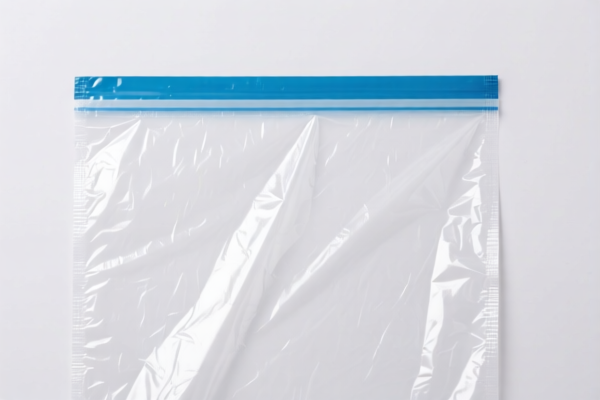
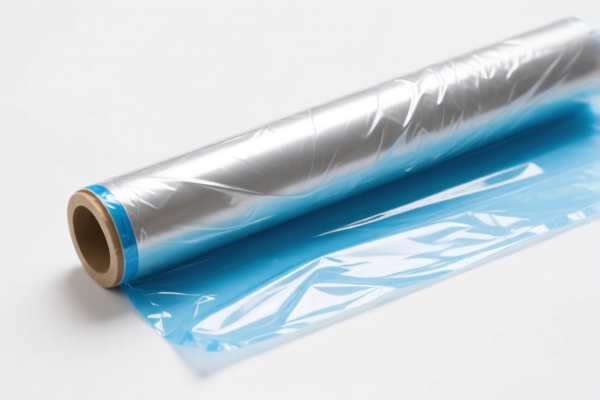
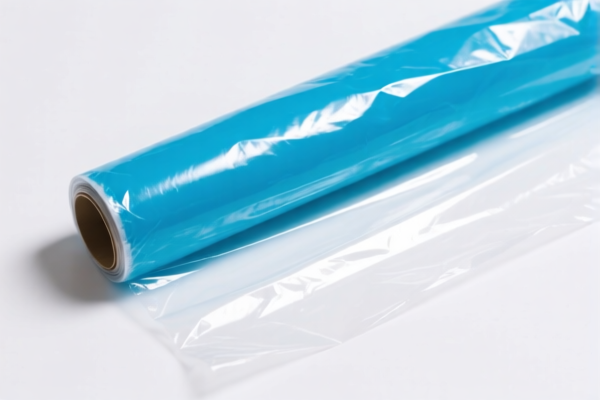
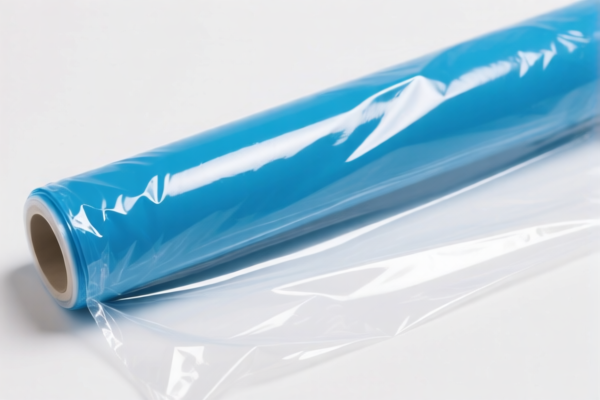
AI Analysis
🛡️ Plastic Shock Absorbing Film (塑料缓冲膜)
🌐 HS Code Classification & Customs Clearance Guide | 2026 Tariff Analysis for US Imports from China
📌 I. Product Definition: What Exactly is "Plastic Shock Absorbing Film"?
Plastic shock absorbing film is a flexible packaging material designed to protect goods during transit by cushioning against impact and vibration. In international trade, its classification depends heavily on its physical form, material composition, and primary function. It generally falls under Chapter 39 (Plastics and Articles Thereof).
⚠️ Critical Distinction:
- Is it a self-adhesive roll or freestanding sheet? → Usually 3919
- Is it a non-adhesive plastic film/plate? → Usually 3920
- Is it primarily a packaging accessory (bag/ pouch)? → Usually 3923
Misclassification here leads to severe tariff penalties due to Section 301 and Section 301-like additional duties.
📦 II. HS Code Classification Matrix (2026 Latest Tariff Schedule)
Based on the specific characteristics of the product, here are the valid HS Codes and their corresponding tax structures.
| HS Code | Product Description | Key Characteristics | Primary Use Case |
|---|---|---|---|
3919.90.50.60 |
Self-adhesive plastic films, plates, strips, and other flat shapes, of plastics | Adhesive backing; flexible film form | Self-stick protective wraps, tape-like shock layers |
3920.20.00.55 |
Other plates, sheets, film, foil, and strip, of plastics | Non-adhesive; plastic sheet/film form | Standalone stretch wraps, cushioning sheets |
3919.10.20.55 |
Self-adhesive plastic films, in rolls of a width ≤ 20 cm | Narrow roll; self-adhesive | Narrow tape-based shock absorption solutions |
3923.90.00.80 |
Articles for the conveyance or packing of goods | Packaging utility; buffer function | General packing accessories, bubble-free buffer films |
3923.21.00.95 |
Sacks and bags, of polyethylene | Polyethylene; sack/bag form | Shrink wrap bags with cushioning properties |
💰 III. 2026 Tariff Rate Breakdown (China-Origin Imports to USA)
✅ Applicable Region: United States (US)
✅ Origin: China (CN)
✅ Effective Date: Current rates apply (Section 301 + 122 Clauses)
🎯 1. 3919.90.50.60 & 3919.10.20.55 (Self-Adhesive Films)
| Item | Detail |
|---|---|
| Base Duty (MFN) | 5.8% |
| Section 301 Additional Duty | +25.0% |
| Section 122 Clause Duty | +10.0% |
| Total Effective Tax Rate | 40.8% |
| Calculation Basis | CIF Value × 40.8% |
| De Minimis Exemption? | ❌ NO (Deny_de_minimis) |
📌 Explanation:
- These HS codes fall under Heading 3919 (Self-adhesive plates, sheets, film, etc.). - The 25% Section 301 tariff is applied to most Chinese plastic products. - The 10% Section 122 duty is an additional surcharge often applied to specific plastic imports to protect domestic manufacturers. - Total Burden: Nearly 41%, making this category expensive. Ensure the product is indeed self-adhesive; if not, this code is incorrect.
🎯 2. 3920.20.00.55 (Non-Adhesive Plastic Film/Plate)
| Item | Detail |
|---|---|
| Base Duty (MFN) | 4.2% |
| Section 301 Additional Duty | +25.0% |
| Section 122 Clause Duty | +10.0% |
| Total Effective Tax Rate | 39.2% |
| Calculation Basis | CIF Value × 39.2% |
| De Minimis Exemption? | ❌ NO (Deny_de_minimis) |
📌 Explanation:
- This code applies to plastic plates, sheets, film, or strip that are NOT self-adhesive. - If your shock-absorbing film is a plain plastic sheet without glue on the back, use this code. - Savings: Saves 1.6% in base duty compared to self-adhesive variants, but still incurs the full 35% in additional duties.
🎯 3. 3923.90.00.80 & 3923.21.00.95 (Packaging Accessories)
| Item | Detail |
|---|---|
| Base Duty (MFN) | 3.0% |
| Section 301 Additional Duty | +25.0% |
| Section 122 Clause Duty | +10.0% |
| Total Effective Tax Rate | 38.0% |
| Calculation Basis | CIF Value × 38.0% |
| De Minimis Exemption? | ❌ NO (Deny_de_minimis) |
📌 Explanation:
-3923.90.00.80: Used if the film is categorized broadly as a "packaging article" for conveyance. -3923.21.00.95: Specifically for Polyethylene sacks and bags. Use this if the shock-absorbing material is formed into a bag or pouch structure. - Lowest Base Rate: These codes have the lowest base duty (3.0%), resulting in the lowest total tax rate (38.0%) among the options. - ⚠️ Caution: You must justify the "packaging utility" or "bag structure" in your commercial invoice. A simple flat sheet might be rejected under this code.
🛠️ IV. Customs Clearance Practical Advice
✅ 1. Documentation Checklist (Mandatory)
| Document | Requirement | Purpose |
|---|---|---|
| Product Spec Sheet | Material composition (e.g., PE, PVC, EVA), thickness, adhesive type | Determines HS Code accuracy (Adhesive vs. Non-adhesive) |
| Commercial Invoice | Clear description: "Plastic Shock Absorbing Film, Model X" | Prevents "Misdescription" flags |
| Material Safety Data Sheet (MSDS) | If applicable (especially for chemical treatments) | Safety compliance |
| Proof of Origin | Certificate of Origin (CO) | Required for duty drawback or exemption claims (if any) |
| Photos | Clear images of product + packaging | Proves physical form (roll, sheet, bag) |
✅ 2. Classification Strategy (Do's and Don'ts)
🔥 Golden Rule: "Adhesive? Go to 3919. No Adhesive? Go to 3920. Bag/Form? Go to 3923."
| Scenario | Recommended HS Code | Why? |
|---|---|---|
| Film with glue on one side | 3919.90.50.60 or 3919.10.20.55 |
Defined as self-adhesive under HTSUS Chapter 39 |
| Plain plastic cushion sheet | 3920.20.00.55 |
Defined as other plastic film/sheet |
| Bubble wrap or protective bag | 3923.21.00.95 |
Classified as polyethylene sack/bag |
| General packing filler | 3923.90.00.80 |
Classified as packaging article |
❌ Mistake to Avoid:
- Declaring a self-adhesive film as3920(Non-adhesive) to avoid the higher base duty.
👉 Risk: Customs may reclassify, issue penalties, and delay shipment. The duty difference is small (1.6% base), but the compliance risk is high.
✅ 3. Special Considerations for Section 301 & 122
- No De Minimis Exemption: Shipments under $800 (Section 321) DO NOT exempt these goods from Section 301/122 duties if they are Chinese-origin plastic films. All duties must be paid.
- Exclusions: Check if your specific manufacturer/product is on the Section 301 Exclusion List. Some specific plastic films may have been excluded in prior rounds, but this is rare for general shock-absorbing films.
- Supply Chain Diversification: If possible, consider sourcing from Vietnam, Thailand, or Malaysia to avoid the 25% Section 301 tariff (though 3919/3920 may still have base duties).
🌍 V. Global Market Comparison (2026)
| Region | HS Code | Base Duty | Additional Duties | Total Impact |
|---|---|---|---|---|
| 🇺🇸 USA | 3919.90.50.60 |
5.8% | +35% (301 + 122) | 40.8% |
| 🇺🇸 USA | 3923.90.00.80 |
3.0% | +35% (301 + 122) | 38.0% |
| 🇪🇺 EU | 3919/3920 | ~6.5% | 0% | 6.5% |
| 🇨🇳 China | 3919/3920 | ~5-10% | 0% | ~7.5% |
📌 Conclusion:
The USA is the most expensive market for importing Chinese plastic shock-absorbing films due to the 35%叠加 tariff (25% Section 301 + 10% Section 122).
Cost-saving Tip: Optimize the classification to3923series if the product fits the "packaging article" or "bag" definition, as it saves 1.6% - 2.8% in base duties.
📌 VI. Common Errors & Pitfalls
❌ Error 1: Ignoring the "Adhesive" feature
👉 Result: Using 3920 for self-adhesive film → Customs audit, retroactive duty assessment.
❌ Error 2: Overlooking Section 122 Duty
👉 Result: Quoting "35% total duty" (301 only) instead of "38-41%" → Budget shortfall, payment failure at port.
❌ Error 3: Mislabeling as "Rubber" or "EVA" without proof
👉 Result: If the material is PVC or PE but declared as EVA, it may fall under a different tariff line. Provide Material Composition Certificates.
🎯 VII. Final Recommendation
🎯 Action Plan:
1. Confirm Material: Is it adhesive? Is it a bag?
2. Select HS Code:
- Adhesive Roll → 3919.90.50.60 (40.8%)
- Non-Adhesive Sheet → 3920.20.00.55 (39.2%)
- Packaging Bag/Filler → 3923.90.00.80 (38.0%) or 3923.21.00.95 (38.0%)
3. Prepare Docs: Invoice, Spec Sheet, Material Proof.
4. Budget: Allocate ~38-41% of CIF value for duties.
💼 Pro Tip:
For high-volume imports, apply for a Binding Ruling from CBP to lock in the HS Code classification and avoid future disputes.
✨ Professional Clearance Starts with Accurate Classification!
💼 Every percentage point counts in cross-border trade.
Customer Reviews
About HS Code Classification
The Harmonized System (HS) is an internationally standardized nomenclature developed by the World Customs Organization (WCO) to classify traded products. Over 200 countries use the HS system as the basis for customs tariffs, trade statistics, and import/export regulations.
Each HS code follows a hierarchical structure:
- Chapter (2 digits) — Broad category of goods (e.g., Chapter 84: Machinery and Mechanical Appliances)
- Heading (4 digits) — More specific grouping within the chapter
- Subheading (6 digits) — Internationally standardized breakdown, used by all WCO member countries
- National subdivisions (8-10 digits) — Country-specific extensions for further classification, such as US HTSUS 10-digit codes
Correct HS code classification is essential for smooth customs clearance, accurate duty payment, and compliance with trade regulations. Misclassification can lead to customs delays, overpayment of duties, or penalties.
When importing from CN to US, the applicable tariff rates may include:
- Most-Favored-Nation (MFN) rate — The standard duty rate applied to WTO members
- General rate — Applied to countries without trade agreements
- Trade remedy duties — Additional tariffs such as Section 301 (anti-dumping), Section 232 (national security), or countervailing duties
The information provided on this page is for reference purposes only. For official classification, please consult with your local customs authority or a licensed customs broker.