Plastic Shockproof Film
CN → US| HS Code | Tariff Rate | Origin | Destination | Doc |
|---|---|---|---|---|
| 3926909989 | 22.8% | CN | US | Official Doc |
| 3921190090 | 41.5% | CN | US | Official Doc |
| 3921905050 | 39.8% | CN | US | Official Doc |
| 3926904590 | 38.5% | CN | US | Official Doc |
| 3921131950 | 40.3% | CN | US | Official Doc |
Product Images
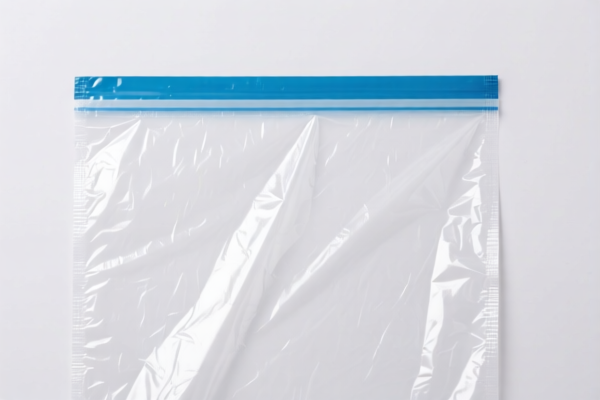
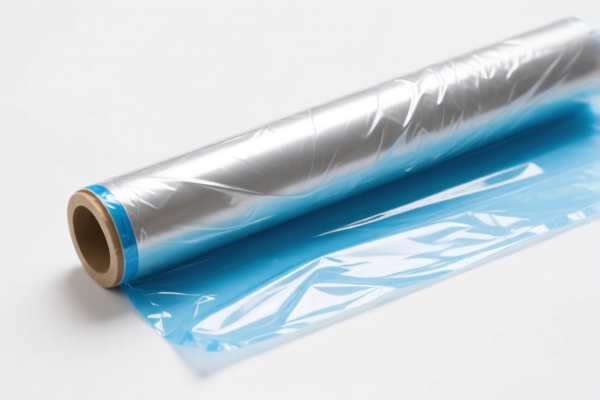
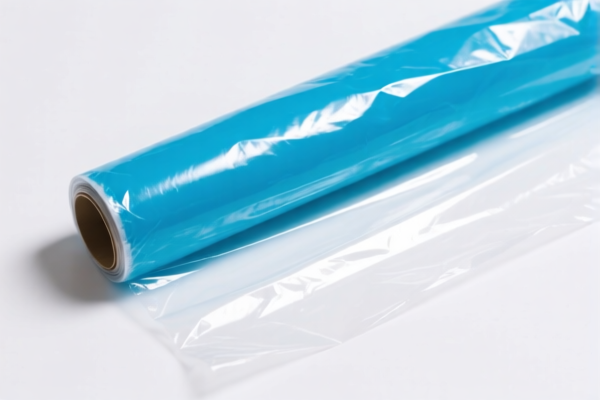
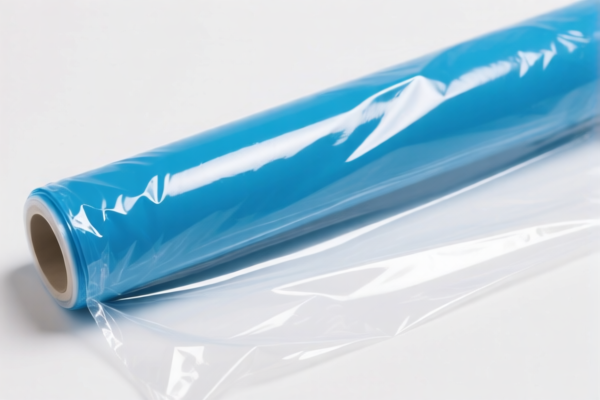
AI Analysis
🛡️ Plastic Shockproof Film (Foam Padding & Vibration Dampeners)
🌐 HS Code Reference & Customs Clearance Guide | 2026 Latest Tariff Analysis | Professional Entry Strategy
📌 Part 1: Product Definition & Classification: Do You Really Understand "Plastic Shockproof Film"?
"Plastic Shockproof Film" is a broad commercial term that can refer to various packaging materials, protective layers, or industrial components made from polymer foams or sheets. In international trade, classification depends heavily on material composition, physical form, and specific use. It is not a single HS Code but rather a category that spans multiple chapters of the Harmonized System.
⚠️ Key Distinction Points:
- If it is a raw foam sheet/film used for packaging protection → Likely Chapter 39 (Plastics and Articles Thereof).
- If it is a finished gasket or seal for mechanical use → Likely Chapter 39 (Subheading 3926).
- If it contains metal reinforcement or specific electronic shielding → Could change classification entirely.
- Form Matters: "Film" (thin), "Pad" (thick, cushioning), "Sheet" (rigid or semi-rigid) all have different tariff codes.
📦 Part 2: HS Code Classification Details (Based on Provided Data)
The following HS Codes are derived strictly from the provided dataset. Note that while the generic term is "Plastic Shockproof Film," the actual classification depends on the specific product variant.
| HS Code | Product Description (Summary) | Category | Total Tax Rate |
|---|---|---|---|
| 3921.90.50.50 | Plastic shockproof pads, made of plastic, in pad form. Fits under "Other plates, sheets, film, foil and strips of plastics." | Other Plastic Plates/Sheets | 39.8% |
| 3921.19.00.90 | Plastic shockproof pads, made of plastic, in sheet form. Belongs to "Other plates, sheets, film, foil and strips of plastics." | Other Plastic Plates/Sheets | 41.5% |
| 3926.90.99.89 | Plastic shockproof pads, made of plastic. Classified as "Other manufactured articles of plastics" (not specified elsewhere). | Other Plastic Articles | 22.8% |
| 3926.90.45.90 | Plastic shockproof pads, made of plastic, in washer/gasket form. Classified as "Plastic sealing pads other than O-rings." | Gaskets/Seals | 38.5% |
| 3921.13.19.50 | Plastic shock-absorbing film, made of plastic, in film form. Fits characteristics of "Plates, sheets, film, foil and strips of plastics." | Plastic Film | 40.3% |
🔍 Critical Insight:
- 3926.90.99.89 offers the lowest tax rate (22.8%) if the product can be reasonably described as a general "plastic article" (e.g., a finished pad with specific contours, not just raw film).
- 3921 codes (Film/Sheet/Pad) are treated as raw/semi-finished materials, attracting higher duties (39.8%–41.5%) due to additional levies.
- 3926.90.45.90 is specific to gasket-like shapes. If your product is a flat sheet, this code is incorrect.
💰 Part 3: 2026 Latest Tariff Rate Breakdown (Including Surtaxes & Policy Levies)
✅ Applicable Country: USA (US)
✅ Origin: China (CN)
✅ Effective Date: Rates apply to imports from China.
🎯 1. 3921.90.50.50 – Plastic Shockproof Pads (Pad Form)
| Item | Detail |
|---|---|
| Base Tariff | 4.8% |
| Section 301 Surcharge | +25.0% |
| 122 Section Levy | +10.0% |
| Total Effective Rate | 39.8% |
| Calculation Basis | CIF Value × 39.8% |
| De Minimis Exemption | ❌ Not Eligible (High duty rate disqualifies from $800 de minimis entry under current enforcement trends for high-tariff goods) |
| Legal Basis Path | HTSUS:3921.90.50.50 → Section 301 (USITC) → Section 122 (Tranche) |
📌 Explanation:
- This code is for pads that do not fit other specific plastic sheet categories.
- The 25% Section 301 and 10% Section 122 surcharges are叠加 (stacked) on the base rate, making this a high-cost import.
🎯 2. 3921.19.00.90 – Plastic Shockproof Pads (Sheet Form)
| Item | Detail |
|---|---|
| Base Tariff | 6.5% |
| Section 301 Surcharge | +25.0% |
| 122 Section Levy | +10.0% |
| Total Effective Rate | 41.5% |
| Calculation Basis | CIF Value × 41.5% |
| De Minimis Exemption | ❌ Not Eligible |
📌 Explanation:
- This is the highest tax rate (41.5%) in the dataset.
- It applies to sheet-form plastics. If you are shipping rolls or flat sheets, beware of this code.
- The base rate is higher (6.5%) than other 3921 codes, compounding the surcharges.
🎯 3. 3926.90.99.89 – Plastic Shockproof Pads (Other Plastic Articles)
| Item | Detail |
|---|---|
| Base Tariff | 5.3% |
| Section 301 Surcharge | +7.5% |
| 122 Section Levy | +10.0% |
| Total Effective Rate | 22.8% |
| Calculation Basis | CIF Value × 22.8% |
| De Minimis Exemption | ❌ Not Eligible |
📌 Explanation:
- Lowest tax rate (22.8%) among the options.
- This code is for finished plastic articles that don't fit into plates/sheets/film categories.
- Strategy: If your product is a molded pad, foam insert, or custom-shaped cushion, argue for this classification to save ~17%–19% in taxes compared to 3921 codes.
🎯 4. 3926.90.45.90 – Plastic Gaskets/Washers
| Item | Detail |
|---|---|
| Base Tariff | 3.5% |
| Section 301 Surcharge | +25.0% |
| 122 Section Levy | +10.0% |
| Total Effective Rate | 38.5% |
| Calculation Basis | CIF Value × 38.5% |
| De Minimis Exemption | ❌ Not Eligible |
📌 Explanation:
- Applies only if the product is structurally a gasket or seal (e.g., used in machinery, pipes, or engines).
- If used merely for packaging, this code is incorrect and may lead to customs rejection or audits.
🎯 5. 3921.13.19.50 – Plastic Shock-Absorbing Film
| Item | Detail |
|---|---|
| Base Tariff | 5.3% |
| Section 301 Surcharge | +25.0% |
| 122 Section Levy | +10.0% |
| Total Effective Rate | 40.3% |
| Calculation Basis | CIF Value × 40.3% |
| De Minimis Exemption | ❌ Not Eligible |
📌 Explanation:
- Specific for films (thin, flexible).
- High surcharge due to Section 301 and 122.
- Differentiate clearly from "pads" (thicker) to avoid misclassification.
🛠️ Part 4: Customs Clearance Practical Advice (Avoiding Pitfalls)
✅ 1. Documentation Checklist (Non-Negotiable)
| Document | Required? | Notes |
|---|---|---|
| ✅ Product Specification Sheet | ✔️ | Must detail: Material (e.g., EVA, PE Foam), Thickness, Density, Hardness, Dimensions. |
| ✅ Product Photos | ✔️ | Clear images showing cross-section (to distinguish film vs. pad), labeling, and packaging. |
| ✅ Commercial Invoice | ✔️ | Must clearly state: "Plastic Shockproof Pad/Film," NOT just "Plastic Sheets." |
| ✅ Packing List | ✔️ | Include net/gross weight accurately. |
| ✅ Certificate of Origin (CO) | ✔️ | Essential for proving Chinese origin to apply correct surcharges. |
✅ 2. Classification Strategy (Key Tips)
🔥 "Shape Determines Tax: Film is Expensive, Pads Can Be Cheaper!"
| Scenario | Recommended HS Code | Reasoning |
|---|---|---|
| Thin rolls/sheets for wrapping | 3921.13.19.50 or 3921.19.00.90 |
Clearly "film" or "sheet" form. |
| Cut-to-size foam inserts | 3926.90.99.89 |
Argue as "finished article" not raw material. Lowest Tax! |
| Molded rubber/plastic seals | 3926.90.45.90 |
Only if used as mechanical gaskets/seals. |
| Standard packaging pads | 3921.90.50.50 |
Generic plastic pads. |
⚠️ Warning:
- Do not use3926.90.45.90for packaging films. Customs will reject it as a "gasket."
- Do not use3921.19.00.90if the product is a thick, molded pad. Aim for3926.90.99.89to save 18.7%.
✅ 3. Special Circumstances
| Situation | Recommendation |
|---|---|
| Custom-Shaped Foam Inserts | Provide CAD drawings or photos showing 3D shape. Argue for 3926.90.99.89 (22.8%) instead of 3921 codes. |
| Laminated Products | If multiple layers (e.g., plastic + adhesive + metal), consult a customs broker. May fall under a different heading. |
| Samples for Evaluation | Still subject to duties. Use "Samples - No Commercial Value" carefully, but duties may still apply. |
🌍 Part 5: Global Market Comparison (2026 Update)
| Market | Recommended HS Code | Estimated Duty (China Origin) | Notes |
|---|---|---|---|
| 🇺🇸 USA | 3926.90.99.89 |
22.8% | Lowest rate in dataset. Avoid 3921 codes (39%–41.5%). |
| 🇨🇳 China | 3926.90.99.89 |
~5%–10% | Varies by trade agreement. Lower than US. |
| 🇪🇺 EU | 3926.90.99 |
~6.5% | No Section 301/122 surcharges. |
| 🇬🇧 UK | 3926.90.99 |
~6.5% | Post-Brexit tariff structure applies. |
📌 Conclusion:
- USA is the most expensive market due to Section 301 and Section 122 surcharges.
- Classification is critical: A shift from3921.19.00.90(41.5%) to3926.90.99.89(22.8%) saves 18.7% in duties.
📌 Part 6: Common Mistakes & How to Avoid Them
❌ Mistake 1: Calling all plastic packaging "Film"
👉 Consequence: Misclassification as 3921.19.00.90 → 41.5% tax instead of 22.8%.
✅ Fix: If it's a thick pad or molded insert, use 3926.90.99.89.
❌ Mistake 2: Using "Gasket" code for packaging pads
👉 Consequence: Customs audit, delay, potential penalty for incorrect declaration.
✅ Fix: Only use 3926.90.45.90 if the product functions as a mechanical seal.
❌ Mistake 3: Ignoring Section 122 & 301 Surcharges
👉 Consequence: Underpaying duties → Back taxes + interest + penalties.
✅ Fix: Always calculate Total Effective Rate (Base + 301 + 122).
🎯 Part 7: Conclusion: Optimize Your HS Code, Save Thousands!
🎯 Key Takeaway:
🔹 "Don't just call it 'Film'! Check the form. Pads can be cheaper than sheets!"
🔹 "Target3926.90.99.89(22.8%) if your product is a finished pad. Avoid3921.19.00.90(41.5%) unless it's truly a sheet."📌 Pro Tip:
If you are shipping molded foam inserts, provide 3D images and cross-sections to customs brokers to justify3926.90.99.89. This simple step can reduce your duty cost by nearly half compared to generic film classifications.
📣 Immediate Action:
📞 Contact your customs broker with product photos and specifications.
📄 Request an Advance Ruling if possible to lock in the 22.8% rate.
🚀 Optimize your supply chain costs by choosing the correct HS Code from day one!
✨ Smart Classification, Smarter Profits!
💼 Every percentage point saved is pure profit.
Customer Reviews
About HS Code Classification
The Harmonized System (HS) is an internationally standardized nomenclature developed by the World Customs Organization (WCO) to classify traded products. Over 200 countries use the HS system as the basis for customs tariffs, trade statistics, and import/export regulations.
Each HS code follows a hierarchical structure:
- Chapter (2 digits) — Broad category of goods (e.g., Chapter 84: Machinery and Mechanical Appliances)
- Heading (4 digits) — More specific grouping within the chapter
- Subheading (6 digits) — Internationally standardized breakdown, used by all WCO member countries
- National subdivisions (8-10 digits) — Country-specific extensions for further classification, such as US HTSUS 10-digit codes
Correct HS code classification is essential for smooth customs clearance, accurate duty payment, and compliance with trade regulations. Misclassification can lead to customs delays, overpayment of duties, or penalties.
When importing from CN to US, the applicable tariff rates may include:
- Most-Favored-Nation (MFN) rate — The standard duty rate applied to WTO members
- General rate — Applied to countries without trade agreements
- Trade remedy duties — Additional tariffs such as Section 301 (anti-dumping), Section 232 (national security), or countervailing duties
The information provided on this page is for reference purposes only. For official classification, please consult with your local customs authority or a licensed customs broker.