Plastic Shoe Sole
CN → US| HS Code | Tariff Rate | Origin | Destination | Doc |
|---|---|---|---|---|
| 6405909030 | 22.5% | CN | US | Official Doc |
| 6402993115 | 16.0% | CN | US | Official Doc |
| 6402993145 | 16.0% | CN | US | Official Doc |
| 6405909060 | 22.5% | CN | US | Official Doc |
| 6402999005 | 37.5% | CN | US | Official Doc |
Product Images
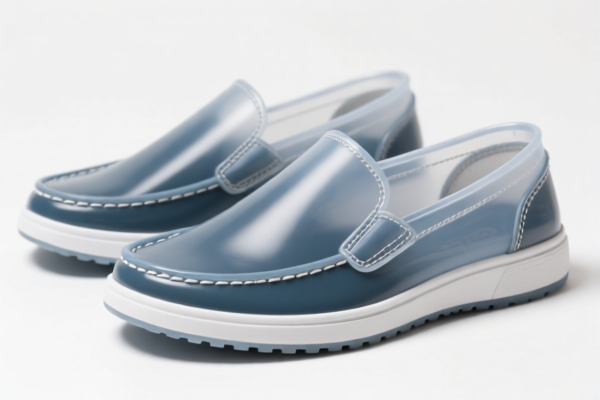
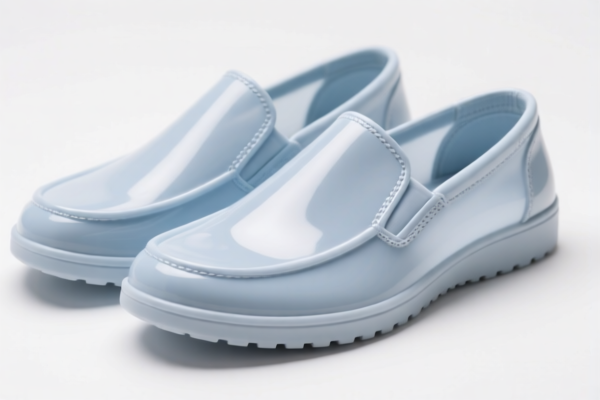
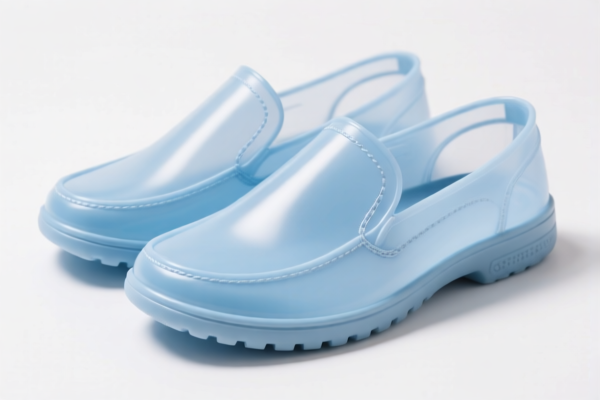

AI Analysis
🥿 Plastic Shoe Sole (Plastic Outer Sole & Upper)
🌐 HS Code Reference & Customs Clearance Guide | 2026 Latest Tariff Analysis | Professional Clearance Strategy
📌 I. Product Definition & Classification: Do You Really Understand "Plastic Shoes"?
Plastic Shoes, in the context of international trade and US Customs (CBP) classification, refer to footwear where the outer sole and the upper are primarily made of plastic. This category is distinct from rubber, leather, or textile footwear.
They are broadly divided into two functional categories: 1. General Footwear: Everyday shoes, sandals, or casual wear where plastic is the dominant material but specific performance features (like basketball traction) are not the primary defining characteristic. 2. Specialized Sports Footwear: Specifically Basketball Shoes with plastic soles, which attract significantly higher scrutiny and tariffs due to their specific use case and material composition.
⚠️ Critical Distinction:
- If the shoe is a general plastic shoe (upper >90% plastic or generic plastic sole/upper) →归入 6402.99.31.15 / 6402.99.31.45 or 6405.90.90.30 / 6405.90.90.60.
- If the shoe is a Basketball Shoe with plastic sole/upper →归入 6402.99.90.05.
- Misclassification Risk: Declaring a basketball shoe as general plastic footwear to avoid higher tariffs is a major compliance risk leading to audits and penalties.
📦 II. HS Code Classification Details (2026 Latest Tariff Authority Comparison)
| HS Code | Product Description | Application Scenario | Material Key Feature | Total Tax Rate |
|---|---|---|---|---|
6402.99.31.15 |
Rubber or plastic footwear, other than ski boots and skating boots, with outer sole and uppers of plastic | General plastic footwear, sandals, casual shoes | Upper/sole is plastic; specific sub-heading for general use | 16.0% |
6402.99.31.45 |
Rubber or plastic footwear, other than ski boots and skating boots, where the outer surface area of the upper is >90% plastic | High-plastic-content shoes, rain boots, industrial safety shoes | >90% plastic on the upper | 16.0% |
6405.90.90.30 |
Other footwear, with outer soles and uppers of rubber, plastics, leather composition leather, or textile materials | General "catch-all" for plastic-soled shoes not fitting 6402 specifics | Flexible classification for mixed or less common plastic constructions | 22.5% |
6405.90.90.60 |
Other footwear, with outer soles and uppers of rubber, plastics, leather composition leather, or textile materials | Another "catch-all" category for other plastic-soled shoes | Generic classification for plastic footwear | 22.5% |
6402.99.90.05 |
Basketball shoes with outer soles and uppers of rubber or plastic | Sports footwear, specifically designed for basketball | Specifically Basketball Shoes with plastic components | 37.5% |
🔍 Key Insight:
- Basketball Shoes are treated as a distinct sub-category under HS6402.99.90.05due to their specific sport usage, resulting in a much higher tax burden.
- General plastic footwear (6402.99.31) benefits from a lower base tariff (6.0%) compared to the6405.90.90series (12.5%).
- The 122 Clause Tariff applies to all these categories, adding a fixed 10% to the base rate.
💰 III. 2026 Latest Tariff Rate Breakdown (Including Surtaxes & Policy Add-ons)
✅ Applicable Country: United States (US)
✅ Country of Origin: China (CN)
✅ Effective Time: Current rates apply (including Section 301/122 surcharges)
🎯 1. 6402.99.31.15 & 6402.99.31.45 —— General Plastic Footwear
| Item | Content |
|---|---|
| Base Tariff | 6.0% (ad valorem) |
| Section 301 / 122 Clause Surtax | +10.0% (Specific to Chinese-origin plastic footwear) |
| Total Tariff Rate | 16.0% |
| Tax Calculation | CIF Value × 16.0% |
| De Minimis Eligibility | ❌ No (Deny de minimis for Section 301 goods) |
| Legal Basis Path | HTSUS:6402.99.31 → Section 122 Tariff Add-on |
📌 Explanation:
- The base rate for plastic-soled general footwear is 6.0%.
- A 122 Clause Tariff of 10% is added, resulting in a total of 16.0%.
- Unlike basketball shoes, general plastic shoes do not have an additional Section 301 surtax beyond the 122 clause in this specific dataset.
🎯 2. 6405.90.90.30 & 6405.90.90.60 —— Other Plastic Footwear (General Catch-all)
| Item | Content |
|---|---|
| Base Tariff | 12.5% (ad valorem) |
| Section 122 Clause Surtax | +10.0% |
| Total Tariff Rate | 22.5% |
| Tax Calculation | CIF Value × 22.5% |
| De Minimis Eligibility | ❌ No |
| Legal Basis Path | HTSUS:6405.90.90 → Section 122 Tariff Add-on |
📌 Explanation:
- These codes serve as a "backup" classification for plastic footwear that doesn't fit the strict >90% upper rule of6402.99.31.45.
- The base tariff is higher (12.5%) compared to6402series, leading to a 22.5% total rate.
🎯 3. 6402.99.90.05 —— Basketball Shoes (Plastic Sole/Upper)
| Item | Content |
|---|---|
| Base Tariff | 20.0% (ad valorem) |
| Section 301 Surtax | +7.5% |
| Section 122 Clause Surtax | +10.0% |
| Total Tariff Rate | 37.5% |
| Tax Calculation | CIF Value × 37.5% |
| De Minimis Eligibility | ❌ No |
| Legal Basis Path | HTSUS:6402.99.90.05 → Section 301 Footnote → Section 122 Tariff Add-on |
📌 Critical Warning:
- Basketball shoes face the highest tariff burden in this dataset.
- The base rate is 20.0%, plus 7.5% Section 301 surtax, plus 10% Section 122 surtax.
- Total: 37.5%. This is nearly double the rate of general plastic shoes.
- Compliance Alert: Misdeclaring basketball shoes as general plastic footwear to pay 16% instead of 37.5% is a serious customs violation. CBP uses AI and risk targeting to identify misclassified sports footwear.
🛠️ IV. Customs Clearance Practical Advice (Battle-Tested Pitfall Avoidance)
✅ 1. Required Documentation Checklist (Non-negotiable)
| Document | Mandatory? | Purpose |
|---|---|---|
| ✅ Product Specification Sheet | ✔️ | Must specify: Material composition (e.g., "Upper: 95% PVC Plastic", "Sole: TPU Plastic") |
| ✅ Technical Drawing/Cross-section | ✔️ | Proves the shoe structure and material layers |
| ✅ Photos (Front, Side, Sole, Inside Label) | ✔️ | Must show brand, model, and material labels clearly |
| ✅ Commercial Invoice | ✔️ | Must accurately describe item as "Plastic Outdoor Shoe" or "Basketball Shoe" |
| ✅ Packing List | ✔️ | Weight and quantity details |
| ✅ Country of Origin Certificate | ✔️ | If not CN, may apply for different rates (but 122/301 often still apply to CN) |
✅ 2. Declaration Strategy (Key Mantras)
🔥 “Material Matters, Sport Specifics Kill the Rate!”
| Scenario | Correct Declaration | Wrong Declaration | Consequence |
|---|---|---|---|
| General Plastic Shoe | 6402.99.31.15 (Plastic outer sole/upper) |
6405.90.90.30 |
Overpaying (16% vs 22.5%) |
| Shoe with >90% Plastic Upper | 6402.99.31.45 |
6402.99.31.15 |
Minor difference, but accuracy preferred |
| Basketball Shoe | 6402.99.90.05 |
6402.99.31.15 |
Severe Penalty (37.5% vs 16% + Audit Risk) |
| Mixed Material Shoe (e.g., Leather + Plastic) | 6405.90.90.30 |
6402.99.31.15 |
Misclassification; Plastic must be dominant for 6402.31 |
📌 Note on "Basketball Shoe" Definition:
CBP defines basketball shoes by design intent (traction pattern, ankle support, specific branding/marketing). If the product is marketed as "Basketball Shoes," it must be declared as such, regardless of material attempts to disguise it.
✅ 3. Special Cases & Handling
| Scenario | Handling Advice |
|---|---|
| OEM Custom Shoes | Provide customer design briefs and material test reports (e.g., ASTM for plastic content) |
| Plastic Sandals/Slides | Usually fall under 6402.99.31.15 or 6402.99.31.45 if plastic. Avoid 6405 unless generic |
| Industrial Safety Shoes (Plastic) | If made of plastic, declare under 6402.99.31.45 if >90% plastic upper. Provide safety certs |
| Basketball Shoes with Textile Upper | Not covered in this dataset. Would fall under different HS codes (e.g., 6404.11 or 6402.99 for textile/plastic combo). Do not misdeclare |
🌍 V. Global Market Comparison (2026 Latest)
| Country/Region | Recommended HS Code | Tariff (China Origin) | Key Certifications | Notes |
|---|---|---|---|---|
| 🇺🇸 USA | 6402.99.31.15 / 6402.99.90.05 |
16.0% (General) 37.5% (Basketball) |
None specific for plastic, but FCC not required | High tariff risk on Basketball Shoes |
| 🇨🇳 China | 6402.99.31 |
~6-10% | CCC (if applicable) | Lower export/import duty |
| 🇪🇺 EU | 6402.91 / 6402.99 |
8-10% | CE Mark (for safety shoes) | No Section 301 equivalent |
| 🇬🇧 UK | 6402.99 |
8-10% | UKCA Mark | Post-Brexit rules apply |
| 🇨🇦 Canada | 6402.99 |
8-10% | Health Canada (if safety) | Similar to US but no 122/301 |
📌 Conclusion:
- The US market is uniquely punitive against Chinese plastic footwear, especially basketball shoes.
- Basketball Shoes face a 37.5% effective tariff, which can destroy profit margins.
- General plastic shoes (16%) are more manageable but still significantly higher than the EU base rate.
📌 VI. Common Mistakes & Pitfalls (Lessons Learned)
❌ Mistake 1: Calling Basketball Shoes "Running Shoes" or "Casual Shoes" to avoid 37.5%
👉 Consequence: CBP flags based on marketing images, reviews, or design. Back taxes + 25% penalty.
❌ Mistake 2: Declaring >90% Plastic Upper shoes under 6402.99.31.15 instead of 6402.99.31.45
👉 Consequence: Minor rate difference (16% vs 16%), but accuracy is key for audits. 6402.99.31.45 is the precise code for >90% plastic upper.
❌ Mistake 3: Ignoring the "Plastic" definition
👉 Consequence: If the shoe contains leather or textile >10%, it may not qualify for 6402.99.31 codes. It may fall under 6405.90.90 (22.5%) or even 6404.11 (Textile upper, rubber/plastic sole) which has different rates. Material composition must be exact.
❌ Mistake 4: Assuming De Minimis ($800) applies
👉 Consequence: NO. All Section 301 and Section 122 goods are excluded from De Minimis. Every shipment, no matter how small, must be formally entered and taxed.
✅ Correct Practice:
"Plastic Outdoor Sandal, PVC Upper (95%), TPU Sole, Model XYZ, Made in China"
Use precise material percentages and avoid sport-specific terms unless accurate.
🎯 VII. Conclusion: Precision in Classification Saves Money
🎯 Remember the Mantra:
🔹 "Basketball = 37.5%, General Plastic = 16%, Catch-all = 22.5%."
🔹 "No De Minimis for China Plastic. Every Dollar is Taxed."
🔹 "Don't Guess. Test the Material. Declare the Sport."
📌 Pro Tip:
If your plastic shoes are originating from Vietnam, Thailand, or Malaysia, you may avoid the Section 301 and Section 122 surcharges, reducing the rate to the base HTSUS rate (often 0%~6%).
Recommendation: Consider supply chain relocation or transshipment (legally) to optimize tariff costs. For US-bound goods, Advance Rulings are highly recommended to lock in classification.
📣 Immediate Action:
📞 Contact a Licensed Customs Broker
📸 Provide High-Res Photos + Material Test Reports
📝 Apply for a CBP Advance Ruling for new product lines
🚀 Clear Compliance, Lower Tariffs, Higher Profits!
✨ Professional Clearance Starts with Accurate HS Codes!
💼 Every Percent of Tariff is Profit Lost. Don't Leave Money on the Table!
Customer Reviews
About HS Code Classification
The Harmonized System (HS) is an internationally standardized nomenclature developed by the World Customs Organization (WCO) to classify traded products. Over 200 countries use the HS system as the basis for customs tariffs, trade statistics, and import/export regulations.
Each HS code follows a hierarchical structure:
- Chapter (2 digits) — Broad category of goods (e.g., Chapter 84: Machinery and Mechanical Appliances)
- Heading (4 digits) — More specific grouping within the chapter
- Subheading (6 digits) — Internationally standardized breakdown, used by all WCO member countries
- National subdivisions (8-10 digits) — Country-specific extensions for further classification, such as US HTSUS 10-digit codes
Correct HS code classification is essential for smooth customs clearance, accurate duty payment, and compliance with trade regulations. Misclassification can lead to customs delays, overpayment of duties, or penalties.
When importing from CN to US, the applicable tariff rates may include:
- Most-Favored-Nation (MFN) rate — The standard duty rate applied to WTO members
- General rate — Applied to countries without trade agreements
- Trade remedy duties — Additional tariffs such as Section 301 (anti-dumping), Section 232 (national security), or countervailing duties
The information provided on this page is for reference purposes only. For official classification, please consult with your local customs authority or a licensed customs broker.