Plastic Shoe Sole (Adhesive Structure, Plant Fiber Upper)
CN → USProduct Images
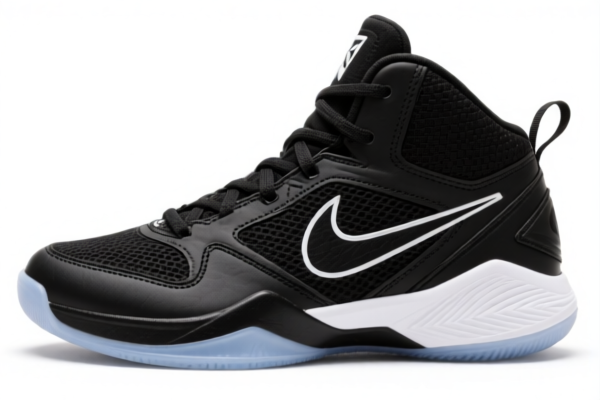
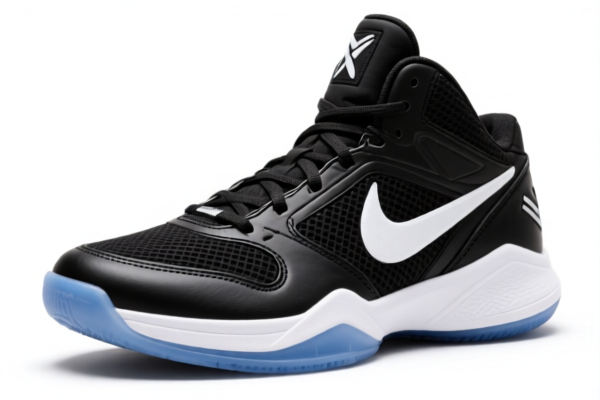
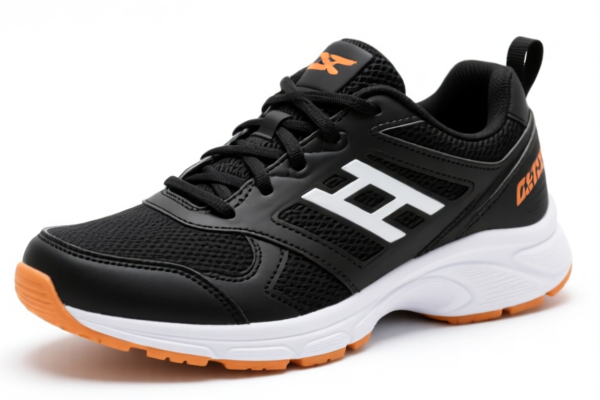
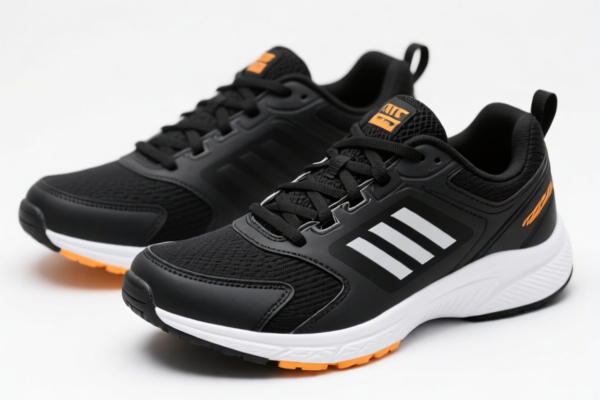
AI Analysis
👟 Plastic Shoe Sole (Adhesive Structure, Plant Fiber Upper)
🌐 HS Code Reference & Customs Clearance Guide | 2026 Latest Tariff Analysis | Professional Clearance Strategy
📌 I. Product Definition & Classification: Do You Really Understand "Shoes"?
A Shoe is defined in international trade not by its upper material alone, but by the construction method (how the upper is attached to the sole) and the primary material of the sole.
Your product is described as: 1. Upper: Plant Fiber (Natural/Vegetable material). 2. Sole: Plastic (Synthetic material). 3. Structure: Adhesive (Cemented/Laid-on, not vulcanized or molded as one piece).
⚠️ Critical Classification Point: * The Sole Material Rules: Under the Harmonized System (HS), if the sole is made of rubber or plastics, the shoe generally falls under Chapter 64, Heading 6404. * The Upper Material Matters Less for Heading: Even though the upper is plant fiber, the plastic sole determines the broad category. * The Construction Method: "Adhesive" structures fall under "Other" in Heading 6404 (specifically distinguishing it from "Sports Shoes" which often require a specific construction, or shoes where the upper and sole are molded together).
Key Distinction: * If the sole were Leather → Go to 6403. * If the sole were Wood → Go to 6405. * Since the sole is Plastic → Go to 6404.20 (or similar subheading). * Since it is Adhesive → It is usually classified under "Other" rather than "Sports Shoes" unless it fits a specific athletic definition.
📦 II. HS Code Classification Details (2026 Official Tariff)
Based on the structure "Plastic Sole + Plant Fiber Upper + Adhesive", the most accurate classification is likely 6404.20 (Footwear with outer soles of rubber or plastics) or a specific subheading for "Other" shoes.
Note: The specific 10-digit code varies by country (e.g., US HTS, EU CN). The table below uses the US HTS 2026 standard as the primary example, as US tariffs on footwear are complex.
| HS Code (HTS) | Product Description | Applicable Scenario | Upper Material | Sole Material | | :--- | :--- | :--- | :--- :--- | | 6404.20.00.00 | Footwear with outer soles of rubber or plastics; Tennis shoes, basketball shoes, gym shoes, training shoes and the like; Other footwear | Casual shoes, eco-friendly plant fiber sneakers, adhesive construction | Plant Fiber | Plastic | | 6404.11.20.00 | Footwear with outer soles of rubber or plastics; Other: With uppers of textile materials | If plant fibers are classified as "Textile" | Textile (Plant) | Plastic | | 6404.11.35.00 | Footwear with outer soles of rubber or plastics; Other: With uppers of leather/felt | Not applicable (Your upper is plant fiber, not leather) | Leather | Plastic | | 6404.11.60.00 | Footwear with outer soles of rubber or plastics; Other: With uppers of other materials | If plant fibers are not considered textile or leather | Other (Plant) | Plastic | | 6406.20.10.00 | Parts of footwear; Uppers and parts thereof, including uppers whether or not attached to the sole | Only if sold as a raw part (Not a finished shoe) | N/A | N/A |
🔍 Important Warning: * Do not misclassify as "Sports Shoes" (6404.11) unless the shoe is explicitly designed and marketed for athletic use (tennis, basketball, gym). Casual plant-fiber shoes with plastic soles usually fall under "Other" (6404.20). * "Plant Fiber" is the tricky part. Customs officers often classify plant fibers (coconut, jute, straw) as Textiles if woven, or "Other" if non-woven. This affects the subheading code (e.g., 6404.11 vs 6404.20). * Adhesive Structure: Confirms it is not a molded shoe (which would be 6404.19). It is a "Cemented" shoe, requiring specific documentation.
💰 III. 2026 Latest Tariff Rate Breakdown (US Market Focus)
✅ Applicable Market: USA (US) ✅ Country of Origin: China (CN) or SE Asia (depending on manufacturing) ✅ Effective Time: November 2025 onwards (Section 301 & 232 tariffs)
🎯 Scenario A: Classified as "Other Footwear" (6404.20)
(Most likely for casual/adhesive shoes)
| Item | Content |
|---|---|
| Base Rate (MFN) | 10.0% (General rate for plastic-soled footwear) |
| Section 301 (China) | +25.0% (Specific to China-origin goods) |
| Section 232 (Steel/Alum) | N/A (Not applicable) |
| De Minimis (80.01) | ❌ NO (Footwear is explicitly excluded from de minimis) |
| Total Tax Rate | 35.0% (10% + 25%) |
| Calculation | CIF Value × 35% |
📌 Explanation: * Even though the upper is "Plant Fiber," if the sole is plastic, the base rate is usually 10%, not 0%. * If imported from China, the 25% Section 301 tariff applies immediately. * Total Effective Duty: 35%.
🎯 Scenario B: Classified as "Sports/Athletic Footwear" (6404.11)
(If the plant fiber shoe is marketed as a "Sneaker" or "Athletic Shoe")
| Item | Content |
|---|---|
| Base Rate (MFN) | 6.0% (Lower rate for athletic shoes) |
| Section 301 (China) | +25.0% |
| Total Tax Rate | 31.0% (6% + 25%) |
| Calculation | CIF Value × 31% |
📌 Note: * If you can prove the shoe is "Sports" (e.g., has a specific outsole tread, cushioning system, marketed for running), you might qualify for the lower 6% base rate, but the 301 tariff remains. * Risk: Misdeclaring a casual shoe as "Sports" to save 4% is a common audit trigger.
🛠️ IV. Customs Clearance Practical Suggestions (Pitfall Avoidance)
✅ 1. Essential Documentation Checklist
To clear customs smoothly, you must provide:
| Document | Must Have? | Purpose |
|---|---|---|
| ✅ Detailed Product Description | ✔️ | Must state: "Plastic Sole, Plant Fiber Upper, Adhesive Construction". |
| ✅ Photographs (360°) | ✔️ | Must clearly show the sole material (plastic texture) and upper material (fiber weave). |
| ✅ Bill of Materials (BOM) | ✔️ | Breakdown of cost: Upper cost vs. Sole cost vs. Glue cost. |
| ✅ Construction Diagram | ✔️ | Show the adhesive layer. Prove it is not molded. |
| ✅ Fiber Material Proof | ✔️ | Certificates confirming "Plant Fiber" (e.g., Jute, Hemp, Coconut) to avoid "Textile" misclassification. |
| ✅ FCC/CE (if applicable) | ✔️ | If the shoes contain electronic components (e.g., LED soles), otherwise not needed. |
✅ 2. Declaration Strategy (The "Golden Rule")
🔥 "Sole Material Rules, Construction Defines Type"
| Situation | Correct Declaration | Wrong Declaration |
|---|---|---|
| Casual Plant-Fiber Shoe | 6404.20.00.00 (Other) |
6404.11.00.00 (Sports) → Audit Risk |
| Adhesive Sole | "Cemented / Adhesive Construction" | "Molded / One-Piece" → Major Error |
| Plant Fiber Upper | "Vegetable Fiber / Textile" | "Leather / Synthetic" → Rate Error |
| Origin | "Made in [Country]" | "Assembled in [Country]" → Rules of Origin Failure |
💡 Pro Tip: If the plant fiber upper is woven, classify as "Textile". If it is non-woven (pressed mats), it might be "Other". This changes the subheading.
✅ 3. Special Handling: "Plant Fiber" & "Adhesive"
- Plant Fiber Definition: Customs may ask if the fiber is natural or artificial. If it is Jute, it is natural. If it is "Raffia" or "Straw", it is natural. If it is a synthetic fiber made to look like plant fiber, it is "Textile".
- Impact: "Textile" uppers often have different base rates than "Other" uppers.
- Adhesive Structure: Ensure the glue is non-toxic and meets REACH (EU) or TSCA (US) standards. If the glue contains banned solvents, the shipment will be detained.
🌍 V. Global Market Clearance Comparison (2026)
| Region | Recommended HS Code | Base Duty | 301/Trade Tax | Certification | Notes |
|---|---|---|---|---|---|
| 🇺🇸 USA | 6404.20.00.00 | 10% | +25% (China) | N/A | High scrutiny on "Sports" vs "Other". |
| 🇪🇺 EU | 6404.11 or 6404.20 | 16% | +12% (EU Anti-Dumping) | CE + EPR (Packaging) | "Eco-friendly" status may reduce packaging tax. |
| 🇨🇦 Canada | 6404.11 or 6404.20 | 10% | +10% (CPTPP) | N/A | Lower tax if from Mexico/Canada. |
| 🇯🇵 Japan | 6404.11 or 6404.20 | 10% | +10% (JTEPA) | PSE (if electronic) | Strict on "Plant Fiber" content labeling. |
📌 Conclusion: * USA is the hardest market due to Section 301 tariffs. * Plant Fiber is a marketing asset ("Eco-friendly") but not a tariff discount in most cases. * Adhesive Construction is standard but requires clear documentation to avoid "Molded" classification errors.
📌 VI. Common Mistakes & Pitfalls (Lessons Learned)
❌ Mistake 1: Calling "Plant Fiber" shoes "Leather Shoes". 👉 Consequence: Wrong HS Code (6403) → 25% penalty + Fines.
❌ Mistake 2: Declaring "Sports Shoes" when the product is a Casual Slide. 👉 Consequence: Audit for "False Declaration" → Delay in Release + 301 Tariff Disputes.
❌ Mistake 3: Missing the "Adhesive" detail. 👉 Consequence: If the officer assumes it's Molded, they might apply a different duty rate.
❌ Mistake 4: "De Minimis" Claim (Shipments under $800). 👉 Consequence: Footwear is EXCLUDED from De Minimis in the US. You cannot ship this via Amazon/Mule-style $800 exemption. You must declare and pay duties.
🎯 VII. Conclusion: Professional Clearance for Success
🎯 Remember the Rule of Thumb:
🔹 "Plastic Sole = 6404" 🔹 "Plant Fiber = Textile/Other (Check Weave)" 🔹 "Adhesive = Not Molded" 🔹 "De Minimis = NO for Shoes"
📌 Tips for 2026: * If your product is "Eco-Friendly" (Plant Fiber), highlight this in the description, but do not expect a tariff reduction unless a specific green trade agreement applies. * Pre-clearance: If the volume is high, apply for a Binding Ruling from Customs (CBP) to confirm the "Plant Fiber" classification. * Supply Chain: If possible, manufacture in Vietnam or Mexico to bypass the 25% Section 301 tariff on Chinese goods.
📣 Call to Action:
📞 Contact a Customs Broker immediately. 🚀 Prepare a Product Specification Sheet showing the sole and upper materials clearly. 💼 Avoid the 35% Tax Trap by declaring correctly!
✨ Professional Clearance Starts with Precise Classification! 💼 Your Profit Margin Depends on the First Digit of the HS Code!
Customer Reviews
About HS Code Classification
The Harmonized System (HS) is an internationally standardized nomenclature developed by the World Customs Organization (WCO) to classify traded products. Over 200 countries use the HS system as the basis for customs tariffs, trade statistics, and import/export regulations.
Each HS code follows a hierarchical structure:
- Chapter (2 digits) — Broad category of goods (e.g., Chapter 84: Machinery and Mechanical Appliances)
- Heading (4 digits) — More specific grouping within the chapter
- Subheading (6 digits) — Internationally standardized breakdown, used by all WCO member countries
- National subdivisions (8-10 digits) — Country-specific extensions for further classification, such as US HTSUS 10-digit codes
Correct HS code classification is essential for smooth customs clearance, accurate duty payment, and compliance with trade regulations. Misclassification can lead to customs delays, overpayment of duties, or penalties.
When importing from CN to US, the applicable tariff rates may include:
- Most-Favored-Nation (MFN) rate — The standard duty rate applied to WTO members
- General rate — Applied to countries without trade agreements
- Trade remedy duties — Additional tariffs such as Section 301 (anti-dumping), Section 232 (national security), or countervailing duties
The information provided on this page is for reference purposes only. For official classification, please consult with your local customs authority or a licensed customs broker.