Plastic Shoe Sole (Glued Structure, No Mold)
CN → US| HS Code | Tariff Rate | Origin | Destination | Doc |
|---|---|---|---|---|
| 3926904590 | 13.5% | CN | US | Official Doc |
| 6404114900 | 47.5% | CN | US | Official Doc |
| 6404194990 | 47.5% | CN | US | Official Doc |
| 3926909989 | 22.8% | CN | US | Official Doc |
| 6402993165 | 16.0% | CN | US | Official Doc |
Product Images
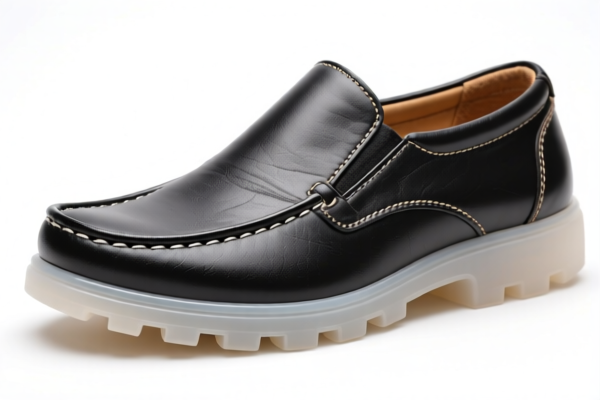
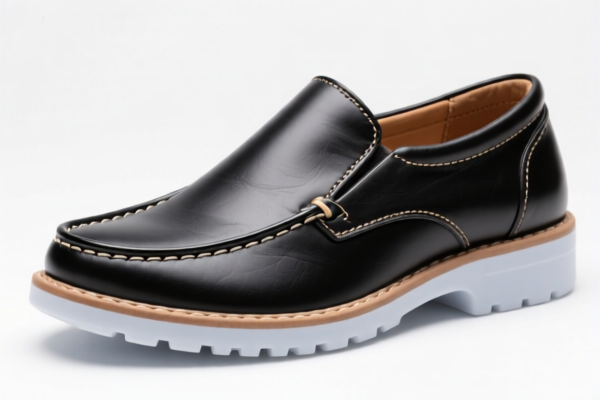
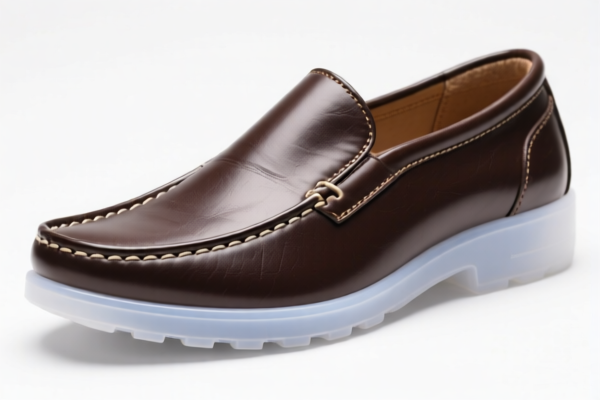
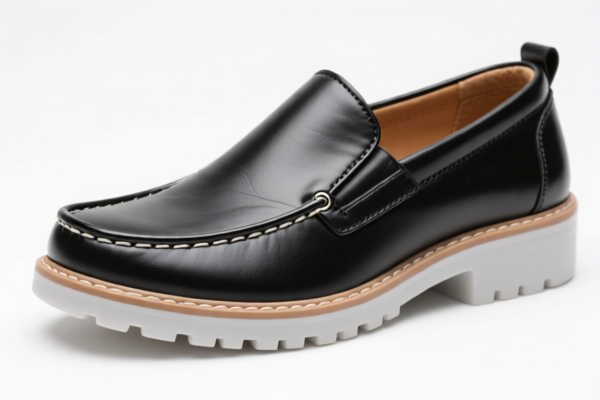
AI Analysis
👟 Plastic Shoe Soles (Glued Structure, No Mold)
🌐 HS Code Reference & Customs Clearance Guide | 2026 Latest Tariff Analysis | Professional-Level Strategy
📌 I. Product Definition & Classification: Do You Really Understand "Plastic Shoe Soles"?
Plastic shoe soles are critical components in footwear manufacturing. In international trade, they are typically divided into two main categories based on their function and material composition:
Plastic Products (Chapter 39): If the sole is considered a general plastic article without specific footwear structural classification, or if it's a semi-finished product not yet integrated into a complete shoe system. Footwear Components (Chapter 64): If the sole is specifically designed as the outer sole of footwear, matching the functional definition of "outsoles" under footwear classification.
⚠️ Key Distinction Point:
- If the sole is classified under Chapter 39 (Plastics), it often falls under general plastic articles, potentially benefiting from lower base tariffs but subject to specific "Section 122" rules.
- If classified under Chapter 64 (Footwear), it is treated as a specific footwear component, usually attracting higher base tariffs due to protective trade policies for the footwear industry.
- Crucial Note: The "Glued Structure, No Mold" description implies a specific manufacturing process, but customs classification relies primarily on material and function.
📦 II. HS Code Classification Details (2026 Latest Tariff Authority Comparison)
Based on the provided data, here are the five possible HS Codes for Plastic Shoe Soles (Glued Structure, No Mold):
| HS Code | Product Description | Scenario | Total Tax Rate | Tax Breakdown |
|---|---|---|---|---|
3926.90.45.90 |
Plastic soles, glued structure, no edging, classified as plastic products | General plastic article, not specifically as footwear outsole | 13.5% | Base: 3.5%, Section 122: 10% |
6404.11.49.00 |
Plastic soles, glued structure, no edging, compliant with outer sole classification | Specific footwear outer sole, rubber/plastic upper type | 47.5% | Base: 37.5%, Section 122: 10% |
6404.19.49.90 |
Plastic soles, glued connection, no edging, classified as other footwear outer soles | Other types of footwear outer soles, non-rubber/plastic upper specific | 47.5% | Base: 37.5%, Section 122: 10% |
3926.90.99.89 |
Plastic sole products, no material conflict, classified as other plastic products | General plastic article, alternative classification under Chapter 39 | 22.8% | Base: 5.3%, Section 122: 7.5% |
6402.99.31.65 |
Plastic soles, rubber or plastic material, classified as other footwear outer soles | Specific footwear outer sole, mixed material or general category | 16.0% | Base: 6.0%, Section 122: 10% |
🔍 Key Reminder:
- Chapter 39 vs. Chapter 64: The choice between these chapters significantly impacts the tariff. Chapter 39 generally has lower base tariffs, but Chapter 64 is more accurate for functional footwear components.
- Section 122 Tariff: This is a critical additional tax (10% or 7.5%) applied to plastic-related imports, often triggered by specific trade policies.
- Glued Structure: This manufacturing detail does not exempt the product from higher tariffs if it is classified under Chapter 64.
💰 III. 2026 Latest Tariff Rate Details (Including Surtaxes, Policy Additions)
✅ Applicable Country: United States (US)
✅ Origin: China (CN)
✅ Effective Date: 2025 (Assuming current trade policies remain)
🎯 1. 3926.90.45.90 – Plastic Soles, Classified as Plastic Products
| Item | Content |
|---|---|
| Base Tariff | 3.5% (ad valorem) |
| Section 122 Surtax | +10% (Specific to plastic products under certain trade provisions) |
| Total Tariff | 13.5% |
| Tax Calculation | CIF Value × 13.5% |
| De Minimis Eligibility | ❌ No (High risk of audit if under $800) |
| Legal Basis Path | USITC:3926.90.45.90 → Section 122: 10% |
📌 Explanation:
- This classification treats the sole as a general plastic article, avoiding the high footwear tariffs.
- Section 122 adds a 10% surcharge, but the total remains relatively low compared to Chapter 64.
- Risk: Customs may reclassify as footwear if the sole is clearly designed for specific shoe types, leading to back taxes.
🎯 2. 6404.11.49.00 & 6404.19.49.90 – Footwear Outer Soles (High Tariff Zone)
| Item | Content |
|---|---|
| Base Tariff | 37.5% (High protective tariff for footwear) |
| Section 122 Surtax | +10% |
| Total Tariff | 47.5% |
| Tax Calculation | CIF Value × 47.5% |
| De Minimis Eligibility | ❌ No |
| Legal Basis Path | USITC:6404.11.49.00 / 6404.19.49.90 → Section 122: 10% |
📌 Warning:
- These codes represent footwear components, triggering the highest tariffs.
- 37.5% Base Tariff is designed to protect domestic footwear manufacturers.
- Total 47.5% is extremely high; alternative classification (Chapter 39) must be carefully justified.
🎯 3. 3926.90.99.89 – Other Plastic Products (Intermediate Tariff)
| Item | Content |
|---|---|
| Base Tariff | 5.3% |
| Section 122 Surtax | +7.5% (Lower surcharge rate) |
| Total Tariff | 22.8% |
| Tax Calculation | CIF Value × 22.8% |
| De Minimis Eligibility | ❌ No |
| Legal Basis Path | USITC:3926.90.99.89 → Section 122: 7.5% |
📌 Note:
- This is a "catch-all" for plastic products not specified elsewhere.
- Lower Section 122 rate (7.5%) makes this a competitive option if Chapter 39 applies.
🎯 4. 6402.99.31.65 – Other Footwear Outer Soles (Medium-High Tariff)
| Item | Content |
|---|---|
| Base Tariff | 6.0% (Lower base for specific footwear types) |
| Section 122 Surtax | +10% |
| Total Tariff | 16.0% |
| Tax Calculation | CIF Value × 16.0% |
| De Minimis Eligibility | ❌ No |
| Legal Basis Path | USITC:6402.99.31.65 → Section 122: 10% |
📌 Strategic Point:
- This code offers a low base tariff (6.0%) within Chapter 64, resulting in a moderate total rate of 16.0%.
- Ideal if the sole fits the specific description of "other footwear outer soles" under this code.
🛠️ IV. Customs Clearance Practical Advice (Real-World Pitfall Guide)
✅ 1. Documentation Checklist (Essential)
| Document | Required | Explanation |
|---|---|---|
| ✅ Product Specification Sheet | ✔️ | Must detail material (plastic type), structure (glued, no mold), and dimensions. |
| ✅ Technical Drawings | ✔️ | Show glued structure and confirm "no mold" process to support Chapter 39 if possible. |
| ✅ Product Photos | ✔️ | Clear images of the sole, showing no upper attached, to prove it's a component. |
| ✅ Commercial Invoice | ✔️ | Clearly state "Plastic Shoe Sole, Glued Structure, No Mold" – avoid vague terms like "shoe part". |
| ✅ Certificate of Origin (CO) | ✔️ | For origin verification, especially if claiming preferential rates elsewhere. |
| ✅ Packing List | ✔️ | Detail quantity, weight, and packaging to avoid discrepancies. |
✅ 2. Declaration Tips (Key Mnemonics)
🔥 "Material Defines Chapter, Function Defines Code, Section 122 is Key, Low Base Saves Big!"
| Scenario | Correct Declaration | Wrong Practice |
|---|---|---|
| Sole as General Plastic | 3926.90.45.90 (13.5%) |
Misclassifying as footwear → 47.5% |
| Sole as Specific Footwear Component | 6402.99.31.65 (16.0%) |
Using generic "plastic part" → Risk of reclassification |
| Sole as Other Footwear Outer Sole | 6404.11.49.00 / 6404.19.49.90 (47.5%) |
Only if strictly required by function; otherwise avoid |
| Mixed Material or General Plastic | 3926.90.99.89 (22.8%) |
Using higher tariff codes unnecessarily |
✅ 3. Special Cases Handling
| Case | Handling Advice |
|---|---|
| OEM Custom Soles | Provide client design specs to prove specific function; argue for Chapter 39 if design allows. |
| Soles with Adhesive Already Applied | Clearly state "Glued Structure" in description; do not claim as "ready-to-wear" shoes. |
| Multiple Materials | If plastic is primary material, argue for Chapter 39; if mixed, consider 6402.99.31.65. |
| High-Value Imports | Always apply for Advance Ruling (Pre-classification) to avoid disputes at customs. |
🌍 V. Global Market Clearance Comparison (2026 Latest)
| Country/Region | Recommended HS Code | Tariff | Certification | Note |
|---|---|---|---|---|
| 🇺🇸 USA | 3926.90.45.90 or 6402.99.31.65 |
13.5% or 16.0% | FDA (if food contact), Prop 65 | Avoid 6404 codes unless necessary due to 47.5% |
| 🇨🇳 China | 3926.90.45.90 or 6404.11.49.00 |
5%-10% | CCC (if applicable) | No Section 122; lower overall cost |
| 🇪🇺 EU | 3926.90.90 or 6404.11 |
0%-6.5% | CE (if consumer product) | Different Chapter structure; no Section 122 |
| 🇬🇧 UK | 3926.90.90 or 6404.11 |
0%-6.5% | UKCA | Post-Brexit rules; similar to EU |
📌 Conclusion:
- USA is the most complex market due to Section 122 surtaxes and high footwear tariffs.
- Chapter 39 classification is preferred for cost efficiency (13.5% vs 47.5%).
- Advance Ruling is highly recommended for the US to lock in the lower tariff rate.
📌 VI. Common Mistakes & Pitfall Guide (Blood Lessons)
❌ Mistake 1: Declaring plastic soles as "Footwear" instead of "Components"
👉 Consequence: Tariff jumps from 13.5% to 47.5% → Massive cost increase!
❌ Mistake 2: Ignoring Section 122 in Chapter 39 classification
👉 Consequence: Under-declaring by 10% → Penalties and back taxes!
❌ Mistake 3: Using vague terms like "Shoe Part"
👉 Consequence: Customs ambiguity → Delay in clearance or audit!
❌ Mistake 4: Assuming all plastic products are equal
👉 Consequence: Misusing 3926.90.99.89 when 3926.90.45.90 applies → Overpayment or underpayment risks!
✅ Correct Practice:
"Plastic Shoe Sole, Glued Structure, No Mold, Material: PVC, for Footwear Manufacturing Only"
🎯 VII. Conclusion: Precise Classification Saves Money!
🎯 Remember the Mnemonic:
🔹 "Chapter 39 for Plastic, Chapter 64 for Footwear, Section 122 Adds Cost, Low Base is Gold!"
🔹 "HS Code Determines Duty, 34% Difference Can Change Your Profit Margin!"
📌 Pro Tip:
If your soles are plastic-based and not specifically structured as finished footwear components, always argue for Chapter 39 classification (3926.90.45.90 or 3926.90.99.89).
Consider Advance Ruling for the US to secure the 13.5% or 22.8% rate instead of risking the 47.5% rate.
📣 Immediate Action:
📞 Contact a Professional Customs Broker + Provide Product Specs + Apply for HS Code Advance Ruling
🚀 Let your plastic soles clear customs smoothly, efficiently, and cost-effectively!
✨ Professional Clearance Starts with Accurate Classification!
💼 Every Dollar of Tariff Saved is Pure Profit!
Customer Reviews
About HS Code Classification
The Harmonized System (HS) is an internationally standardized nomenclature developed by the World Customs Organization (WCO) to classify traded products. Over 200 countries use the HS system as the basis for customs tariffs, trade statistics, and import/export regulations.
Each HS code follows a hierarchical structure:
- Chapter (2 digits) — Broad category of goods (e.g., Chapter 84: Machinery and Mechanical Appliances)
- Heading (4 digits) — More specific grouping within the chapter
- Subheading (6 digits) — Internationally standardized breakdown, used by all WCO member countries
- National subdivisions (8-10 digits) — Country-specific extensions for further classification, such as US HTSUS 10-digit codes
Correct HS code classification is essential for smooth customs clearance, accurate duty payment, and compliance with trade regulations. Misclassification can lead to customs delays, overpayment of duties, or penalties.
When importing from CN to US, the applicable tariff rates may include:
- Most-Favored-Nation (MFN) rate — The standard duty rate applied to WTO members
- General rate — Applied to countries without trade agreements
- Trade remedy duties — Additional tariffs such as Section 301 (anti-dumping), Section 232 (national security), or countervailing duties
The information provided on this page is for reference purposes only. For official classification, please consult with your local customs authority or a licensed customs broker.