Plastic Shoe Sole Glue
CN → US| HS Code | Tariff Rate | Origin | Destination | Doc |
|---|---|---|---|---|
| 6406200000 | 20.2% | CN | US | Official Doc |
| 6406903030 | 15.3% | CN | US | Official Doc |
| 6402993177 | 16.0% | CN | US | Official Doc |
| 6402992790 | 20.5% | CN | US | Official Doc |
| 3926905900 | 37.4% | CN | US | Official Doc |
Product Images
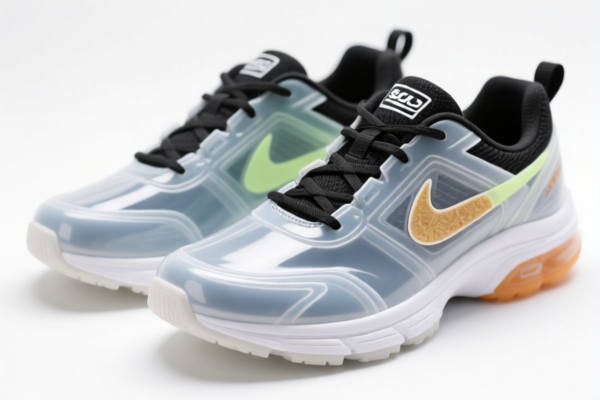
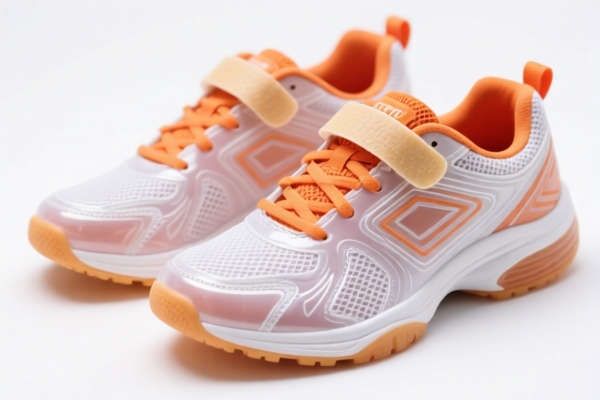
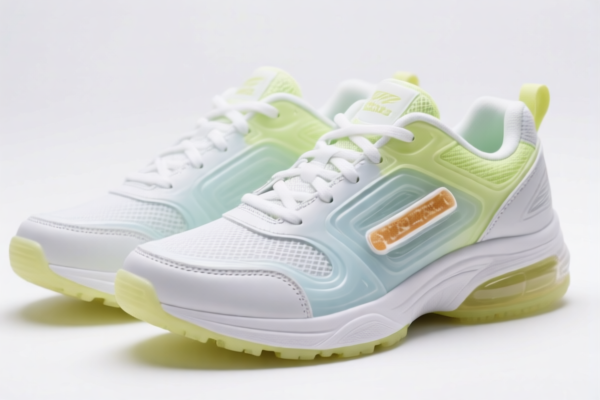

AI Analysis
👞 Plastic Shoe Sole (Glued Structure): HS Code Classification & Customs Clearance Guide
🌐 HS Code Reference & Customs Clearance Guide | 2026 Latest Tariff Analysis | Professional Customs Strategy
📌 I. Product Definition & Classification: What Exactly is "Plastic Shoe Sole Glue"?
"Plastic Shoe Sole (Glued Structure)" refers to the outsole of a shoe, manufactured primarily from plastic materials, designed to be attached to the upper part of the shoe using adhesive (glue). In international trade, this product can fall under different categories depending on its specific physical form, structural integration, and material composition.
⚠️ Key Distinction: - If it is a dedicated shoe part (outsole) made of plastic → It typically falls under Chapter 64 (Footwear, Gaiters and the like). - If it is considered a general plastic article without specific footwear application → It may fall under Chapter 39 (Plastics and articles thereof). - Critical Factor: The classification hinges on whether the item is specifically identifiable as a "part of footwear" or a "general plastic component."
📦 II. HS Code Classification Details (2026 Latest Tariff Authority Comparison)
Based on the provided data, here are the five potential HS Codes and their corresponding tax implications:
| HS Code | Product Description | Application Scenario | Material & Structure |
|---|---|---|---|
6406.20.00.00 |
Plastic Outsoles (Glued Structure) | Shoe parts, specifically outsoles | Plastic material, outsole category |
6406.90.30.30 |
Plastic Shoe Soles (Glued Structure) | Rubber or plastic sole classification | Plastic material, sole form |
6402.99.31.77 |
Plastic Shoe Sole (Glued Structure) | Other footwear components | Plastic material, shoe component |
6402.99.27.90 |
Plastic Shoe Sole (Glued Structure) | Other shoe components | Plastic material, reasonable inference |
3926.90.59.00 |
Plastic Shoe Sole (Glued Structure) | Other plastic articles | Plastic material, no conflict |
🔍 Key Reminder: - Chapter 64 covers "Parts of footwear." If the plastic sole is specifically shaped and sized for a shoe, it is more likely to be classified here. - Chapter 39 covers "Articles of plastic." If the sole is a generic plastic piece not specifically identifiable as a shoe part, it might be classified here, but this often attracts higher tariffs.
💰 III. 2026 Latest Tariff Rate Breakdown (Including Surtaxes & Policy Add-ons)
✅ Applicable Country: United States (US) ✅ Origin: China (CN) ✅ Effective Date: From November 10, 2025 onwards (including subsequent imports)
🎯 1. 6406.20.00.00 —— Plastic Outsoles (Glued Structure)
| Item | Content |
|---|---|
| Basic Tariff | 2.7% |
| Surtax (Section 301) | 7.5% |
| Section 122 Tariff | 10% |
| Total Tariff Rate | 20.2% |
| Tax Calculation | CIF Value × 20.2% |
| De Minimis Eligibility | ❌ Not Eligible |
| Legal Basis Path | Base Tariff → Section 301 → Section 122 |
📌 Explanation: - This classification is for dedicated plastic outsoles. - The total tariff is 20.2%, which includes a moderate base rate and specific surtaxes.
🎯 2. 6406.90.30.30 —— Plastic Shoe Soles (Glued Structure)
| Item | Content |
|---|---|
| Basic Tariff | 5.3% |
| Surtax (Section 301) | 0.0% |
| Section 122 Tariff | 10% |
| Total Tariff Rate | 15.3% |
| Tax Calculation | CIF Value × 15.3% |
| De Minimis Eligibility | ❌ Not Eligible |
| Legal Basis Path | Base Tariff → No Section 301 → Section 122 |
📌 Note: - This code has no Section 301 surtax, making it significantly cheaper than others. - The total tariff is 15.3%, the lowest among all options provided. - Suitable for general plastic soles that fit the "other" category in Chapter 64.
🎯 3. 6402.99.31.77 —— Plastic Shoe Sole (Glued Structure)
| Item | Content |
|---|---|
| Basic Tariff | 6.0% |
| Surtax (Section 301) | 0.0% |
| Section 122 Tariff | 10% |
| Total Tariff Rate | 16.0% |
| Tax Calculation | CIF Value × 16.0% |
| De Minimis Eligibility | ❌ Not Eligible |
| Legal Basis Path | Base Tariff → No Section 301 → Section 122 |
📌 Note: - This is another low-surtax option. - Total tariff is 16.0%. - Suitable for other footwear components made of plastic.
🎯 4. 6402.99.27.90 —— Plastic Shoe Sole (Glued Structure)
| Item | Content |
|---|---|
| Basic Tariff | 3.0% |
| Surtax (Section 301) | 7.5% |
| Section 122 Tariff | 10% |
| Total Tariff Rate | 20.5% |
| Tax Calculation | CIF Value × 20.5% |
| De Minimis Eligibility | ❌ Not Eligible |
| Legal Basis Path | Base Tariff → Section 301 → Section 122 |
📌 Note: - Higher total tariff due to Section 301 surtax. - Total tariff is 20.5%.
🎯 5. 3926.90.59.00 —— Plastic Shoe Sole (Glued Structure)
| Item | Content |
|---|---|
| Basic Tariff | 2.4% |
| Surtax (Section 301) | 25.0% |
| Section 122 Tariff | 10% |
| Total Tariff Rate | 37.4% |
| Tax Calculation | CIF Value × 37.4% |
| De Minimis Eligibility | ❌ Not Eligible |
| Legal Basis Path | Base Tariff → Section 301 → Section 122 |
📌 Critical Warning: - This classification places the product under General Plastic Articles rather than Footwear Parts. - The Section 301 surtax is 25%, leading to the highest total tariff of 37.4%. - Avoid this classification if possible unless the product cannot be reasonably classified as a footwear part.
🛠️ IV. Customs Clearance Practical Advice (Avoid Pitfalls Guide)
✅ 1. Preparation Checklist (Essential Documents)
| Document | Must Provide | Description |
|---|---|---|
| ✅ Product Specification | ✔️ | Dimensions, material composition (100% plastic?), glue type, weight |
| ✅ Product Photos | ✔️ | Clear images showing the sole shape, thickness, and structure |
| ✅ Commercial Invoice | ✔️ | Clearly state "Plastic Shoe Sole, Glued Structure" |
| ✅ Packing List | ✔️ | Indicate quantity and packaging details |
| ✅ Origin Certificate | ✔️ | If applicable, for potential tariff preferences |
| ✅ Test Report (if any) | ✔️ | Material safety, durability tests |
✅ 2. Declaration Tips (Key Strategy)
🔥 "Classify as Footwear Part, Avoid General Plastic, Choose Low Surcharge Code!"
| Scenario | Correct Declaration | Wrong Practice |
|---|---|---|
| Dedicated Plastic Outsole | 6406.20.00.00 or 6406.90.30.30 |
Misclassifying as 3926.90.59.00 → 37.4% |
| General Plastic Sole | 6406.90.30.30 (if eligible) |
Misclassifying as 6402.99... → Higher risk |
| Any Plastic Article | 3926.90.59.00 |
Only if not clearly a footwear part |
📌 Explanation: - Priority: Classify under Chapter 64 (Footwear Parts) whenever possible. - Best Option:
6406.90.30.30offers the lowest total tariff (15.3%) with no Section 301 surtax. - Avoid:3926.90.59.00due to the 25% Section 301 surtax, resulting in a 37.4% total tariff.
✅ 3. Special Cases Handling
| Scenario | Handling Advice |
|---|---|
| OEM Custom Soles | Provide design drawings and specifications to prove they are dedicated footwear parts. |
| Mixed Material Soles | If plastic is the primary material, still classify under Chapter 64. |
| Non-Footwear Use | If the sole is used for non-footwear purposes (e.g., industrial mats), consider 3926.90.59.00, but be prepared for higher tariffs. |
| Pre-Ruling Request | Apply for an Advance Ruling from US Customs to confirm the correct HS Code before shipment. |
🌍 V. Global Market Customs Comparison (2026 Latest)
| Country/Region | Recommended HS Code | Tariff (China Origin) | Certification Requirements | Notes |
|---|---|---|---|---|
| 🇺🇸 USA | 6406.90.30.30 |
15.3% | None specified | Lowest tariff among options |
| 🇨🇳 China | 6406.20.00.00 |
Varies | CCC (if applicable) | Check local import policies |
| 🇪🇺 EU | 6406.20.00.00 |
0-10% | CE, REACH | No Section 122 equivalent |
| 🇬🇧 UK | 6406.20.00.00 |
0-10% | UKCA | Post-Brexit rules apply |
📌 Conclusion: - USA is the most critical market due to Section 301 and Section 122 tariffs. - China-origin plastic shoe soles face high tariffs in the US, but
6406.90.30.30offers a cost-effective solution at 15.3%. - EU and UK generally have lower or zero tariffs for footwear parts, with no equivalent Section 301 surtax.
📌 VI. Common Mistakes & Pitfall Avoidance (Blood Lessons)
❌ Mistake 1: Classifying dedicated shoe soles as "General Plastic Articles" (3926.90.59.00)
👉 Consequence: Tariff jumps from 15.3% to 37.4% → Additional cost of 22.1%!
❌ Mistake 2: Not providing clear product specifications 👉 Consequence: Customs cannot determine if it's a footwear part → Delay, inspection, or reclassification
❌ Mistake 3: Assuming all plastic soles have the same tariff 👉 Consequence: Misclassification leads to back taxes and penalties
❌ Mistake 4: Ignoring Section 122 Tariff 👉 Consequence: All options include a 10% Section 122 tariff, which must be accounted for in cost calculations.
✅ Correct Practice:
"Plastic Shoe Sole, Glued Structure, 100% Plastic, Outsole for Footwear, Model XYZ, Specific Dimensions: A x B x C"
🎯 VII. Conclusion: Professional Classification Saves Money!
🎯 Remember the Key Rule:
🔹 "Classify as Footwear Part, Avoid General Plastic!" 🔹 "Choose
6406.90.30.30for the Lowest Tariff (15.3%)" 🔹 "Avoid3926.90.59.00to Escape the 37.4% Trap!"
📌 Pro Tip: If your plastic shoe soles are originating from Vietnam, Mexico, or Thailand, you may qualify for IEEPA Exemptions or lower tariffs under free trade agreements. Recommend Applying for an Advance Ruling to confirm the correct HS Code before shipping.
📣 Act Now:
📞 Contact a Professional Customs Broker + Provide Product Specs + Apply for HS Code Advance Ruling 🚀 Ensure Smooth Customs Clearance, Lower Costs, and Higher Profits!
✨ Professional Clearance Starts with Accurate Classification! 💼 Every Cent of Your Cost Deserves Precise Calculation!
Customer Reviews
About HS Code Classification
The Harmonized System (HS) is an internationally standardized nomenclature developed by the World Customs Organization (WCO) to classify traded products. Over 200 countries use the HS system as the basis for customs tariffs, trade statistics, and import/export regulations.
Each HS code follows a hierarchical structure:
- Chapter (2 digits) — Broad category of goods (e.g., Chapter 84: Machinery and Mechanical Appliances)
- Heading (4 digits) — More specific grouping within the chapter
- Subheading (6 digits) — Internationally standardized breakdown, used by all WCO member countries
- National subdivisions (8-10 digits) — Country-specific extensions for further classification, such as US HTSUS 10-digit codes
Correct HS code classification is essential for smooth customs clearance, accurate duty payment, and compliance with trade regulations. Misclassification can lead to customs delays, overpayment of duties, or penalties.
When importing from CN to US, the applicable tariff rates may include:
- Most-Favored-Nation (MFN) rate — The standard duty rate applied to WTO members
- General rate — Applied to countries without trade agreements
- Trade remedy duties — Additional tariffs such as Section 301 (anti-dumping), Section 232 (national security), or countervailing duties
The information provided on this page is for reference purposes only. For official classification, please consult with your local customs authority or a licensed customs broker.