Plastic Shoes
CN → US| HS Code | Tariff Rate | Origin | Destination | Doc |
|---|---|---|---|---|
| 3926909989 | 22.8% | CN | US | Official Doc |
| 6402191520 | 22.6% | CN | US | Official Doc |
| 6402191541 | 22.6% | CN | US | Official Doc |
| 6404112060 | 20.5% | CN | US | Official Doc |
| 6404193980 | 47.5% | CN | US | Official Doc |
Product Images
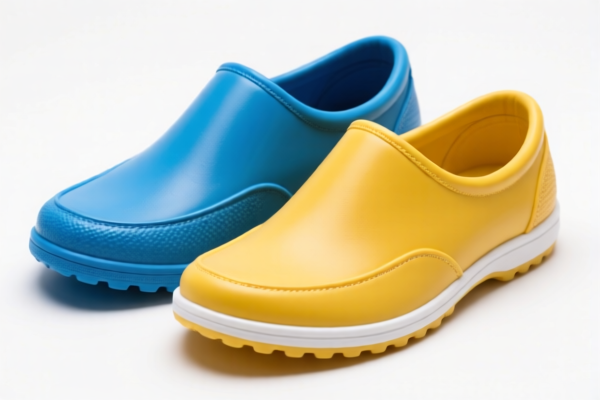

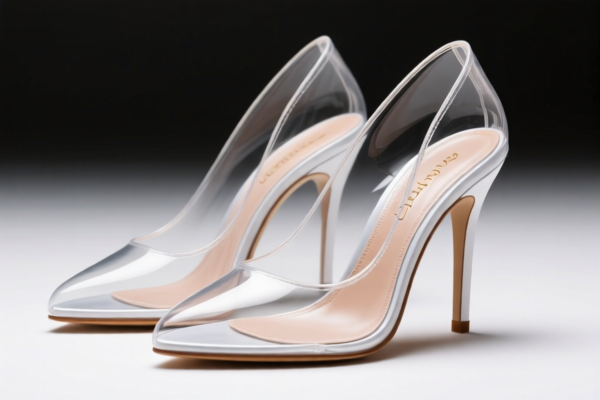

AI Analysis
👟 Plastic Shoes: The Ultimate HS Code Guide & Duty Strategy (2026)
🌐 HS Code Reference & Clearance Strategy | 2026 Tax Year Breakdown | Expert Customs Survival Guide
📌 Section I: Product Definition & Classification Logic
Plastic Shoes are a broad category of footwear defined by the outer sole and upper being primarily composed of rubber or plastic. In international trade (specifically US Customs), the classification hinges on: 1. Material Composition: Are the sole and upper both plastic/rubber? 2. Function: Are they Sports Shoes (Athletic) or "Other" (Fashion/Work)? 3. Construction: Are they "Sneakers" or "Other" types?
⚠️ Critical Classification Warning:
- If they are Sports Shoes (Athletic) with plastic/rubber soles/ups → HS 6404 (Lower base duty, but heavy Section 301 impact).
- If they are "Other" Shoes with plastic/rubber soles → HS 6402 or 6402.19 (High base duty + heavy Section 301 impact).
- Mistake Alert: Misclassifying "Other" shoes as "Sports" to lower base duty can trigger severe penalties and 47.5% total tax.
📦 Section II: HS Code Breakdown (2026 Tax Year Authorized Data)
| HS Code | Product Description | Scenario & Logic | Total Tax (US) |
|---|---|---|---|
3926.90.99.89 |
Plastic Articles (Non-Footwear) | Logic: "Other Plastic Products" (Plastic parts, accessories, or non-shoe items). Note: Not actual footwear, but plastic parts used in shoes. | 22.8% |
6402.19.15.20 |
Plastic/Rubber Shoes (Sports) | Logic: "Other shoes with outer sole of rubber/plastic" falling under Sport category (e.g., specific athletic styles not fully covered by standard sneaker codes). | 22.6% |
6402.19.15.41 |
Plastic/Rubber Shoes (Sports) | Logic: "Other shoes with outer sole of rubber/plastic" - Specific sub-category for sports shoes (e.g., specialized rubber-soled sneakers). | 22.6% |
6404.11.20.60 |
Plastic Sole Sports Shoes | Logic: "Sports Shoes" (Sneakers) with uppers of textile OR plastic, based on "Sports" classification principle. Best for Athletic Shoes. | 20.5% |
6404.19.39.80 |
Plastic Soled "Other" Shoes | Logic: FALL-BACK (Residual) Category. "Other footwear" (Non-sports) with plastic/rubber soles. High Base Duty Trap. | 47.5% |
🔍 Key Insight:
-6404Series (Sports): Lower base duty (10.5% or 5.1%) but still hit with Section 301 & 122 tariffs. Total ~20.5% - 22.6%.
-6402Series (Other): Extremely high base duty (37.5%) + Section 301 + 122. Total 47.5%.
-3926: Only for parts/accessories, NOT finished shoes. Do not use for finished goods!
💰 Section III: 2026 Tariff Breakdown & Legal Basis (USA - China Origin)
✅ Applicable Market: 🇺🇸 United States
✅ Origin: 🇨🇳 China
✅ Effective Date: 2025/2026 Period (Including Section 301 & 122)
🎯 Category A: Sports Shoes (6404.11.20.60)
The "Sweet Spot" for Athletic Footwear.
| Item | Detail |
|---|---|
| Base Duty | 10.5% (Ad valorem) |
| Section 301 (Section 701) | +0.0% (0% surcharge for this specific sub-code) |
| Section 122 Duty | +10.0% (Additional 10% tariff) |
| Total Rate | 20.5% |
| Calculation | CIF Value × 20.5% |
| Legal Path | HTSUS 6404.11.20.60 → Section 301 (Footnote) → Section 122 |
📌 Explanation:
- Base 10.5%: Standard duty for sports shoes.
- Section 301 (0%): Unlike other plastic goods, this specific sports sub-code often benefits from a 0% surcharge in the Section 301 list (unlike the 7.5% or 25% applied elsewhere).
- Section 122 (10%): Mandatory 10% add-on for Chinese-origin goods.
- Total 20.5%: The most competitive rate for plastic sports shoes.
🎯 Category B: Specific Sports Shoes (6402.19.15.20 / 6402.19.15.41)
The "Grey Zone" for Athletic/Plastic Shoes.
| Item | Detail |
|---|---|
| Base Duty | 5.1% |
| Section 301 (Section 701) | +7.5% (Standard 301 surcharge) |
| Section 122 Duty | +10.0% |
| Total Rate | 22.6% |
| Legal Path | HTSUS 6402.19.15.xx → Section 301 → Section 122 |
📌 Explanation:
- These fall under "Other" (6402) but are classified as sports.
- Base 5.1% is low, but Section 301 surcharge is 7.5% (unlike 0% in 6404.11).
- Total 22.6%: Slightly higher than 6404.11, but significantly lower than "Other" shoes.
🎯 Category C: "Other" Shoes (6404.19.39.80)
The "High Tax" Trap (Do NOT use for Sports)!
| Item | Detail |
|---|---|
| Base Duty | 37.5% (Huge Base Duty) |
| Section 301 (Section 701) | +0.0% |
| Section 122 Duty | +10.0% |
| Total Rate | 47.5% |
| Legal Path | HTSUS 6404.19.39.80 → Section 122 |
📌 CRITICAL WARNING:
- Base Duty 37.5%: This is for non-sports plastic shoes (e.g., fashion clogs, slip-ons not considered "athletic").
- Total 47.5%: Double the cost of sports shoes!
- Risk: If you import a plastic sneaker and declare it as "Other" (6404.19...), you save nothing but pay 47.5%. If you declare a "Fashion Shoe" as "Sports", you face Audits, Seizures, and Penalties.
🎯 Category D: Plastic Parts (3926.90.99.89)
For Parts, Not Shoes.
| Item | Detail |
|---|---|
| Base Duty | 5.3% |
| Section 301 | +7.5% |
| Section 122 | +10.0% |
| Total Rate | 22.8% |
| Usage | Only for plastic components (e.g., insoles, decorative clips, soles sold separately). |
📌 Explanation:
- If you ship finished shoes, this code is WRONG.
- If you ship spare parts, this is correct.
- Total 22.8%: Similar to Category B, but legally distinct.
🛠️ Section IV: Customs Clearance Strategy & "Do's & Don'ts"
✅ 1. Documentation Checklist (Mandatory for USA)
| Document | Requirement | Why? |
|---|---|---|
| ✅ Technical Spec Sheet | ✔️ Must list: Sole material (Plastic/Rubber), Upper material, Intended use (Sports vs. Fashion) | Determines if it's 6404 (Sports) or 6402/6404.19 (Other). |
| ✅ Product Photos | ✔️ Must show: Laces, tread pattern, heel structure, branding. | Customs officers check if it's a "Sneaker" (Sports) or "Clog" (Other). |
| ✅ Commercial Invoice | ✔️ Description: "Plastic Sports Shoes" or "Plastic Fashion Shoes" (Be specific!) | Vague descriptions ("Plastic Shoes") lead to misclassification penalties. |
| ✅ Packing List | ✔️ Weight & Dimensions per pair. | For duty calculation (CIF). |
| ✅ Country of Origin | ✔️ Must state "Made in China". | Triggers Section 301 and Section 122 tariffs. |
✅ 2. Classification Logic (The "Sports" Test)
🔥 The Golden Rule: "If it's for running, gym, or athletic play, it's
6404.11(20.5%)."
"If it's for office wear, fashion, or casual strolling, it's6404.19(47.5%)!"
| Scenario | Correct HS Code | Rate | Risk if Wrong |
|---|---|---|---|
| Running Sneakers (Plastic sole) | 6404.11.20.60 |
20.5% | ❌ If declared "Other": 47.5% + Penalties |
| Fashion Slip-on (Plastic sole) | 6404.19.39.80 |
47.5% | ❌ If declared "Sports": Audited, Back-taxed, Seized |
| Specialized Gym Shoe (Plastic) | 6402.19.15.20 |
22.6% | ✅ Safe if clearly defined as "Sport" under 6402. |
| Plastic Sandals (Not Sports) | 6404.19.39.80 |
47.5% | ❌ Do not try to call them "Sports". |
✅ 3. Section 122 & 301 Clarity
📌 Section 301 (Section 701): - Most plastic goods: +7.5% or +25%. - Sports Shoes (
6404.11): Often +0.0% (Low base duty is the key). - "Other" Shoes (6404.19): +0.0% (But base duty is 37.5%, making it expensive).📌 Section 122: - +10% is applied to ALL Chinese-origin plastic/rubber footwear in this list. - No exemptions for de minimis or small shipments.
🚨 Section V: Common Mistakes & "Blood & Tears" Lessons
❌ Mistake 1: Calling Fashion Shoes "Sports Shoes"
- Action: Declaring "Plastic Slip-ons" as 6404.11.20.60 to get 20.5% tax.
- Result: US Customs Audit → Classification Error → 47.5% back-taxed + 20% Penalty + Seizure.
- Fix: Be honest. If it's not for sport, pay the 47.5% or find a non-plastic alternative.
❌ Mistake 2: Using 3926 for Finished Shoes
- Action: Declaring a pair of plastic sneakers as "Plastic Articles" (3926.90.99.89).
- Result: Rejection. Shoes belong in Chapter 64 (Footwear), not Chapter 39 (Plastics).
- Fix: Always use Chapter 64 for finished footwear.
❌ Mistake 3: Ignoring "122条款" (Section 122) - Action: Calculating only base duty (5.1% or 10.5%) and ignoring the +10%. - Result: Cash Flow Crisis. You budget for 10% tax but owe 20.5% or 47.5%. - Fix: Always add 10% (Section 122) to your final calculation.
🌍 Section VI: Market Comparison (2026 USA Focus)
| Market | Recommended Code | Base Duty | Section 301/122 | Total Effective Rate |
|---|---|---|---|---|
| 🇺🇸 USA | 6404.11.20.60 (Sports) |
10.5% | +10% (122) | 20.5% |
| 🇺🇸 USA | 6404.19.39.80 (Other) |
37.5% | +10% (122) | 47.5% |
| 🇪🇺 EU | 6404 |
~8-10% | No 301/122 | ~10-12% |
| 🇨🇳 China | 6404 |
~10% | No 301/122 | ~10% |
📌 Conclusion:
- USA is the most expensive market for Chinese plastic shoes due to Section 122 (+10%) and Section 301.
- Strategy: Ensure your plastic shoes are legally classified as "Sports" (6404.11) to minimize base duty. If they are "Other", you are paying 47.5%, which may destroy your profit margin.
📌 Section VII: Expert Tips for 2026 Clearance
🔹 Tip 1: "Sport" is a Legal Definition
Do not just write "Sports" on the invoice. Describe the tread pattern, heel support, and intended use (e.g., "Running, Jogging, Gym Training").🔹 Tip 2: Avoid "Plastic" in the Name
Instead of "Plastic Shoes", use "Rubber/Plastic Sole Athletic Footwear" to trigger the correct6404classification immediately.🔹 Tip 3: Pre-Ruling (Ruling Letter)
If you are unsure if your shoe is "Sports" or "Other", file a Binding Ruling with US Customs before shipping. Cost: ~$200. Value: Saves $100,000s in potential penalties.🔹 Tip 4: The "122" Hammer
Remember: Section 122 (+10%) applies to all plastic/rubber shoes from China in 2026. Factor this into your pricing model.
🎯 Final Verdict: The Winning Strategy
🏆 Best Case: Plastic Sports Sneakers →
6404.11.20.60→ 20.5% Total Tax.
🚫 Worst Case: Plastic Fashion Clogs →6404.19.39.80→ 47.5% Total Tax.
⚠️ Trap: "Other" Shoes (6402/6404.19) with high base duty (37.5%) → 47.5% Total.
Action Plan:
1. Verify if your shoe is truly "Sports" (Athletic).
2. Declare 6404.11.20.60 if yes.
3. Declare 6404.19.39.80 if no (accept the 47.5% cost).
4. NEVER use 3926 for finished shoes.
5. ALWAYS include Section 122 (+10%) in your cost calculation.
✨ Clearance Success starts with Precision!
💼 Don't let a misclassified HS Code destroy your profit margin!
Customer Reviews
About HS Code Classification
The Harmonized System (HS) is an internationally standardized nomenclature developed by the World Customs Organization (WCO) to classify traded products. Over 200 countries use the HS system as the basis for customs tariffs, trade statistics, and import/export regulations.
Each HS code follows a hierarchical structure:
- Chapter (2 digits) — Broad category of goods (e.g., Chapter 84: Machinery and Mechanical Appliances)
- Heading (4 digits) — More specific grouping within the chapter
- Subheading (6 digits) — Internationally standardized breakdown, used by all WCO member countries
- National subdivisions (8-10 digits) — Country-specific extensions for further classification, such as US HTSUS 10-digit codes
Correct HS code classification is essential for smooth customs clearance, accurate duty payment, and compliance with trade regulations. Misclassification can lead to customs delays, overpayment of duties, or penalties.
When importing from CN to US, the applicable tariff rates may include:
- Most-Favored-Nation (MFN) rate — The standard duty rate applied to WTO members
- General rate — Applied to countries without trade agreements
- Trade remedy duties — Additional tariffs such as Section 301 (anti-dumping), Section 232 (national security), or countervailing duties
The information provided on this page is for reference purposes only. For official classification, please consult with your local customs authority or a licensed customs broker.