Plastic Slipper
CN → US| HS Code | Tariff Rate | Origin | Destination | Doc |
|---|---|---|---|---|
| 6402996915 | 58.0% | CN | US | Official Doc |
| 6405909060 | 22.5% | CN | US | Official Doc |
| 6402993110 | 16.0% | CN | US | Official Doc |
| 6405209015 | 22.5% | CN | US | Official Doc |
| 6404192520 | 25.0% | CN | US | Official Doc |
Product Images
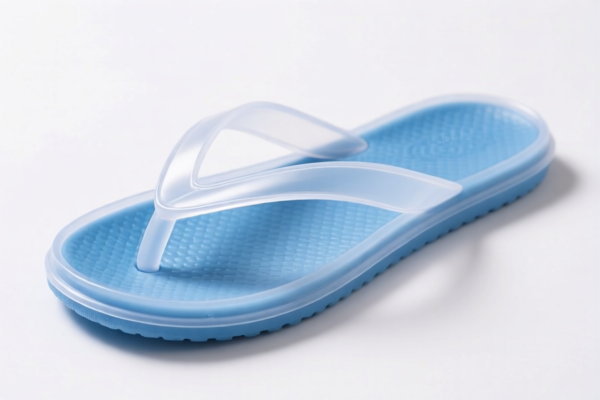
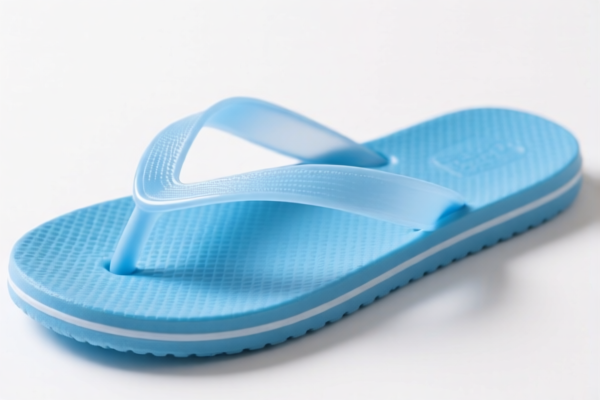
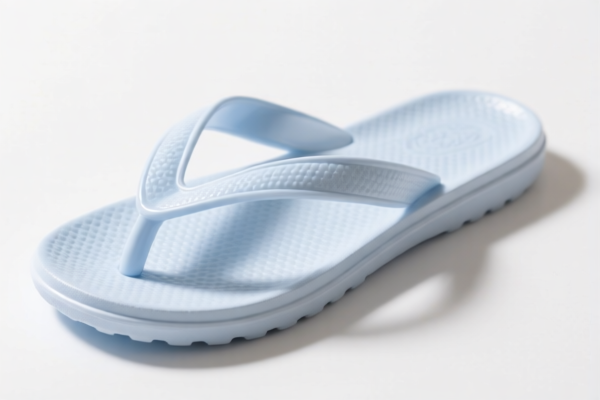
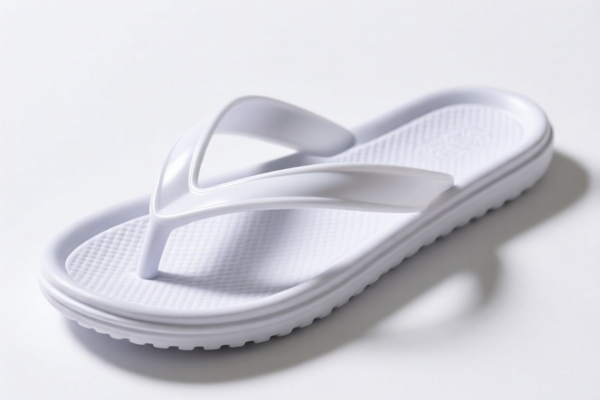
AI Analysis
🩴 Plastic Slippers: HS Code Classification & US Customs Clearance Strategy
🌐 HS Code Reference & Customs Guide | 2026 Latest Tariff Analysis | Professional Clearance Strategy
📌 1. Product Definition: What are "Plastic Slippers"?
In international trade, "Plastic Slippers" generally refer to indoor footwear with a plastic outsole and an upper part that may be made of plastic, textile, or other materials. The classification heavily depends on the material of the upper and the specific type of outsole.
⚠️ Key Distinction:
- If the upper is primarily plastic/rubber → Likely falls under 6402 (Footwear with outer soles and uppers of rubber or plastics).
- If the upper is textile/fabric → Likely falls under 6405 (Other footwear, with outer soles of rubber, plastics, leather, or composition leather).
- If the upper is other materials (e.g., plant fibers, metal) → Likely falls under 6404 (Footwear with outer soles of rubber, plastics, leather, or composition leather and uppers of other materials).
📦 2. HS Code Classification Details (2026 Latest Tariff Authority)
| HS Code | Product Description | Material Match | Upappper Material Assumption | Tax Logic |
|---|---|---|---|---|
| 6402.99.69.15 | Plastic outer sole slippers | ✅ Plastic/Plastic | Plastic | High Tax: Base 48% + 122 Rule 10% |
| 6405.90.90.60 | Other plastic outer sole slippers | ✅ Plastic (Outsole) | Not baby shoes, Slipper shape | Moderate Tax: Base 12.5% + 122 Rule 10% |
| 6402.99.31.10 | Plastic outer sole slippers | ✅ Rubber/Plastic | Rubber/Plastic | Lowest Tax: Base 6% + 122 Rule 10% |
| 6405.20.90.15 | Other slippers (plastic outsole) | ✅ Plastic (Outsole) | Textile/Fabric (Other category) | Moderate Tax: Base 12.5% + 122 Rule 10% |
| 6404.19.25.20 | Slippers (indoor) | ✅ Rubber/Plastic (Outsole) | Plant Fibers/Other | High Tax: Base 7.5% + 7.5% Additional + 122 Rule 10% |
🔍 Key Reminder:
- 6402 covers footwear where both outsole and upper are of rubber/plastic.
- 6405 covers footwear where the outsole is rubber/plastic, but the upper is of textile or other non-rubber/plastic materials.
- 6404 covers footwear where the outsole is rubber/plastic, but the upper is of other materials (like woven materials, metal, etc.).
💰 3. 2026 Latest Tariff Rates Breakdown (Including Additional Taxes)
✅ Applicable Country: United States (US)
✅ Origin: China (CN)
✅ Effective Date: As per current USITC and IEEPA regulations
🎯 1. 6402.99.69.15 – Plastic Outer Sole Slippers (High Tariff)
| Item | Content |
|---|---|
| Base Tariff | 48.0% (Ad Valorem) |
| Additional Tariff (Section 301/122 Rule) | +10.0% |
| Total Tax Rate | 58.0% |
| Tax Calculation | CIF Value × 58% |
| De Minimis Exemption | ❌ Not Eligible (High risk of seizure) |
| Legal Basis | USITC:6402.99.69.15 → Section 301: 10% |
📌 Explanation:
- This classification implies a fully plastic construction (upper and sole).
- The 48% base rate is unusually high for footwear, suggesting specific sub-category restrictions or anti-dumping considerations.
- Total 58% makes this category extremely costly.
🎯 2. 6405.90.90.60 – Other Slippers (Plastic Outsole)
| Item | Content |
|---|---|
| Base Tariff | 12.5% (Ad Valorem) |
| Additional Tariff (Section 301/122 Rule) | +10.0% |
| Total Tax Rate | 22.5% |
| Tax Calculation | CIF Value × 22.5% |
| De Minimis Exemption | ❌ Not Eligible |
| Legal Basis | USITC:6405.90.90.60 → Section 301: 10% |
📌 Explanation:
- Likely for textile-upper slippers with plastic soles.
- More cost-effective than fully plastic slippers.
- Ensure the upper is clearly textile to avoid misclassification.
🎯 3. 6402.99.31.10 – Plastic Outer Sole Slippers (Lowest Tax)
| Item | Content |
|---|---|
| Base Tariff | 6.0% (Ad Valorem) |
| Additional Tariff (Section 301/122 Rule) | +10.0% |
| Total Tax Rate | 16.0% |
| Tax Calculation | CIF Value × 16% |
| De Minimis Exemption | ❌ Not Eligible |
| Legal Basis | USITC:6402.99.31.10 → Section 301: 10% |
📌 Explanation:
- This is the most cost-effective classification for plastic/rubber slippers.
- Often applies to rubber or plastic soles/uppers that meet specific sub-category criteria (e.g., safety footwear, certain indoor slippers).
- Critical: Confirm if your product qualifies for this lower base rate.
🎯 4. 6405.20.90.15 – Other Slippers (Textile Upper, Plastic Sole)
| Item | Content |
|---|---|
| Base Tariff | 12.5% (Ad Valorem) |
| Additional Tariff (Section 301/122 Rule) | +10.0% |
| Total Tax Rate | 22.5% |
| Tax Calculation | CIF Value × 22.5% |
| De Minimis Exemption | ❌ Not Eligible |
| Legal Basis | USITC:6405.20.90.15 → Section 301: 10% |
📌 Explanation:
- Applies to slippers with textile uppers and plastic/rubber soles.
- Same tax rate as6405.90.90.60, but different sub-category.
- Ensure the upper material is not misdeclared as plastic to avoid penalties.
🎯 5. 6404.19.25.20 – Slippers (Other Upper Materials, Plastic Sole)
| Item | Content |
|---|---|
| Base Tariff | 7.5% (Ad Valorem) |
| Additional Tariff (Section 301/122 Rule) | +10.0% |
| Section 301 Additional | +7.5% |
| Total Tax Rate | 25.0% |
| Tax Calculation | CIF Value × 25% |
| De Minimis Exemption | ❌ Not Eligible |
| Legal Basis | USITC:6404.19.25.20 → Section 301: 10% + 7.5% |
📌 Explanation:
- Applies to slippers with non-plastic/non-textile uppers (e.g., woven materials, plant fibers) and plastic/rubber soles.
- Higher base rate due to specific material restrictions.
- Ensure the upper material is correctly declared to avoid reclassification.
🛠️ 4. Customs Clearance Practical Advice (Avoid Pitfalls)
✅ 1. Required Documentation Checklist
| Document | Mandatory | Description |
|---|---|---|
| ✅ Product Specification Sheet | ✔️ | Must detail: Outsole material, Upper material, Type (indoor/outdoor) |
| ✅ Material Composition Statement | ✔️ | Explicitly state % of rubber, plastic, textile, etc. |
| ✅ Product Photos (Clear) | ✔️ | Show sole, upper, and any labels. Highlight material texture. |
| ✅ Commercial Invoice | ✔️ | Must match HS code description exactly. Avoid vague terms like "Plastic Slipper". |
| ✅ Packing List | ✔️ | Confirm quantities and weights. |
| ✅ Origin Certificate (CO) | ✔️ | If claiming preferential rates (rare for China to US). |
✅ 2. Declaration Tips (Critical Keywords)
🔥 "Material Defines Code, Not Just Name!"
| Scenario | Correct Declaration | Wrong Practice |
|---|---|---|
| Fully Plastic Slippers | Footwear, uppers and soles of plastic, indoor slippers |
"Plastic Shoe" → Risk of 6402.99.69.15 (58%) |
| Textile Upper, Plastic Sole | Slippers, textile upper, plastic outsole |
"Plastic Slipper" → Risk of 6405.xxxx (22.5%) |
| Woven/Plant Fiber Upper | Slippers, woven upper, rubber outsole |
"Fabric Slipper" → Risk of 6404.xxxx (25%) |
| Baby Slippers | Must exclude from 6405.90 → Use 6405.10 (if applicable) |
Declaring adult slippers as baby → Penalty |
⚠️ Warning: Do not simply declare as "Plastic Slipper". Customs will inspect materials. Misclassification leads to back taxes + penalties.
✅ 3. Special Cases
| Scenario | Handling Advice |
|---|---|
| Mixed Materials (e.g., Plastic + Textile) | Declare the principal material of the upper. If unclear, provide lab test results. |
| Safety Slippers (Steel Toe) | May fall under different sub-categories. Provide safety certification. |
| Seasonal Slippers (Winter Linings) | If lining is fur/fleece, ensure upper is still classified correctly. |
| Sample vs. Bulk | Samples may still be subject to duties unless de minimis applies (but high tax codes may waive this). |
🌍 5. Global Market Comparison (2026)
| Country/Region | Recommended HS Code | Tariff Rate (China Origin) | Certification | Notes |
|---|---|---|---|---|
| 🇺🇸 USA | 6402.99.31.10 |
16.0% (Lowest) | None | High risk of audit for material accuracy |
| 🇺🇸 USA | 6402.99.69.15 |
58.0% (Highest) | None | Avoid if possible; extremely high cost |
| 🇨🇳 China | 6402.99.31.10 |
~10-15% | CCC (if applicable) | Lower base rates, no Section 301 |
| 🇪🇺 EU | 6402.99 |
0-4.5% | CE (if safety) | No Section 301 equivalent |
| 🇬🇧 UK | 6402.99 |
0-4.5% | UKCA | Post-Brexit rules apply |
📌 Conclusion:
- USA has the highest tariffs due to Section 301/122 Rules.
- Classification accuracy is critical to save up to 42% in taxes (58% vs 16%).
- Documentation must prove material composition.
📌 6. Common Mistakes & Pitfalls (Lessons Learned)
❌ Mistake 1: Declaring "Plastic Slipper" without specifying upper material
👉 Consequence: Customs assigns worst-case HS Code → 58% tax instead of 16%.
❌ Mistake 2: Mixing textile and plastic in one shipment without separate declarations
👉 Consequence: Each item misclassified → Penalties + Delay.
❌ Mistake 3: Ignoring Section 301/122 Rules
👉 Consequence: Unexpected 10% additional tax on all Chinese-made slippers.
❌ Mistake 4: Using vague terms like "Shoe" or "Footwear"
👉 Consequence: Customs rejects declaration → Hold & Inspection.
✅ Correct Practice:
"Indoor Slippers, Outsole: Rubber/Plastic, Upper: Textile (Polyester 80%, Cotton 20%), Model XYZ, China Origin"
🎯 7. Conclusion: Accurate Classification Saves Money!
🎯 Key Takeaway:
🔹 "Plastic Slipper" is not a valid HS Code. You must specify upper material.
🔹 Lowest Tax (16%) requires proving rubber/plastic sole AND qualifying upper under6402.99.31.10.
🔹 Highest Tax (58%) applies to fully plastic slippers (6402.99.69.15).
🔹 Always include Section 301/122 Rule (10%) in your cost calculation.
📌 Pro Tip:
📞 Get an Advance Ruling (PAR) from US Customs if unsure about material classification.
📄 Provide Material Test Reports to support your HS Code choice.
🚀 Optimize Supply Chain: Consider sourcing from Vietnam/Mexico for 0% Section 301 if volume is high.
📣 Act Now:
🔍 Audit your current HS codes for plastic slippers.
💡 Consult a licensed customs broker to verify material compliance.
📉 Reduce tax burden by up to 42% with accurate classification!
✨ Professional Clearance Starts with Precise Classification!
💼 Your profit margin depends on accurate HS Codes!
Customer Reviews
About HS Code Classification
The Harmonized System (HS) is an internationally standardized nomenclature developed by the World Customs Organization (WCO) to classify traded products. Over 200 countries use the HS system as the basis for customs tariffs, trade statistics, and import/export regulations.
Each HS code follows a hierarchical structure:
- Chapter (2 digits) — Broad category of goods (e.g., Chapter 84: Machinery and Mechanical Appliances)
- Heading (4 digits) — More specific grouping within the chapter
- Subheading (6 digits) — Internationally standardized breakdown, used by all WCO member countries
- National subdivisions (8-10 digits) — Country-specific extensions for further classification, such as US HTSUS 10-digit codes
Correct HS code classification is essential for smooth customs clearance, accurate duty payment, and compliance with trade regulations. Misclassification can lead to customs delays, overpayment of duties, or penalties.
When importing from CN to US, the applicable tariff rates may include:
- Most-Favored-Nation (MFN) rate — The standard duty rate applied to WTO members
- General rate — Applied to countries without trade agreements
- Trade remedy duties — Additional tariffs such as Section 301 (anti-dumping), Section 232 (national security), or countervailing duties
The information provided on this page is for reference purposes only. For official classification, please consult with your local customs authority or a licensed customs broker.