Plastic Sole Composite Structure
CN → US| HS Code | Tariff Rate | Origin | Destination | Doc |
|---|---|---|---|---|
| 6406200000 | 20.2% | CN | US | Official Doc |
| 6406903030 | 15.3% | CN | US | Official Doc |
| 3926909989 | 22.8% | CN | US | Official Doc |
Product Images
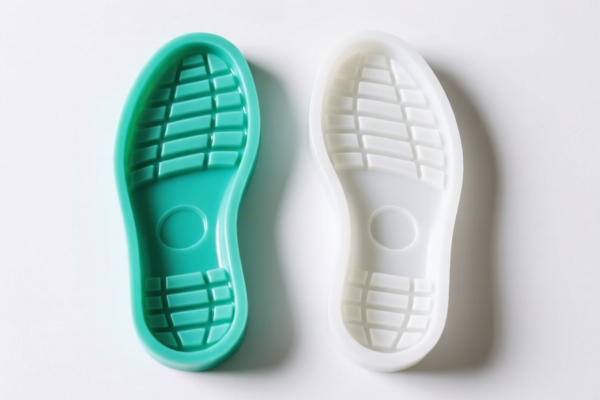
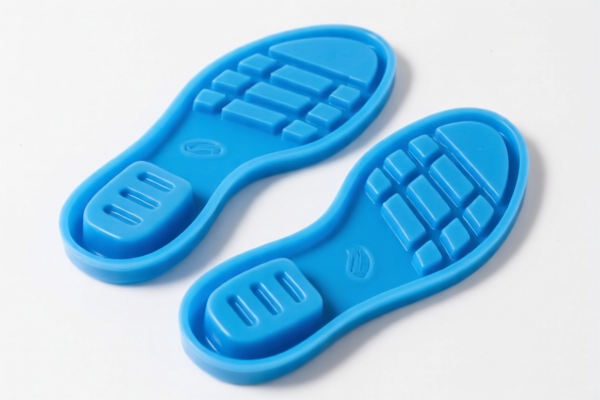
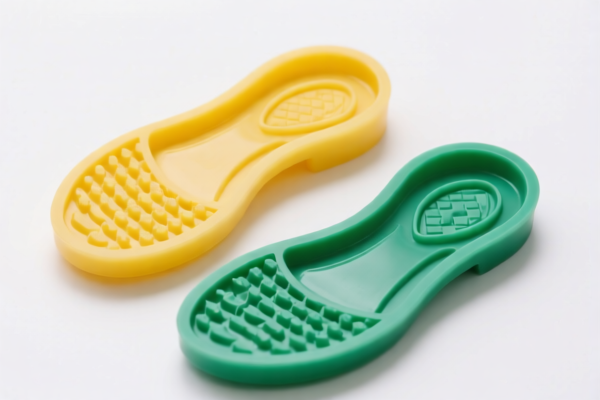
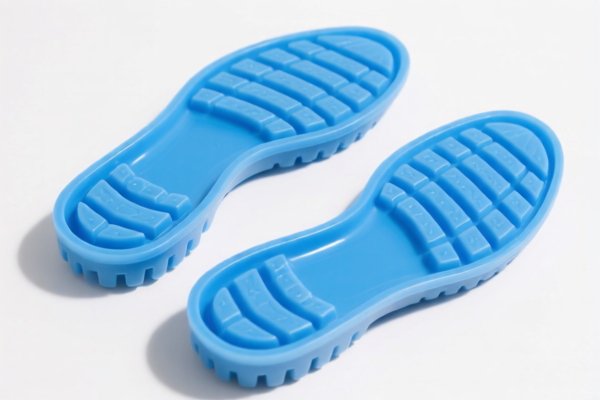
AI Analysis
👟 Plastic Sole Composite Structure (Parts of Footwear)
🌐 HS Code Reference & Customs Clearance Guide | 2026 Latest Tariff Analysis | Professional Entry Strategy
📌 I. Product Definition & Classification: What is a "Plastic Sole Composite"?
A "Plastic Sole Composite Structure" refers to components made of plastic or rubber used in the assembly, repair, or replacement of footwear. In international trade, these are not finished shoes but parts destined for manufacturing or after-market service. They are generally categorized by their specific function within the shoe structure:
1. Structural Support Components (Soles & Heels):
These are the primary load-bearing parts of the shoe, including outsoles, midsoles, and heels made entirely of plastic or rubber.
2. Miscellaneous Components (Bottoms/Other Parts):
These include smaller plastic/rubber components such as heel grips, toe puffs, or other "bottoms" that are not the main sole or heel structure.
⚠️ Key Distinction Point:
- If the item is a main outsole, insole attached to the upper, or heel → It falls under 6406.20.00.00 or 6406.90.30.30 depending on material and form.
- If the item is a general plastic article not specifically identified as a footwear part → It might fall under 3926.90.99.89 (Other articles of plastics), but this is less likely if it is clearly designed for footwear.
- Customs Preference: Footwear-specific HS codes (64xx) take precedence over general plastic articles (39xx) if the item is identifiable as a part of footwear.
📦 II. HS Code Classification Details (2026 Latest Tariff Authority Comparison)
Based on the provided <DATA>, here are the relevant HS Codes for Plastic Sole Composite Structures:
| HS Code | Product Description | Application Scenario | Tariff Impact |
|---|---|---|---|
3926.90.99.89 |
Other articles of plastics and articles of other materials of headings 3901 to 3914: Other: Other Other | Generic Plastic Parts: If the composite is not clearly a footwear sole/heel but a generic plastic component (e.g., a decorative plastic insert not strictly defined as a sole). | ⚠️ High Tax (12.8%) |
6406.20.00.00 |
Parts of footwear... Outer soles and heels, of rubber or plastics | Primary Footwear Parts: Main outsoles, heels, or midsoles made of plastic/rubber. This is the most common classification for structural sole components. | ⚠️ Medium-High Tax (10.2%) |
6406.90.30.30 |
Parts of footwear... Other: Of other materials: Of rubber or plastics Bottoms | Miscellaneous Rubber/Plastic Bottoms: Smaller rubber/plastic components like heel caps, toe guards, or non-sole "bottoms" that do not qualify as main soles/heels. | ✅ Zero Tax (0.0%) |
🔍 Important Note:
-6406.90.30.30offers the lowest duty (0.0%) but is restricted to specific "Bottoms" under "Other" parts.
-6406.20.00.00is the standard for main soles/heels but carries a higher duty.
-3926.90.99.89is the fallback for plastic articles not specifically identified as footwear parts, resulting in the highest duty.
- Classification Strategy: Always try to justify classification under 6406.90.30.30 if the part fits the description of "rubber or plastics bottoms" under "Other parts," as it is duty-free. If it is a main sole/heel, it must go to 6406.20.00.00. Do not use 3926 unless it is clearly not a footwear part.
💰 III. 2026 Latest Tariff Rate Breakdown (Including Additional Taxes)
✅ Applicable Country: United States (US)
✅ Origin: China (CN)
✅ Effective Time: Current rates apply (including 301 tariffs)
🎯 1. 3926.90.99.89 — Other Articles of Plastics (Generic)
| Item | Content |
|---|---|
| Base Tariff | 5.3% (ad valorem) |
| Additional Tariff (301) | +7.5% (Section 301, List 4B) |
| Total Tax Rate | 12.8% |
| Tax Calculation | CIF Value × 12.8% |
| De Minimis Exemption | ❌ Not Applicable (High duty items often excluded) |
| Legal Basis Path | HTSUS:3926.90.99.89 → Section 301: Footnote 9903.88.01 (if applicable) |
📌 Explanation:
- This code is for generic plastic articles.
- If your "composite structure" is actually a footwear part, classifying it here is risky and may be challenged by customs if documentation clearly shows it’s for shoes.
- Duty: 12.8% is significant for low-value plastic parts.
🎯 2. 6406.20.00.00 — Outer Soles and Heels, of Rubber or Plastics
| Item | Content |
|---|---|
| Base Tariff | 2.7% (ad valorem) |
| Additional Tariff (301) | +7.5% (Section 301, List 4B) |
| Total Tax Rate | 10.2% |
| Tax Calculation | CIF Value × 10.2% |
| De Minimis Exemption | ❌ Not Applicable |
| Legal Basis Path | HTSUS:6406.20.00.00 → Section 301: Footnote 9903.88.01 |
📌 Note:
- This is the standard classification for main soles and heels.
- If your composite structure is a complete outsole or heel unit, this is the correct code.
- Duty: 10.2% is moderate but still impacts cost.
🎯 3. 6406.90.30.30 — Other Parts of Footwear: Of Rubber or Plastics Bottoms
| Item | Content |
|---|---|
| Base Tariff | 0.0% |
| Additional Tariff (301) | 0.0% |
| Total Tax Rate | 0.0% |
| Tax Calculation | No Duty |
| De Minimis Exemption | ✅ Yes (if value < $800, but even if > $800, duty is 0%) |
| Legal Basis Path | HTSUS:6406.90.30.30 |
📌 Critical Advantage:
- This code has NO Base Duty and NO Additional Tariff.
- If your "Plastic Sole Composite Structure" can be described as a "Bottom" (e.g., a non-structural rubber/plastic insert, heel cap, or toe guard) under "Other Parts," you can legally save 10-12.8% in duties.
- Strategy: Ensure product description emphasizes "Bottoms" or "Miscellaneous Parts" rather than "Sole" or "Heel" if structurally permissible.
🛠️ IV. Customs Clearance Practical Advice (Real-World Pitfall Guide)
✅ 1. Required Documentation Checklist (Non-Negotiable)
| Document | Must Provide | Explanation |
|---|---|---|
| ✅ Product Specification Sheet | ✔️ | Must specify: Material (Plastic/Rubber), Weight, Dimensions, Intended Use (Footwear Part). |
| ✅ Technical Drawings/Photos | ✔️ | Clear photos showing the item’s shape and how it attaches to footwear. |
| ✅ Bill of Lading/Packing List | ✔️ | Must list items as "Parts of Footwear," not "Plastic Items." |
| ✅ Commercial Invoice | ✔️ | Description must match HS Code: e.g., "Rubber Bottoms for Shoes" vs. "Plastic Sole." |
| ✅ Material Composition Certificate | ✔️ | Proves it is 100% rubber/plastic (not mixed with textiles or leather which might change code). |
✅ 2. Declaration Tips (Key Mantra)
🔥 “Describe as Part, Not Product; Specify Material, Avoid ‘Sole’ if ‘Bottom’ Fits!”
| Scenario | Correct Declaration | Wrong Declaration |
|---|---|---|
| Main Outsole/Heel | 6406.20.00.00 - "Plastic Outer Sole for Footwear" |
3926.90.99.89 - "Plastic Part" → Higher Duty |
| Heel Cap/Toe Guard | 6406.90.30.30 - "Rubber Bottoms for Footwear" |
6406.20.00.00 - "Heel" → Unnecessary Duty |
| Generic Plastic Insert | 3926.90.99.89 - "Plastic Article" |
6406.90.30.30 - "Footwear Part" → Misclassification Risk |
✅ 3. Special Handling
| Situation | Recommendation |
|---|---|
| OEM Custom Soles | Provide customer PO + design specs. Clearly state "Parts of Footwear." |
| Mixed Materials | If composite includes non-plastic (e.g., fabric), check if it still qualifies under 6406. If not, it may fall under general plastics (3926). |
| Samples vs. Bulk | Samples under $800 may qualify for de minimis, but bulk shipments are subject to full duty. |
🌍 V. Global Market Clearance Comparison (2026 Latest)
| Country/Region | Recommended HS Code | Duty Rate | Certification Requirement | Notes |
|---|---|---|---|---|
| 🇺🇸 USA | 6406.90.30.30 (if possible) |
0% | No specific cert | Highest priority: Try to classify here |
| 🇺🇸 USA | 6406.20.00.00 |
10.2% | No specific cert | Standard for main soles |
| 🇺🇸 USA | 3926.90.99.89 |
12.8% | No specific cert | Avoid if possible |
| 🇨🇳 China | 6406.90.30.30 |
0% | CCC (if applicable) | No 301 tariffs |
| 🇪🇺 EU | 6406.90.30.30 (Similar) |
Varies | CE/RoHS | EU may have different sub-codes |
📌 Conclusion:
- USA:6406.90.30.30is duty-free, making it the optimal classification if the product fits.
- China/EU: Lower or zero duties on footwear parts, but ensure proper documentation to avoid misclassification penalties.
- Risk: Misclassifying a main sole as a "bottom" to save duty can lead to audits and fines. Only use6406.90.30.30if the item is indeed a "bottom" (e.g., heel grip, toe puff) and not a structural sole/heel.
📌 VI. Common Mistakes & Pitfall Guide (Blood & Tears Lessons)
❌ Mistake 1: Calling all plastic shoe parts "Soles"
👉 Consequence: All items taxed at 10.2% or 12.8% → Missed 0% opportunity for miscellaneous bottoms.
❌ Mistake 2: Using 3926.90.99.89 for obvious footwear parts
👉 Consequence: Customs may reclassify to 6406.20.00.00 and assess penalties for misdeclaration → Delays + Fines.
❌ Mistake 3: Vague Description "Plastic Parts"
👉 Consequence: Customs has no idea if it’s footwear-related → Holds for Inspection.
✅ Correct Approach:
"Rubber Heel Grips (Bottoms) for Athletic Shoes, Model ABC, 100% Synthetic Rubber" → Classify as
6406.90.30.30
🎯 VII. Conclusion: Precision Classification Saves Money!
🎯 Remember the Mantra:
🔹 "Main Sole = 10.2%, Generic Plastic = 12.8%, Misc Bottoms = 0%!"
🔹 "Don’t call a heel cap a sole. Call it a bottom. Save 12.8%!"
📌 Pro Tip:
If your "Plastic Sole Composite Structure" is a complex assembly of multiple materials, consult a customs broker to determine if it’s a "Footwear Part" (64xx) or "Plastic Article" (39xx). Pre-classification rulings can protect you from future audits.
📣 Immediate Action:
📞 Contact a licensed customs broker
📸 Provide clear photos of the composite structure
📝 Draft invoice with precise description: "Parts of Footwear, Of Rubber/Plastic, Bottoms"
🚀 Clear the goods smoothly, reduce costs, and maximize profits!
✨ Professional clearance starts with accurate classification!
💼 Every percentage point of duty counts!
Customer Reviews
About HS Code Classification
The Harmonized System (HS) is an internationally standardized nomenclature developed by the World Customs Organization (WCO) to classify traded products. Over 200 countries use the HS system as the basis for customs tariffs, trade statistics, and import/export regulations.
Each HS code follows a hierarchical structure:
- Chapter (2 digits) — Broad category of goods (e.g., Chapter 84: Machinery and Mechanical Appliances)
- Heading (4 digits) — More specific grouping within the chapter
- Subheading (6 digits) — Internationally standardized breakdown, used by all WCO member countries
- National subdivisions (8-10 digits) — Country-specific extensions for further classification, such as US HTSUS 10-digit codes
Correct HS code classification is essential for smooth customs clearance, accurate duty payment, and compliance with trade regulations. Misclassification can lead to customs delays, overpayment of duties, or penalties.
When importing from CN to US, the applicable tariff rates may include:
- Most-Favored-Nation (MFN) rate — The standard duty rate applied to WTO members
- General rate — Applied to countries without trade agreements
- Trade remedy duties — Additional tariffs such as Section 301 (anti-dumping), Section 232 (national security), or countervailing duties
The information provided on this page is for reference purposes only. For official classification, please consult with your local customs authority or a licensed customs broker.