Plastic Sole Lightweight Sneakers
CN → US| HS Code | Tariff Rate | Origin | Destination | Doc |
|---|---|---|---|---|
| 6404112030 | 20.5% | CN | US | Official Doc |
| 6402999005 | 37.5% | CN | US | Official Doc |
| 6402919005 | 30.0% | CN | US | Official Doc |
| 6404112060 | 20.5% | CN | US | Official Doc |
| 6403916040 | 18.5% | CN | US | Official Doc |
Product Images
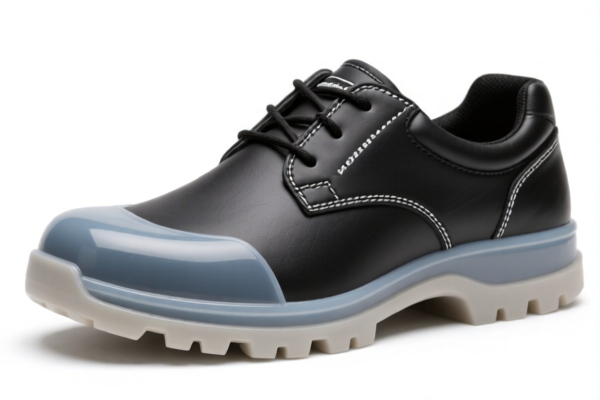
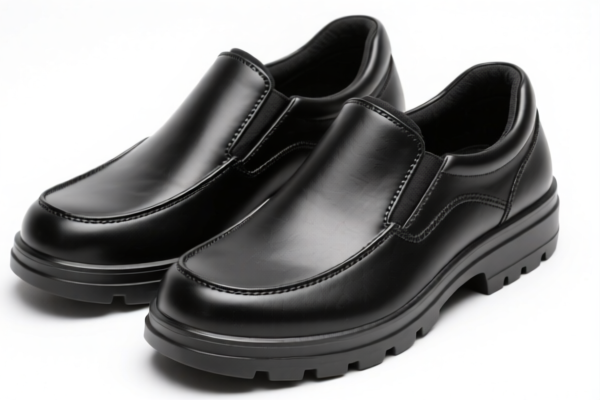
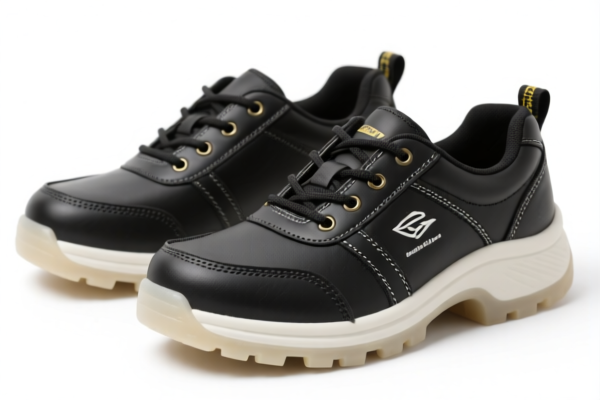
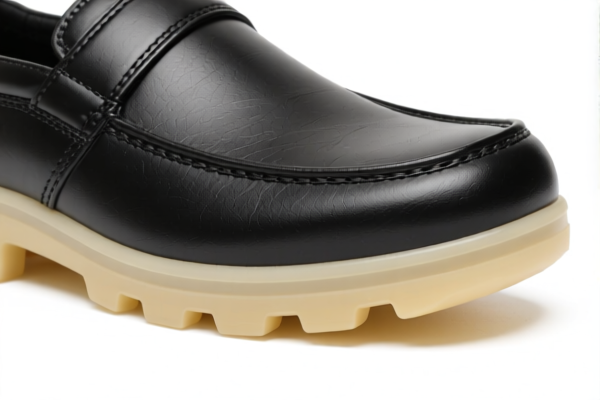
AI Analysis
👟 Plastic Sole Lightweight Sneakers
🌐 HS Code Reference & Customs Clearance Guide | 2024 Latest Tariff Analysis | Professional Clearance Strategy
📌 I. Product Definition & Classification: Do You Really Understand "Plastic Sole Lightweight Sneakers"?
"Plastic Sole Lightweight Sneakers" is a broad term in international trade that primarily falls under Chapter 64 (Footwear, Stockings, and Parts Thereof). The exact HS Code depends on the specific materials of the upper, the exact nature of the outer sole (rubber vs. plastic), and the intended use (e.g., basketball, running, general sports).
⚠️ Key Distinction Points:
- Upper Material: Is it textile, leather, or plastic? This is the primary divider in Chapter 64. - Outer Sole: Is it rubber, plastic, or both? This affects the specific subheading. - Intended Use: Is it specifically for basketball? "Basketball shoes" often have specific subheadings compared to general "other footwear." - Weight/Type: "Lightweight" usually implies textile or synthetic uppers, but customs looks at material composition, not just weight.
📦 II. HS Code Classification Details (Based on Provided Data)
Below is the detailed breakdown for "Plastic Sole Lightweight Sneakers" based on the provided dataset. Note that slight differences in material composition (e.g., textile vs. other materials) lead to different tax rates.
| HS Code | Product Summary | Tax Rate (Total) | Tax Detail Breakdown |
|---|---|---|---|
6404.11.20.30 |
Plastic Sole Basketball Shoes: Outer sole is rubber or plastic; upper inferred to be textile material. | 20.5% | Base Duty: 10.5% Add-on Duty: 0.0% Section 301 Duty (122 Clause): 10% |
6402.99.90.05 |
Plastic Sole Basketball Shoes: Fully meets criteria for rubber/plastic outer sole and specific sports use. | 37.5% | Base Duty: 20.0% Add-on Duty: 7.5% Section 301 Duty (122 Clause): 10% |
6402.91.90.05 |
Plastic Sole Basketball Shoes: Explicitly includes plastic material and basketball shoe use. | 30.0% | Base Duty: 20.0% Add-on Duty: 0.0% Section 301 Duty (122 Clause): 10% |
6404.11.20.60 |
Plastic Sole Basketball Shoes: Outer sole is plastic; upper may contain leather or textile. | 20.5% | Base Duty: 10.5% Add-on Duty: 0.0% Section 301 Duty (122 Clause): 10% |
6403.91.60.40 |
Plastic Sole Basketball Shoes: Purpose is basketball shoes; outer sole is rubber or plastic. | 18.5% | Base Duty: 8.5% Add-on Duty: 0.0% Section 301 Duty (122 Clause): 10% |
🔍 Critical Observation:
- Textile Uppers (6404) generally attract lower base duties (8.5% - 10.5%) compared to non-textile/leather uppers or other materials (6402,6403) which attract higher base duties (20%). - Section 301 (122 Clause) Duty: All listed codes include a flat 10% additional duty, likely applicable to goods originating from China entering the US market. - Total Tax Range: From 18.5% to 37.5%, depending heavily on the specific material classification and "Add-on Duty" (which may relate to specific trade remedies or anti-dumping measures not detailed here but implied by the variance).
💰 III. 2024 Latest Tariff Rate Explanation
✅ Applicable Context: Based on the data structure, these rates reflect the Total Tax Burden including Base Duty, Add-on Duties, and Specific Section 301 (122 Clause) duties.
🎯 1. Lowest Tax Rate: 6403.91.60.40 (18.5%)
- Base Duty: 8.5% (Lowest in the list)
- Add-on Duty: 0.0%
- 122 Clause Duty: 10%
- Why it’s lower: This code (
6403) typically covers footwear with outer soles of rubber, plastic, leather, or composition leather and upper materials of leather. However, the specific subheading.91.60might relate to a specific category of athletic footwear where the base duty is minimized, or it represents a specific preferential or historical rate for certain types of basketball shoes. Note: Always verify if this code allows for the "textile" upper assumption. If the upper is textile,6404is more appropriate.
🎯 2. Mid-Range Tax Rate: 6404.11.20.30 & 6404.11.20.60 (20.5%)
- Base Duty: 10.5%
- Add-on Duty: 0.0%
- 122 Clause Duty: 10%
- Why it’s mid-range: These codes (
6404) are for footwear with outer soles of rubber and/or plastic and upper materials of textile materials. This is the most common classification for "lightweight sneakers" (like running shoes or canvas sneakers). The 10.5% base duty is standard for textile uppers.
🎯 3. Higher Tax Rate: 6402.91.90.05 (30.0%)
- Base Duty: 20.0%
- Add-on Duty: 0.0%
- 122 Clause Duty: 10%
- Why it’s higher: Code
6402covers footwear with outer soles of rubber or plastic. Subheading.91often refers to footwear with upper materials of plastics or other non-textile/non-leather materials. If the sneaker is made of synthetic materials (not classified as textile or leather), the base duty jumps to 20%.
🎯 4. Highest Tax Rate: 6402.99.90.05 (37.5%)
- Base Duty: 20.0%
- Add-on Duty: 7.5%
- 122 Clause Duty: 10%
- Why it’s highest: This code (
6402.99) is a "catch-all" for other footwear with outer soles of rubber/plastic. The 7.5% Add-on Duty is the key differentiator. This likely reflects a specific trade remedy, anti-dumping duty, or a higher tier of "Section 301" or other surtaxes applied to certain categories of athletic footwear that do not fit neatly into the primary subheadings.
🛠️ IV. Customs Clearance Practical Advice
✅ 1. Preparation Checklist (Essential Documents)
| Document | Requirement | Explanation |
|---|---|---|
| Product Description | Clear & Specific | Must specify "Plastic Sole," "Lightweight," "Sneakers," and Material Composition (e.g., "Textile Upper"). |
| Material Breakdown | Detailed | Provide % of textile, leather, plastic, rubber in the upper and sole. This is critical for distinguishing between 6403, 6404, and 6402. |
| Photos | High Quality | Show the sole, the upper material texture, and the interior. |
| Commercial Invoice | Accurate Value | Must match the declared value. Include HS Code reference. |
| Packing List | Accurate Count | Item count, weight, dimensions. |
| Origin Certificate | If Applicable | If shipped from a country with FTA, to claim benefits. |
✅ 2. Declaration Tips (Key Strategies)
🔥 "Material is King, Use is Key!"
| Scenario | Recommended HS Code | Why? |
|---|---|---|
| Upper is clearly Textile (e.g., mesh, canvas) | 6404.11.20.30 or 6404.11.20.60 |
Lower base duty (10.5%). Most common for "lightweight" sneakers. |
| Upper is Leather | 6403.91.60.40 |
Base duty is lowest (8.5%) if it fits this specific subheading. Verify if leather uppers are allowed here. |
| Upper is Synthetic/Plastic (not textile/leather) | 6402.91.90.05 |
Higher base duty (20%). Avoid 6402.99 if possible to save 7.5%. |
| Unclear Material or Mixed | 6402.99.90.05 |
Risk of highest duty (37.5%). Avoid this by clarifying materials upfront. |
📌 Crucial Note:
- "Lightweight" is not an official customs term. You must define the material.
- "Basketball Shoe" vs. "Sneaker": If the product is marketed specifically as a "Basketball Shoe," customs may require stricter adherence to subheadings for athletic footwear. Using "Sneaker" or "Athletic Shoe" might be broader, but ensure it doesn’t trigger specific anti-dumping codes for basketball shoes.
✅ 3. Special Considerations
| Issue | Solution |
|---|---|
| Section 301 (122 Clause) | All listed codes include a 10% duty. This is non-negotiable for Chinese-origin goods. Factor this into your pricing. |
| Add-on Duty (7.5%) | Only applies to 6402.99.90.05. To avoid this, ensure your product does not fall into this "other" category by correctly classifying the upper material into 6402.91 or 6404. |
| Material Misclassification | If you declare "Textile" but customs finds "Plastic," you risk penalties, back taxes, and potential 37.5% reassessment. Be accurate. |
🌍 V. Global Market Comparison (2024 Overview)
| Region | Typical HS Chapter | Notes |
|---|---|---|
| USA | Chapter 64 | Subject to complex duties (Base + 301 + Add-ons). Use the provided codes for precise calculation. |
| EU | Chapter 64 | Generally lower base duties for footwear (varies by origin). No Section 301 equivalent. |
| China | Chapter 64 | Import duties vary. Export duties may apply. |
| UK | Chapter 64 | Post-Brexit rules apply. Check UK TARIC for current rates. |
📌 Conclusion for US Import:
- Optimize for6404(Textile Upper): If your sneakers have textile uppers, this is the safest and often cheapest route (20.5% total). - Avoid6402.99: Unless absolutely necessary, avoid this code due to the 7.5% add-on duty, bringing the total to 37.5%. - Verify6403: If your shoes have leather uppers,6403.91.60.40offers the lowest total tax (18.5%), but confirm the subheading allows for "basketball shoe" use.
📌 VI. Common Mistakes & Pitfalls
❌ Mistake 1: Using "Sneaker" as the product name without specifying material.
👉 Consequence: Customs may assign the highest duty code (6402.99) due to ambiguity.
✅ Fix: Specify "Plastic Sole, Textile Upper, Lightweight Athletic Sneaker."
❌ Mistake 2: Assuming "Lightweight" means lower duty.
👉 Consequence: Duty is based on material, not weight. A lightweight plastic shoe may have higher duties than a heavier leather one.
✅ Fix: Focus on material composition for classification.
❌ Mistake 3: Ignoring the 10% Section 301 Duty.
👉 Consequence: Unexpected costs at customs.
✅ Fix: Always include the 10% add-on in your landed cost calculation for US-bound goods.
🎯 VII. Conclusion: Precise Classification for Cost Efficiency
🎯 Remember the Golden Rule:
🔹 "Material Determines Duty, Use Refines Code!"
🔹 "Textile = 20.5%, Leather = 18.5%, Plastic/Other = 30-37.5%!"
📌 Pro Tip:
If you are unsure about the material classification (e.g., is the "synthetic" upper considered "textile" or "plastic"?), consider applying for a Binding Ruling or Advance Ruling from US Customs and Border Protection (CBP) before shipment. This provides legal certainty and prevents costly misclassification penalties.
📣 Next Steps:
📞 Consult a Customs Broker: Provide them with material samples and specifications.
📄 Prepare Detailed Material Specs: 60% Polyester, 40% Nylon upper? 100% Rubber sole?
💡 Calculate Landed Cost: Include CIF + Base Duty + 301 Duty + Add-on Duty.
✨ Accurate Classification is the Key to Profitability!
💼 Don’t let customs duties eat your margins!
Customer Reviews
About HS Code Classification
The Harmonized System (HS) is an internationally standardized nomenclature developed by the World Customs Organization (WCO) to classify traded products. Over 200 countries use the HS system as the basis for customs tariffs, trade statistics, and import/export regulations.
Each HS code follows a hierarchical structure:
- Chapter (2 digits) — Broad category of goods (e.g., Chapter 84: Machinery and Mechanical Appliances)
- Heading (4 digits) — More specific grouping within the chapter
- Subheading (6 digits) — Internationally standardized breakdown, used by all WCO member countries
- National subdivisions (8-10 digits) — Country-specific extensions for further classification, such as US HTSUS 10-digit codes
Correct HS code classification is essential for smooth customs clearance, accurate duty payment, and compliance with trade regulations. Misclassification can lead to customs delays, overpayment of duties, or penalties.
When importing from CN to US, the applicable tariff rates may include:
- Most-Favored-Nation (MFN) rate — The standard duty rate applied to WTO members
- General rate — Applied to countries without trade agreements
- Trade remedy duties — Additional tariffs such as Section 301 (anti-dumping), Section 232 (national security), or countervailing duties
The information provided on this page is for reference purposes only. For official classification, please consult with your local customs authority or a licensed customs broker.