Plastic Sole Low Top Sneakers
CN → US| HS Code | Tariff Rate | Origin | Destination | Doc |
|---|---|---|---|---|
| 6404112030 | 20.5% | CN | US | Official Doc |
| 6402999005 | 37.5% | CN | US | Official Doc |
| 6402919005 | 30.0% | CN | US | Official Doc |
| 6404112060 | 20.5% | CN | US | Official Doc |
| 6403916040 | 18.5% | CN | US | Official Doc |
| 6403996040 | 18.5% | CN | US | Official Doc |
Product Images
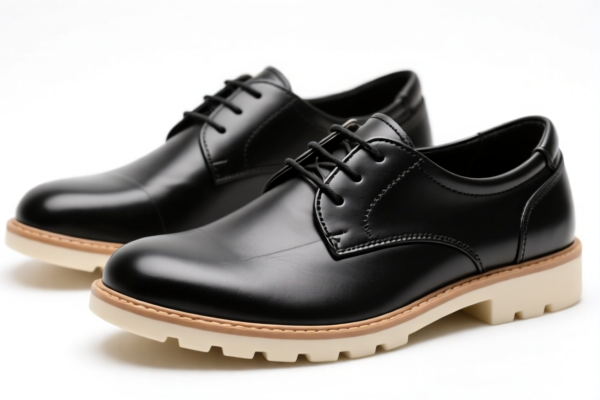
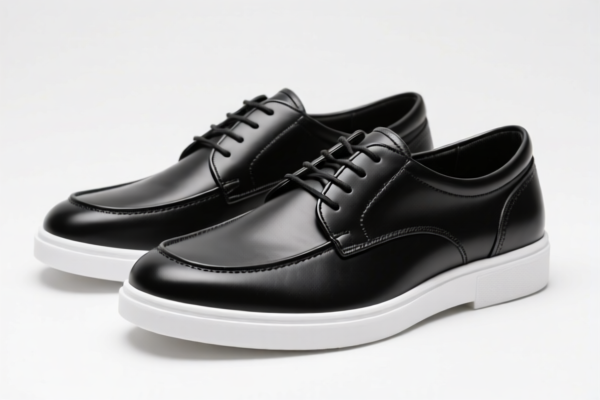
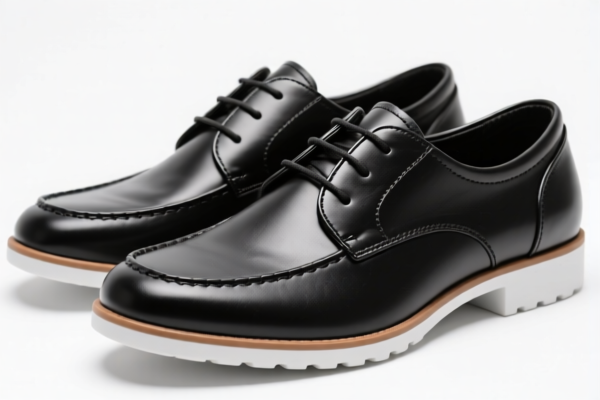
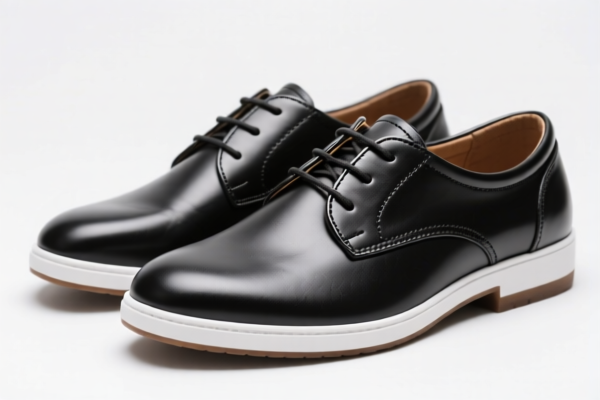
AI Analysis
👟 Plastic Sole Low Top Sneakers (Sports Footwear)
🌐 HS Code Reference & Customs Clearance Guide | 2026 Latest Tariff Analysis | Professional-Level Compliance Strategy
📌 I. Product Definition and Classification: Do You Really Understand "Plastic Sole Sneakers"?
Plastic sole low-top sneakers are a specific category of sports footwear, typically designed for basketball or casual athletic use. In international trade, the classification heavily depends on the material composition of the upper (whether it is textile, leather, or other materials) and the specific use (sports vs. general).
Key Classification Logic: - If the upper is primarily textile/cloth → Often falls under Chapter 64.04 (Footwear with outer soles of rubber, plastics, leather replacement, etc., and uppers of textile materials). - If the upper material is ambiguous or specifically defined as other materials → Might fall under Chapter 64.02 (Footwear with outer soles and uppers of rubber or plastics) or 64.03 (Leather uppers).
⚠️ Critical Distinction Point:
- If the upper is clearly textile/cloth and the sole is plastic/rubber → Aim for 6404 codes.
- If the upper is rubber/plastic or leather → Aim for 6402 or 6403 codes.
- "Basketball Shoe" designation can trigger specific subheadings if the usage is explicitly stated and matches technical definitions.
📦 II. HS Code Classification Details (2026 Latest Tariff Authoritative Comparison)
Based on the provided data, here are the 5 possible HS Codes for Plastic Sole Low Top Sneakers, along with their corresponding tax rates and explanations.
| HS Code | Product Description | Key Characteristics | Total Tax Rate | Tax Breakdown |
|---|---|---|---|---|
| 6404.11.20.30 | Plastic sole basketball shoes, outer sole rubber/plastic, upper inferred as textile material | Upper: Textile; Sole: Rubber/Plastic | 20.5% | Base: 10.5% Surcharge: 0.0% Section 301 (122): 10% |
| 6402.99.90.05 | Plastic sole basketball shoes, fully compliant with rubber/plastic outer sole & specific sports use | Upper: Likely Rubber/Plastic or Mixed; Specific Sports Definition | 37.5% | Base: 20.0% Surcharge: 7.5% Section 301 (122): 10% |
| 6402.91.90.05 | Plastic sole basketball shoes, explicitly includes plastic material and basketball shoe use | Upper: Plastic/Rubber; Explicit Sports Use | 30.0% | Base: 20.0% Surcharge: 0.0% Section 301 (122): 10% |
| 6404.11.20.60 | Plastic sole basketball shoes, outer sole plastic, upper may contain leather or textile | Upper: Leather/Textile Mix; Sole: Plastic | 20.5% | Base: 10.5% Surcharge: 0.0% Section 301 (122): 10% |
| 6403.91.60.40 | Plastic sole basketball shoes, use: Basketball, outer sole rubber/plastic | Upper: Likely Leather (Chapter 64.03); Sole: Rubber/Plastic | 18.5% | Base: 8.5% Surcharge: 0.0% Section 301 (122): 10% |
🔍 Key Observation:
- The Section 301 "122 Clause" Tariff (10%) is consistently applied across all codes, indicating these goods originate from or are processed in a manner subject to this specific US trade policy (likely related to Section 301 investigations).
- The Base Tariff varies significantly from 8.5% to 20.0%, depending on the upper material (Textile/Leather vs. Rubber/Plastic).
- The Surcharge (7.5%) only applies to code 6402.99.90.05, making it the most expensive option.
💰 III. 2026 Latest Tariff Rate Details (Including Additional Taxes)
✅ Applicable Country: United States (US)
✅ Origin: China (CN)
✅ Policy Basis: Section 301 (122 Clause) Tariff
🎯 1. 6404.11.20.30 & 6404.11.20.60 —— Textile/Leather Upper Sports Shoes (Low Tax Tier)
| Item | Content |
|---|---|
| Base Tariff | 10.5% |
| Surcharge | 0.0% |
| Section 301 (122) Tariff | +10.0% |
| Total Tax Rate | 20.5% |
| Tax Calculation | CIF Value × 20.5% |
| De Minimis Eligibility | ❌ No (Subject to Section 301 tariffs) |
📌 Explanation:
- These codes apply when the upper material is textile (6404.11.20.30) or leather/textile mix (6404.11.20.60).
- The lower base tariff (10.5%) makes these the most cost-effective options if the product description allows.
- Warning: Ensure the upper material is accurately described. If customs inspectors determine the upper is rubber/plastic, this code will be rejected.
🎯 2. 6403.91.60.40 —— Leather Upper Basketball Shoes (Lowest Base Tariff)
| Item | Content |
|---|---|
| Base Tariff | 8.5% |
| Surcharge | 0.0% |
| Section 301 (122) Tariff | +10.0% |
| Total Tax Rate | 18.5% |
| Tax Calculation | CIF Value × 18.5% |
| De Minimis Eligibility | ❌ No |
📌 Explanation:
- This code has the lowest total tax rate (18.5%).
- It applies specifically to footwear with leather uppers (Chapter 64.03) used for basketball.
- Strategy: If your sneakers have a significant leather component, this code offers the best savings. However, if the upper is primarily textile, this code may be challenged.
🎯 3. 6402.91.90.05 —— Plastic/Rubber Upper Sports Shoes (Medium Tax Tier)
| Item | Content |
|---|---|
| Base Tariff | 20.0% |
| Surcharge | 0.0% |
| Section 301 (122) Tariff | +10.0% |
| Total Tax Rate | 30.0% |
| Tax Calculation | CIF Value × 30.0% |
| De Minimis Eligibility | ❌ No |
📌 Explanation:
- Applies when the upper is rubber or plastic and explicitly used for basketball.
- No surcharge, but a higher base tariff (20.0%) than textile/leather options.
🎯 4. 6402.99.90.05 —— Other Rubber/Plastic Footwear (Highest Tax Tier)
| Item | Content |
|---|---|
| Base Tariff | 20.0% |
| Surcharge | +7.5% |
| Section 301 (122) Tariff | +10.0% |
| Total Tax Rate | 37.5% |
| Tax Calculation | CIF Value × 37.5% |
| De Minimis Eligibility | ❌ No |
📌 Explanation:
- This is the most expensive code.
- It applies to rubber/plastic footwear that doesn't fit other specific subcategories but is still for sports use.
- Avoid if possible: Unless the product is exclusively rubber/plastic and cannot be described under other 6402 codes, this should be avoided due to the 7.5% surcharge.
🛠️ IV. Customs Clearance Practical Advice (Real-World Pitfall Avoidance)
✅ 1. Preparation Checklist (Essential Documents)
| Document | Required | Notes |
|---|---|---|
| ✅ Product Specifications | ✔️ | Clearly state upper material (e.g., "100% Polyester Textile" vs. "Nylon Mesh") and sole material ("TPU Plastic"). |
| ✅ Photos | ✔️ | High-res images showing the upper texture and sole composition. |
| ✅ Commercial Invoice | ✔️ | Must specify "Basketball Shoes" or "Sports Footwear" to match HS code descriptions. |
| ✅ Packing List | ✔️ | Confirm quantity and weights. |
| ✅ Certificate of Origin | ✔️ | To prove origin and apply correct Section 301 tariffs. |
| ✅ Material Composition Statement | ✔️ | Critical for distinguishing between 6404 (Textile) and 6402 (Rubber/Plastic). |
✅ 2. Declaration Strategy (Key Tips)
🔥 “Material Defines Code, Usage Defines Subheading!”
| Scenario | Correct Declaration | Incorrect Declaration |
|---|---|---|
| Textile Upper + Plastic Sole | 6404.11.20.30 (Textile) |
Declare as 6402 (Rubber/Plastic) → Higher tax (30-37.5%) |
| Leather Upper + Plastic Sole | 6403.91.60.40 (Leather) |
Declare as 6404 (Textile) → Misclassification risk |
| Rubber/Plastic Upper + Sports Use | 6402.91.90.05 or 6402.99.90.05 |
Declare as 6404 → Rejected |
| "Sneakers" without specifying material | Specify upper material clearly | Vague description → Customs delay & potential audit |
✅ 3. Special Considerations
| Situation | Recommendation |
|---|---|
| Mixed Material Upper | If upper is >50% textile, lean towards 6404. If >50% leather, lean towards 6403. If rubber/plastic dominates, use 6402. |
| "Basketball Shoe" Claim | Ensure the design matches official basketball shoe criteria (ankle support, tread pattern) to justify specific subheadings. |
| Section 301 (122) Tariff | This 10% surcharge is unavoidable for Chinese-origin goods under these codes. Plan for this cost in your pricing. |
| De Minimis Exemption | ❌ Not Applicable. Shipments under $800 do not qualify for exemption from Section 301 tariffs. Full duty applies. |
🌍 V. Global Market Comparison (2026 Latest)
| Country/Region | Recommended HS Code | Total Tariff (China Origin) | Notes |
|---|---|---|---|
| 🇺🇸 USA | 6404.11.20.30 / 6403.91.60.40 |
18.5% - 20.5% (Best Cases) | Section 301 (122) adds 10%. High scrutiny on material. |
| 🇨🇳 China | 6404.11.20.30 |
~10-15% (Import Duty) | No Section 301. VAT and Consumption Tax apply. |
| 🇪🇺 EU | 6404.11 |
0% - 10% | No Section 301. CE marking required for safety standards. |
| 🇬🇧 UK | 6404.11 |
0% - 10% | Post-Brexit rules apply. No Section 301. |
| 🇨🇦 Canada | 6404.11 |
0% - 10% | NAFTA/USMCA may offer duty-free if manufactured in region. |
📌 Conclusion:
- The USA is the most complex market due to Section 301 tariffs.
- Material accuracy is critical to avoid the highest tax bracket (37.5%).
- Leverage the 18.5%-20.5% range by correctly classifying textile or leather uppers.
📌 VI. Common Errors & Pitfall Avoidance (Lessons Learned)
❌ Error 1: Declaring "Plastic Sole" but ignoring the Upper Material
👉 Consequence: Customs reclassifies based on inspection, potentially raising tax from 20.5% to 37.5%.
❌ Error 2: Using "Sneakers" as a generic term without specifying Sports Use
👉 Consequence: May be classified under general footwear (higher base rate), missing out on specific sports shoe benefits or triggering different regulations.
❌ Error 3: Assuming De Minimis applies to Section 301 goods
👉 Consequence: Undeclared duties lead to penalties, delays, and potential seizure of goods.
❌ Error 4: Mislabeling Leather as Textile
👉 Consequence: Classification from 6403 (8.5% base) to 6404 (10.5% base) or 6402 (20% base) results in unexpected costs and audits.
✅ Correct Approach:
"Low Top Basketball Sneakers, Upper: 100% Polyurethane Mesh (Textile), Sole: Rubber/Plastic Blend, Model: XYZ, Made in China"
🎯 VII. Conclusion: Precision in Classification Saves Money!
🎯 Remember the Mantra:
🔹 "Upper Material Dictates Chapter, Sole Material Confirms Section!"
🔹 "Textile/Leather = Lower Base Tariff, Rubber/Plastic = Higher Base Tariff!"
🔹 "Section 301 is Always On – Plan for the 10% Surcharge!"
📌 Pro Tip:
- Always request a Material Composition Certificate from the supplier.
- If possible, pre-classify with a US customs broker to avoid clearance delays.
- For high-volume shipments, consider supply chain adjustments (e.g., sourcing from non-China origins) to mitigate Section 301 risks.
📣 Take Action Now:
📞 Contact a licensed customs broker to review your product specs.
📄 Prepare detailed material breakdowns before shipping.
🚀 Ensure compliance, minimize duties, and maximize profit margins!
✨ Professional Clearance Starts with Accurate Classification!
💼 Every Percentage Point of Duty Saved is Pure Profit!
Customer Reviews
About HS Code Classification
The Harmonized System (HS) is an internationally standardized nomenclature developed by the World Customs Organization (WCO) to classify traded products. Over 200 countries use the HS system as the basis for customs tariffs, trade statistics, and import/export regulations.
Each HS code follows a hierarchical structure:
- Chapter (2 digits) — Broad category of goods (e.g., Chapter 84: Machinery and Mechanical Appliances)
- Heading (4 digits) — More specific grouping within the chapter
- Subheading (6 digits) — Internationally standardized breakdown, used by all WCO member countries
- National subdivisions (8-10 digits) — Country-specific extensions for further classification, such as US HTSUS 10-digit codes
Correct HS code classification is essential for smooth customs clearance, accurate duty payment, and compliance with trade regulations. Misclassification can lead to customs delays, overpayment of duties, or penalties.
When importing from CN to US, the applicable tariff rates may include:
- Most-Favored-Nation (MFN) rate — The standard duty rate applied to WTO members
- General rate — Applied to countries without trade agreements
- Trade remedy duties — Additional tariffs such as Section 301 (anti-dumping), Section 232 (national security), or countervailing duties
The information provided on this page is for reference purposes only. For official classification, please consult with your local customs authority or a licensed customs broker.