Plastic Sole Metal Toe Safety Shoes
CN → US| HS Code | Tariff Rate | Origin | Destination | Doc |
|---|---|---|---|---|
| 6403406000 | 18.5% | CN | US | Official Doc |
| 6403403090 | 15.0% | CN | US | Official Doc |
| 6401929030 | 55.0% | CN | US | Official Doc |
| 6402910500 | 16.0% | CN | US | Official Doc |
Product Images
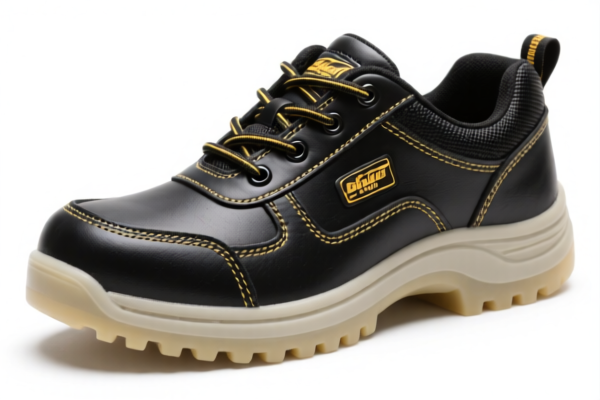
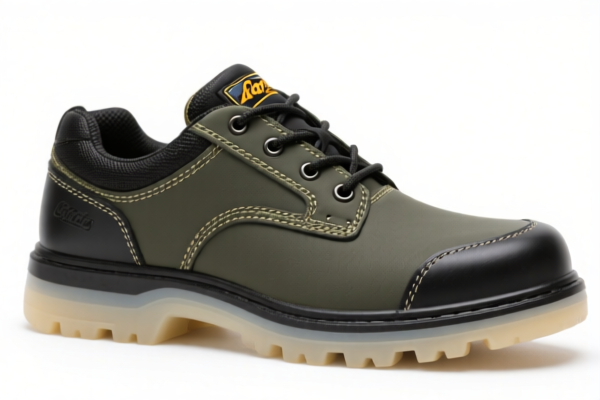
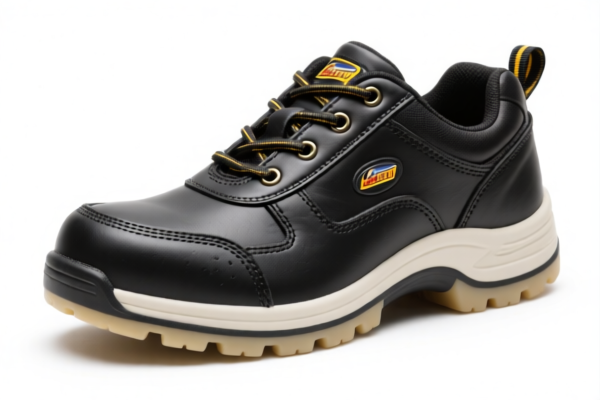
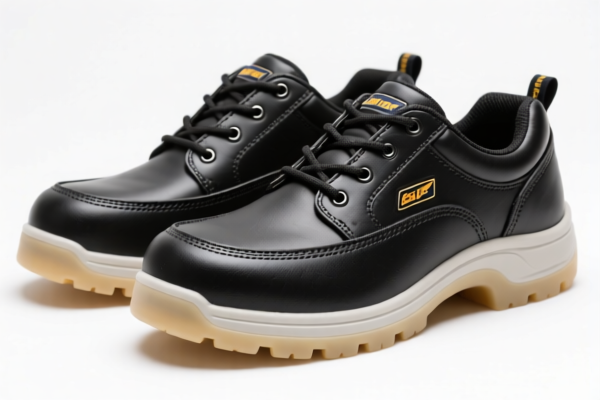
AI Analysis
👞🛡️ Plastic Sole Metal Toe Safety Shoes
🌐 HS Code Reference & Customs Clearance Guide | 2026 Latest Tariff Analysis | Professional-Level Clearance Strategy
📌 I. Product Definition & Classification: Do You Really Understand "Safety Shoes"?
Plastic Sole Metal Toe Safety Shoes are specialized footwear designed for industrial protection. In international trade, their classification hinges on two critical material factors: 1. The Upper Material: Is it plastic, rubber, or another material? 2. The Protective Component: Does it have a steel/metal toe cap?
⚠️ Key Distinction Point:
- If the upper is primarily plastic/rubber and the sole is also plastic/rubber → It falls under Chapter 64 (Footwear).
- The presence of a steel toe cap does not automatically classify it as "metal goods" (Chapter 73). Instead, it is classified based on the material of the upper and sole, provided it meets safety standards.
- Crucial Note: The classification varies significantly based on whether customs authorities view the shoe as a standard "Plastic Footwear" or a specialized "Protective Work Shoe," leading to vastly different tax rates (15% vs. 55%).
📦 II. HS Code Classification Details (2026 Latest Tariff Authority Comparison)
| HS Code | Product Description | Applicable Scenario | Total Tax Rate | Key Characteristics |
|---|---|---|---|---|
6403.40.60.00 |
Safety shoes with plastic upper and steel toe cap | Matches metal toe feature; classified under safety shoe components | 18.5% | Upper: Plastic/Rubber mix; Includes steel toe protection |
6403.40.30.90 |
Plastic safety shoes with steel toe cap | Complies with metal protective toe cap feature; classified under "other" plastic footwear | 15.0% | Based on plastic description; fits general "other" category |
6401.92.90.30 |
Plastic safety shoes with steel toe cap (Inferred) | Inferred upper is plastic; complies with "plastic/rubber protective work shoes" requirement | 55.0% | High Risk: Classified as general protective work shoe, not specialized safety component |
6402.91.05.00 |
Rubber/Plastic sole and upper with protective metal toe | Complies with rubber/plastic outer sole AND upper with protective metal toe | 16.0% | Outer sole is rubber/plastic; upper is also rubber/plastic; includes metal toe |
🔍 Critical Reminder:
-6401.92.90.30(55%) is the highest risk classification. If customs interprets the shoe as a generic "protective work shoe" rather than a specific "safety shoe component," the tariff spikes.
-6402.91.05.00(16%) and6403.40.30.90(15%) are favorable if the material (rubber/plastic) is strictly defined.
-6403.40.60.00(18.5%) is a balanced classification for shoes specifically designed as safety components.
💰 III. 2026 Latest Tariff Rate Breakdown (Including Surtaxes, Policy Surcharges)
✅ Applicable Country: United States (US)
✅ Origin: China (CN)
✅ Effective Date: From November 10, 2025 (including subsequent imports)
🎯 1. 6403.40.60.00 —— Safety Shoes with Plastic Upper & Steel Toe
| Item | Content |
|---|---|
| Base Tariff | 8.5% |
| Section 301 Surtax | +10% (122 Clause) |
| Total Tariff | 18.5% |
| Tax Calculation | CIF Value × 18.5% |
| De Minimis Exemption | ❌ Not Applicable |
| Legal Basis Path | Base: 8.5% → 122 Clause: 10% |
📌 Explanation:
- This classification assumes the shoe is a specialized safety component.
- The 10% Section 301 surcharge applies to most footwear from China.
- Total 18.5% is moderate but manageable for industrial supplies.
🎯 2. 6403.40.30.90 —— Other Plastic Safety Shoes with Metal Toe
| Item | Content |
|---|---|
| Base Tariff | 5.0% |
| Section 301 Surtax | +10% (122 Clause) |
| Total Tariff | 15.0% |
| Tax Calculation | CIF Value × 15.0% |
| De Minimis Exemption | ❌ Not Applicable |
| Legal Basis Path | Base: 5.0% → 122 Clause: 10% |
📌 Note:
- The lowest total tax (15%).
- Requires proof that the product fits the "other plastic footwear" category rather than a specific "protective work shoe" category.
- Ideal for generic plastic safety shoes with metal toes.
🎯 3. 6401.92.90.30 —— Protective Work Shoes (Plastic Upper)
| Item | Content |
|---|---|
| Base Tariff | 37.5% |
| Section 301 Surtax | +7.5% |
| 122 Clause Surtax | +10% |
| Total Tariff | 55.0% |
| Tax Calculation | CIF Value × 55.0% |
| De Minimis Exemption | ❌ Not Applicable |
| Legal Basis Path | Base: 37.5% → 301: 7.5% → 122: 10% |
📌 Warning:
- Highest tax rate (55%).
- Occurs when customs classifies the shoe as a general "protective work shoe" under 6401 (Waterproof footwear).
- Avoid this classification if possible by providing clear product descriptions emphasizing "safety shoe components" or "plastic sole structure."
🎯 4. 6402.91.05.00 —— Rubber/Plastic Outer Sole & Upper with Metal Toe
| Item | Content |
|---|---|
| Base Tariff | 6.0% |
| Section 301 Surtax | +10% (122 Clause) |
| Total Tariff | 16.0% |
| Tax Calculation | CIF Value × 16.0% |
| De Minimis Exemption | ❌ Not Applicable |
| Legal Basis Path | Base: 6.0% → 122 Clause: 10% |
📌 Note:
- Applicable if the outer sole is explicitly rubber or plastic.
- Very competitive rate (16%).
- Ensure product specs highlight "Rubber/Plastic Outer Sole."
🛠️ IV. Customs Clearance Practical Advice (Battlefield Pitfall Avoidance Guide)
✅ 1. Preparation Checklist (No Shortcuts)
| Document | Must Provide | Explanation |
|---|---|---|
| ✅ Product Specification Sheet | ✔️ | Must detail: Upper material (Plastic/Rubber), Sole material, Toe cap type (Steel/Metal) |
| ✅ Product Photos (Clear Label) | ✔️ | Show logo, model, material indicators. Clear view of steel toe if visible through mesh/cutaway. |
| ✅ Commercial Invoice | ✔️ | Clearly state: "Safety Shoes with Steel Toe Cap, Plastic Upper, Rubber/Plastic Sole" |
| ✅ Certificate of Origin (CO) | ✔️ | If non-China origin, may qualify for preferential rates (though US-China tariffs are high). |
| ✅ Packaging List | ✔️ | Confirm quantities and packaging type. |
✅ 2. Declaration Tips (Key Mantra)
🔥 "Material Clear, Toe Specified, Avoid 'Protective' Ambiguity!"
| Scenario | Correct Declaration | Wrong Practice |
|---|---|---|
| Standard Plastic Safety Shoe | 6403.40.30.90 (15%) or 6402.91.05.00 (16%) |
Mislabel as "Protective Work Shoe" → 55% |
| Shoe with Steel Toe + Plastic Upper | Emphasize "Plastic Upper" and "Steel Toe Component" | Vague "Safety Shoe" → Risk of 55% |
| Waterproof Rubber Boot with Metal Toe | 6401.92.90.30 (55%) if strictly waterproof/boot style |
Try to classify as 6402 if not waterproof |
| Mixed Material (Leather Upper + Plastic Sole) | May fall under different chapters (e.g., 6404) | Assume plastic classification |
✅ 3. Special Case Handling
| Case | Handling Suggestion |
|---|---|
| OEM Custom Safety Shoes | Provide design drawings showing material layers to prove plastic/rubber upper. |
| "Safety Shoe" vs. "Work Shoe" | Use "Safety Shoe" in description to align with 6403 (Footwear with outer sole of rubber/plastics and uppers of leather). Avoid "Work Shoe" if it triggers 6401 (Waterproof). |
| Steel Toe Certification | Provide ANSI/ASTM test reports if requested. Proves it's a "safety" product, not just a work shoe. |
| High-Value Shipments | Consider Advance Ruling from CBP to lock in the 15-18.5% rate and avoid 55% surprise. |
🌍 V. Global Market Comparison (2026 Latest)
| Country/Region | Recommended HS Code | Tariff Rate | Certification Requirement | Notes |
|---|---|---|---|---|
| 🇺🇸 USA | 6403.40.30.90 |
15.0% | None specific | Avoid 6401 (55%) |
| 🇨🇳 China | 6403.40.30.90 |
~10-15% | CCC (if applicable) | Lower entry barrier |
| 🇪🇺 EU | 6403.91 |
4.7% + CE | CE Mark (PPE Regulation) | High safety standards |
| 🇦🇺 Australia | 6403.91 |
5% | AS/NZS 2210.3 | Strict safety testing |
| 🇯🇵 Japan | 6403.91 |
6% | JIS Standards | Quality control strict |
📌 Conclusion:
- USA is the most complex market due to Section 301 and 122 Clause surcharges.
- EU/Australia/Japan have stable, lower tariffs but strict safety certifications (CE, AS/NZS, JIS).
- For US imports, the key is avoiding the 55% "Protective Work Shoe" classification.
📌 VI. Common Mistakes & Pitfalls (Lessons Learned)
❌ Mistake 1: Classifying all "Safety Shoes" as 6401.92.90.30
👉 Consequence: 55% Tariff → Profit Margin Destroyed!
❌ Mistake 2: Ignoring the "Outer Sole" material
👉 Consequence: If sole is rubber, 6402.91.05.00 (16%) is better than 6403 (18.5%). Misclassification leads to overpayment.
❌ Mistake 3: Using vague terms like "Footwear" or "Shoes"
👉 Consequence: CBP may choose the highest duty rate automatically.
✅ Correct Description: "Safety Shoes, Steel Toe Cap, Plastic Upper, Rubber Outer Sole, Model XYZ, ANSI Z41 Compliant"
🎯 VII. Conclusion: Precise Classification Saves Money!
🎯 Remember the Mantra:
🔹 "Plastic Upper = 15-18.5% | Rubber Sole = 16% | Protective Work Shoe = 55%!"
🔹 "Describe Materials, Not Just Function!"
📌 Pro Tip:
If your shoes are originally manufactured in Vietnam, Mexico, or Thailand, you may apply for IEEPA Exemption, reducing tariffs to 0%~5%.
For US imports, strongly consider an Advance Ruling from CBP to secure the 15-18.5% rate and avoid costly delays.
📣 Immediate Action:
📞 Contact Professional Customs Brokers + Provide Product Photos + Apply for HS Code Advance Ruling
🚀 Ensure your Plastic Metal Toe Safety Shoes clear customs smoothly, efficiently, and cost-effectively!
✨ Professional Clearance Starts with Accurate Classification!
💼 Every cent of cost should be precisely calculated!
Customer Reviews
About HS Code Classification
The Harmonized System (HS) is an internationally standardized nomenclature developed by the World Customs Organization (WCO) to classify traded products. Over 200 countries use the HS system as the basis for customs tariffs, trade statistics, and import/export regulations.
Each HS code follows a hierarchical structure:
- Chapter (2 digits) — Broad category of goods (e.g., Chapter 84: Machinery and Mechanical Appliances)
- Heading (4 digits) — More specific grouping within the chapter
- Subheading (6 digits) — Internationally standardized breakdown, used by all WCO member countries
- National subdivisions (8-10 digits) — Country-specific extensions for further classification, such as US HTSUS 10-digit codes
Correct HS code classification is essential for smooth customs clearance, accurate duty payment, and compliance with trade regulations. Misclassification can lead to customs delays, overpayment of duties, or penalties.
When importing from CN to US, the applicable tariff rates may include:
- Most-Favored-Nation (MFN) rate — The standard duty rate applied to WTO members
- General rate — Applied to countries without trade agreements
- Trade remedy duties — Additional tariffs such as Section 301 (anti-dumping), Section 232 (national security), or countervailing duties
The information provided on this page is for reference purposes only. For official classification, please consult with your local customs authority or a licensed customs broker.