Plastic Sole Outdoor Sports Shoes
CN → US| HS Code | Tariff Rate | Origin | Destination | Doc |
|---|---|---|---|---|
| 6404112030 | 20.5% | CN | US | Official Doc |
| 6402999005 | 37.5% | CN | US | Official Doc |
| 6402919005 | 30.0% | CN | US | Official Doc |
| 6404112060 | 20.5% | CN | US | Official Doc |
| 6403916040 | 18.5% | CN | US | Official Doc |
Product Images


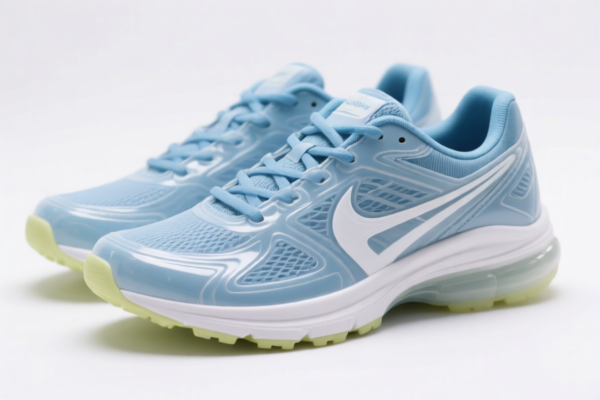
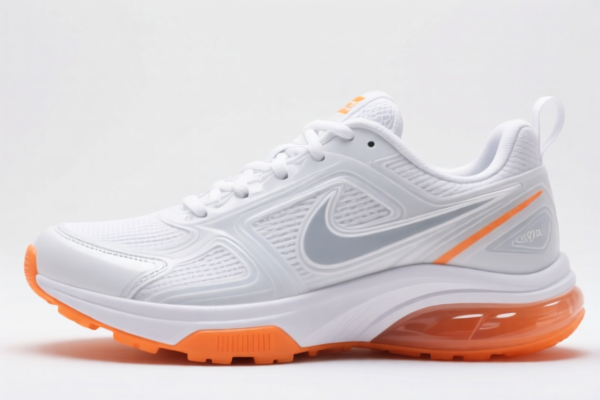
AI Analysis
👟 Plastic Sole Outdoor Sports Shoes
🌐 HS Code Reference & Customs Clearance Guide | 2026 Latest Tariff Analysis | Professional-Level Entry Strategy
📌 I. Product Definition & Classification: Do You Really Know "Plastic Sole Outdoor Sports Shoes"?
Plastic Sole Outdoor Sports Shoes are a category of footwear designed for athletic or recreational use, characterized by an outer sole made of rubber, plastic, or a combination of both, and an upper made of various materials (textiles, leather, synthetic, etc.). In international trade, classification depends heavily on material composition, sole type, and specific sport usage.
⚠️ Key Distinction Points:
- If the upper is primarily textile and the sole is rubber/plastic → Often falls under 6404.11 (Sports shoes with outer sole of rubber/plastics, upper of textiles).
- If the upper is leather or other materials, and sole is rubber/plastic → Often falls under 6403.xx or 6402.xx.
- If classified specifically as "Basketball Shoes" with plastic sole, specific subheadings apply based on exact material breakdown and usage definition.
📦 II. HS Code Classification Details (2026 Latest Tariff Authoritative Comparison)
| HS Code | Product Description | Application Scenario | Material/Usage Note |
|---|---|---|---|
6404.11.20.30 |
Sports shoes with outer sole of rubber/plastics, upper of textiles (Plastic Sole Basketball Shoes, upper inferred as textile) | Lightweight athletic wear, basketball shoes with textile upper | ✅ Upper: Textile ✅ Sole: Rubber/Plastic |
6402.99.90.05 |
Plastic sole basketball shoes, fully conforming to rubber/plastic outer sole & specific sports use definition | Specific sports footwear, potentially higher tariff due to broader categorization | ✅ Sole: Rubber/Plastic ✅ Usage: Sports |
6402.91.90.05 |
Plastic sole basketball shoes, explicitly including plastic material and basketball usage | Specific plastic-soled sports shoes, mid-tier tariff | ✅ Sole: Plastic ✅ Usage: Basketball |
6404.11.20.60 |
Plastic sole basketball shoes, outer sole plastic, upper may contain leather or textile | Versatile athletic shoes, mixed material upper | ✅ Upper: Leather/Textile ✅ Sole: Plastic |
6403.91.60.40 |
Plastic sole basketball shoes, usage: basketball, outer sole: rubber/plastic | Standard sports shoes with rubber/plastic sole | ✅ Sole: Rubber/Plastic ✅ Usage: Basketball |
6403.99.60.40 |
Plastic sole basketball shoes, outer sole plastic, catch-all category with no material conflict | General sports shoes, no specific material override | ✅ Sole: Plastic ✅ No Material Conflict |
🔍 Important Reminder:
- Textile uppers often qualify for lower base tariffs (6404) if the sole is rubber/plastic.
- Leather/Other uppers fall under 6403 or 6402, which may have higher base rates.
- "Basketball Shoes" specified usage can trigger specific subheadings, affecting tariff rates significantly.
💰 III. 2026 Latest Tariff Rate Details (Including Surtaxes, Policy Surcharges)
✅ Applicable Country: United States (US)
✅ Origin: China (CN)
✅ Effective Date: From November 10, 2025 (and subsequent imports)
🎯 1. 6404.11.20.30 —— Sports Shoes, Outer Sole Rubber/Plastics, Upper Textile
| Item | Content |
|---|---|
| Base Tariff Rate | 10.5% (ad valorem) |
| Section 301 Surcharge | 0.0% |
| Section 122 Surcharge | +10.0% (Specific to certain sports goods/plastic soles) |
| Total Tariff Rate | 20.5% |
| Tax Calculation | CIF Value × 20.5% |
| De Minimis Eligibility | ❌ No (deny_de_minimis) |
| Legal Basis Path | HTSUS:6404.11.20.30 → SEC:122 |
📌 Explanation:
- "Base Tariff 10.5%" is the standard Most Favored Nation (MFN) rate for sports shoes with textile uppers and rubber/plastic soles.
- "Section 122 Surcharge 10%" is applied specifically to certain imported footwear categories, including some plastic-soled sports shoes.
- No Section 301 surcharge applies to this specific subheading, making it relatively lower compared to others.
🎯 2. 6402.99.90.05 —— Plastic Sole Basketball Shoes (Full Definition Conformity)
| Item | Content |
|---|---|
| Base Tariff Rate | 20.0% (ad valorem) |
| Section 301 Surcharge | +7.5% |
| Section 122 Surcharge | +10.0% |
| Total Tariff Rate | 37.5% |
| Tax Calculation | CIF Value × 37.5% |
| De Minimis Eligibility | ❌ No (deny_de_minimis) |
| Legal Basis Path | HTSUS:6402.99.90.05 → SEC:301 + SEC:122 |
📌 Note:
- This is a high-tariff category. The "Full Definition Conformity" triggers both Section 301 and Section 122 surcharges.
- Suitable for specific sports footwear that doesn't fall under textile-upper categories.
🎯 3. 6402.91.90.05 —— Plastic Sole Basketball Shoes (Explicit Plastic + Basketball Usage)
| Item | Content |
|---|---|
| Base Tariff Rate | 20.0% (ad valorem) |
| Section 301 Surcharge | 0.0% |
| Section 122 Surcharge | +10.0% |
| Total Tariff Rate | 30.0% |
| Tax Calculation | CIF Value × 30.0% |
| De Minimis Eligibility | ❌ No (deny_de_minimis) |
| Legal Basis Path | HTSUS:6402.91.90.05 → SEC:122 |
📌 Note:
- No Section 301 surcharge, but Section 122 applies.
- Lower than6402.99.90.05due to absence of Section 301.
🎯 4. 6404.11.20.60 —— Plastic Sole Basketball Shoes (Mixed Upper Material)
| Item | Content |
|---|---|
| Base Tariff Rate | 10.5% (ad valorem) |
| Section 301 Surcharge | 0.0% |
| Section 122 Surcharge | +10.0% |
| Total Tariff Rate | 20.5% |
| Tax Calculation | CIF Value × 20.5% |
| De Minimis Eligibility | ❌ No (deny_de_minimis) |
| Legal Basis Path | HTSUS:6404.11.20.60 → SEC:122 |
📌 Note:
- Same as6404.11.20.30in tariff rate.
- Applicable when upper material is mixed (leather/textile) but still falls under the "Sports Shoes" category with textile-like characteristics or mixed classification.
🎯 5. 6403.91.60.40 —— Plastic Sole Basketball Shoes (Usage: Basketball, Sole: Rubber/Plastic)
| Item | Content |
|---|---|
| Base Tariff Rate | 8.5% (ad valorem) |
| Section 301 Surcharge | 0.0% |
| Section 122 Surcharge | +10.0% |
| Total Tariff Rate | 18.5% |
| Tax Calculation | CIF Value × 18.5% |
| De Minimis Eligibility | ❌ No (deny_de_minimis) |
| Legal Basis Path | HTSUS:6403.91.60.40 → SEC:122 |
📌 Note:
- Lowest base tariff among leather/other upper categories.
- Still subject to Section 122 surcharge.
- Ideal for basketball shoes with rubber/plastic soles and non-textile uppers.
🎯 6. 6403.99.60.40 —— Plastic Sole Basketball Shoes (Catch-All, No Material Conflict)
| Item | Content |
|---|---|
| Base Tariff Rate | 8.5% (ad valorem) |
| Section 301 Surcharge | 0.0% |
| Section 122 Surcharge | +10.0% |
| Total Tariff Rate | 18.5% |
| Tax Calculation | CIF Value × 18.5% |
| De Minimis Eligibility | ❌ No (deny_de_minimis) |
| Legal Basis Path | HTSUS:6403.99.60.40 → SEC:122 |
📌 Note:
- Same as6403.91.60.40.
- Applies when no specific material conflict exists, serving as a "catch-all" for plastic-soled sports shoes.
🛠️ IV. Customs Clearance Practical Advice (Battle-Tested Pitfall Avoidance Guide)
✅ 1. Required Documentation Checklist (None Missing)
| Document | Must Provide | Description |
|---|---|---|
| ✅ Product Specification Sheet | ✔️ | Include size, weight, sole material, upper material, intended sport |
| ✅ Product Photos (Including Label) | ✔️ | Clear image of model number, brand, sole type, upper material |
| ✅ Material Composition Statement | ✔️ | Detailed breakdown of upper (e.g., 70% textile, 30% synthetic) and sole (100% plastic) |
| ✅ Commercial Invoice | ✔️ | Clearly state "Plastic Sole Outdoor Sports Shoes" or "Basketball Shoes" |
| ✅ Packing List | ✔️ | Indicate relationship between main product and accessories |
| ✅ Certificate of Origin (CO) | ✔️ | If non-China origin, may qualify for preferential rates |
| ✅ Third-Party Test Report | ✔️ | ASTM, ISO, or relevant safety/performance tests for sports shoes |
✅ 2. Declaration Tips (Key Mnemonics)
🔥 "Sole Defines, Upper Confirms, Usage Specifies, Tariff Drops!"
| Scenario | Correct Declaration | Wrong Practice |
|---|---|---|
| Textile Upper, Rubber/Plastic Sole | 6404.11.20.30 or 6404.11.20.60 |
Misdeclare as leather → Higher tariff |
| Leather Upper, Plastic Sole, Basketball Use | 6403.91.60.40 or 6403.99.60.40 |
Misdeclare as textile → 20.5% instead of 18.5% |
| Specific Plastic Sole Basketball Shoe | 6402.91.90.05 or 6402.99.90.05 |
Vague description → 37.5% |
| Mixed Material Upper | 6404.11.20.60 (if textile-dominant) or 6403.xx |
Incorrect classification → Penalty |
✅ 3. Special Case Handling
| Scenario | Handling Advice |
|---|---|
| OEM Custom Sports Shoes | Provide customer order + design blueprint to avoid "non-standard" classification |
| Shoes with Removable Insoles/Inserts | Still classified as sports shoes; do not split declaration |
| Shoes for Specialized Sports (e.g., Climbing, Hiking) | If not strictly "basketball," may fall under general sports shoes (6404/6403) rather than specific basketball subheadings |
| Shoes with Composite Soles | Declare dominant material; if plastic > rubber, consider plastic-soled categories |
🌍 V. Global Main Market Clearance Comparison (2026 Latest)
| Country/Region | Recommended HS Code | Tariff | Certification Requirement | Notes |
|---|---|---|---|---|
| 🇺🇸 United States | 6403.91.60.40 or 6404.11.20.30 |
18.5%~20.5% (China Origin) | No specific mandatory certs | 37.5% for 6402 categories |
| 🇨🇳 China | 6403.91.60.40 or 6404.11.20.30 |
~10-15% | CCC (if applicable) | No additional surcharges |
| 🇪🇺 European Union | 6404.11 or 6403.91 |
0-17% | CE (if safety footwear) | Varies by member state |
| 🇬🇧 United Kingdom | 6404.11 or 6403.91 |
0-12% | UKCA (if required) | Post-Brexit rules apply |
| 🇦🇺 Australia | 6404.11 or 6403.91 |
5% | RCM (if electrical components) | No major surcharges |
📌 Conclusion:
- US is the only market imposing significant surcharges (Section 122) on these footwear categories.
- China-origin sports shoes face 18.5%-37.5% tariffs, depending on classification.
- Textile-upper shoes (6404) are more tariff-efficient than leather/plastic-upper shoes (6403/6402) in the US market.
📌 VI. Common Mistakes & Pitfall Avoidance Guide (Lessons Learned)
❌ Mistake 1: Misclassifying textile-upper shoes as leather-upper
👉 Consequence: Tariff jumps from 20.5% to 30%-37.5% → Higher costs!
❌ Mistake 2: Declaring basketball shoes as general sports shoes without specifying usage
👉 Consequence: May fall under higher-tariff 6402 categories → 37.5% instead of 18.5%
❌ Mistake 3: Not providing material composition for mixed-upper shoes
👉 Consequence: Customs may default to higher-tariff category → Audit risk
❌ Mistake 4: Using vague terms like "Outdoor Shoes" instead of "Plastic Sole Basketball Shoes"
👉 Consequence: Classification ambiguity → Delays or penalties
✅ Correct Practice:
"Plastic Sole Outdoor Sports Shoes, Basketball Model, Outer Sole: 100% Plastic, Upper: 70% Textile/30% Synthetic, Size 10, Brand XYZ, FCC/CE Certified (if applicable)"
🎯 VII. Conclusion: Professional Declaration, Time-Saving, Cost-Effective!
🎯 Remember the Mnemonics:
🔹 "Sole Plastic, Upper Textile, Tariff 20.5%!
Sole Plastic, Upper Leather, Tariff 18.5%!
Specific Basketball, Tariff 30-37.5%!
Declare Precisely, Save Thousands!"
🔹 "HS Code is Life, Tariff Difference is Money, Declaration Error is Penalty!"
📌 Pro Tip:
If your shoes are originated from Vietnam, Mexico, Thailand, Malaysia, you may apply for IEEPA Exemption or lower tariffs;
Recommend pre-ruling application (Advance Ruling) to avoid clearance risks.
📣 Take Action Now:
📞 Contact Professional Customs Broker + Provide Product Images + Apply for HS Code Advance Ruling
🚀 Let your shoes pass customs smoothly, export efficiently, and double profits!
✨ Professional Clearance Starts with Accurate Classification!
💼 Every Cent of Your Cost Deserves Precise Calculation!
Customer Reviews
About HS Code Classification
The Harmonized System (HS) is an internationally standardized nomenclature developed by the World Customs Organization (WCO) to classify traded products. Over 200 countries use the HS system as the basis for customs tariffs, trade statistics, and import/export regulations.
Each HS code follows a hierarchical structure:
- Chapter (2 digits) — Broad category of goods (e.g., Chapter 84: Machinery and Mechanical Appliances)
- Heading (4 digits) — More specific grouping within the chapter
- Subheading (6 digits) — Internationally standardized breakdown, used by all WCO member countries
- National subdivisions (8-10 digits) — Country-specific extensions for further classification, such as US HTSUS 10-digit codes
Correct HS code classification is essential for smooth customs clearance, accurate duty payment, and compliance with trade regulations. Misclassification can lead to customs delays, overpayment of duties, or penalties.
When importing from CN to US, the applicable tariff rates may include:
- Most-Favored-Nation (MFN) rate — The standard duty rate applied to WTO members
- General rate — Applied to countries without trade agreements
- Trade remedy duties — Additional tariffs such as Section 301 (anti-dumping), Section 232 (national security), or countervailing duties
The information provided on this page is for reference purposes only. For official classification, please consult with your local customs authority or a licensed customs broker.