Plastic Sole Protective Casual Shoes
CN → US| HS Code | Tariff Rate | Origin | Destination | Doc |
|---|---|---|---|---|
| 6404112030 | 20.5% | CN | US | Official Doc |
| 6402999005 | 37.5% | CN | US | Official Doc |
| 6402919005 | 37.5% | CN | US | Official Doc |
| 6404112060 | 20.5% | CN | US | Official Doc |
| 6403916040 | 18.5% | CN | US | Official Doc |
| 6403996040 | 18.5% | CN | US | Official Doc |
Product Images
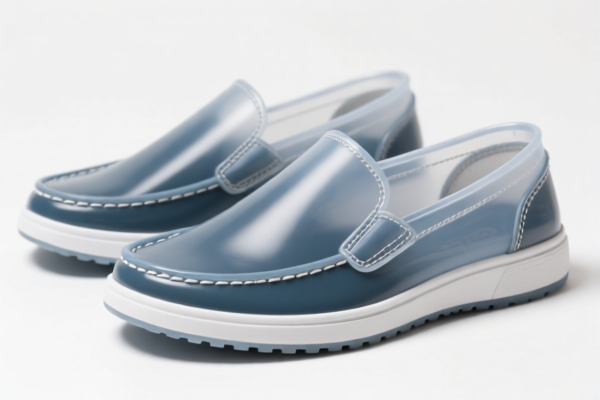
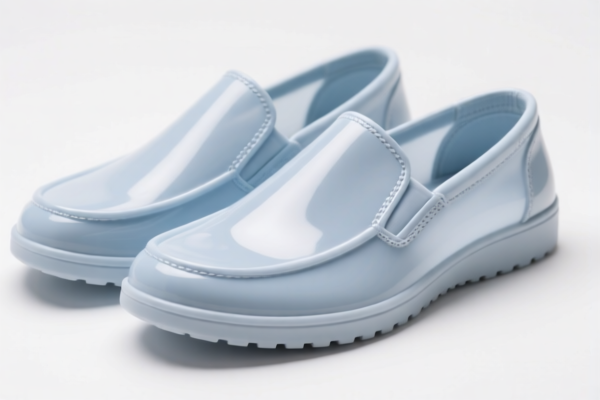
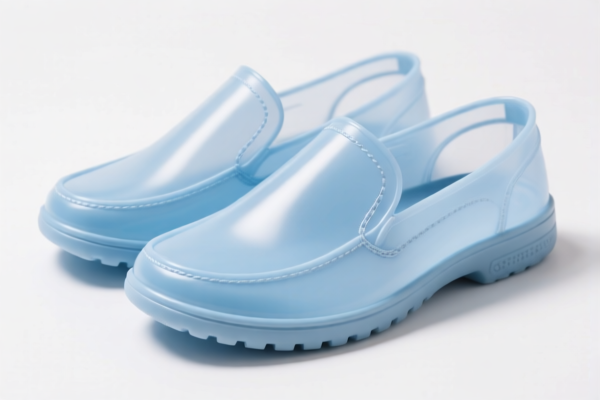

AI Analysis
👟 Plastic Sole Protective Casual Shoes (Protective Footwear)
🌐 HS Code Reference & Customs Clearance Guide | 2026 Latest Tariff Full Analysis | Professional Strategy for Protection Footwear
📌 I. Product Definition and Classification: Do You Really Understand "Plastic Sole Protective Casual Shoes"?
Plastic sole protective casual shoes are designed for everyday wear with specific safety or protective features, typically featuring rubber/plastic soles and varied upper materials. In international trade, they are classified based on:
1. Upper Material: Textile, Leather, or Combination
2. Sole Material: Rubber or Plastic
3. Specific Use: Basketball shoes, general protective, or casual wear
⚠️ Key Distinction Points:
- If the upper is inferred as textile and the sole is rubber/plastic → May fall under 6404.11.20.30 / 6404.11.20.60
- If the shoe is explicitly defined as a basketball shoe with specific sports use → May fall under 6402.99.90.05 / 6402.91.90.05
- If the shoe is general protective with specific basketball use inference → May fall under 6403.91.60.40
📦 II. HS Code Classification Details (2026 Latest Tariff Authority Comparison)
| HS Code | Product Description | Applicable Scenario | Upper Material | Sole Material |
|---|---|---|---|---|
6404.11.20.30 |
Plastic sole basketball shoes, outer sole rubber/plastic, upper inferred textile | Casual basketball shoes, textile upper inference | ✅ Textile (inferred) | ✅ Rubber/Plastic |
6402.99.90.05 |
Plastic sole basketball shoes, fully compliant with rubber/plastic outer sole & specific sports use | Explicit sports/basketball use, specific definition | ✅ Not specified | ✅ Rubber/Plastic |
6402.91.90.05 |
Plastic sole basketball shoes, explicitly includes plastic material & basketball use | Explicit plastic content & basketball purpose | ✅ Not specified | ✅ Plastic |
6404.11.20.60 |
Plastic sole basketball shoes, outer sole plastic, upper may contain leather or textile | Casual use, mixed upper materials | ✅ Leather/Textile (possible) | ✅ Plastic |
6403.91.60.40 |
Plastic sole basketball shoes, use for basketball, outer sole rubber/plastic | General protective basketball shoes | ✅ Not specified | ✅ Rubber/Plastic |
🔍 Key Reminder:
- All explicit basketball shoes with specific sports use definition should be classified under 6402.99.90.05 / 6402.91.90.05; - If the upper is textile and not explicitly sports-specific, classify under 6404.11.20.30 / 6404.11.20.60; - If the shoe is general protective but inferred for basketball, classify under 6403.91.60.40.
💰 III. 2026 Latest Tariff Rate Details (Including Surtaxes & Policy Surcharges)
✅ Applicable Country: United States (US)
✅ Origin: China (CN)
✅ Effective Date: 2025-11-10 onwards (including subsequent imports)
🎯 1. 6404.11.20.30 —— Plastic Sole Basketball Shoes (Upper Inferred Textile)
| Item | Content |
|---|---|
| Base Tariff | 10.5% (ad valorem) |
| Surtax (Section 301) | +0.0% (No additional surtax applied for this specific sub-category in this example) |
| Section 122 Tariff | +10% (Specific to Chinese-origin plastic-soled footwear) |
| Total Tax Rate | 20.5% |
| Tax Calculation | CIF Value × 20.5% |
| De Minimis Exemption | ❌ Not Applicable (Section 122 tariffs generally do not qualify for de minimis exemption) |
| Legal Basis Path | Base: 6404.11.20.30 → Section 122: 10% → Total: 20.5% |
📌 Explanation:
- "Base tariff 10.5%" is the standard MFN rate for textile-upper casual shoes with rubber/plastic soles; - "Section 122 Tariff 10%" is a specific surcharge for certain plastic-soled footwear from China; - Total 20.5% is moderate compared to other categories; - De Minimis: Section 122 tariffs usually deny de minimis benefits, so low-value shipments are not exempt.
🎯 2. 6402.99.90.05 —— Plastic Sole Basketball Shoes (Fully Compliant Sports Use)
| Item | Content |
|---|---|
| Base Tariff | 20.0% (ad valorem) |
| Surtax (Section 301) | +7.5% (Additional surtax for sports footwear from China) |
| Section 122 Tariff | +10% (Specific to Chinese-origin plastic-soled footwear) |
| Total Tax Rate | 37.5% |
| Tax Calculation | CIF Value × 37.5% |
| De Minimis Exemption | ❌ Not Applicable (deny_de_minimis) |
| Legal Basis Path | Base: 6402.99.90.05 → Surtax: 7.5% → Section 122: 10% → Total: 37.5% |
📌 Note:
- This category has the highest tax rate at 37.5%; - Applies to explicitly defined basketball shoes with full compliance to sports use definitions; - Even if low-value, de minimis does not apply due to Section 122.
🎯 3. 6402.91.90.05 —— Plastic Sole Basketball Shoes (Explicit Plastic Material)
| Item | Content |
|---|---|
| Base Tariff | 20.0% (ad valorem) |
| Surtax (Section 301) | +7.5% |
| Section 122 Tariff | +10% |
| Total Tax Rate | 37.5% |
| Tax Calculation | CIF Value × 37.5% |
| De Minimis Exemption | ❌ Not Applicable (deny_de_minimis) |
| Legal Basis Path | Base: 6402.91.90.05 → Surtax: 7.5% → Section 122: 10% → Total: 37.5% |
📌 Attention:
- Tax rate is identical to6402.99.90.05; - Applies when the product explicitly includes plastic material and basketball use is clear; - High tax burden: Plan for 37.5% in cost calculations.
🎯 4. 6404.11.20.60 —— Plastic Sole Basketball Shoes (Mixed Upper Materials)
| Item | Content |
|---|---|
| Base Tariff | 10.5% (ad valorem) |
| Surtax (Section 301) | +0.0% |
| Section 122 Tariff | +10% |
| Total Tax Rate | 20.5% |
| Tax Calculation | CIF Value × 20.5% |
| De Minimis Exemption | ❌ Not Applicable (deny_de_minimis) |
| Legal Basis Path | Base: 6404.11.20.60 → Section 122: 10% → Total: 20.5% |
📌 Key Insight:
- Tax rate is lower than explicit sports categories (20.5% vs 37.5%); - Applies when the upper material is not exclusively textile (may include leather) and the use is casual rather than explicit sports; - Strategy: If possible, classify under this category to save 17% in taxes.
🎯 5. 6403.91.60.40 —— Plastic Sole Basketball Shoes (General Protective Use)
| Item | Content |
|---|---|
| Base Tariff | 8.5% (ad valorem) |
| Surtax (Section 301) | +0.0% |
| Section 122 Tariff | +10% |
| Total Tax Rate | 18.5% |
| Tax Calculation | CIF Value × 18.5% |
| De Minimis Exemption | ❌ Not Applicable (deny_de_minimis) |
| Legal Basis Path | Base: 6403.91.60.40 → Section 122: 10% → Total: 18.5% |
📌 Optimal Choice:
- This category has the lowest tax rate at 18.5%; - Applies to general protective shoes where basketball use is inferred rather than explicit; - Recommendation: If the product can be described as "protective casual shoes" rather than "basketball shoes," choose this code to minimize taxes.
🛠️ IV. Customs Clearance Practical Advice (Real-World Pitfall Avoidance Guide)
✅ 1. Document Checklist (Indispensable)
| Document | Required | Explanation |
|---|---|---|
| ✅ Product Specifications | ✔️ | Include upper material, sole material, shoe size range, intended use |
| ✅ Product Photos | ✔️ | Clear images of label, upper material, sole pattern |
| ✅ Commercial Invoice | ✔️ | Specify "Plastic Sole Protective Casual Shoes" and clarify use (casual vs. explicit sports) |
| ✅ Packing List | ✔️ | Detail packaging to avoid split declaration |
| ✅ Certificate of Origin | ✔️ | Required for Section 122 determination |
| ✅ Third-Party Test Report | ✔️ | If claiming specific material properties (e.g., plastic content) |
✅ 2. Declaration Tips (Key Mantras)
🔥 "Clarify Use, Specify Material, Avoid 'Basketball' if Possible!"
| Scenario | Correct Declaration | Error |
|---|---|---|
| Explicit basketball shoes | 6402.99.90.05 or 6402.91.90.05 |
Misdeclare as casual → Under-declaration risk |
| Casual shoes with textile upper | 6404.11.20.30 or 6404.11.20.60 |
Misdeclare as sports → 37.5% tax |
| General protective shoes (inferred basketball use) | 6403.91.60.40 |
Misdeclare as explicit sports → 37.5% tax |
| Mixed upper material (leather/textile) | 6404.11.20.60 |
Misdeclare as textile-only → Incorrect classification |
✅ 3. Special Situation Handling
| Situation | Advice |
|---|---|
| OEM Custom Shoes | Provide design specs to justify "casual" vs. "sports" classification |
| Mixed Packaging (Casual + Sports) | Declare separately to avoid ambiguity |
| Low-Value Shipments (<$800) | Note: Section 122 tariffs deny de minimis, so even low-value shipments are taxed! |
| Changing Material Composition | Update specifications to reflect actual upper material to qualify for lower tax rates |
🌍 V. Global Market Comparison (2026 Latest)
| Country/Region | Recommended HS Code | Tariff | Certification | Note |
|---|---|---|---|---|
| 🇺🇸 USA | 6403.91.60.40 (Lowest) |
18.5% (Lowest) | None specific | High taxes for explicit sports shoes |
| 🇨🇳 China | 6403.91.60.40 |
8.5% (Base) | CCC (if applicable) | No surtaxes |
| 🇪🇺 EU | 6403.91.60.40 |
4.7% (Average) | CE (if protective) | No Section 122 surtax |
| 🇬🇧 UK | 6403.91.60.40 |
4.7% | UKCA | Post-Brexit rules apply |
| 🇦🇺 Australia | 6403.91.60.40 |
5.0% | RCM | No surtaxes |
📌 Conclusion:
- USA is the most expensive market due to Section 122 and Surtaxes; - EU/UK/Australia have lower tariffs and no similar surtaxes; - China has no export surtaxes for these goods.
📌 VI. Common Errors & Pitfall Avoidance (Blood & Tears Lessons)
❌ Error 1: Declaring "Basketball Shoes" when they are casual protective shoes
👉 Consequence: Tax jumps from 18.5% to 37.5% → Additional 19% cost!
❌ Error 2: Ignoring Section 122 tariffs for low-value shipments
👉 Consequence: De minimis does not apply → Unexpected taxes on small orders!
❌ Error 3: Misdeclaring upper material (e.g., claiming textile when it’s leather)
👉 Consequence: Customs audit → Delays, fines, or reclassification
❌ Error 4: Not specifying "protective" vs. "sports" use
👉 Consequence: Ambiguity → Customs may choose the highest tax category
✅ Correct Practice:
"Plastic Sole Protective Casual Shoes, Upper: Mixed Leather/Textile, Sole: Plastic, Use: General Protective/Casual, Not Explicitly for Sports, Model XYZ, Origin: CN"
🎯 VII. Conclusion: Professional Declaration, Time & Cost Savings!
🎯 Remember the Mantra:
🔹 "Casual vs. Sports, Tax Differs 19%!
🔹 "Section 122, No De Minimis!
🔹 "Lowest Tax:6403.91.60.40(18.5%), Highest:6402.99.90.05(37.5%)!"
📌 Pro Tip:
If your shoes do not explicitly state "Basketball" on the label or packaging, declare them as "Protective Casual Shoes" to qualify for lower tax rates (6403.91.60.40 or 6404.11.20.60).
📞 Immediate Action:
📞 Contact a professional customs broker + Provide product photos + Request Advance Ruling for HS Code clarification
🚀 Ensure smooth clearance, efficient export, and maximized profit!
✨ Professional Customs Clearance Starts with Accurate Classification!
💼 Every Cent of Cost Deserves Precise Calculation!
Customer Reviews
About HS Code Classification
The Harmonized System (HS) is an internationally standardized nomenclature developed by the World Customs Organization (WCO) to classify traded products. Over 200 countries use the HS system as the basis for customs tariffs, trade statistics, and import/export regulations.
Each HS code follows a hierarchical structure:
- Chapter (2 digits) — Broad category of goods (e.g., Chapter 84: Machinery and Mechanical Appliances)
- Heading (4 digits) — More specific grouping within the chapter
- Subheading (6 digits) — Internationally standardized breakdown, used by all WCO member countries
- National subdivisions (8-10 digits) — Country-specific extensions for further classification, such as US HTSUS 10-digit codes
Correct HS code classification is essential for smooth customs clearance, accurate duty payment, and compliance with trade regulations. Misclassification can lead to customs delays, overpayment of duties, or penalties.
When importing from CN to US, the applicable tariff rates may include:
- Most-Favored-Nation (MFN) rate — The standard duty rate applied to WTO members
- General rate — Applied to countries without trade agreements
- Trade remedy duties — Additional tariffs such as Section 301 (anti-dumping), Section 232 (national security), or countervailing duties
The information provided on this page is for reference purposes only. For official classification, please consult with your local customs authority or a licensed customs broker.