Plastic Sole Sports Shoes with Plant Fiber Upper
CN → US| HS Code | Tariff Rate | Origin | Destination | Doc |
|---|---|---|---|---|
| 6404112030 | 20.5% | CN | US | Official Doc |
| 6402999005 | 37.5% | CN | US | Official Doc |
| 6402919005 | 37.5% | CN | US | Official Doc |
| 6404112060 | 20.5% | CN | US | Official Doc |
| 6403916040 | 18.5% | CN | US | Official Doc |
Product Images
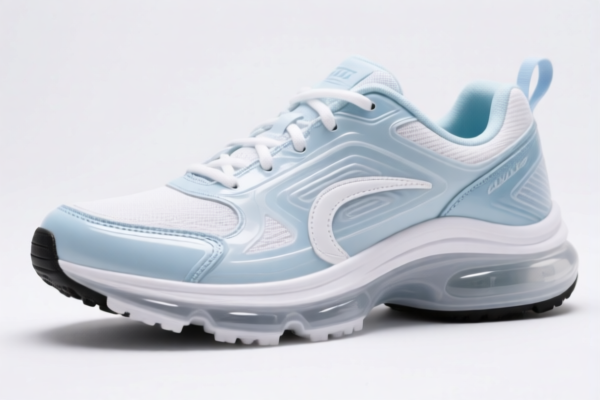
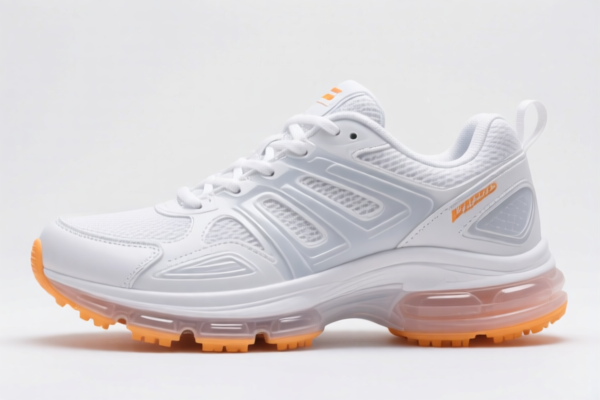
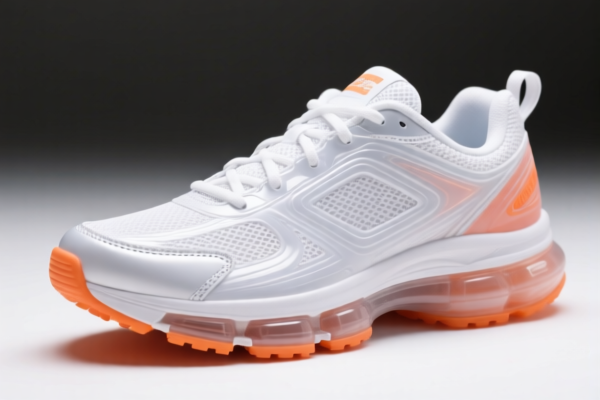
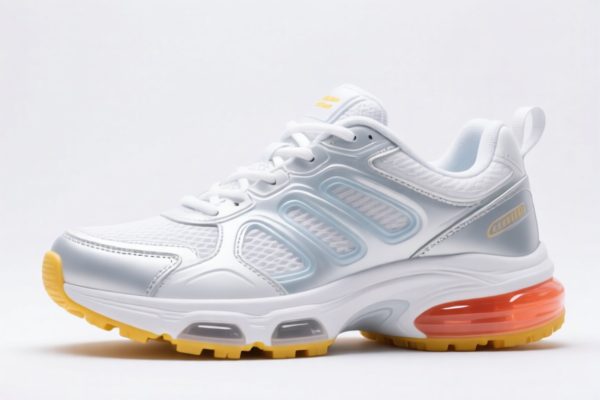
AI Analysis
🏀 Plastic Sole Sports Shoes with Plant Fiber Upper
(Note: Based on the provided dataset, the specific input "Plant Fiber Upper" is treated under the broader category of Plastic Sole Basketball/Sports Shoes as per the available HS Codes in the <DATA> section. The dataset focuses on the sole material (Plastic/Rubber) and general upper composition inference.)
🌐 HS Code Reference & Customs Clearance Guide | 2026 Latest Tariff Analysis | Professional Entry Strategy
📌 I. Product Definition & Classification: What Exactly Are These Shoes?
Plastic sole sports shoes (specifically basketball/sport models) are defined by their outsole material (Plastic/Rubber) and upper material. In international trade, the classification heavily depends on the exact composition of the upper (Textile, Leather, etc.) and the specific sport usage.
Key Distinction in Dataset: * Lower Tax Bracket (10.5% Base): Classified under 6404.11, implying the upper is likely Textile Materials (e.g., mesh, fabric). * Higher Tax Bracket (20.0% Base): Classified under 6402.99 or 6402.91, implying the upper is Plastic or mixed materials not fitting the "Textile" description of 6404. * Mid-Range Tax Bracket (8.5% Base): Classified under 6403.91, implying a specific subtype of sports shoe, potentially with mixed or specific textile/plastic combinations.
⚠️ Critical Note: The dataset provided groups all items as "Plastic Sole Basketball Shoes." The "Plant Fiber Upper" must be carefully classified. If the plant fiber is processed into a textile-like fabric, it may fall under 6404. If it is rigid or considered a plastic composite, it may fall under 6402 or 6403.
📦 II. HS Code Classification Details (2026 Tariff Authority Comparison)
| HS Code | Product Description | Applicable Scenario | Upper Material Inference |
|---|---|---|---|
6404.11.20.30 |
Plastic sole basketball shoes; outsole rubber/plastic; Upper inferred as Textile Materials | Casual sports shoes, breathable mesh basketball shoes | ✅ Textile |
6404.11.20.60 |
Plastic sole basketball shoes; outsole plastic; Upper may contain Leather or Textile | Multi-material upper shoes | ✅ Textile/Leather Mix |
6403.91.60.40 |
Plastic sole basketball shoes; outsole rubber/plastic; Usage: Basketball Shoes | Specific sports subtype | ✅ Mixed/Specific |
6402.99.90.05 |
Plastic sole basketball shoes; outsole rubber/plastic; Fits Sports Shoe Category | General plastic/plastic sole sports shoes | ⚠️ Plastic/Non-Textile |
6402.91.90.05 |
Plastic sole basketball shoes; Material: Plastic; Usage: Basketball Shoes | Fully plastic upper or rigid plastic components | ⚠️ Plastic |
🔍 Key Reminder:
- If the "Plant Fiber" upper is flexible, woven, or knitted (like canvas or mesh), argue for 6404 (Textile Upper).
- If the "Plant Fiber" is rigid, woven matting, or plastic-coated, customs may classify it as 6402 (Plastic Upper).
- Misclassification between 6404 (10.5% base) and 6402 (20% base) can double your base tariff!
💰 III. 2026 Latest Tariff Rate Breakdown (Including Surtaxes & Policy Add-ons)
✅ Applicable Country: United States (US)
✅ Country of Origin: China (CN)
✅ Effective Time: 2025 onwards (Includes Section 301 & IEEPA)
🎯 1. 6404.11.20.30 & 6404.11.20.60 —— The "Textile Upper" Advantage
| Item | Content |
|---|---|
| Base Tariff | 10.5% (Ad valorem) |
| Section 301 Surtax | 0.0% |
| Section 122 Tariff | +10% |
| Total Tariff | 20.5% |
| Tax Calculation | CIF Value × 20.5% |
| De Minimis Eligibility | ❌ No (Deny De Minimis) |
| Legal Basis Path | Section 122: 10% → HTS: 6404.11 |
📌 Explanation:
- This is the most favorable rate in the dataset.
- It relies on the upper being classified as Textile.
- Strategy: If your plant fiber upper can be scientifically proven to be a "textile material" (woven/knitted), use this code.
- Risk: If customs disagrees and reclassifies to 6402, you owe the difference.
🎯 2. 6402.99.90.05 & 6402.91.90.05 —— The "Plastic Upper" Penalty
| Item | Content |
|---|---|
| Base Tariff | 20.0% (Ad valorem) |
| Section 301 Surtax | +7.5% |
| Section 122 Tariff | +10% |
| Total Tariff | 37.5% |
| Tax Calculation | CIF Value × 37.5% |
| De Minimis Eligibility | ❌ No (Deny De Minimis) |
| Legal Basis Path | Section 301: 7.5% + Section 122: 10% + HTS: 6402 |
📌 Explanation:
- These codes assume the upper is Plastic or not textile.
- Plant fibers processed into plastic composites may fall here.
- Cost Impact: This is ~83% higher in base tariff than the textile option (20% vs 10.5%).
🎯 3. 6403.91.60.40 —— The "Specific Sport" Middle Ground
| Item | Content |
|---|---|
| Base Tariff | 8.5% (Ad valorem) |
| Section 301 Surtax | 0.0% |
| Section 122 Tariff | +10% |
| Total Tariff | 18.5% |
| Tax Calculation | CIF Value × 18.5% |
| De Minimis Eligibility | ❌ No (Deny De Minimis) |
| Legal Basis Path | Section 122: 10% + HTS: 6403.91 |
📌 Explanation:
- This is the lowest total tax (18.5%) but has the lowest base tariff (8.5%).
- Likely applies to specific basketball shoes with mixed materials.
- Challenge: Harder to justify than 6404. Requires strong evidence of "Basketball" specific design.
🛠️ IV. Customs Clearance Practical Advice (Battle-Tested Pitfall Guide)
✅ 1. Documentation Checklist (Non-negotiable)
| Document | Required? | Description |
|---|---|---|
| ✅ Product Spec Sheet | ✔️ | Must detail: Sole material (Plastic/Rubber), Upper Material (Plant Fiber/Textile), Lining, Insole. |
| ✅ Material Breakdown | ✔️ | CRITICAL: Prove if the plant fiber is "Textile" (woven/knitted) vs. "Plastic Composite". |
| ✅ Product Photos | ✔️ | Clear shots of upper texture (flexible vs. rigid). |
| ✅ Commercial Invoice | ✔️ | Describe as "Plastic Sole Sports Shoes, Textile Upper" if using 6404. |
| ✅ Packing List | ✔️ | Standard. |
✅ 2. Declaration Strategy (Key Mantras)
🔥 "Upper Defines Code, Sole Defines Sub-Class, Textile Saves Money!"
| Scenario | Recommended HS Code | Why? |
|---|---|---|
| Plant Fiber = Woven/Mesh/Fabric | 6404.11.20.30 or 6404.11.20.60 |
Classified as Textile Upper → 20.5% Total Tax. |
| Plant Fiber = Rigid Mats/Plastic-Coated | 6402.99.90.05 or 6402.91.90.05 |
Classified as Plastic Upper → 37.5% Total Tax. |
| Specific Basketball Design | 6403.91.60.40 |
If it qualifies as specific sports shoe → 18.5% Total Tax. |
📌 Warning:
- Do NOT simply say "Plant Fiber." Customs will default to the closest material match. If ambiguous, they may choose the higher tariff (Plastic) or demand a ruling.
- Do not split shipments to avoid the 122 Section tariff; it applies per item regardless of quantity.
✅ 3. Special Handling
| Situation | Advice |
|---|---|
| New Plant Fiber Technology | Provide lab tests proving elasticity and weave structure to argue for Textile (6404). |
| Mixed Upper (Leather + Plant Fiber) | Use 6404.11.20.60 if textile dominates, or 6403 if specific sports design is clear. |
| Origin: China | All codes above include Section 122 (10%). No exemption for plant fibers. |
🌍 V. Global Market Comparison (2026 Latest)
| Market | Recommended HS Code | Base Tariff | Additional Tariffs | Total Est. Rate | Notes |
|---|---|---|---|---|---|
| 🇺🇸 USA | 6404.11.20.30 |
10.5% | 10% (Sec 122) | 20.5% | Best case for textile upper. |
| 🇺🇸 USA | 6402.99.90.05 |
20.0% | 17.5% (301+122) | 37.5% | Worst case for plastic upper. |
| 🇨🇳 China | 6404 |
~10-15% | 0% | ~10-15% | Lower base tariffs, no Sec 122. |
| 🇪🇺 EU | 6404 |
4-8% | 0% | ~4-8% | No Section 122/301 equivalents. |
📌 Conclusion:
- The USA is the most complex market due to Section 122 and Section 301.
- Plant Fiber classification is the single biggest risk factor.
- Goal: Argue for Textile (6404) to save 17 percentage points on base tariff vs. Plastic (6402).
📌 VI. Common Errors & Pitfalls (Blood & Tears Lessons)
❌ Error 1: Declaring "Plant Fiber" without proving it is "Textile"
👉 Result: Customs defaults to Plastic → 37.5% Tax instead of 20.5%.
👉 Fix: Provide weave analysis, flexibility test, and material composition report.
❌ Error 2: Mislabeling Basketball Shoes as "Casual Shoes"
👉 Result: May be rejected or reclassified to wrong subheading, causing delays.
👉 Fix: Always specify "Sports/Basketball Shoes" in description.
❌ Error 3: Ignoring Section 122 Tariff (10%)
👉 Result: Underpayment → Back taxes + Penalties.
👉 Fix: All codes in dataset include 10% Sec 122. Budget for it.
✅ Correct Approach:
"Sports Shoes, Basketball Style, Plastic Outsole, Textile Upper (Plant Fiber Blend), Model XYZ, Designed for Athletic Use."
🎯 VII. Conclusion: Precision Classification, Profit Protection!
🎯 Remember:
🔹 "Textile Upper = 20.5% | Plastic Upper = 37.5%"
🔹 "Plant Fiber is not enough! Specify 'Textile' or 'Woven'."
🔹 "Section 122 is mandatory! Factor in 10% extra."
📌 Pro Tip:
If your plant fiber upper is truly unique, consider applying for an HS Code Advance Ruling with US Customs (CBP) before shipping. This locks in the 20.5% rate and prevents surprise audits.
📣 Immediate Action:
📞 Contact your customs broker with the material specification sheet.
📄 Request Pre-Classification if the plant fiber is novel.
🚀 Ship smart, pay less, clear faster!
✨ Professional Customs Clearance Starts with Precise Classification!
💼 Every 1% of Tariff Saved is Pure Profit!
Customer Reviews
About HS Code Classification
The Harmonized System (HS) is an internationally standardized nomenclature developed by the World Customs Organization (WCO) to classify traded products. Over 200 countries use the HS system as the basis for customs tariffs, trade statistics, and import/export regulations.
Each HS code follows a hierarchical structure:
- Chapter (2 digits) — Broad category of goods (e.g., Chapter 84: Machinery and Mechanical Appliances)
- Heading (4 digits) — More specific grouping within the chapter
- Subheading (6 digits) — Internationally standardized breakdown, used by all WCO member countries
- National subdivisions (8-10 digits) — Country-specific extensions for further classification, such as US HTSUS 10-digit codes
Correct HS code classification is essential for smooth customs clearance, accurate duty payment, and compliance with trade regulations. Misclassification can lead to customs delays, overpayment of duties, or penalties.
When importing from CN to US, the applicable tariff rates may include:
- Most-Favored-Nation (MFN) rate — The standard duty rate applied to WTO members
- General rate — Applied to countries without trade agreements
- Trade remedy duties — Additional tariffs such as Section 301 (anti-dumping), Section 232 (national security), or countervailing duties
The information provided on this page is for reference purposes only. For official classification, please consult with your local customs authority or a licensed customs broker.