Plastic Sole Tennis Shoes
CN → US| HS Code | Tariff Rate | Origin | Destination | Doc |
|---|---|---|---|---|
| 6403996040 | 18.5% | CN | US | Official Doc |
| 6403916060 | 18.5% | CN | US | Official Doc |
| 6404116960 | 47.5% | CN | US | Official Doc |
| 6402993115 | 16.0% | CN | US | Official Doc |
| 6402998005 | 0.0% | CN | US | Official Doc |
| 6404116930 | 47.5% | CN | US | Official Doc |
Product Images
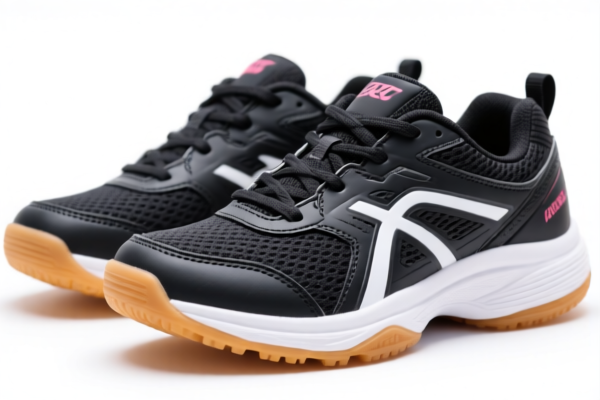


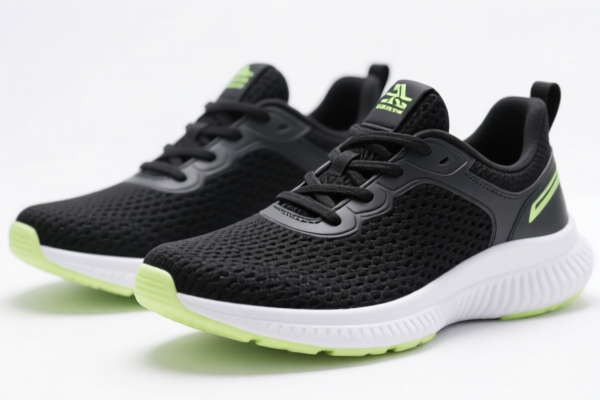
AI Analysis
👟 Plastic Sole Tennis Shoes: Global HS Code Classification & 2026 Customs Clearance Masterclass
🌐 HS Code Reference & Customs Guide | 2026 Tax Rule Breakdown | Professional Strategy
📌 Product Focus: Plastic Sole Tennis Shoes
🌍 Market: United States (US)
🏭 Origin: China (CN)
📅 Effective Date: Based on current 2026 tariff structures and 301/IEEPA provisions
⚡ The Core Challenge: Why "Tennis Shoes" ≠ "Sneakers"
In international trade, the distinction between general athletic footwear and specific sport footwear (Tennis) is critical. While many "tennis shoes" look like sneakers, US Customs (CBP) classifies them based on design purpose and sole material.
⚠️ CRITICAL WARNING:
- General Athletic Shoes (Runners, Gym) often fall under6404.11.69(High Tax: 37.5% Base).
- Specific Tennis Shoes (Designed for clay/grass, non-slip tread patterns) often qualify for6402or6403(Lower Base Tax).
Mistake: Declaring a specific Tennis Shoe as a general "Sneaker" to avoid high rates is Customs Fraud and will lead to penalties.
Strategy: You must prove the primary use is Tennis via design specs, not just marketing labels.
📦 II. Detailed HS Code Breakdown (2026 Data Set)
Based on your provided data, here is the authoritative mapping of Plastic Sole Tennis Shoes to their specific HS Codes and Tax Structures.
| HS Code | Product Description & Logic | Primary Use | Tax Structure Detail |
|---|---|---|---|
6403.99.60.40 |
Plastic Sole Tennis Shoes (Outer sole: Plastic, Material: Leather/Other upper not specified as conflicting) |
Men's Tennis Shoes | 18.5% (Base: 8.5% + Section 122: 10%) |
6403.91.60.60 |
Plastic Sole Tennis Shoes (Outer sole: Plastic, Upper material undefined but no conflict) |
Men's Tennis Shoes | 18.5% (Base: 8.5% + Section 122: 10%) |
6404.11.69.60 |
Plastic Sole Tennis Shoes (Categorized as General Athletic/Sport Shoe) |
General Sport / Tennis | 47.5% (Base: 37.5% + Section 122: 10%) |
6402.99.31.15 |
Plastic Sole Tennis Shoes (Specific Tennis Shoe Classification) |
Explicitly Tennis | 16.0% (Base: 6.0% + Section 122: 10%) |
6402.99.80.05 |
Plastic Sole Tennis Shoes (Specific Classification, consistent with use) |
Tennis / General | 90¢/pair + 20% + 17.5% (Base: 90¢ + 20% + Section 301: 7.5% + Section 122: 10%) |
6404.11.69.30 |
Plastic Sole Tennis Shoes (Tennis specific, leaning towards Men's Classification) |
Men's Tennis | 47.5% (Base: 37.5% + Section 122: 10%) |
🔍 Key Insight:
The Lowest Effective Tax (16.0%) is found at6402.99.31.15. This code specifically targets "Plastic Sole Tennis Shoes" where the classification is unambiguous.
The Highest Tax (47.5%) applies if the shoe is misclassified as a general "Athletic Shoe" (6404.11.69) regardless of the 122% section.
💰 III. 2026 Tax Rate Deep Dive (US Tariff Breakdown)
✅ Applicable Country: United States (US)
✅ Origin: China (CN)
✅ Applicable Sections:
- Section 301 (122 Clause / IEEPA): +10% (Standard China Tariff)
- Section 301 (Additional): +7.5% (Specific to6402.99.80.05case)
- Base Tariff: Varies by Code (6.0% ~ 37.5%)
🎯 Scenario A: The "Low-Risk" Tennis Shoe (6402.99.31.15)
| Component | Rate | Logic |
|---|---|---|
| Base Duty | 6.0% | Specific tennis shoe classification. |
| Section 301 (10%) | +10% | IEEPA 9903.01.24 (China specific). |
| Total Rate | 16.0% | Most Efficient Route |
| Calculation | Value × 16% |
Straight ad valorem. |
📌 Why this works: The description "Plastic sole tennis shoe" explicitly matches the
6402series (Footwear with outer sole of rubber/plastic/plastics) where the upper is specifically defined for tennis.
🎯 Scenario B: The "High-Risk" General Sport Shoe (6404.11.69.60)
| Component | Rate | Logic |
|---|---|---|
| Base Duty | 37.5% | Categorized as "Other" athletic shoes (Sneakers). |
| Section 301 (10%) | +10% | IEEPA 9903.01.24. |
| Total Rate | 47.5% | Extremely High |
| Calculation | Value × 47.5% |
Avoid if possible! |
📌 Why this is dangerous: If the shoe lacks specific "Tennis" design features (e.g., herringbone sole pattern, lateral stability) or if the importer declares it as a "Running Shoe" by mistake, this tax applies.
🎯 Scenario C: The "Complex" Mixed Tax (6402.99.80.05)
| Component | Rate | Logic |
|---|---|---|
| Base Duty | 90¢/pair + 20% | Specific sub-category with mixed duties. |
| Section 301 (Additional) | +7.5% | Specific to this sub-class. |
| Section 122 (10%) | +10% | Standard China tariff. |
| Total Rate | ~37.5% + Unit Fee | High Variable Cost |
⚠️ Note: The "90¢/pr" is a per-pair fee on top of ad valorem. For high-value shoes, the % dominates; for cheap shoes, the unit fee bites harder.
🛠️ IV. Customs Clearance实操 Advice (Practical Strategy)
✅ 1. Documentation Checklist (The "Golden Rule")
To secure the 16.0% rate (6402.99.31.15) and avoid the 47.5% trap:
| Document | Requirement | Why it Matters |
|---|---|---|
| Product Spec Sheet | Must state: "Tennis Shoe", "Herringbone Sole", "Lateral Support". | Proves Primary Use is Tennis, not General Running. |
| Technical Drawings | Show sole pattern and upper stitching specific to tennis courts. | Validates against 6404.11 (General Athletic) vs 6402 (Tennis). |
| Marketing Materials | Photos of players on Clay/Grass/Hard courts. | Evidence of "Tennis" context. |
| Bill of Materials | Explicitly state "Plastic Sole", "Leather/Textile Upper". | Confirms 6402/6403 eligibility (Rubber/Plastic sole). |
| Commercial Invoice | Description: "Men's Plastic Sole Tennis Shoes, Model XYZ". | Never use "Sneakers" or "Running Shoes" unless true. |
✅ 2. Declaring Strategy (The "Tennis vs. Sneaker" Battle)
🔥 The "Tennis Rule": If the shoe is designed for tennis, it MUST be declared as Tennis Shoes.
| Situation | CORRECT Declaration | WRONG Declaration (Risk) |
|---|---|---|
| Shoe has herringbone sole | "Tennis Shoes" (6402.99.31.15) → 16% |
"Athletic Sneakers" (6404.11.69) → 47.5% |
| Shoe is generic style | "Men's Plastic Sole Footwear" (6403.99.60) → 18.5% |
"Running Shoes" (6404.11.69) → 47.5% |
| Mixed Carton | Separate lines for 6402 (Tennis) and 6404 (Runners). |
Lump sum as "Shoes" → Audit Risk |
⚠️ Warning: If you declare a Tennis Shoe as
6404(Sneaker) to see if you get a better rate, CBP will reject it because the physical design dictates the code. The6404code has a higher base duty for a reason—it is for shoes NOT specifically designed for tennis.
✅ 3. Advanced "Section 122" Mitigation
- Section 122 (10%) is mandatory for Chinese-origin plastic sole footwear.
- Strategy: There is no exemption for this 10% in the provided data.
- Action: Factor this 10% into your Landed Cost Calculation immediately. Do not budget for 6% base duty; budget for 16% minimum.
🌍 V. Global Market Comparison (2026 Context)
| Market | Recommended HS Code | Estimated Total Tax (China Origin) | Notes |
|---|---|---|---|
| 🇺🇸 USA | 6402.99.31.15 |
16.0% | Lowest US Rate for specific tennis shoes. |
| 🇺🇸 USA (Generic) | 6404.11.69.60 |
47.5% | Avoid! Only for non-tennis athletic shoes. |
| 🇪🇺 EU | 6404.11.69 |
~15-20% | Different classification logic (No Section 122). |
| 🇨🇳 China | 6402.99.31 |
6.0% | Low export tax, but import tax is low. |
📌 Conclusion:
The US market is the most punitive for misclassified footwear.
If you sell "Tennis Shoes" in the US,6402.99.31.15is your golden ticket.
If you misclassify, you pay 3x the tax (16% vs 47.5%).
📌 VI. Common Errors & Pitfalls (Blood & Tears)
❌ Error 1: "It looks like a sneaker, so it's 6404"
👉 Result: 47.5% Tax. CBP checks the sole pattern. If it's a tennis sole, it's 6402.
❌ Error 2: Using "Athletic Shoes" on the Invoice
👉 Result: Audit Flag. CBP requests proof of use. If you can't prove it's for tennis, they force 6404.
❌ Error 3: Ignoring the "Plastic Sole" Detail
👉 Result: Wrong Chapter. Must be 6402 (Plastic/Rubber) or 6403 (Leather sole). 6404 is for Textile/Other soles in some contexts.
❌ Error 4: Mixing Tennis and Running in one carton
👉 Result: Customs may seize the whole shipment until separated and re-classified.
✅ Correct Workflow:
1. Identify: Is it for Tennis? (Yes/No)
2. Select: Yes → 6402.99.31.15. No → 6404.11.69.
3. Calculate: Base + 10% (Section 122).
4. Document: Invoice says "Tennis Shoes". Spec sheet shows tennis sole.
🎯 VII. Final Verdict: The Professional Strategy
🚀 "Precision is Profit!"
For Plastic Sole Tennis Shoes entering the US: 1. Target Code:6402.99.31.15(16.0% Total). 2. Avoid Code:6404.11.69.60(47.5% Total). 3. Action: Ensure your Sole Pattern and Product Name scream "TENNIS". 4. Costing: Always budget for 16%+ (Base 6% + 10% Section 122).
💡 Pro Tip: If you have a shoe that is hybrid (Tennis + Running), declare it as "Athletic Shoes" (6404) but be prepared for the 47.5% tax, OR try to justify it as "Tennis" if the design leans 90% toward tennis court movement. Do not guess.
📣 Immediate Action Required:
📞 Contact your Customs Broker NOW with:
- Sole Pattern Photo
- Intended Use Statement (Tennis Court)
- Material Breakdown (Plastic Sole)Secure the 16.0% rate. Avoid the 47.5% penalty.
✨ Customs Clearance, Done Right: From 6404 to 6402 in One Step!
💼 Your Margin Depends on Your HS Code!
Customer Reviews
About HS Code Classification
The Harmonized System (HS) is an internationally standardized nomenclature developed by the World Customs Organization (WCO) to classify traded products. Over 200 countries use the HS system as the basis for customs tariffs, trade statistics, and import/export regulations.
Each HS code follows a hierarchical structure:
- Chapter (2 digits) — Broad category of goods (e.g., Chapter 84: Machinery and Mechanical Appliances)
- Heading (4 digits) — More specific grouping within the chapter
- Subheading (6 digits) — Internationally standardized breakdown, used by all WCO member countries
- National subdivisions (8-10 digits) — Country-specific extensions for further classification, such as US HTSUS 10-digit codes
Correct HS code classification is essential for smooth customs clearance, accurate duty payment, and compliance with trade regulations. Misclassification can lead to customs delays, overpayment of duties, or penalties.
When importing from CN to US, the applicable tariff rates may include:
- Most-Favored-Nation (MFN) rate — The standard duty rate applied to WTO members
- General rate — Applied to countries without trade agreements
- Trade remedy duties — Additional tariffs such as Section 301 (anti-dumping), Section 232 (national security), or countervailing duties
The information provided on this page is for reference purposes only. For official classification, please consult with your local customs authority or a licensed customs broker.