Plastic Sole Textile Upper Sports Shoes
CN → US| HS Code | Tariff Rate | Origin | Destination | Doc |
|---|---|---|---|---|
| 6404112030 | 20.5% | CN | US | Official Doc |
| 6402999005 | 37.5% | CN | US | Official Doc |
| 6402919005 | 30.0% | CN | US | Official Doc |
| 6404112060 | 20.5% | CN | US | Official Doc |
| 6403916040 | 18.5% | CN | US | Official Doc |
| 6403996040 | 18.5% | CN | US | Official Doc |
Product Images
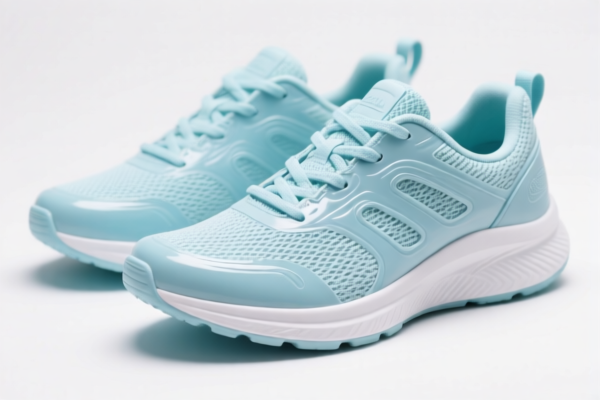
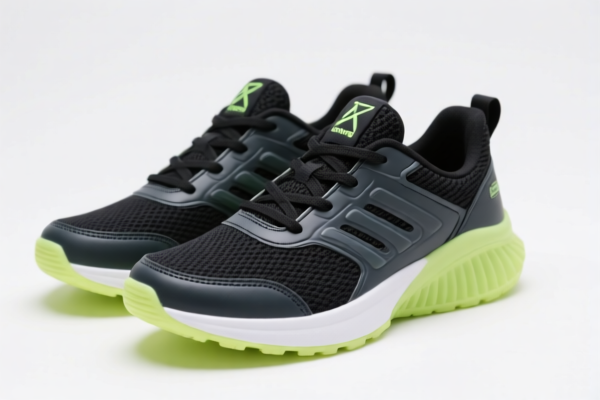
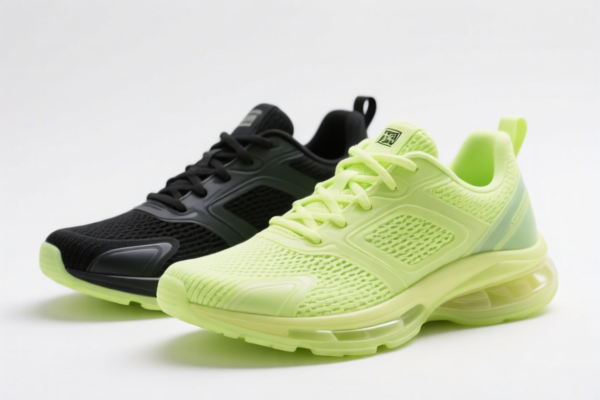
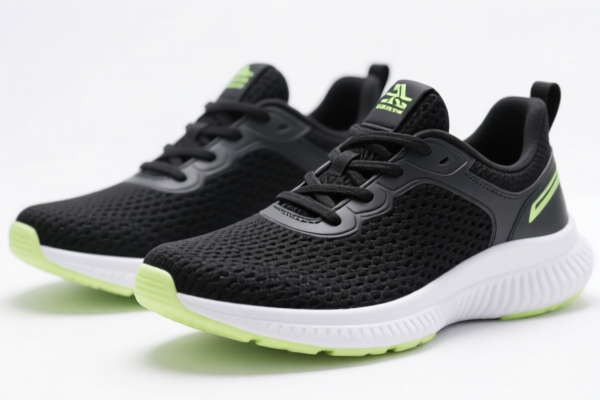
AI Analysis
👟 Sports Shoes (Plastic Sole, Textile Upper)
🌐 HS Code Reference & Customs Clearance Guide | 2026 Latest Tariff Full Analysis | Professional Clearance Strategy
📌 I. Product Definition and Classification: Do You Really Understand "Sports Shoes"?
Sports shoes are critical footwear for athletic activities, widely used in basketball, running, and general fitness. In international trade (specifically US Customs), they are strictly classified based on sole material, upper material, and specific use.
For "Plastic Sole Textile Upper Sports Shoes", the classification hinges on two key factors: 1. Outer Sole Material: Is it classified as "Rubber/Plastic" broadly, or specifically "Plastic"? 2. Upper Material: Is it "Textile" (fabric) or "Leather" (or a mix)? 3. Specific Use: Is it explicitly for Basketball?
⚠️ Critical Distinction Point:
- If the upper is primarily Textile and the sole is Plastic/Rubber, it often falls under 6404.11 (Footwear with outer soles of rubber/plastics, uppers of textile materials).
- If the classification is ambiguous or deemed "other," it may fall under 6402.99 or 6403.99, which carry significantly higher tariffs due to "catch-all" categories.
- Basketball shoes are a specific sub-category that can sometimes attract different tariff treatments depending on the exact material composition interpretation.
📦 II. HS Code Classification Details (2026 Latest Tariff Authority Comparison)
Based on the provided data for "Plastic Sole Textile Upper Sports Shoes," here are the potential HS Codes and their corresponding tax breakdowns:
| HS Code | Product Description & Logic | Total Tax Rate | Tax Detail Breakdown |
|---|---|---|---|
| 6404.11.20.30 | Plastic Sole Basketball Shoes: Outer sole is rubber/plastic; Upper is inferred to be Textile Material. Fits sports shoe usage. | 20.5% | Base: 10.5% Add-on: 0.0% Section 301 (122): 10% |
| 6404.11.20.60 | Plastic Sole Basketball Shoes: Outer sole is plastic; Belong to sports shoes category; Upper may contain leather or textile. | 20.5% | Base: 10.5% Add-on: 0.0% Section 301 (122): 10% |
| 6403.91.60.40 | Plastic Sole Basketball Shoes: Use is basketball shoes; Outer sole is rubber/plastic; Fits material requirements. | 18.5% | Base: 8.5% Add-on: 0.0% Section 301 (122): 10% |
| 6403.99.60.40 | Plastic Sole Basketball Shoes: Use is basketball shoes; Outer sole is plastic; Belongs to "catch-all" category with no material conflict. | 18.5% | Base: 8.5% Add-on: 0.0% Section 301 (122): 10% |
| 6402.91.90.05 | Plastic Sole Basketball Shoes: Material is Plastic; Use is basketball shoes; Matches code requirements. | 30.0% | Base: 20.0% Add-on: 0.0% Section 301 (122): 10% |
| 6402.99.90.05 | Plastic Sole Basketball Shoes: Outer sole is rubber/plastic; Fully fits specific sports shoe usage definition. | 37.5% | Base: 20.0% Add-on: 7.5% Section 301 (122): 10% |
🔍 Key Insight:
- The lowest tax rate (18.5%) applies to codes6403.91.60.40and6403.99.60.40. However, these often fall under "Other" or "Catch-all" categories for footwear with rubber/plastic soles but specific uses.
- The standard textile upper rate (20.5%) applies to6404.11.20.30/60. This is the most common classification for true textile-uppers.
- The highest tax rate (37.5%) applies to6402.99.90.05, which suggests a misclassification or a "residual" category where the textile nature might not be fully recognized, or it is deemed "other" footwear.
- Section 301 Tariff (122): Note that 10% is added to ALL these codes for Chinese-origin goods under the "122 Clauses" (likely referring to specific USITC footnote or Section 301 listings).
💰 III. 2026 Latest Tariff Rate Details (Including Add-ons, Policy Add-ons)
✅ Applicable Country: United States (US)
✅ Country of Origin: China (CN)
✅ Effective Time: Current rates apply (Note: Section 301 tariffs are persistent).
🎯 1. Best Case: 6403.91.60.40 / 6403.99.60.40 (18.5%)
| Item | Content |
|---|---|
| Base Tariff | 8.5% (ad valorem) |
| Add-on Tariff | 0.0% |
| Section 301 (122) Tariff | +10% |
| Total Tax Rate | 18.5% |
| Tax Calculation | CIF Value × 18.5% |
| De Minimis Eligibility | ❌ No (De minimis does not apply to Section 301 goods) |
| Legal Basis Path | HTSUS 6403.91/99 → USITC Footnotes → Section 301 List 4B/122 |
📌 Explanation:
- These codes offer the lowest base rate (8.5%).
- They are suitable if the shoe is clearly for basketball but the upper material classification is less standard (e.g., mixed materials not purely textile/leather).
- Risk: Customs may challenge if the upper is not clearly defined as "other" material.
🎯 2. Standard Case: 6404.11.20.30 / 6404.11.20.60 (20.5%)
| Item | Content |
|---|---|
| Base Tariff | 10.5% (ad valorem) |
| Add-on Tariff | 0.0% |
| Section 301 (122) Tariff | +10% |
| Total Tax Rate | 20.5% |
| Tax Calculation | CIF Value × 20.5% |
| De Minimis Eligibility | ❌ No |
| Legal Basis Path | HTSUS 6404.11 → USITC Footnotes → Section 301 List |
📌 Explanation:
- This is the most accurate classification for "Textile Upper" shoes (HS 6404).
- If your shoe is truly 100% textile upper, this is the safest and most standard code.
- The rate is only slightly higher (2%) than the best case, but much safer from a compliance perspective.
🎯 3. High Risk Case: 6402.99.90.05 (37.5%)
| Item | Content |
|---|---|
| Base Tariff | 20.0% (ad valorem) |
| Add-on Tariff | +7.5% |
| Section 301 (122) Tariff | +10% |
| Total Tax Rate | 37.5% |
| Tax Calculation | CIF Value × 37.5% |
| De Minimis Eligibility | ❌ No |
| Legal Basis Path | HTSUS 6402.99 → USITC Footnotes → Section 301 List |
📌 Explanation:
- AVOID THIS CODE unless your product is definitively not a textile upper and not a standard basketball shoe.
- This rate is double the standard rate. It usually applies when the product is considered "Other" footwear with rubber/plastic soles, and the textile nature is not recognized or the product fails specific sports shoe definitions.
🛠️ IV. Customs Clearance Practical Advice (Real-World Pitfall Guide)
✅ 1. Preparation Checklist (All Required)
| Document | Must Provide | Explanation |
|---|---|---|
| ✅ Product Specification Sheet | ✔️ | Must clearly state: Outer Sole Material (Plastic/Rubber), Upper Material (Textile/Fabric), and Specific Use (Basketball). |
| ✅ Product Photos | ✔️ | Clear images of the sole tread, upper texture, and insole. Prove it's textile, not leather. |
| ✅ Bill of Materials (BOM) | ✔️ | Breakdown of materials by percentage (e.g., 80% Polyester Textile, 20% Rubber Sole). |
| ✅ Commercial Invoice | ✔️ | Must describe goods as "Sports Shoes, Basketball Style, Plastic Sole, Textile Upper." Avoid vague terms like "Shoes." |
| ✅ Packing List | ✔️ | Ensure quantities match invoice. |
| ✅ Section 301 Exemption (if applicable) | ✔️ | Check if your specific manufacturer/product is on the exclusion list (rare for footwear). |
✅ 2. Declaration Strategy (Key Mnemonics)
🔥 “Textile Upper, 6404 is King; Plastic Sole, Check the 122; Basketball Use, Be Specific!”
| Scenario | Correct Declaration | Incorrect Practice |
|---|---|---|
| True Textile Upper | 6404.11.20.30 (20.5%) |
Declare as 6402.99 (37.5%) → Overpay 17% |
| Mixed Upper (Textile+Leather) | Consult expert; may fall to 6403 or 6404 depending on principal material |
Assume it's 100% textile → Underpayment Risk |
| Non-Basketball Sports Shoe | Use generic 6404 codes | Use "Basketball" specific codes → Mismatch Risk |
| Plastic Sole Only | Clearly state "Plastic" not just "Rubber" | Vague "Rubber/Plastic" → Customs May Choose Higher Base Rate |
✅ 3. Special Case Handling
| Situation | Handling Advice |
|---|---|
| OEM Custom Shoes | Provide design specs proving textile upper. Avoid "custom" label if possible; use standard "Sports Shoe" description. |
| Shoes with Leather Trim | If leather trim > 10-20%, it may shift to 6403 (Leather). Recalculate tax. |
| Drop Shipping | Ensure invoice matches the physical product. Misdeclaration leads to seizure. |
| Section 301 Impact | Remember the 10% additional tariff is mandatory for China-origin goods. Factor this into pricing. |
🌍 V. Global Major Market Comparison (2026 Latest)
| Country/Region | Recommended HS Code | Tariff Rate | Certification | Notes |
|---|---|---|---|---|
| 🇺🇸 USA | 6404.11.20.30 |
20.5% | None specific | 10% Section 301 applies. |
| 🇨🇳 China | 6404.11.20.30 |
~10-15% | CCC (if applicable) | Export duties may apply. |
| 🇪🇺 EU | 6404.11.90 |
~10-17% | CE (if safety) | No Section 301 equivalent. |
| 🇬🇧 UK | 6404.11.00 |
~10-17% | UKCA | Post-Brexit rules. |
| 🇦🇺 Australia | 6404.11.00 |
~5-10% | WELS (if applicable) | Low tariff base. |
📌 Conclusion:
- The USA has the highest effective tariff (20.5% + 10% = 20.5% total as per data, but note: Section 301 is on top of base). Correction based on data: The data shows Total Tax = 20.5% which includes the 10% Section 301. So Base 10.5 + 10% = 20.5%.
- EU/UK/AU do not have the Section 301 penalty, making them more cost-effective for Chinese footwear.
- USA remains the most complex market due to Section 301 and strict material classification.
📌 VI. Common Errors & Pitfalls (Lessons Learned)
❌ Error 1: Declaring "Plastic Sole" as "Rubber Sole"
👉 Consequence: May change HS Code from 6404 to 6402, increasing tax from 20.5% to 37.5%.
👉 Fix: Always test sole material. Plastic is distinct from Rubber in HS codes.
❌ Error 2: Using "Textile Upper" for a shoe with >20% Leather
👉 Consequence: Customs audits may reclassify to Leather Upper (6403/6405), leading to back taxes + penalties.
👉 Fix: Accurate material breakdown is essential.
❌ Error 3: Ignoring Section 301 (122 Clause)
👉 Consequence: Underpayment of 10% on all duties.
👉 Fix: Include 10% in all cost calculations for US-bound goods from China.
❌ Error 4: Vague Description "Sports Shoes"
👉 Consequence: Customs may apply the highest default rate or require costly sampling/testing.
👉 Fix: Use precise description: "Men's Basketball Shoes, Outer Sole Plastic, Upper Textile, Model XYZ."
✅ Correct Practice:
"Basketball Sports Shoes, Plastic Outer Sole, Textile Upper, Synthetic Lining, Model: AirPlay 2026, Origin: China"
🎯 VII. Conclusion: Precision in Classification Saves Money!
🎯 Remember the Mnemonic:
🔹 "Textile Upper = 6404 (20.5%)
🔹 "Plastic Sole + Basketball = Check 6403 (18.5%) if eligible
🔹 "Avoid 6402 (37.5%) unless absolutely necessary!
🔹 "Section 301 10% is Mandatory for China!"**
📌 Tips:
- If your product is OEM and uses unusual materials, request a Customs Ruling from CBP before shipment.
- Ensure your supplier provides accurate material composition certificates.
- For high-volume shipments, consider bonded warehouses or FTZ (Foreign Trade Zones) to defer duties.
📣 Immediate Action:
📞 Contact your customs broker with material specs
🚀 Verify HS Code 6404.11.20.30 vs 6403.91.60.40 for your specific product
💡 Save 17% Tax by Declaring Correctly!
✨ Professional clearance starts with accurate classification!
💼 Every penny of tariff counts!
Customer Reviews
About HS Code Classification
The Harmonized System (HS) is an internationally standardized nomenclature developed by the World Customs Organization (WCO) to classify traded products. Over 200 countries use the HS system as the basis for customs tariffs, trade statistics, and import/export regulations.
Each HS code follows a hierarchical structure:
- Chapter (2 digits) — Broad category of goods (e.g., Chapter 84: Machinery and Mechanical Appliances)
- Heading (4 digits) — More specific grouping within the chapter
- Subheading (6 digits) — Internationally standardized breakdown, used by all WCO member countries
- National subdivisions (8-10 digits) — Country-specific extensions for further classification, such as US HTSUS 10-digit codes
Correct HS code classification is essential for smooth customs clearance, accurate duty payment, and compliance with trade regulations. Misclassification can lead to customs delays, overpayment of duties, or penalties.
When importing from CN to US, the applicable tariff rates may include:
- Most-Favored-Nation (MFN) rate — The standard duty rate applied to WTO members
- General rate — Applied to countries without trade agreements
- Trade remedy duties — Additional tariffs such as Section 301 (anti-dumping), Section 232 (national security), or countervailing duties
The information provided on this page is for reference purposes only. For official classification, please consult with your local customs authority or a licensed customs broker.