Plastic Sound Absorbing Panel
CN → US| HS Code | Tariff Rate | Origin | Destination | Doc |
|---|---|---|---|---|
| 3925900000 | 40.3% | CN | US | Official Doc |
| 3925305000 | 22.8% | CN | US | Official Doc |
| 3926909989 | 22.8% | CN | US | Official Doc |
| 4421913000 | 20.7% | CN | US | Official Doc |
| 4411932000 | 0.0% | CN | US | Official Doc |
Product Images
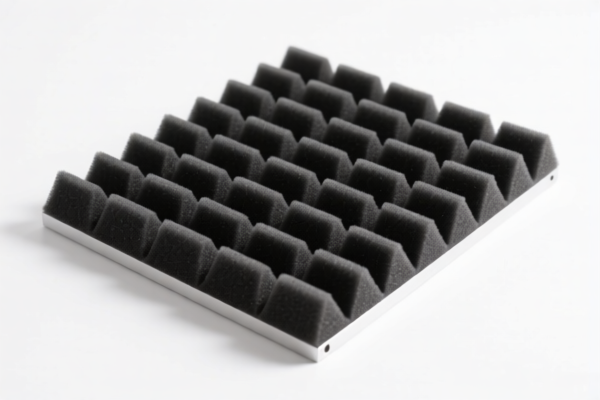
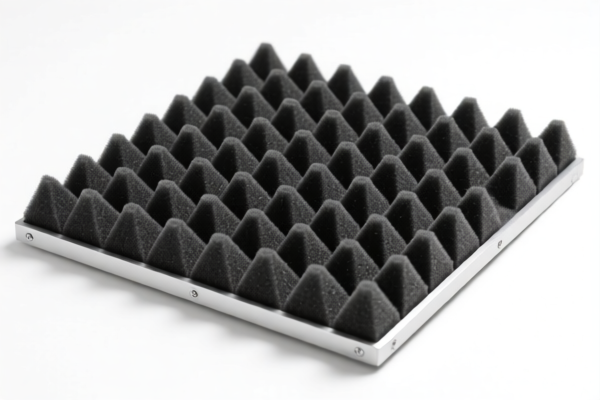
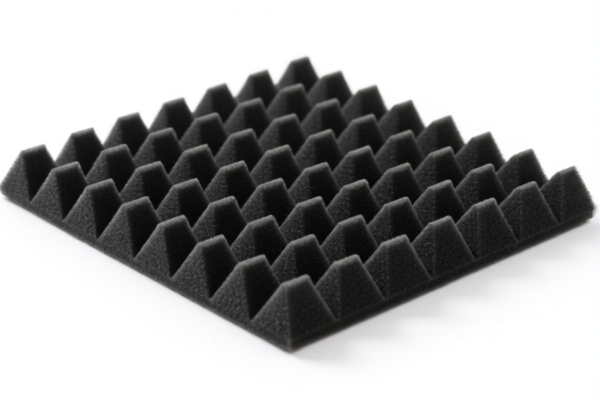
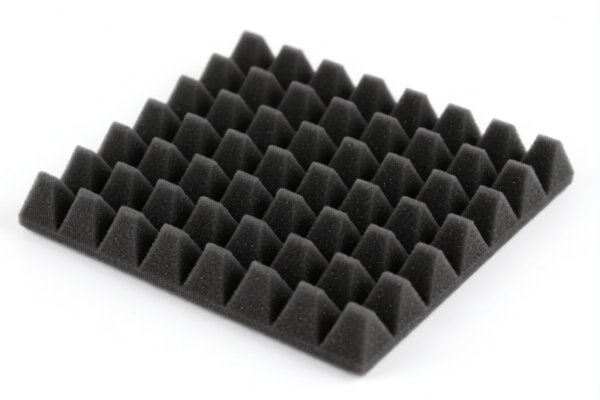
AI Analysis
🎧 Acoustic Panels: Plastic & Wood Variants (Sound Absorbing Panels)
🌐 HS Code Reference & Customs Clearance Guide | 2026 Latest Tariff Analysis | Strategic Import Strategy for US Market
📌 Part 1: Product Definition & Classification – Do You Really Know What You Are Importing?
Sound absorbing panels are critical components in architectural acoustics, used in offices, studios, theaters, and industrial settings to reduce noise pollution. In international trade, these products are not a single entity but are strictly classified based on their material composition and structural function.
There are two main categories:
1. Plastic-Based Acoustic Panels (e.g., PE Foam, PVC, Polystyrene):
- These are typically lightweight, porous, or molded plastic structures.
- Classification depends on whether they are considered "building construction articles" or general "plastic articles."
2. Wood-Based Acoustic Panels (e.g., MDF, Fiberboard, Wood Veneer):
- These consist of processed wood fibers or solid wood panels designed for acoustic absorption.
- Classification hinges on the manufacturing process (e.g., fiberboard vs. simple board-like products).
⚠️ Critical Distinction Point:
- Plastic Panels: Are they "other plastic articles of buildings" (Chapter 39.25) or "other plastic articles" (Chapter 39.26)? This affects the "Add-on Tariff" rate. - Wood Panels: Are they "Fiberboard/Laminated" (Chapter 44.11) or "Other Wood Boards" (Chapter 44.21)? This significantly changes the Base Duty and Specific Duty.
📦 Part 2: HS Code Classification Details (2026 Latest Tariff Authority Comparison)
| HS Code | Product Description | Material | Key Classification Logic |
|---|---|---|---|
3925.90.00.00 |
Other Plastic Building Articles | Plastic | Classified as "Other plastic building components." Often used for larger structural acoustic elements. |
3925.30.50.00 |
Plastic Building Accessories | Plastic | Classified as "Plastic building accessories." Applies to smaller, attachment-style acoustic panels. |
3926.90.99.89 |
Other Plastic Articles | Plastic | Classified as general "Other plastic articles." Used if the panel is not strictly a "building component/accessory" under Ch. 39.25. |
4421.91.30.00 |
Other Wooden Articles (Board-like) | Wood | Classified as "Bamboo/Wooden board-like products." For wood panels that don't fit fiberboard definitions. |
4411.93.20.00 |
Other Fiberboard/Laminated Wood | Wood | Classified as "Building-use Fiberboard/Laminated Board." Specifically for MDF/HDF acoustic panels. |
🔍 Important Note:
- Plastic Panels: The choice between3925.90,3925.30, and3926.90determines the Section 301 Add-on Tariff (25% vs. 7.5%).
- Wood Panels:4411.93has a lower base tariff but a Specific Duty (1.9¢/kg), while4421.91has a higher base tariff but no specific duty.
💰 Part 3: 2026 Latest Tariff Rate Breakdown (Including Surtaxes & Policy Add-ons)
✅ Applicable Country: United States (US)
✅ Origin: China (CN)
✅ Effective Time: Current Rates (Including Section 301 & 122 Clauses)
🎯 1. Plastic Sound Absorbing Panels
A. HS Code 3925.90.00.00 – Other Plastic Building Articles
| Item | Detail |
|---|---|
| Base Tariff | 5.3% |
| Section 301 Add-on | 25.0% (High Impact) |
| Section 122 Clause | 10.0% |
| Total Effective Rate | 40.3% |
| Calculation | CIF Value × 40.3% |
| De Minimis Eligibility | ❌ NO (Subject to strict scrutiny) |
📌 Explanation:
- This code attracts the highest surtax among plastic panels due to its classification under "Building Articles" which faces a 25% Section 301 penalty.
- Total Tax: 40.3%. This is a very high cost.
B. HS Code 3925.30.50.00 – Plastic Building Accessories
| Item | Detail |
|---|---|
| Base Tariff | 5.3% |
| Section 301 Add-on | 7.5% (Reduced Impact) |
| Section 122 Clause | 10.0% |
| Total Effective Rate | 22.8% |
| Calculation | CIF Value × 22.8% |
| De Minimis Eligibility | ❌ NO |
📌 Explanation:
- By classifying as "Building Accessories" rather than "Building Articles," the Section 301 tariff drops from 25% to 7.5%.
- Total Tax: 22.8%. This is a strategic saving of nearly 17.5% compared to3925.90.
C. HS Code 3926.90.99.89 – Other Plastic Articles
| Item | Detail |
|---|---|
| Base Tariff | 5.3% |
| Section 301 Add-on | 7.5% |
| Section 122 Clause | 10.0% |
| Total Effective Rate | 22.8% |
| Calculation | CIF Value × 22.8% |
| De Minimis Eligibility | ❌ NO |
📌 Explanation:
- Similar to3925.30, this code benefits from the 7.5% Section 301 rate.
- Use this if the product does not clearly fit the "Building Accessory" definition but is still a plastic article.
🎯 2. Wood Sound Absorbing Panels
A. HS Code 4421.91.30.00 – Wooden Board-like Products
| Item | Detail |
|---|---|
| Base Tariff | 10.7% |
| Section 301 Add-on | 0.0% (Exempt) |
| Section 122 Clause | 10.0% |
| Total Effective Rate | 20.7% |
| Calculation | CIF Value × 20.7% |
| De Minimis Eligibility | ❌ NO |
📌 Explanation:
- Zero Section 301 Tariff! This is a major advantage.
- The base tariff is higher (10.7%), but without the 25% penalty, the total is only 20.7%.
B. HS Code 4411.93.20.00 – Building-use Fiberboard/Laminated Board
| Item | Detail |
|---|---|
| Base Tariff | 1.9¢/kg + 1.5% |
| Section 301 Add-on | 25.0% |
| Section 122 Clause | 10.0% |
| Total Effective Rate | (1.9¢/kg + 1.5%) + 35.0% |
| Calculation | Specific Duty + Ad Valorem Total |
| De Minimis Eligibility | ❌ NO |
📌 Explanation:
- This code has a low ad valorem base (1.5%) but includes a Specific Duty (1.9¢/kg).
- However, it attracts the highest Section 301 rate (25%).
- For heavy/dense panels, the specific duty may make this more expensive. For lightweight panels, it might be competitive, but the 35% total ad valorem equivalent is very high.
🛠️ Part 4: Customs Clearance Practical Advice (Expert Pitfall Avoidance)
✅ 1. Documentation Checklist (Mandatory)
| Document | Required? | Purpose |
|---|---|---|
| ✅ Product Specification Sheet | ✔️ | Must state material (e.g., "90% Recycled Plastic," "MDF Core") and acoustic rating (NRC). |
| ✅ Material Composition Proof | ✔️ | Crucial for distinguishing between Plastic (Ch. 39) and Wood (Ch. 44). |
| ✅ Product Photos | ✔️ | Show cross-section to prove it is an "absorbing panel" and not just decorative trim. |
| ✅ Commercial Invoice | ✔️ | Must specify "Acoustic Panel for Sound Absorption," NOT generic "Plastic Sheet." |
| ✅ Packing List | ✔️ | Include gross weight (critical for 4411.93 specific duty calculation). |
✅ 2. Classification Strategy (Key Tips)
🔥 "Material First, Function Second, Tax Third!"
| Scenario | Recommended HS Code | Reasoning |
|---|---|---|
| Plastic Panel, clearly part of building structure | 3925.90.00.00 |
High tax (40.3%). Only use if no other option. |
| Plastic Panel, accessory/attachment | 3925.30.50.00 |
Lower Tax (22.8%). Best for modular, clip-on systems. |
| Plastic Panel, general use | 3926.90.99.89 |
Lower Tax (22.8%). Safe fallback if "Building Accessory" is disputed. |
| Wood Panel, MDF/HDF core | 4411.93.20.00 |
Low base tariff, but high Section 301 (35% total). Check weight carefully. |
| Wood Panel, solid wood/board-like | 4421.91.30.00 |
No Section 301 (20.7%). Best for solid wood acoustic panels. |
✅ 3. Special Considerations
| Situation | Advice |
|---|---|
| Mixed Materials (e.g., Wood Frame + Plastic Mesh) | Classify as Wood (4421.91) if wood provides essential character. Avoid Plastic codes to escape 25% Surtax. |
| High-Value vs. High-Volume | For heavy wood panels, 4411.93's specific duty (1.9¢/kg) can add up. Calculate total landed cost before choosing. |
| Customs Audits | Be prepared to prove that a plastic panel is indeed an "accessory" (3925.30) and not a primary "building component" (3925.90). Provide installation instructions. |
🌍 Part 5: Global Market Comparison (2026 Update)
| Market | Recommended HS Code (Plastic) | Tariff (China Origin) | Key Certification |
|---|---|---|---|
| 🇺🇸 USA | 3925.30.50.00 or 3926.90.99.89 |
22.8% | NRC/ASTM Report, Low VOC |
| 🇺🇸 USA | 3925.90.00.00 |
40.3% | Avoid if possible |
| 🇪🇺 EU | 3925.90.00 |
~5-10% (No Section 301) | CE Mark, Euroclass Fire Rating |
| 🇨🇳 China | 3925.30.50 |
~5-10% | CCC (if applicable) |
📌 Conclusion:
- The US market imposes harsh tariffs on Chinese plastic panels.
- Strategic Classification: Opt for3925.30or3926.90(22.8%) over3925.90(40.3%).
- Wood Alternatives:4421.91.30.00(20.7%) offers a lower-tax alternative to plastic, provided the product is genuinely wood-based.
📌 Part 6: Common Mistakes & Pitfalls (Blood & Tears Lessons)
❌ Mistake 1: Declaring a plastic panel as 3925.90.00.00 when it is clearly an accessory.
👉 Result: Paying 40.3% instead of 22.8%. Overpayment of nearly 17.5%!
❌ Mistake 2: Declaring an MDF panel as 4421.91.30.00 to avoid Section 301.
👉 Result: Customs may reclassify it as 4411.93.20.00 due to its "fiberboard" nature, applying the 35% effective rate. Misdeclaration leads to penalties.
❌ Mistake 3: Ignoring the Specific Duty in 4411.93.20.00.
👉 Result: For dense panels, the 1.9¢/kg fee can unexpectedly increase the total cost, even with low ad valorem rates.
✅ Correct Approach:
"Acoustic Panel, Plastic, 50mm Thickness, PE Foam Core, for Wall Installation" → Declare as
3925.30.50.00with proof of "accessory" status.
🎯 Part 7: Conclusion – Precision Pays Off!
🎯 Remember the Key Rules:
🔹 "Plastic? Avoid
3925.90! Aim for3925.30or3926.90to save 17.5%!"
🔹 "Wood?4421.91is the low-tariff hero (0% Surtax)!"
🔹 "Always verify material content! A 10% wood veneer might still classify as plastic!"
📌 Pro Tip:
If your plastic panels are imported from Vietnam or Malaysia, you may qualify for IEEPA Exemptions, reducing the surtax significantly.
Recommendation: Request a Pre-Ruling (Advance Ruling) from CBP if your product is on the borderline between "Building Article" and "Accessory."
📣 Immediate Action:
📞 Contact a Licensed Customs Broker
📦 Provide Material Safety Data Sheets (MSDS) & Technical Specs
🚀 Optimize Your HS Code to Save Up to 20% in Tariffs!
✨ Professional Clearance Starts with Accurate Classification!
💼 Every Percentage Point Counts in Your Bottom Line!
Customer Reviews
About HS Code Classification
The Harmonized System (HS) is an internationally standardized nomenclature developed by the World Customs Organization (WCO) to classify traded products. Over 200 countries use the HS system as the basis for customs tariffs, trade statistics, and import/export regulations.
Each HS code follows a hierarchical structure:
- Chapter (2 digits) — Broad category of goods (e.g., Chapter 84: Machinery and Mechanical Appliances)
- Heading (4 digits) — More specific grouping within the chapter
- Subheading (6 digits) — Internationally standardized breakdown, used by all WCO member countries
- National subdivisions (8-10 digits) — Country-specific extensions for further classification, such as US HTSUS 10-digit codes
Correct HS code classification is essential for smooth customs clearance, accurate duty payment, and compliance with trade regulations. Misclassification can lead to customs delays, overpayment of duties, or penalties.
When importing from CN to US, the applicable tariff rates may include:
- Most-Favored-Nation (MFN) rate — The standard duty rate applied to WTO members
- General rate — Applied to countries without trade agreements
- Trade remedy duties — Additional tariffs such as Section 301 (anti-dumping), Section 232 (national security), or countervailing duties
The information provided on this page is for reference purposes only. For official classification, please consult with your local customs authority or a licensed customs broker.