Plastic Spray Tube
CN → US| HS Code | Tariff Rate | Origin | Destination | Doc |
|---|---|---|---|---|
| 3926909989 | 22.8% | CN | US | Official Doc |
| 9616100000 | 17.5% | CN | US | Official Doc |
| 3926909910 | 22.8% | CN | US | Official Doc |
| 8424411000 | 35.0% | CN | US | Official Doc |
| 8424419000 | 37.4% | CN | US | Official Doc |
Product Images
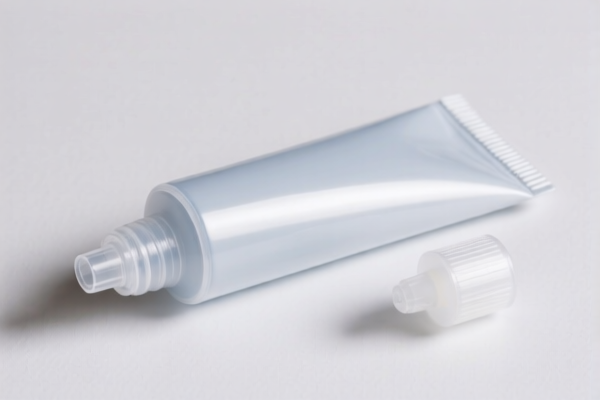
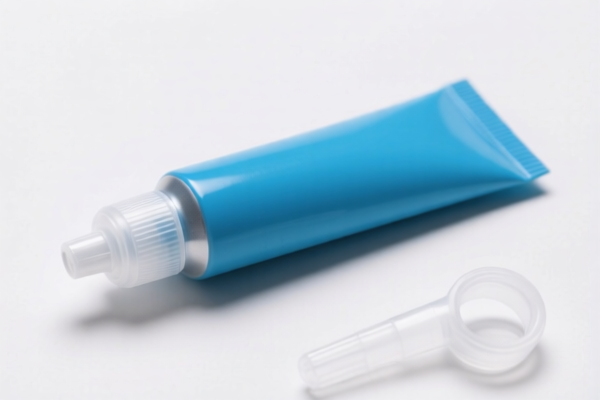
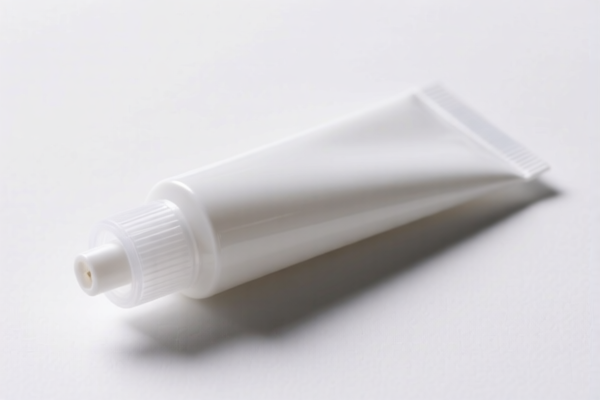
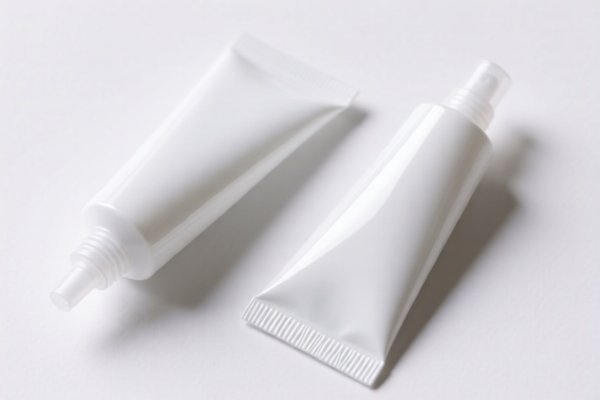
AI Analysis
💦 Plastic Spray Tube (Plastic Sprayer)
🌐 HS Code Reference & Clearance Guide | 2026 Latest Tariff Analysis | Professional Customs Strategy
📌 I. Product Definition & Classification: Do You Know the "Spray Tube"?
Plastic Spray Tubes (often referred to as plastic sprayers, spray bottles, or atomizers) are ubiquitous in daily life, used for cosmetics, agriculture, and household cleaning. However, in international trade, their HS Code classification is highly sensitive to their specific function and structure.
A common mistake is classifying all plastic spray devices under general plastic articles (Chapter 39). If the device meets the technical definition of a "spraying appliance" (Chapter 84), it may be reclassified there, leading to significant tariff differences and compliance risks.
⚠️ Key Distinction Point:
- If it is a simple container with a pump mechanism, classified as a Plastic Article (Chapter 39).
- If it is a specialized Cosmetic Appliance (e.g., fine mist for beauty), it falls under Chapter 96.
- If it is a mechanical Agricultural/Garden Sprayer (pressurized, mechanical action), it falls under Chapter 84.
- If it is a general-purpose mechanical sprayer (not agri/cosmetic), it falls under Chapter 84.
📦 II. HS Code Classification Details (2026 Latest Tariff Authority Cross-Reference)
Based on the provided data, here are the 5 specific HS Codes for Plastic Spray Tubes, sorted by category:
| HS Code | Product Description | Category/Logic | Total Tax Rate (China Origin to US) |
|---|---|---|---|
8424.41.10.00 |
Plastic Sprayer, mechanical type, specific use | General Mechanical Sprayer (Non-Agri/Non-Cosmetic) | 35.0% |
8424.41.90.00 |
Plastic Sprayer, for Agricultural/Garden use | Agricultural/Garden Sprayer | 37.4% |
9616.10.00.00 |
Plastic Sprayer, for Cosmetic Use | Cosmetic Appliance | 17.5% |
3926.90.99.10 |
Plastic Sprayer, general plastic article | General Plastic Product (Specific sub-item) | 22.8% |
3926.90.99.89 |
Plastic Sprayer, general plastic article | General Plastic Product (Other/Residual) | 22.8% |
🔍 Critical Reminder:
- Chapter 84 (8424) items carry higher tariffs (35-37.4%) due to the 25% Section 301 tariff on mechanical appliances.
- Chapter 96 (9616) items have lower tariffs (17.5%) because cosmetic tools often have lower base rates (0%) but still incur the 10% IEEPA surcharge.
- Chapter 39 (3926) items have moderate tariffs (22.8%), combining a 5.3% base rate with 7.5% + 10% surcharges.
💰 III. 2026 Latest Tariff Rate Breakdown (Including Surcharges)
✅ Applicable Country: United States (US)
✅ Origin: China (CN)
✅ Effective Date: Includes subsequent imports post-2025 policies
🎯 1. 9616.10.00.00 —— Cosmetic Plastic Sprayer (Lowest Risk/Cost)
| Item | Content |
|---|---|
| Base Tariff | 0.0% (ad valorem) |
| Section 301 Surcharge | +7.5% |
| IEEPA Surcharge | +10.0% (China/HK products from Nov 10, 2025) |
| Total Rate | 17.5% |
| Calculation | CIF Value × 17.5% |
| De Minimis Exemption | ❌ No (Deny de minimis for China origin in many cases, verify current CBP rules) |
| Legal Path | Base: 0% → Sec301: 7.5% → IEEPA: 10% |
📌 Explanation:
- Cosmetic spray pumps/bottles are classified here.
- Advantage: The base tariff is 0%, making it the most cost-effective classification among the options, despite the surcharges.
- Condition: Must be clearly intended for cosmetic application (e.g., perfume atomizers, hair spray bottles).
🎯 2. 3926.90.99.10 & 3926.90.99.89 —— General Plastic Sprayer (Miscellaneous)
| Item | Content |
|---|---|
| Base Tariff | 5.3% (ad valorem) |
| Section 301 Surcharge | +7.5% |
| IEEPA Surcharge | +10.0% |
| Total Rate | 22.8% |
| Calculation | CIF Value × 22.8% |
| De Minimis Exemption | ❌ No |
| Legal Path | Base: 5.3% → Sec301: 7.5% → IEEPA: 10% |
📌 Explanation:
- Used when the sprayer is considered a "part" or "article" of plastic rather than a functional appliance.
-99.10and99.89are residual categories;99.10may have specific administrative notes, but the tax burden is identical.
- Risk: If CBP determines the item is a "mechanical appliance" (Chapter 84), this classification will be challenged, leading to back-taxes and penalties.
🎯 3. 8424.41.10.00 —— General Mechanical Sprayer (High Tax)
| Item | Content |
|---|---|
| Base Tariff | 0.0% |
| Section 301 Surcharge | +25.0% |
| IEEPA Surcharge | +10.0% |
| Total Rate | 35.0% |
| Calculation | CIF Value × 35.0% |
| De Minimis Exemption | ❌ No |
| Legal Path | Base: 0% → Sec301: 25% → IEEPA: 10% |
📌 Explanation:
- Covers mechanical sprayers that do not fall under agriculture or cosmetics (e.g., general-purpose cleaning sprayers with pressure mechanisms).
- Disadvantage: The 25% Section 301 tariff applies heavily to Chapter 84 mechanical goods.
🎯 4. 8424.41.90.00 —— Agricultural/Garden Sprayer (Highest Tax)
| Item | Content |
|---|---|
| Base Tariff | 2.4% |
| Section 301 Surcharge | +25.0% |
| IEEPA Surcharge | +10.0% |
| Total Rate | 37.4% |
| Calculation | CIF Value × 37.4% |
| De Minimis Exemption | ❌ No |
| Legal Path | Base: 2.4% → Sec301: 25% → IEEPA: 10% |
📌 Explanation:
- Specifically for agricultural or garden use (e.g., backpack sprayers, garden hose attachments).
- Disadvantage: Highest total tax rate. Base rate is 2.4%, adding to the 35% surcharge total.
🛠️ IV. Clearance Operational Advice (Practical Pitfall Avoidance)
✅ 1. Documentation Checklist (Mandatory)
| Document | Required? | Notes |
|---|---|---|
| ✅ Product Spec Sheet | ✔️ | Must define use case (Cosmetic? Agri? General?). |
| ✅ Photos (Labeled) | ✔️ | Clear view of nozzle, pump mechanism, and any labels indicating use. |
| ✅ Declaration of Use | ✔️ | Explicitly state: "For Cosmetic Use" or "For Agricultural Use." |
| ✅ Material Declaration | ✔️ | Confirm 100% Plastic composition. |
| ✅ Commercial Invoice | ✔️ | Description must match HS Code logic (e.g., "Cosmetic Spray Pump"). |
✅ 2. Classification Strategy (Key Logic)
🔥 "Use Defines Code: Cosmetic is Cheap, Agri is Expensive, Plastic is Middle."
| Scenario | Recommended HS Code | Why? |
|---|---|---|
| Perfume Atomizers, Hair Mists | 9616.10.00.00 |
Lowest tax (17.5%). Base rate 0%. |
| Cleaning Bottles, Pump Sprayers (General) | 3926.90.99.89 |
Safe "plastic article" classification. Moderate tax (22.8%). Avoid Chapter 84 penalty risk. |
| Garden Backpack Sprayers | 8424.41.90.00 |
Mandatory if used for agri. Highest tax (37.4%). |
| Industrial/Commercial Mechanical Sprayers | 8424.41.10.00 |
Mandatory if mechanical appliance. High tax (35.0%). |
⚠️ Warning: Do not classify an agricultural sprayer as
3926.90.99.89to save tax. CBP frequently audits this. If the device has a pressure tank, piston, or specific agri-nozzle, it must be8424.
✅ 3. Special Cases
| Situation | Advice |
|---|---|
| Mixed Lots (Cosmetic + General) | Separate Shipments. Cosmetic items (9616) should be shipped separately from general plastic items (3926) to optimize tax. |
| OEM Cosmetic Sprayers | Ensure the supplier provides documentation that the item is not a general-purpose bottle but a "cosmetic appliance." |
| "Spray Tube" vs "Spray Bottle" | If it is a collapsible tube (like toothpaste) with a pump, it is still a Plastic Article (3926) unless it has a complex mechanical pressure system. |
🌍 V. Global Market Comparison (2026)
| Market | Recommended HS Code | Est. Tax (China Origin) | Notes |
|---|---|---|---|
| 🇺🇸 USA | 9616.10.00.00 (Cosmetic) |
17.5% | Best option if cosmetic. |
| 🇺🇸 USA | 3926.90.99.89 (General) |
22.8% | Default if use is unclear. |
| 🇺🇸 USA | 8424.41.90.00 (Agri) |
37.4% | Avoid if possible. |
| 🇪🇺 EU | 3926.90.97 (Plastic) |
~1.7% + VAT | No Section 301/IEEPA. Much cheaper. |
| 🇨🇳 China | 3926.90.99 |
5.3% | Low import tax for re-export hubs. |
📌 Conclusion:
- The USA market is the most expensive due to dual surcharges (301 + IEEPA).
- Cosmetic classification (9616) offers the best savings (17.5% vs 22.8%+).
- Avoid Chapter 84 unless the product is strictly mechanical/agricultural, as the 25% surcharge is punitive.
📌 VI. Common Errors & Pitfalls (Lessons Learned)
❌ Error 1: Classifying an Agricultural Sprayer as 3926 (Plastic)
👉 Consequence: CBP reclassification → Back taxes (diff between 22.8% and 37.4%) + Penalties.
❌ Error 2: Classifying a General Cleaning Sprayer as 9616 (Cosmetic)
👉 Consequence: CBP rejection → Delay in clearance. Must prove it is NOT for cosmetics.
❌ Error 3: Ignoring the IEEPA 10% Surcharge
👉 Consequence: Underpayment of duty. All China-origin goods from Nov 2025 are subject to this.
✅ Correct Practice:
"Plastic Cosmetic Spray Pump, Model XYZ, for Perfume Application" →
9616.10.00.00
"Plastic Hand Spray Bottle, General Purpose, 500ml" →3926.90.99.89
🎯 VII. Conclusion: Professional Classification, Cost Optimization!
🎯 Remember the Golden Rule:
🔹 "Cosmetic = 17.5% (Best)"
🔹 "Plastic Article = 22.8% (Safe)"
🔹 "Mechanical/Agri = 35-37% (Expensive)"
📌 Pro Tip:
If your product is a multi-purpose sprayer (e.g., can be used for hair or cleaning), choose the Cosmetic Classification (9616) if you can provide marketing materials showing cosmetic use. This is the most effective legal strategy to reduce tariff costs from 22.8% to 17.5%.
📣 Immediate Action:
📞 Confirm product use with supplier.
📸 Provide clear photos to customs broker.
📝 Apply for Advance Ruling if shipping large volumes to ensure classification stability.
✨ Professional clearance starts with accurate classification!
💼 Every percentage point saved is pure profit!
Customer Reviews
About HS Code Classification
The Harmonized System (HS) is an internationally standardized nomenclature developed by the World Customs Organization (WCO) to classify traded products. Over 200 countries use the HS system as the basis for customs tariffs, trade statistics, and import/export regulations.
Each HS code follows a hierarchical structure:
- Chapter (2 digits) — Broad category of goods (e.g., Chapter 84: Machinery and Mechanical Appliances)
- Heading (4 digits) — More specific grouping within the chapter
- Subheading (6 digits) — Internationally standardized breakdown, used by all WCO member countries
- National subdivisions (8-10 digits) — Country-specific extensions for further classification, such as US HTSUS 10-digit codes
Correct HS code classification is essential for smooth customs clearance, accurate duty payment, and compliance with trade regulations. Misclassification can lead to customs delays, overpayment of duties, or penalties.
When importing from CN to US, the applicable tariff rates may include:
- Most-Favored-Nation (MFN) rate — The standard duty rate applied to WTO members
- General rate — Applied to countries without trade agreements
- Trade remedy duties — Additional tariffs such as Section 301 (anti-dumping), Section 232 (national security), or countervailing duties
The information provided on this page is for reference purposes only. For official classification, please consult with your local customs authority or a licensed customs broker.