Plastic Sprinkler
CN → US| HS Code | Tariff Rate | Origin | Destination | Doc |
|---|---|---|---|---|
| 3926909989 | 22.8% | CN | US | Official Doc |
| 3926909940 | 22.8% | CN | US | Official Doc |
| 3926909910 | 22.8% | CN | US | Official Doc |
| 8424820090 | 37.4% | CN | US | Official Doc |
| 8424820020 | 37.4% | CN | US | Official Doc |
Product Images
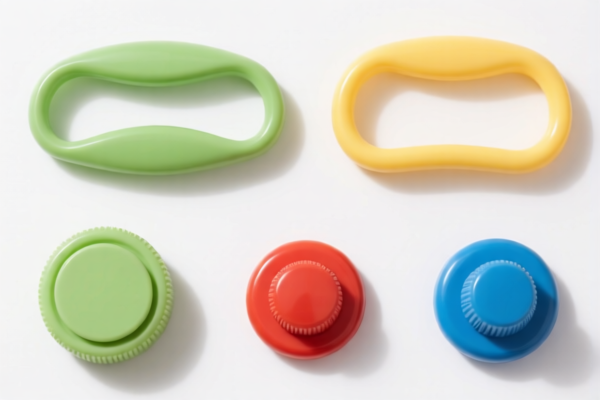
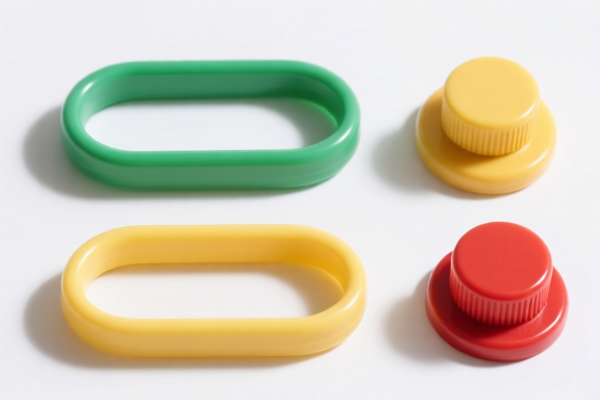
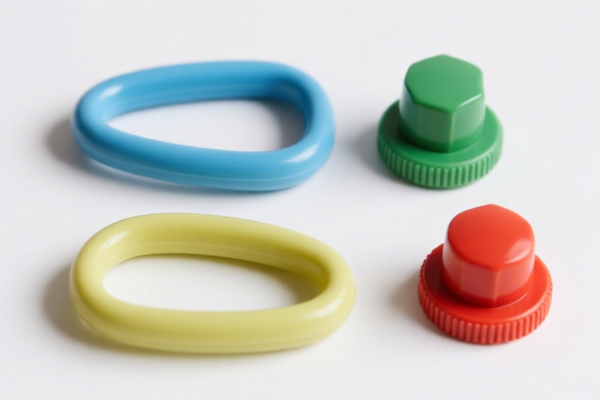
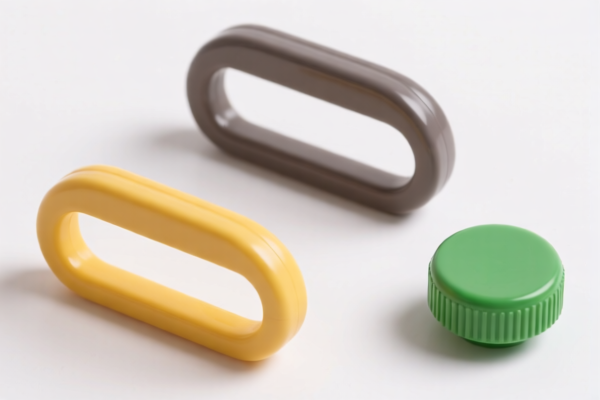
AI Analysis
🚿 Plastic Sprinkler (Agricultural & Garden Irrigation Equipment)
🌐 HS Code Reference & Customs Clearance Guide | 2026 Latest Tariff Analysis | Professional Entry Strategy
📌 Part I: Product Definition & Classification: Is it Plastic or Machinery?
The "Plastic Sprinkler" is a critical component in agricultural and garden irrigation systems. In international trade, the classification of this item hinges on a critical distinction between "Material" and "Function."
1. The "Plastic Goods" Path (Ch. 39): If the sprinkler is viewed primarily as a container or vessel made of plastic, it falls under Chapter 39. This includes items like spray bottles, simple irrigation nozzles, or plastic fittings that do not possess complex mechanical moving parts for pressurized dispensing.
2. The "Mechanical Apparatus" Path (Ch. 84): If the sprinkler is defined by its function as a mechanical device for spraying, dispersing, or discharging liquids (e.g., rotary sprinklers, misting systems, or pressurized spraying machines), it falls under Chapter 84. This classification typically carries higher duties due to its status as a mechanical apparatus.
⚠️ Key Distinction Point:
- If the item is a simple plastic nozzle or bottle without mechanical actuation → Chapter 39 (Lower Duty).
- If the item is a spraying machine, rotary sprinkler head, or pressurized irrigation device → Chapter 84 (Higher Duty).
📦 Part II: HS Code Classification Details (2026 Latest Tariff Authority Match)
| HS Code | Product Description (Based on Data) | Application Scenario | Tax Rate |
|---|---|---|---|
3926.90.99.89 |
Other articles of plastics, other materials | General plastic goods; "catch-all" for plastic items not specified elsewhere. | 22.8% |
3926.90.99.40 |
Other articles of plastics | Plastic sprinklers/nozzles not elsewhere specified; no material/conflict issues. | 22.8% |
3926.90.99.10 |
Other plastic articles (e.g., Sprayers/Vessels) | Plastic sprayers, irrigation vessels, or nozzles; fits within "Other Plastic Articles." | 22.8% |
8424.82.00.90 |
Mechanical appliances for projecting fluids | Spraying machinery; agricultural/garden spraying equipment; mechanical apparatus. | 37.4% |
8424.82.00.20 |
Watering appliances (Irrigation Equipment) | Sprinklers for irrigation; mechanical devices for dispersing liquids; agricultural use. | 37.4% |
🔍 Focus Reminder:
- Chapter 39 Codes (3926...): Treat the product as a plastic artifact. Best for simple nozzles, bottles, or non-mechanical fittings.
- Chapter 84 Codes (8424...): Treat the product as a machine/apparatus. Best for functional sprinklers, rotary heads, and pressurized spray systems.
- Tax Disparity: The duty difference is significant (22.8% vs. 37.4%). Misclassification can lead to penalties or overpayment.
💰 Part III: 2026 Latest Tariff Rate Breakdown (Including Surtaxes & Policy Add-ons)
✅ Applicable Country: United States (US)
✅ Origin: China (CN)
✅ Effective Date: Current US Trade Policy (Section 301 & IEEPA)
🎯 1. 3926.90.99.89 / 3926.90.99.40 / 3926.90.99.10 — Plastic Articles
| Item | Details |
|---|---|
| Base Tariff | 5.3% (General Ad Valorem) |
| Surtax (Section 301) | +7.5% (Standard 301 List Tariff) |
| 122-Clause Tariff | +10% (Specific US Import Restriction Clause) |
| Total Tax Rate | 22.8% |
| Tax Calculation | CIF Value × 22.8% |
| De Minimis Exemption | ❌ Not Eligible (Usually denied for Section 301 goods) |
📌 Explanation:
- The 5.3% is the standard MFN (Most Favored Nation) rate for plastic articles.
- The 7.5% is the base Section 301 tariff often applied to Chinese plastics.
- The 10% "122-Clause" tariff is an additional punitive duty targeting specific Chinese imports.
- Total 22.8% is a moderate-to-high duty for consumer goods.
🎯 2. 8424.82.00.90 / 8424.82.00.20 — Mechanical Spraying/Irrigation Appliances
| Item | Details |
|---|---|
| Base Tariff | 2.4% (General Ad Valorem for Machinery) |
| Surtax (Section 301) | +25.0% (Higher Tier 301 Tariff for Machinery/Electronics) |
| 122-Clause Tariff | +10% (Same punitive clause applies) |
| Total Tax Rate | 37.4% |
| Tax Calculation | CIF Value × 37.4% |
| De Minimis Exemption | ❌ Not Eligible |
📌 Explanation:
- While the Base Tariff is lower (2.4%), the Surtax is significantly higher (25.0%) compared to plastic goods.
- This reflects the US policy of placing heavier burdens on imported mechanical and industrial equipment from China.
- Total 37.4% is a very high duty, nearly doubling the cost of the plastic alternative.
- Strategic Note: If the product can be legally classified under Chapter 39 (as a simple plastic part), it saves 14.6% in duties. However, if it is a complex mechanical sprinkler, Chapter 84 is mandatory.
🛠️ Part IV: Customs Clearance Practical Advice (Pitfall Avoidance)
✅ 1. Documentation Checklist (Non-Negotiable)
| Document | Required? | Purpose |
|---|---|---|
| ✅ Product Specification Sheet | ✔️ | Must detail dimensions, material (PP/PE/ABS), and whether it has moving parts. |
| ✅ Product Photos | ✔️ | Clear images of the sprinkler, including any nozzles, hinges, or rotating heads. |
| ✅ Commercial Invoice | ✔️ | Description must match the HS Code intent (e.g., "Plastic Sprinkler Nozzle" vs. "Mechanical Sprinkler Head"). |
| ✅ Packing List | ✔️ | Item count and weights. |
| ✅ Declaration of Intent | ✔️ | Explicitly state: "Item is a plastic article" OR "Item is a mechanical sprinkling apparatus." |
✅ 2. Classification Strategy (Critical Choice)
🔥 "Material vs. Function: Choose Wisely!"
| Scenario | Recommended HS Code | Duty Rate | Risk Level |
|---|---|---|---|
| Simple Plastic Nozzle/Bottle | 3926.90.99.40 or .10 |
22.8% | 🟢 Low (Standard plastic good) |
| Complex Rotary Sprinkler (Mechanical) | 8424.82.00.20 |
37.4% | 🟡 Medium (Must prove mechanical function) |
| Mixed Set (Plastic Body + Mechanical Head) | Consult Customs | Varies | 🔴 High (Potential for reclassification & penalties) |
⚠️ Warning:
- Do not declare a mechanical sprinkler as "Plastic Goods" (3926) to save tax if it clearly has mechanical parts. This is customs fraud and leads to severe penalties.
- Conversely, declaring a simple plastic nozzle as "Machinery" (8424) results in overpayment.
✅ 3. Special Cases & Mitigation
| Situation | Advice |
|---|---|
| OEM/Custom Design | Provide design drawings to prove whether the primary value is in the plastic mold or the mechanical design. |
| Kit Components | If sold as a kit (sprinkler + hose + connector), declare as a set or separate items. Do not bundle a mechanical sprinkler with plastic hose to dilute the tax. |
| Origin Labeling | Ensure "Made in China" is clearly marked on the product and packaging. Mislabeling origin voids any potential exemptions. |
🌍 Part V: Global Market Comparison (2026 Context)
| Country/Region | Recommended HS Code | Est. Duty (China Origin) | Notes |
|---|---|---|---|
| 🇺🇸 USA | 3926.90.99.40 or 8424.82.00.20 |
22.8% or 37.4% | High surtaxes apply. Classification is critical. |
| 🇨🇳 China (Import) | 3926.90.99 or 8424.82 |
5-10% | Lower base rates. No Section 301. |
| 🇪🇺 EU | 3926.90 or 8424.82 |
~4-6% | Generally lower duties for plastics/machinery. |
| 🇦🇺 Australia | 3926.90 or 8424.82 |
~5% | Moderate duties. |
📌 Conclusion:
- The US market is the most challenging due to the Section 301 and 122-Clause tariffs.
- For US exports, accurate classification is not just compliance—it's profitability. Saving 14.6% by correctly classifying a simple plastic part as3926instead of8424is a massive competitive advantage.
📌 Part VI: Common Errors & Pitfalls (Lessons Learned)
❌ Error 1: Declaring a mechanical rotary sprinkler as "Plastic Bottle" (3926).
👉 Consequence: Customs reclassifies to 8424 → Back taxes + 10% penalty.
❌ Error 2: Declaring a simple plastic nozzle as "Spraying Machine" (8424).
👉 Consequence: Overpayment of 14.6%. No refund process for simple clerical errors without legal ruling.
❌ Error 3: Ignoring the "122-Clause" tariff.
👉 Consequence: Unexpected 10% additional duty at the border, leading to cash flow issues.
✅ Correct Approach:
"Plastic Sprinkler, Non-Mechanical, For Garden Use, Model XYZ" →
3926.90.99.40
"Mechanical Rotary Sprinkler Head, For Irrigation Systems, Model ABC" →8424.82.00.20
🎯 Part VII: Conclusion: Precision in Classification Saves Money!
🎯 Remember the Golden Rule:
🔹 "Plastic Simple? Go Chapter 39 (22.8%). Mechanical Complex? Go Chapter 84 (37.4%)."
🔹 "Don't hide machinery in plastic. Don't overpay for plastic as machinery."
📌 Pro Tip:
If you are unsure whether your product is "mechanical" or "plastic," consider requesting a Customs Ruling (Advance Ruling) from US CBP before shipping. This provides legal certainty and prevents surprise duties.
📣 Immediate Action:
📞 Consult a Customs Broker: Provide product photos and technical specs.
📄 Verify HS Code: Ensure the description matches the duty rate.
🚀 Optimize Cost: Classify correctly to minimize tax liability and maximize profit.
✨ Professional Customs Clearance: Start with Accurate Classification!
💼 Your Every Dollar Counts in the Tariff War!
Customer Reviews
About HS Code Classification
The Harmonized System (HS) is an internationally standardized nomenclature developed by the World Customs Organization (WCO) to classify traded products. Over 200 countries use the HS system as the basis for customs tariffs, trade statistics, and import/export regulations.
Each HS code follows a hierarchical structure:
- Chapter (2 digits) — Broad category of goods (e.g., Chapter 84: Machinery and Mechanical Appliances)
- Heading (4 digits) — More specific grouping within the chapter
- Subheading (6 digits) — Internationally standardized breakdown, used by all WCO member countries
- National subdivisions (8-10 digits) — Country-specific extensions for further classification, such as US HTSUS 10-digit codes
Correct HS code classification is essential for smooth customs clearance, accurate duty payment, and compliance with trade regulations. Misclassification can lead to customs delays, overpayment of duties, or penalties.
When importing from CN to US, the applicable tariff rates may include:
- Most-Favored-Nation (MFN) rate — The standard duty rate applied to WTO members
- General rate — Applied to countries without trade agreements
- Trade remedy duties — Additional tariffs such as Section 301 (anti-dumping), Section 232 (national security), or countervailing duties
The information provided on this page is for reference purposes only. For official classification, please consult with your local customs authority or a licensed customs broker.