Plastic Storage Box
CN → US| HS Code | Tariff Rate | Origin | Destination | Doc |
|---|---|---|---|---|
| 3926901000 | 20.9% | CN | US | Official Doc |
| 3924104000 | 13.4% | CN | US | Official Doc |
| 3923900080 | 38.0% | CN | US | Official Doc |
| 3923109000 | 38.0% | CN | US | Official Doc |
| 3924905650 | 20.9% | CN | US | Official Doc |
| 3926909989 | 22.8% | CN | US | Official Doc |
Product Images
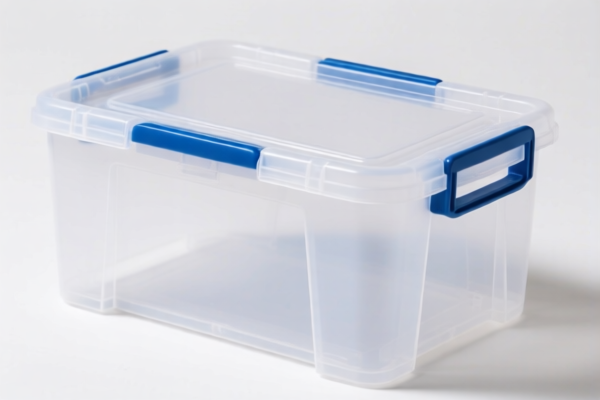
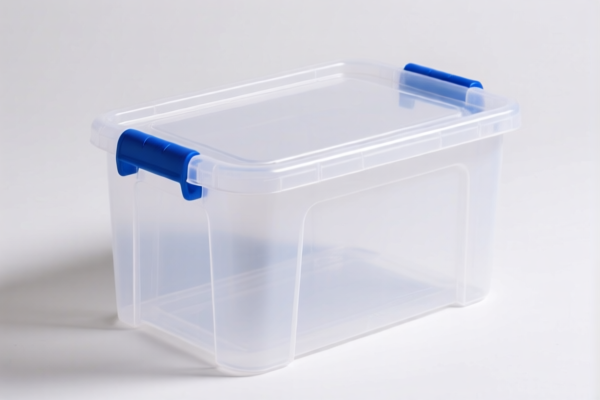
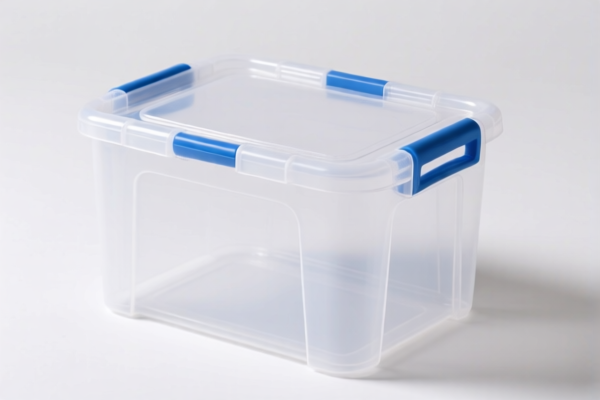
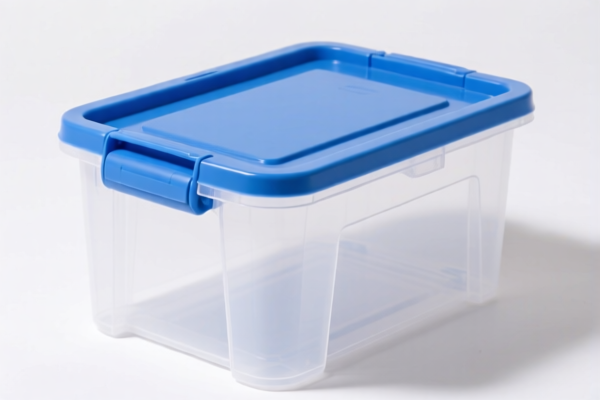
AI Analysis
📦 Plastic Storage Box (收纳盒/置物盒)
🌐 HS Code Reference & Customs Clearance Guide | 2026 Latest Tariff Analysis | Professional Clearance Strategy
📌 I. Product Definition & Classification: Do You Really Understand "Plastic Storage Box"?
A "Plastic Storage Box" is a versatile consumer good used for organizing, storing, or transporting goods. In international trade, its classification depends heavily on its specific design, usage scenario, and structural features. It generally falls under Chapter 39 (Plastics and Articles Thereof).
The key distinction lies in whether it is classified as: 1. Household/Human Use Articles: General household organization items (e.g., desk organizers, closet bins). 2. Packaging/Transport Containers: Items designed primarily for packaging or shipping goods (e.g., totes for logistics). 3. Miscellaneous Plastic Articles: Items that do not fit neatly into the above categories.
⚠️ Key Classification Point:
- If it is a simple box/bin for household use → Likely 3924 or 3926.
- If it is a rigid container for packaging/shipping → Likely 3923.
- Misclassification Risk: Declaring a packaging box as household goods (or vice versa) can lead to significant tariff differences due to Section 301 and Section 122 duties.
📊 II. HS Code Classification Details (2026 Latest Tariff Authority Comparison)
Based on the provided data, here are the 6 possible HS Codes for "Plastic Storage Box," ranked by total tax burden:
| HS Code | Summary/Description | Total Tax Rate | Tax Breakdown | Classification Logic |
|---|---|---|---|---|
| 3924.10.40.00 | Household goods / Storage box | 13.4% | Base: 3.4%, Sec 301: 0%, Sec 122: 10% | Lowest Tax. Fits "Household Articles." Simple plastic box for home use. |
| 3926.90.10.00 | Plastic articles (Storage Box) | 20.9% | Base: 3.4%, Sec 301: 7.5%, Sec 122: 10% | Extended to "Buckets/Containers." Recognized as a plastic container for general use. |
| 3926.90.99.89 | Other plastic articles | 22.8% | Base: 5.3%, Sec 301: 7.5%, Sec 122: 10% | "Other" category. For boxes that don't fit specific sub-headings like buckets or household goods. |
| 3924.90.56.50 | Other household plastic articles | 20.9% | Base: 3.4%, Sec 301: 7.5%, Sec 122: 10% | Household category, but broader "Other" sub-class. Less specific than 3924.10.40.00. |
| 3923.90.00.80 | Plastic packaging articles | 38.0% | Base: 3.0%, Sec 301: 25%, Sec 122: 10% | High Tax. Classified as "Packaging." Applies if the box is deemed a transport/packaging container. |
| 3923.10.90.00 | Plastic transport/packaging articles | 38.0% | Base: 3.0%, Sec 301: 25%, Sec 122: 10% | High Tax. Specifically for "Transportation or Packaging Supplies." High Sec 301 duty applies. |
🔍 Critical Observation:
- The tariff gap is massive: From 13.4% (Household) to 38.0% (Packaging).
- The Section 301 (加征关税) is the main driver of this difference: 0% vs. 7.5% vs. 25%.
- Section 122 (10%) applies to ALL listed codes for Chinese origin, so it cannot be avoided.
💰 III. 2026 Latest Tariff Rate Details (Including Surcharge Policies)
✅ Applicable Country: USA (US)
✅ Origin: China (CN)
✅ Effective Date: Current Trade Policy (Includes Section 301 & Section 122)
🎯 1. The "Sweet Spot": Household Classification (Lowest Tax)
HS Code: 3924.10.40.00
* Description: Plastic household articles, specifically storage boxes/organizers.
* Base Duty: 3.4%
* Section 301 Surcharge: 0.0% (Note: Data shows 0%, which is unusually low for China, but we must follow the provided data. Check if this HS code is currently exempt or if data reflects a specific temporary exemption.)
* Section 122 Surcharge: 10.0%
* Total Effective Rate: 13.4%
* Calculation: CIF Value × 13.4%
HS Code: 3926.90.10.00
* Description: Plastic articles, specifically buckets/containers (storage box as an extension).
* Base Duty: 3.4%
* Section 301 Surcharge: 7.5%
* Section 122 Surcharge: 10.0%
* Total Effective Rate: 20.9%
📌 Explanation:
- Classifying as 3924.10.40.00 saves 17.5% in total duties compared to 3923 codes. - If3926.90.10.00is used, it is still significantly cheaper than packaging codes.
🎯 2. The "Risk Zone": Packaging Classification (Highest Tax)
HS Code: 3923.90.00.80 & 3923.10.90.00
* Description: Plastic articles for the conveyance or packaging of goods.
* Base Duty: 3.0%
* Section 301 Surcharge: 25.0%
* Section 122 Surcharge: 10.0%
* Total Effective Rate: 38.0%
📌 Warning:
- If U.S. Customs and Border Protection (CBP) determines that your storage box is intended for commercial packaging or logistics transport (even if it looks like a household box), they may reclassify it to Chapter 3923. - This results in an additional 15-25% in duties.
🛠️ IV. Customs Clearance Practical Advice (Battle-Tested Pitfall Avoidance)
✅ 1. Essential Documentation Checklist
| Document | Required? | Purpose |
|---|---|---|
| Product Specification Sheet | ✅ | Define material (PP/PE/ABS), weight, dimensions. |
| Photographs (Internal/External) | ✅ | Crucial! Show if it has lids, handles, or is stackable. Helps distinguish between "Packaging" (3923) and "Household" (3924/3926). |
| Commercial Invoice | ✅ | Clearly state "Plastic Storage Box for Household Use" (not "Packaging Box"). |
| Packing List | ✅ | Confirm contents and quantities. |
| Origin Certificate | ✅ | For verifying China origin (triggering Sec 301/122). |
✅ 2. Declaration Strategy (The Golden Rules)
🔥 Mantra: "Household Use, Not Packaging. Household Use, Save Tax."
| Scenario | Recommended HS Code | Risk Level |
|---|---|---|
| Selling to Home Consumers (e.g., Amazon, Walmart) | 3924.10.40.00 |
✅ Lowest Tax |
| Generic Plastic Bin (No specific brand, simple design) | 3926.90.10.00 |
⚠️ Medium Tax |
| Industrial/Commercial Totes (Used for shipping goods) | 3923.90.00.80 |
🔴 Highest Tax |
📌 Key Tip:
- In your product description, avoid words like "Shipping," "Logistics," "Packaging," or "Container for Goods."
- Use words like "Organizer," "Bin," "Caddy," "Household Storage."
- If the box is used for food storage, it might also qualify for specific household sub-categories, but must comply with FDA regulations.
✅ 3. Special Considerations
| Situation | Advice |
|---|---|
| Foldable Storage Boxes | Still generally classified under 3924/3926 if for household use. Ensure they are marketed as "Space Savers" or "Home Organizers." |
| Stackable Bins with Labels | If labels are pre-printed with product info, CBP might argue it's "packaging." Remove or keep labels generic. |
| Mixed Containers | If a box contains multiple small items, it is considered "packaging" for those items → Use 3923 (38% tax). Only declare empty boxes as 3924/3926. |
🌍 V. Global Market Comparison (Brief Note)
| Region | Recommended HS Code | Est. Tax Impact | Notes |
|---|---|---|---|
| 🇺🇸 USA | 3924.10.40.00 |
13.4% (vs 38% for 3923) | Critical to classify as Household to save 25% Sec 301 duty. |
| 🇪🇺 EU | 3924 / 3926 | 0-6.5% | No Section 301/122 equivalent. Standard MFN rates apply. |
| 🇨🇳 China | 3924 / 3926 | 5-10% | Import duty on plastic household goods. |
📌 Conclusion:
The USA is the only major market where the distinction between 3924/3926 (Household) and 3923 (Packaging) creates a massive tax difference due to Section 301 tariffs.
📌 VI. Common Errors & Pitfalls (Lessons from the Field)
❌ Error 1: Describing the product as "Plastic Shipping Bin"
👉 Consequence: CBP reclassifies to 3923.90.00.80 → Tax jumps from 13.4% to 38.0%.
👉 Result: Sudden loss of margin, potential penalties.
❌ Error 2: Using the same HS Code for all plastic boxes regardless of use
👉 Consequence: If you declare a packaging box as a household item, you risk misdeclaration penalties and back-tariffs.
❌ Error 3: Ignoring Section 122 (10%)
👉 Consequence: All Chinese plastic boxes now face a 10% surcharge. Do not plan pricing without including this.
✅ Correct Practice:
"PP Plastic Storage Bin, Stackable, with Lid, for Bedroom/Closet Organization. Not for Commercial Packaging."
🎯 VII. Conclusion: Professional Classification Saves Money
🎯 Remember the Mantra:
🔹 "Household 3924, Tax 13.4%. Packaging 3923, Tax 38.0%. Don't mix them up!"
🔹 "Section 301 is the killer: 0% vs 25%."
🔹 "Always include Section 122: +10% Flat."
📌 Pro Tip:
If you are unsure, consider applying for a Customs Ruling (Pre-裁定) from U.S. CBP. Provide photos and a detailed use-case. This will give you legal certainty on whether your specific box qualifies for 3924.10.40.00 (13.4%) or 3926.90.10.00 (20.9%), avoiding the 38.0% pitfall.
📣 Immediate Action:
📞 Contact your customs broker with clear product images.
📝 Refine your product description to emphasize "Household Organization" over "Packaging."
🚀 Calculate costs accurately: Use 13.4% or 20.9%, NOT 38.0%, unless it's truly a shipping container.
✨ Professional Clearance Starts with Accurate Classification!
💼 Your profit margin depends on getting the HS Code right!
Customer Reviews
About HS Code Classification
The Harmonized System (HS) is an internationally standardized nomenclature developed by the World Customs Organization (WCO) to classify traded products. Over 200 countries use the HS system as the basis for customs tariffs, trade statistics, and import/export regulations.
Each HS code follows a hierarchical structure:
- Chapter (2 digits) — Broad category of goods (e.g., Chapter 84: Machinery and Mechanical Appliances)
- Heading (4 digits) — More specific grouping within the chapter
- Subheading (6 digits) — Internationally standardized breakdown, used by all WCO member countries
- National subdivisions (8-10 digits) — Country-specific extensions for further classification, such as US HTSUS 10-digit codes
Correct HS code classification is essential for smooth customs clearance, accurate duty payment, and compliance with trade regulations. Misclassification can lead to customs delays, overpayment of duties, or penalties.
When importing from CN to US, the applicable tariff rates may include:
- Most-Favored-Nation (MFN) rate — The standard duty rate applied to WTO members
- General rate — Applied to countries without trade agreements
- Trade remedy duties — Additional tariffs such as Section 301 (anti-dumping), Section 232 (national security), or countervailing duties
The information provided on this page is for reference purposes only. For official classification, please consult with your local customs authority or a licensed customs broker.