Plastic Strip
CN → US| HS Code | Tariff Rate | Origin | Destination | Doc |
|---|---|---|---|---|
| 3916905000 | 40.8% | CN | US | Official Doc |
| 3926909989 | 22.8% | CN | US | Official Doc |
| 3926909950 | 22.8% | CN | US | Official Doc |
| 3916903000 | 41.5% | CN | US | Official Doc |
| 3919102055 | 40.8% | CN | US | Official Doc |
Product Images
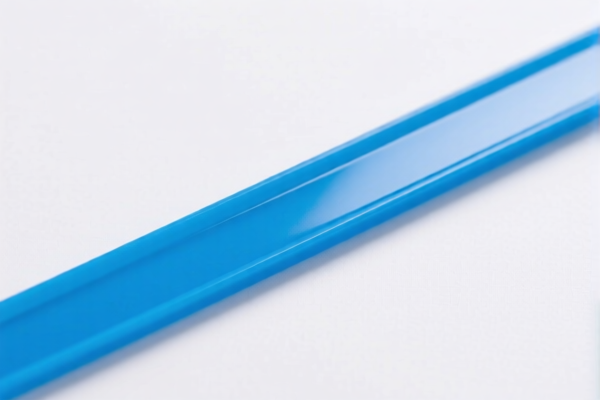

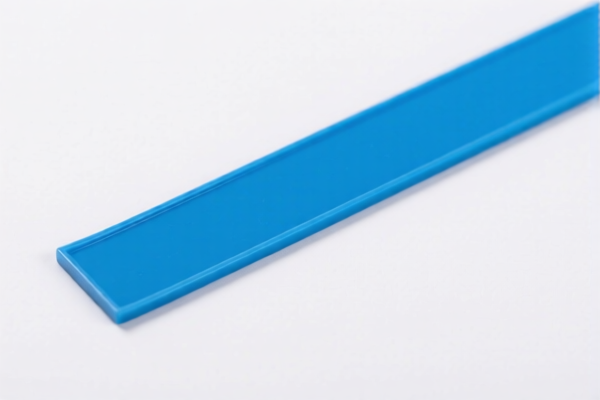
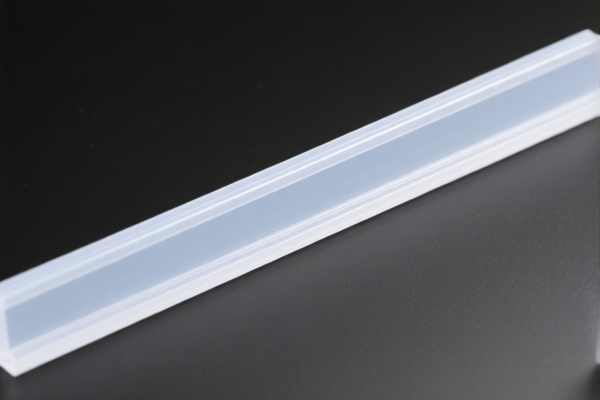
AI Analysis
🛍️ Plastic Strip (Plastic Strip Products)
🌐 HS Code Reference & Customs Clearance Guide | 2026 Latest Tariff Analysis | Professional Level Strategy
📌 I. Product Definition & Classification: What Exactly is a "Plastic Strip"?
"Plastic Strip" is a generic term that covers a wide range of plastic profiles, tapes, and single strands. In international trade, the classification depends heavily on the physical form (strip, tape, single filament) and the specific application (medical, general use). Misclassification can lead to drastic differences in duty rates, especially when dealing with Section 301 and Section 232 tariffs.
Key Distinctions: * Plastic Strips/Profiles (3916): Rigid or semi-rigid bars, rods, and strips used for structural or shaping purposes. * Self-Adhesive Plastic Tape (3919): Tapes that have an adhesive backing, used for sealing, bundling, or masking. * Other Plastic Articles (3926): Unidentified plastic items, including specific medical applications or general miscellaneous uses.
⚠️ Critical Differentiator:
- If the item is a single filament or has a specific cross-section defined as "single filament," it often falls under 3916 with higher tariffs.
- If it is a roll of adhesive tape, it falls under 3919.
- If it is a general plastic component (like a medical strip or unknown profile), it may fall under 3926.
📦 II. HS Code Classification Matrix (2026 Latest Tariff Authority Match)
Based on the provided data, here are the precise HS Codes for "Plastic Strip" products, categorized by their specific attributes:
| HS Code | Product Description | Key Characteristics | Application Context |
|---|---|---|---|
3916.90.50.00 |
Plastic Bars/Profiles, Shape: Strip/Profile | Plastic material, shape is strip/profile. General structural plastic strips. | Construction, general industrial profiles. |
3926.90.99.89 |
Other Plastic Articles, Not Elsewhere Specified | Generic plastic strip, unclassified elsewhere. | General purpose plastic strips, non-medical, non-adhesive. |
3926.90.99.50 |
Plastic Articles for Medical Use | Plastic strip specifically used for medical purposes. | Medical device components, hospital supplies. |
3916.90.30.00 |
Plastic Bars/Rods, Shape: Single Filament | Form matches the attribute of "Single Filament" (monofilament). | Filaments, fine threads, specific industrial fibers. |
3919.10.20.55 |
Self-Adhesive Plastic Tape | Material and form fully match self-adhesive tape characteristics. | Adhesive tapes, packing tape, masking tape. |
🔍 Key Reminder:
- 3916 codes generally attract higher tariffs (40.8% - 41.5%) due to Section 301/232 measures on plastic profiles.
- 3926 codes attract lower tariffs (22.8%) as they are considered "other" miscellaneous plastic articles.
- 3919 codes are for adhesive tapes, which have a specific subheading and higher base tariffs.
💰 III. 2026 Latest Tariff Rate Breakdown (Including Additional Taxes)
✅ Applicable Country: United States (US)
✅ Origin: China (CN)
✅ Effective Time: Current rates apply based on Section 301, Section 232, and IEEPA orders.
🎯 1. 3916.90.50.00 & 3916.90.30.00 —— Plastic Bars/Profiles / Single Filaments
| Item | Content |
|---|---|
| Base Tariff | 5.8% (for 3916.90.50.00) or 6.5% (for 3916.90.30.00) |
| Section 301 Tariff (Additional) | +25.0% (Section 301 tariffs on Chinese goods) |
| Section 232 Tariff (122 Clause) | +10.0% (Specific clause referenced as "122条款关税") |
| Total Tax Rate | 40.8% (for 3916.90.50.00) 41.5% (for 3916.90.30.00) |
| Tax Calculation | CIF Value × 40.8% / 41.5% |
| De Minimis Exemption | ❌ Not Applicable (High tariff items generally excluded from $800 de minimis relief in practice due to high rates) |
| Legal Basis Path | Section 301: 8411.11.99 (via footnote) → Section 232: 122 Clause → HTSUS: 3916.90.xx.00 |
📌 Explanation:
- Base Rate: The standard Most Favored Nation (MFN) rate.
- Section 301 (+25%): Applied to "Plastics and articles thereof" (Chapter 39) imported from China.
- Section 232/122 Clause (+10%): Additional duty for specific plastic products.
- Total: These codes carry the highest burden in the provided dataset. Proper identification of "Profile" vs. "Single Filament" is critical as the base rate differs slightly.
🎯 2. 3926.90.99.89 & 3926.90.99.50 —— Other Plastic Articles / Medical Use
| Item | Content |
|---|---|
| Base Tariff | 5.3% |
| Section 301 Tariff (Additional) | +7.5% (Note: Lower Section 301 rate for this specific sub-category) |
| Section 232 Tariff (122 Clause) | +10.0% |
| Total Tax Rate | 22.8% |
| Tax Calculation | CIF Value × 22.8% |
| De Minimis Exemption | ❌ Not Applicable |
| Legal Basis Path | Section 301: 9903.88.04 (via footnote) → Section 232: 122 Clause → HTSUS: 3926.90.99.xx |
📌 Explanation:
- These codes benefit from a lower Section 301 rate (7.5%) compared to the 25% rate for Chapter 39 profiles.
- Medical Use (3926.90.99.50): Still subject to 22.8% total. Medical exemption is rare unless specifically certified under specific medical device exemptions.
- General Use (3926.90.99.89): Applies to unspecified plastic strips.
🎯 3. 3919.10.20.55 —— Self-Adhesive Plastic Tape
| Item | Content |
|---|---|
| Base Tariff | 5.8% |
| Section 301 Tariff (Additional) | +25.0% |
| Section 232 Tariff (122 Clause) | +10.0% |
| Total Tax Rate | 40.8% |
| Tax Calculation | CIF Value × 40.8% |
| De Minimis Exemption | ❌ Not Applicable |
| Legal Basis Path | Section 301: 8411.11.99 (via footnote) → Section 232: 122 Clause → HTSUS: 3919.10.20.55 |
📌 Explanation:
- Despite being "tape," it is classified under 3919 which often aligns with higher tariff brackets in Section 301 lists.
- Total 40.8% is identical to the general plastic strip (3916.90.50.00).
- Crucial: Do not confuse "plastic strip" (non-adhesive) with "plastic tape" (adhesive). If it has adhesive, it must be 3919. If it doesn’t, it’s 3916 or 3926.
🛠️ IV. Customs Clearance Practical Advice (Real-World Pitfall Avoidance)
✅ 1. Document Checklist (Non-Negotiable)
| Document | Required | Explanation |
|---|---|---|
| ✅ Product Specification Sheet | ✔️ | Must detail dimensions, cross-section shape, and whether it is adhesive or non-adhesive. |
| ✅ Photos (Clear & Detailed) | ✔️ | Show the entire roll/stick, end-cuts, and any labeling. Adhesive side must be visible if applicable. |
| ✅ Material Composition Statement | ✔️ | Confirm it is 100% plastic. If it contains other materials, classification changes. |
| ✅ Commercial Invoice | ✔️ | Use precise terms: "Plastic Strip," "Self-Adhesive Tape," or "Plastic Filament." Avoid vague terms like "Plastic Part." |
| ✅ Packing List | ✔️ | Separate adhesive and non-adhesive items if both are in one shipment. |
| ✅ Medical Device Registration (if applicable) | ✔️ | For 3926.90.99.50, provide FDA registration or medical use justification. |
✅ 2. Declaration Strategy (Key Mnemonics)
🔥 “Adhesive goes to 3919, Profile to 3916, Misc to 3926. Get it wrong, pay more!”
| Scenario | Correct HS Code | Incorrect Action | Consequence |
|---|---|---|---|
| Self-Adhesive Tape | 3919.10.20.55 |
Declare as "Plastic Strip" (3916/3926) | Risk of penalty for misclassification; potential audit. |
| Non-Adhesive Plastic Profile | 3916.90.50.00 |
Declare as "Other Plastic Article" (3926) | Underpayment of tariff (22.8% vs 40.8%) → Back taxes + Penalties. |
| Medical Plastic Strip | 3926.90.99.50 |
Declare as General Plastic (3926.99.89) | Minor risk, but ensure medical documentation is attached. |
| Single Filament/Thread | 3916.90.30.00 |
Declare as Profile (3916.90.50.00) | Slight difference in base rate (6.5% vs 5.8%), but both high. |
✅ 3. Special Handling Tips
| Situation | Recommendation |
|---|---|
| Mixed Shipment (Adhesive + Non-Adhesive) | Must separate in declaration. Do not lump under one HS Code. |
| OEM Custom Strips | Provide design drawings to prove shape and function. If it’s a "profile," it’s 3916. |
| Medical Use Claims | Only claim 3926.90.99.50 if the item is solely for medical use and documented. Generic strips do not qualify. |
| Origin Marking | Ensure "Made in China" is clearly marked on product/packaging to trigger Section 301/232 correctly. |
🌍 V. Global Market Customs Comparison (2026 Latest)
| Country/Region | Recommended HS Code | Tariff Rate | Certification | Notes |
|---|---|---|---|---|
| 🇺🇸 USA | 3916.90.50.00 / 3919.10.20.55 |
40.8% - 41.5% | None specific for plastic, but FDA if medical | High Section 301/232 duties. |
| 🇺🇸 USA | 3926.90.99.50 / 3926.90.99.89 |
22.8% | FDA if medical | Lower Section 301 rate. |
| 🇨🇳 China | 3916.90.50.00 |
~6.5% | CCC (if applicable) | No Section 301 for imports into China. |
| 🇪🇺 EU | 3916.90 / 3926.90 |
~4-6.5% | REACH, RoHS | No equivalent to US Section 301/232. |
| 🇯🇵 Japan | 3916.90 / 3926.90 |
~5-6% | PSE (if electrical) | Generally low tariffs, stable policies. |
📌 Conclusion:
- USA imposes the heaviest burden on plastic strips/tapes from China.
- Cost Saving Strategy: If the product is not a "profile" or "single filament," explore if it qualifies for 3926 (22.8%) instead of 3916 (40.8%).
- Medical Claims: Only valid if strictly for medical use; otherwise, stick to 3926.99.89 (22.8%).
📌 VI. Common Mistakes & Pitfall Guide (Lessons Learned)
❌ Mistake 1: Declaring Adhesive Tape as Plastic Strip (3916)
👉 Consequence: Misclassification. While rates are similar (40.8%), customs may question the form factor. If the tape is non-adhesive, this is a serious error.
❌ Mistake 2: Declaring Medical Strips as General Plastic (3926.99.89) without proof
👉 Consequence: No major penalty, but if you try to claim medical exemptions later, you’ll face delays. If you declare it as medical without proof, it may be rejected.
❌ Mistake 3: Confusing Single Filament (3916.90.30.00) with Profile (3916.90.50.00)
👉 Consequence: Base tariff difference (6.5% vs 5.8%). Small, but accuracy matters for large volumes.
❌ Mistake 4: Assuming De Minimis ($800) applies
👉 Consequence: No! High-tariff plastic items from China are excluded from de minimis relief. Every shipment is subject to full duties.
✅ Correct Practice:
"Self-Adhesive Plastic Tape, Clear, 1 Inch Width, 50 Yards, No Medical Use" → 3919.10.20.55
"Plastic Profile Strip, PVC, Non-Adhesive, Construction Use" → 3916.90.50.00
"Plastic Strip for Medical Device Component" → 3926.90.99.50
🎯 VII. Conclusion: Precise Classification Saves Thousands!
🎯 Remember the Mantra:
🔹 "Adhesive = 3919, Profile = 3916, Other = 3926."
🔹 "3916/3919 = ~41% Tax, 3926 = ~23% Tax."
🔹 "Medical = Special 3926, but prove it!"
📌 Pro Tip:
If your plastic strip is not a profile, not a filament, and not adhesive, fight for classification under 3926.90.99.89 to save ~18% in duties. However, ensure it doesn’t fit the definition of 3916.
📣 Immediate Action:
📞 Consult a customs broker for Advance Ruling if volume is high.
📸 Take clear photos of cross-sections.
📝 Label products accurately in shipping docs.
✨ Professional Clearance Starts with Accurate Classification!
💼 Your Margins Depend on Your HS Code!
Customer Reviews
About HS Code Classification
The Harmonized System (HS) is an internationally standardized nomenclature developed by the World Customs Organization (WCO) to classify traded products. Over 200 countries use the HS system as the basis for customs tariffs, trade statistics, and import/export regulations.
Each HS code follows a hierarchical structure:
- Chapter (2 digits) — Broad category of goods (e.g., Chapter 84: Machinery and Mechanical Appliances)
- Heading (4 digits) — More specific grouping within the chapter
- Subheading (6 digits) — Internationally standardized breakdown, used by all WCO member countries
- National subdivisions (8-10 digits) — Country-specific extensions for further classification, such as US HTSUS 10-digit codes
Correct HS code classification is essential for smooth customs clearance, accurate duty payment, and compliance with trade regulations. Misclassification can lead to customs delays, overpayment of duties, or penalties.
When importing from CN to US, the applicable tariff rates may include:
- Most-Favored-Nation (MFN) rate — The standard duty rate applied to WTO members
- General rate — Applied to countries without trade agreements
- Trade remedy duties — Additional tariffs such as Section 301 (anti-dumping), Section 232 (national security), or countervailing duties
The information provided on this page is for reference purposes only. For official classification, please consult with your local customs authority or a licensed customs broker.