Plastic Sunscreen Curtain
CN → US| HS Code | Tariff Rate | Origin | Destination | Doc |
|---|---|---|---|---|
| 6303922010 | 28.8% | CN | US | Official Doc |
| 3921901910 | 40.3% | CN | US | Official Doc |
| 3921901950 | 40.3% | CN | US | Official Doc |
| 6303922030 | 28.8% | CN | US | Official Doc |
| 6303910020 | 27.8% | CN | US | Official Doc |
Product Images
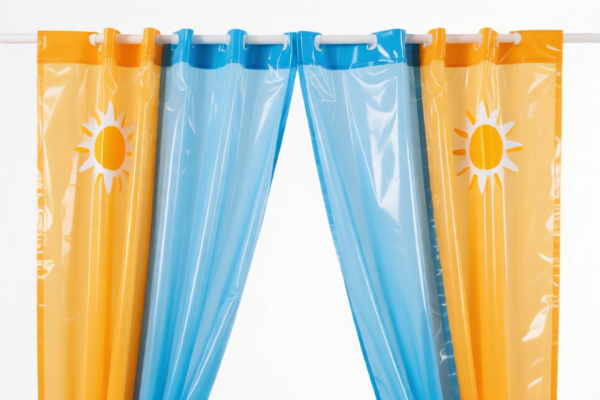

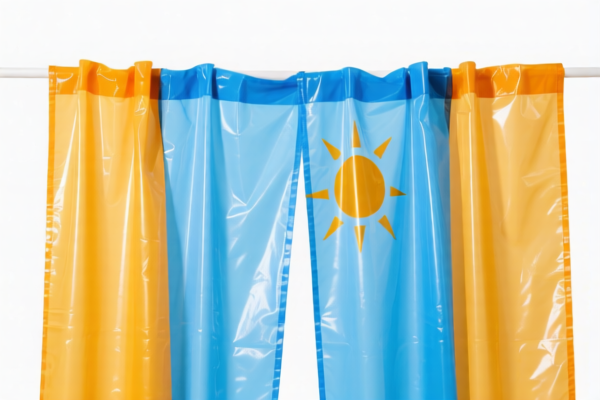
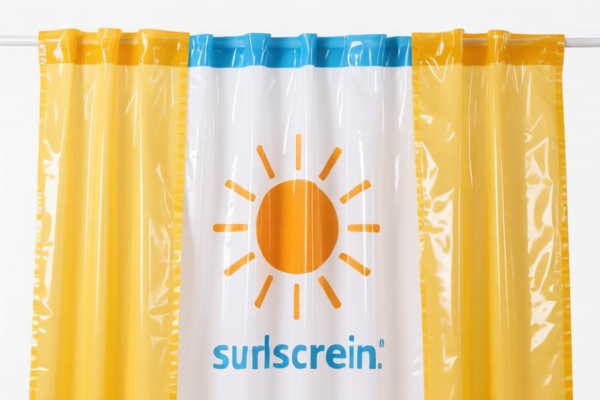
AI Analysis
🪟 Plastic Sunscreen Curtain (塑料材质遮阳帘)
🌐 HS Code Reference & Customs Clearance Guide | 2026 Latest Tariff Analysis | Professional Compliance Strategy
📌 I. Product Definition & Classification: Is it a "Curtain" or a "Plastic Sheet"?
A Plastic Sunscreen Curtain is a versatile window covering material. In international trade, its classification depends heavily on the material composition (synthetic fiber vs. pure plastic film/sheet) and the form in which it is presented.
1. Curtain Category (Chapter 63):
If the product is recognized as an article of textiles (synthetic fibers) or manufactured curtains, it falls under Heading 6303. This is often the preferred classification for finished curtain products, offering lower duties.
2. Plastic Article Category (Chapter 39):
If the product is primarily viewed as a manufactured plastic article (film, sheet, plate) used for sun protection, it falls under Heading 3921. This category typically attracts significantly higher tariffs due to Section 301 and other trade measures.
⚠️ Key Distinction Point:
- If the material is woven, knitted, or felted synthetic fibers intended for drapery →归入 6303.92.20.xx
- If the material is a continuous plastic film, sheet, or plate (non-woven, extruded) → 归入 3921.90.19.xx
- If the material is cotton (even if coated for sun blocking) → 归入 6303.91.00.20**
📦 II. HS Code Classification Details (2026 Latest Tariff Reference)
Based on the provided data, here are the five possible HS Codes and their specific tax implications for imports into the US (assuming Chinese origin due to the "122 Clause" and Section 301 references).
| HS Code | Product Description | Material/Form | Total Tax Rate |
|---|---|---|---|
| 6303.92.20.10 | Plastic/Synthetic Fiber Sunscreen Curtain | Synthetic fibers/materials; categorized as curtains/valances | 28.8% |
| 6303.92.20.30 | Plastic/Synthetic Fiber Sunscreen Curtain | Synthetic fiber made; meets requirements for synthetic fiber curtains/blinds | 28.8% |
| 6303.91.00.20 | Cotton Sunscreen Curtain | Cotton material; meets requirements for cotton curtains (other) | 27.8% |
| 3921.90.19.10 | Plastic Sunscreen Curtain | Plastic material; matches form of plates/sheets; other plastic articles | 40.3% |
| 3921.90.19.50 | Plastic Sunscreen Curtain | Plastic material; matches form of film/sheets; other plastic articles | 40.3% |
🔍 Critical Observation:
- The Cotton variant (6303.91.00.20) has the lowest total tax rate (27.8%). - The Synthetic Fiber variants (6303.92.20.xx) offer a moderate rate (28.8%). - The Pure Plastic Film/Sheet variants (3921.90.19.xx) carry the highest burden (40.3%). - Why the difference? The higher rates for3921codes are driven by heavier Section 301 tariffs (25%) compared to the Section 301 tariffs on textiles (6303), which are lower (7.5%).
💰 III. 2026 Latest Tariff Rate Breakdown (Detailed Tax Clauses)
✅ Applicable Country: United States (US)
✅ Origin: China (CN) (Inferred from "Section 122" and typical Section 301 structures)
✅ Effective Time: Current rates apply (Check specific issuance dates for 122 Clause updates)
🎯 1. 6303.92.20.10 & 6303.92.20.30 —— Synthetic Fiber/Synthetic Material Curtains
| Item | Content |
|---|---|
| Base Tariff (MFN) | 11.3% (Ad Valorem) |
| Section 301 Tariff (List 4B) | +7.5% |
| Section 122 Tariff (Trade Remedies) | +10.0% |
| Total Effective Tax Rate | 28.8% |
| Tax Calculation | CIF Value × 28.8% |
| De Minimis Exemption | ❌ Not Eligible (Section 301 and 122 duties are not exempted under $800) |
| Legal Path | HTSUS:6303.92.20 → USITC:301_List4B (7.5%) + USITC:122_Clauses (10%) |
📌 Explanation:
- The 11.3% is the standard Most Favored Nation (MFN) duty for synthetic curtains. - The +7.5% is the additional duty under Section 301 (List 4B) for Chinese textile products. - The +10% is the Section 122 duty (often related to national security or specific trade remedies). - Total: 11.3 + 7.5 + 10 = 28.8%.
🎯 2. 6303.91.00.20 —— Cotton Sunscreen Curtain
| Item | Content |
|---|---|
| Base Tariff (MFN) | 10.3% (Ad Valorem) |
| Section 301 Tariff (List 4B) | +7.5% |
| Section 122 Tariff (Trade Remedies) | +10.0% |
| Total Effective Tax Rate | 27.8% |
| Tax Calculation | CIF Value × 27.8% |
| De Minimis Exemption | ❌ Not Eligible |
| Legal Path | HTSUS:6303.91.00 → USITC:301_List4B (7.5%) + USITC:122_Clauses (10%) |
📌 Note:
- Slightly cheaper than synthetic curtains due to a lower base tariff (10.3% vs 11.3%). - Same additional duties apply because it is also a Chinese-made textile article.
🎯 3. 3921.90.19.10 & 3921.90.19.50 —— Plastic Sunscreen Curtain (Film/Sheet)
| Item | Content |
|---|---|
| Base Tariff (MFN) | 5.3% (Ad Valorem) |
| Section 301 Tariff (List 4B) | +25.0% |
| Section 122 Tariff (Trade Remedies) | +10.0% |
| Total Effective Tax Rate | 40.3% |
| Tax Calculation | CIF Value × 40.3% |
| De Minimis Exemption | ❌ Not Eligible |
| Legal Path | HTSUS:3921.90.19 → USITC:301_List4B (25%) + USITC:122_Clauses (10%) |
📌 Warning:
- The Base Tariff is low (5.3%), but the Section 301 Tariff is MAXIMUM (25%). - Plastic articles from China are heavily targeted by US trade policy. - Total: 5.3 + 25.0 + 10.0 = 40.3%. This is 11.5% higher than the synthetic curtain classification.
🛠️ IV. Customs Clearance Practical Advice (Avoiding Pitfalls)
✅ 1. Material Verification is Key (The "Cheat Code" for Savings)
| Material Type | Recommended HS Code | Total Tax | Savings vs. Plastic |
|---|---|---|---|
| Cotton | 6303.91.00.20 |
27.8% | Saves 12.5% vs. Plastic |
| Synthetic Fiber (Woven/Knitted) | 6303.92.20.xx |
28.8% | Saves 11.5% vs. Plastic |
| Pure Plastic (Film/Sheet) | 3921.90.19.xx |
40.3% | Baseline (Highest Cost) |
💡 Strategy:
- If your product is a blended fabric or woven mesh, ensure it is classified under 6303 (Curtains) rather than 3921 (Plastic Sheets).
- Do NOT declare a woven synthetic curtain as "Plastic Film" just because it looks like plastic. This will lead to a 12.5% overpayment and potential penalties for misclassification.
✅ 2. Documentation Requirements
| Document | Must Provide | Notes |
|---|---|---|
| Product Specification Sheet | ✔️ | Clearly state: "Material: 100% Polyester Woven Fabric" OR "Material: PVC Plastic Sheet". |
| Photos | ✔️ | Show texture. Woven texture = Chapter 63. Smooth/Extruded surface = Chapter 39. |
| Commercial Invoice | ✔️ | Description must match HS Code. E.g., "Woven Polyester Curtain" vs. "PVC Plastic Sheeting". |
| Origin Certificate | ✔️ | Proves Chinese origin (triggers Section 301/122). |
✅ 3. Special Handling for "Section 122" and "Section 301"
- Section 122 (10%): This is a permanent additional duty on many Chinese goods. It is non-negotiable and applies to all HS codes listed above.
- Section 301:
- For
3921(Plastic): 25% is the standard rate for many plastic articles. - For
6303(Textiles): 7.5% is the rate for List 4B textiles. - De Minimis (Section 321): Since both Section 301 and Section 122 duties apply, shipments under $800 DO NOT escape these tariffs. You must pay the full duty on all shipments, regardless of value.
🌍 V. Global Market Comparison (2026 Latest)
| Country/Region | Recommended HS Code | Total Tax (China Origin) | Certification | Notes |
|---|---|---|---|---|
| 🇺🇸 USA | 6303.92.20.10 |
28.8% | No special | Highest duty burden due to 301+122 |
| 🇪🇺 EU | 6303.92.20.10 |
~8-12% (Varies) | CE (if applicable) | No Section 301; standard MFN rates |
| 🇨🇳 China (Import) | 6303.92.20.10 |
~10-15% | CCC (if applicable) | Lower base duties |
| 🇬🇧 UK | 6303.92.20.10 |
~12% | UKCA | Post-Brexit rates |
📌 Conclusion:
- The US market is the most expensive for Chinese-manufactured sunscreen curtains due to the combination of MFN, Section 301, and Section 122 duties. - Optimization: Try to classify correctly under 6303 (Textiles) rather than 3921 (Plastics) to save 11.5% in duties.
📌 VI. Common Mistakes & Pitfalls (Blood-Teaching Lessons)
❌ Mistake 1: Declaring a woven synthetic curtain as "Plastic Film" (3921.90.19.10)
👉 Result: You pay 40.3% instead of 28.8%.
👉 Why? You missed the savings. Even if it looks like plastic, if it's woven/textile, it's Chapter 63.
❌ Mistake 2: Declaring a plastic sheet as "Curtain" (6303.92.20.10) to save taxes
👉 Result: Customs audit reveals it's a plastic sheet. You face back taxes, fines, and potential seizure.
👉 Why? Misclassification is illegal. If it's a continuous film/sheet, it MUST be 3921.
❌ Mistake 3: Assuming De Minimis ($800) exemption applies
👉 Result: Package held, duties collected retroactively, penalties issued.
👉 Why? Section 301 and 122 duties always apply, even for small shipments.
✅ Correct Approach:
"Woven Polyester Sunscreen Curtain, 100% Synthetic Fiber, Made in China" → HS 6303.92.20.10
"PVC Plastic Sun Block Film, Non-Woven, Made in China" → HS 3921.90.19.10
🎯 VII. Conclusion: Smart Classification, Smart Savings!
🎯 Key Takeaways:
🔹 "Textile vs. Plastic: Check the Weave!"
- Woven/Knitted/Felted = 6303 (28.8%)
- Extruded/Film/Sheet = 3921 (40.3%)
🔹 "Cotton is King": If you can use cotton, tax is 27.8% (Lowest).
🔹 "No De Minimis": Section 301/122 applies to ALL shipments, big or small.
📌 Pro Tip:
If you are unsure about the material classification, provide a sample to your customs broker for a Binding Tariff Information (BTI) or Advance Ruling request. This protects you from future penalties and ensures you pay the lowest legal duty.
📣 Immediate Action:
📞 Contact your freight forwarder with the exact material composition (e.g., "100% Polyester Woven").
🚀 Don't guess the HS Code. A 12.5% difference is significant!
✨ Precise Classification Starts Here!
💼 Your Profit Margin Depends on It!
Customer Reviews
About HS Code Classification
The Harmonized System (HS) is an internationally standardized nomenclature developed by the World Customs Organization (WCO) to classify traded products. Over 200 countries use the HS system as the basis for customs tariffs, trade statistics, and import/export regulations.
Each HS code follows a hierarchical structure:
- Chapter (2 digits) — Broad category of goods (e.g., Chapter 84: Machinery and Mechanical Appliances)
- Heading (4 digits) — More specific grouping within the chapter
- Subheading (6 digits) — Internationally standardized breakdown, used by all WCO member countries
- National subdivisions (8-10 digits) — Country-specific extensions for further classification, such as US HTSUS 10-digit codes
Correct HS code classification is essential for smooth customs clearance, accurate duty payment, and compliance with trade regulations. Misclassification can lead to customs delays, overpayment of duties, or penalties.
When importing from CN to US, the applicable tariff rates may include:
- Most-Favored-Nation (MFN) rate — The standard duty rate applied to WTO members
- General rate — Applied to countries without trade agreements
- Trade remedy duties — Additional tariffs such as Section 301 (anti-dumping), Section 232 (national security), or countervailing duties
The information provided on this page is for reference purposes only. For official classification, please consult with your local customs authority or a licensed customs broker.