Plastic Surface Business Wallet
CN → US| HS Code | Tariff Rate | Origin | Destination | Doc |
|---|---|---|---|---|
| 3923900080 | 38.0% | CN | US | Official Doc |
| 4202322000 | 55.0% | CN | US | Official Doc |
| 4202321000 | 0.0% | CN | US | Official Doc |
| 3923109000 | 38.0% | CN | US | Official Doc |
Product Images
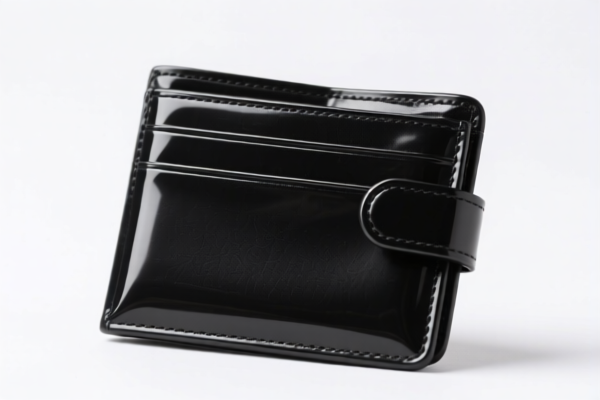
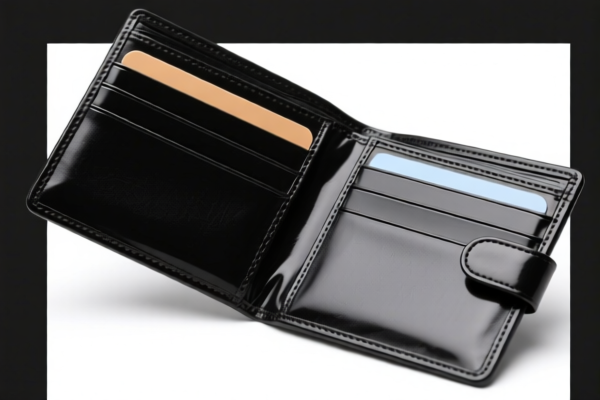
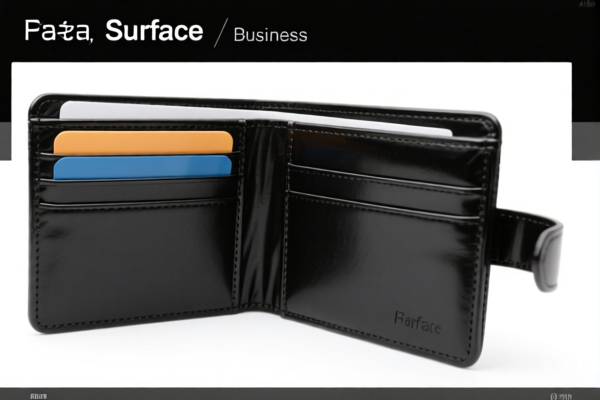
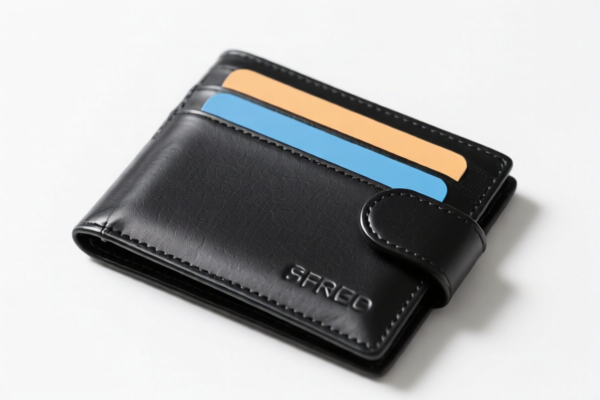
AI Analysis
👜 Business Wallets (Plastic Surface & Packaging Materials)
🌐 HS Code Reference & Customs Clearance Guide | 2026 Latest Tariff Analysis | Professional Strategy for Plastic Wallets
📌 I. Product Definition & Classification: What Exactly Are You Shipping?
A "Plastic Surface Business Wallet" is a broad category that can be classified differently depending on its primary function (storage vs. packaging) and material composition. In international trade, this ambiguity leads to two distinct HS Code pathways:
1. Functional Wallets (Heading 4202): Designed for personal use to carry money, cards, and IDs.
- Key Feature: The outer surface is made of plastic sheeting, plastic sheeting, or reinforced/laminated plastic.
- Sub-category: If it is reinforced/laminated plastic, it often falls under a specific "per kilogram" duty structure plus ad valorem rates.
2. Packaging/Storage Items (Heading 3923): Designed primarily as protective packaging, cases, or general carrying containers, not necessarily personal "wallets."
- Key Feature: Made of plastic materials, categorized as "other articles for the conveyance or packaging of goods."
⚠️ Critical Distinction:
- If it is a personal accessory with a plastic outer surface → HS 4202.
- If it is a protective case/package without the characteristics of a personal wallet → HS 3923.
- Misclassification leads to drastic tariff differences (e.g., 38% vs. 55% or weight-based duties).
📦 II. HS Code Classification Details (2026 Latest Tariff Reference)
Based on the provided data, here are the precise HS Codes for "Plastic Surface Business Wallets" and their corresponding tax structures.
| HS Code | Product Description (Summary) | Tariff Type | Total Tax Rate |
|---|---|---|---|
4202.32.20.00 |
Wallets with outer surface of plastic sheeting | Ad Valorem | 55.0% |
4202.32.10.00 |
Wallets of reinforced or laminated plastic (for personal use) | Specific + Ad Valorem | 12.1¢/kg + 4.6% + 35.0% |
3923.90.00.80 |
Plastic material wallet, classified as other packaging supplies | Ad Valorem | 38.0% |
3923.10.90.00 |
Other plastic articles for conveyance/packaging of articles | Ad Valorem | 38.0% |
🔍 Key Insight:
-4202.32.20.00is the most direct fit for a standard "Plastic Surface Wallet." However, it carries the highest flat rate (55%) among the functional wallet codes.
-4202.32.10.00applies if the plastic is "reinforced or laminated." This uses a mixed duty (per kg + percentage), which may be cheaper or more expensive depending on the wallet's weight and value.
-3923.xxxxcodes treat the item as packaging. If the item is simple plastic sleeve or a non-personalized case, it may qualify for 38%. This is a strategic downgrade from 55% but requires justifying the "packaging" nature.
💰 III. 2026 Latest Tariff Rate Breakdown (Including Additional Taxes)
✅ Applicable Country: USA (US)
✅ Origin: China (CN) (Implied by the specific tariff structure: Base + Section 301 + Section 122)
✅ Effective Time: Current 2026 Tariff Schedule
🎯 1. 4202.32.20.00 – Wallets with Outer Surface of Plastic Sheeting
| Item | Detail |
|---|---|
| Base Duty | 20.0% |
| Section 301 Additional Duty | 25.0% |
| Section 122 Additional Duty | 10.0% |
| Total Tax Rate | 55.0% |
| Calculation | CIF Value × 55% |
| De Minimis Exemption? | ❌ No (Deny de minimis) |
| Legal Path | Base: 4202 → Sec 301: 25% → Sec 122: 10% |
📌 Explanation:
- This is the standard classification for plastic-surfaced wallets.
- The 55% rate is punitive, combining the base textile/apparel duty with two layers of trade remedy duties.
- Strategy: If your product can be argued as "packaging" (HS 3923), you save 17% (55% - 38%).
🎯 2. 4202.32.10.00 – Wallets of Reinforced/Laminated Plastic (Personal Use)
| Item | Detail |
|---|---|
| Base Duty | 12.1¢/kg + 4.6% |
| Section 301 Additional Duty | 25.0% |
| Section 122 Additional Duty | 10.0% |
| Total Tax Structure | 12.1¢/kg + 4.6% + 35.0% |
| Calculation | (Weight × 0.121) + (CIF Value × 4.6%) + (CIF Value × 35%) |
| De Minimis Exemption? | ❌ No (Deny de minimis) |
| Legal Path | Base: 4202.32.10 → Sec 301: 25% → Sec 122: 10% |
📌 Explanation:
- "Reinforced or Laminated" is a specific technical definition. If your plastic wallet has a fabric backing, foil layer, or composite structure, it must use this code.
- Weight-Dependent: For very light wallets, the per-kg fee is low, but the ad valorem portion (4.6% + 35% = 39.6%) is still high.
- Comparison: If the wallet is heavy, this code could exceed 55%. If light, it might be cheaper. Always calculate both.
🎯 3. 3923.90.00.80 & 3923.10.90.00 – Plastic Packaging/Other Items
| Item | Detail |
|---|---|
| Base Duty | 3.0% |
| Section 301 Additional Duty | 25.0% |
| Section 122 Additional Duty | 10.0% |
| Total Tax Rate | 38.0% |
| Calculation | CIF Value × 38% |
| De Minimis Exemption? | ❌ No (Deny de minimis) |
| Legal Path | Base: 3923 → Sec 301: 25% → Sec 122: 10% |
📌 Explanation:
- These codes classify the item as packaging rather than a personal good.
- Advantage: 17% lower total tax than4202.32.20.00.
- Risk: Customs may reject this classification if the item is clearly marketed as a "wallet" for personal use. It must be justified as a container, sleeve, or case.
🛠️ IV. Customs Clearance Practical Advice (Avoid Pitfalls)
✅ 1. Documentation Checklist (Must-Haves)
| Document | Required? | Notes |
|---|---|---|
| ✅ Product Photo | ✔️ | Clear view of material (plastic sheet vs. laminated). |
| ✅ Specification Sheet | ✔️ | Detail: "Outer surface material: PVC/PET sheeting" or "Reinforced plastic." |
| ✅ Commercial Invoice | ✔️ | Description must match HS Code: e.g., "Plastic Wallet, Personal Use" vs. "Plastic Storage Sleeve." |
| ✅ Packing List | ✔️ | Include net weight (critical for HS 4202.32.10.00). |
| ✅ Origin Certificate | ✔️ | Required for duty assessment (China origin triggers 301/122). |
✅ 2. Classification Strategy (Key Tips)
| Scenario | Recommended HS Code | Reason |
|---|---|---|
| Standard Plastic Wallet (Single layer, no lamination) | 4202.32.20.00 |
Most accurate for "outer surface of plastic sheeting." Accept 55% tax. |
| Composite/Laminated Wallet (Plastic + Fabric/Other layers) | 4202.32.10.00 |
Fits "reinforced or laminated" definition. Calculate tax vs. weight. |
| Plastic Sleeve/Case (No pockets, purely for storage/protection) | 3923.90.00.80 |
Classify as "packaging/conveyance." Saves 17% tax. |
| Bulk Plastic Pouches (Not sold as individual wallets) | 3923.10.90.00 |
General plastic packaging article. |
🔥 "Golden Rule":
- If you market it as a "Wallet" with cards/cash slots → HS 4202.
- If you market it as a "Case," "Sleeve," or "Packaging" → HS 3923.
- Do not lie: Customs can inspect. If it has card slots, calling it "packaging" is high risk.
✅ 3. Special Considerations for 2026
| Issue | Solution |
|---|---|
| High Tariff (55%) | Consider Supply Chain Diversification: Ship from Vietnam/Mexico to avoid US Section 301 & 122 duties (if applicable). |
| Weight-Based Duty | For 4202.32.10.00, ensure Net Weight is accurately declared. Overweight claims can lead to audits. |
| Section 122 Duty | This is a new/additional tariff. Ensure your broker applies it correctly to avoid penalties. |
| De Minimis Exemption | ❌ No De Minimis. All values are taxable. Plan for cash flow accordingly. |
🌍 V. Market Comparison (2026)
| Destination | HS Code | Total Tax (China Origin) | Notes |
|---|---|---|---|
| 🇺🇸 USA | 4202.32.20.00 |
55% | Includes Base (20%) + Sec 301 (25%) + Sec 122 (10%). |
| 🇺🇸 USA | 3923.xxxx |
38% | If classified as packaging. |
| 🇨🇳 China | 4202.32.20.00 |
Low | No Sec 301/122. Base rate only. |
| 🇪🇺 EU | 4202.32.20.00 |
~4-6% | No Section 301/122. Standard EU tariff. |
| 🇬🇧 UK | 4202.32.20.00 |
~12% | Post-Brexit standard rates, no US trade wars. |
📌 Conclusion:
- The US market is the most expensive for plastic wallets due to layered tariffs.
- Optimization: If you are exporting to the US, evaluate if your product can be classified as packaging (HS 3923) to save 17%. Otherwise, consider non-China origins to bypass Sec 301 & 122.
📌 VI. Common Mistakes & Pitfalls
❌ Mistake 1: Calling a "Plastic Wallet" a "Plastic Bag" (HS 3923) without justification.
👉 Result: Customs reclassification + penalties. If it has card slots, it’s a wallet.
❌ Mistake 2: Ignoring "Reinforced/Laminated" status.
👉 Result: Using 4202.32.20.00 (55%) when you qualify for 4202.32.10.00 (weighted). Or vice versa. Always check material layers.
❌ Mistake 3: Forgetting Section 122 Duty.
👉 Result: Underpayment of 10%. Ensure your tariff engine includes Sec 122 for China-origin goods.
❌ Mistake 4: Assuming De Minimis applies.
👉 Result: Packages under $800 are NOT exempt for these HS codes. Full tax applies.
✅ Correct Approach:
"Plastic Wallet, Outer Surface: PVC Sheeting, For Personal Use, Model ABC, Origin: China."
🎯 VII. Conclusion: Smart Classification, Lower Costs!
🎯 Remember:
🔹 "Wallet = 4202 (55%) or Weighted (39.6%) + Base"
🔹 "Packaging = 3923 (38%)"
🔹 "Section 301 & 122 = 35% Extra on Top!"
🔹 "Check Material Layers: Laminated? Use 4202.32.10.00"
📌 Pro Tip:
If your wallet is laminated/reinforced, calculate the total tax for 4202.32.10.00 carefully. For heavy wallets, the per-kg fee might make it more expensive than 4202.32.20.00. Run the numbers!
📣 Action Item:
📞 Consult a Customs Broker for Advance Ruling if you are unsure between
4202and3923.
🚀 Save 17% Tax: Can your product be repositioned as "Packaging/Storage" legally?
✨ Professional Clearance Starts with Accurate Classification!
💼 Your Margin Depends on Your HS Code!
Customer Reviews
About HS Code Classification
The Harmonized System (HS) is an internationally standardized nomenclature developed by the World Customs Organization (WCO) to classify traded products. Over 200 countries use the HS system as the basis for customs tariffs, trade statistics, and import/export regulations.
Each HS code follows a hierarchical structure:
- Chapter (2 digits) — Broad category of goods (e.g., Chapter 84: Machinery and Mechanical Appliances)
- Heading (4 digits) — More specific grouping within the chapter
- Subheading (6 digits) — Internationally standardized breakdown, used by all WCO member countries
- National subdivisions (8-10 digits) — Country-specific extensions for further classification, such as US HTSUS 10-digit codes
Correct HS code classification is essential for smooth customs clearance, accurate duty payment, and compliance with trade regulations. Misclassification can lead to customs delays, overpayment of duties, or penalties.
When importing from CN to US, the applicable tariff rates may include:
- Most-Favored-Nation (MFN) rate — The standard duty rate applied to WTO members
- General rate — Applied to countries without trade agreements
- Trade remedy duties — Additional tariffs such as Section 301 (anti-dumping), Section 232 (national security), or countervailing duties
The information provided on this page is for reference purposes only. For official classification, please consult with your local customs authority or a licensed customs broker.