Plastic Surface Cosmetic Wallet
CN → US| HS Code | Tariff Rate | Origin | Destination | Doc |
|---|---|---|---|---|
| 3923300010 | 38.0% | CN | US | Official Doc |
| 3924104000 | 13.4% | CN | US | Official Doc |
| 3923300090 | 38.0% | CN | US | Official Doc |
| 3924905650 | 20.9% | CN | US | Official Doc |
| 3923300010 | 38.0% | CN | US | Official Doc |
Product Images
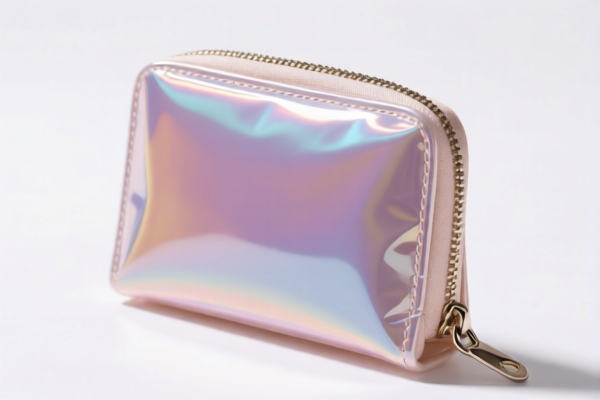
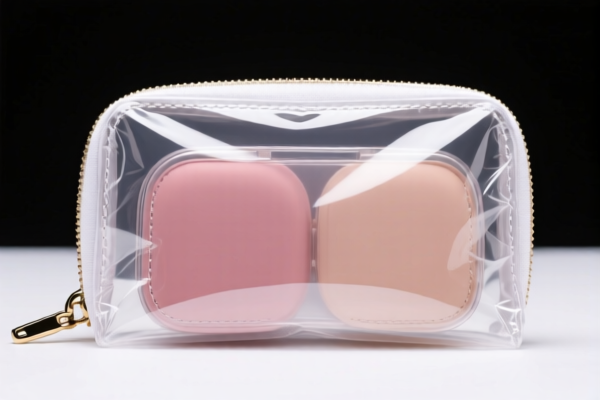
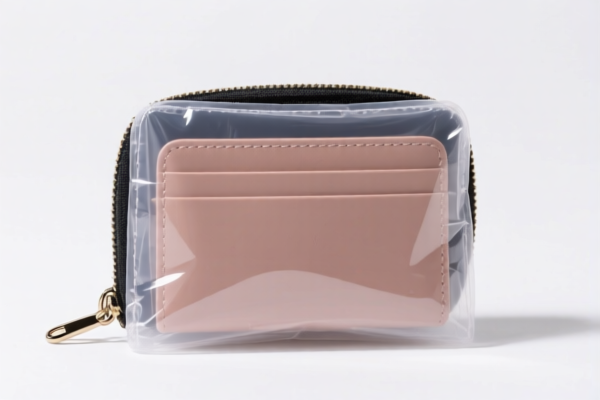
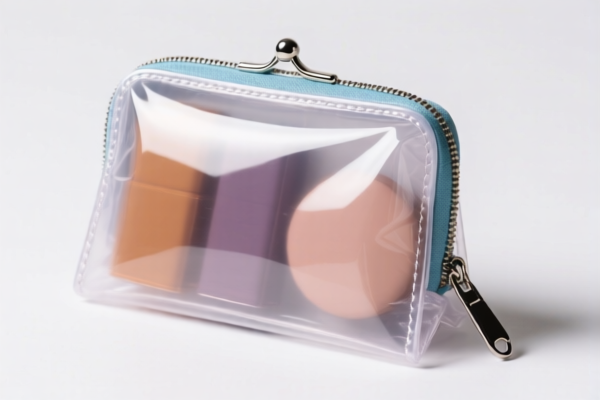
AI Analysis
🎨 Plastic Surface Cosmetic Wallets (塑料化妆瓶/化妆品容器)
🌐 HS Code Reference & Customs Clearance Guide | 2026 Latest Tariff Analysis | Professional Customs Strategy
📌 I. Product Definition & Classification: Do You Really Understand "Cosmetic Bottles" in Trade?
A "Plastic Surface Cosmetic Wallet" (often referring to Plastic Cosmetic Bottles/Containers) in international trade is a critical packaging component for cosmetics, personal care, and hygiene products. However, the HS Code classification varies drastically depending on the specific usage (packaging vs. hygiene/toilet use) and form.
In the provided data, these items fall under two main chapters: * Chapter 3923: Goods for the conveyance or packing of goods (Packaging). * Chapter 3924: Tableware, kitchenware, other household articles and hygienic or toilet articles.
⚠️ Key Distinction:
- If the item is primarily used for commercial packaging (e.g., bottles for selling lotion, shampoo) →归入 3923.30.00.
- If the item is used as household/hygiene utensils (e.g., washbasins, toilet accessories) →归入 3924.10.40 or 3924.90.56.
📦 II. HS Code Classification Details (Based on Provided Data)
| HS Code | Product Description | Applicable Scenario | Total Tax Rate | Tax Breakdown |
|---|---|---|---|---|
3923.30.00.10 |
Plastic bottles, plastic material, bottle shape, Packaging Use | Cosmetic packaging (lotions, perfumes) | 38.0% | Base: 3.0%, 301 Clause: 25.0%, Section 122: 10% |
3923.30.00.90 |
Plastic bottles, plastic material, bottle-shaped articles | General plastic bottle packaging | 38.0% | Base: 3.0%, 301 Clause: 25.0%, Section 122: 10% |
3924.10.40.00 |
Plastic cosmetic bottles, plastic material, Hygiene/Toilet Use | Toilet accessories, hygiene containers | 13.4% | Base: 3.4%, 301 Clause: 0.0%, Section 122: 10% |
3924.90.56.50 |
Plastic cosmetic bottles, plastic material, Hygiene/Household Use | Household hygiene items, bathroom accessories | 20.9% | Base: 3.4%, 301 Clause: 7.5%, Section 122: 10% |
🔍 Important Note:
-3923.30.00.10and3923.30.00.90are nearly identical in tax impact (38.0%). The distinction lies in whether the bottle is a standard packaging item. -3924.10.40.00offers the lowest tax rate (13.4%) if the product can be legally defined as "Hygiene or Toilet Articles" rather than "Packaging." -3924.90.56.50is a middle ground (20.9%) for general household hygiene plasticware.
💰 III. 2026 Latest Tariff Rate Details (Including Additional Taxes)
✅ Applicable Country: United States (US)
✅ Origin: China (CN)
✅ 生效时间: 2025年11月10日起 (Including subsequent imports)
🎯 1. 3923.30.00.10 & 3923.30.00.90 —— Plastic Packaging Bottles (High Tax)
| Item | Content |
|---|---|
| Base Tariff | 3.0% |
| Section 301 Tariff | +25.0% |
| Section 122 Tariff | +10.0% |
| Total Tax Rate | 38.0% |
| Calculation | CIF Value × 38.0% |
| De Minimis Exemption | ❌ Not Eligible (Section 122 taxes apply to de minimis shipments) |
| Legal Path | HTS:3923.30.00 → USITC Footnote: 301 → Section 122 |
📌 Explanation:
- These codes are classified under "Packaging." The 25% Section 301 tariff applies because they are plastic articles of Chinese origin. - The additional 10% under Section 122 (likely referring to specific enforcement or recent trade measures) applies to all shipments, including those under $800 (de minimis). - Total burden: 38%. This is a significant cost driver.
🎯 2. 3924.10.40.00 —— Hygiene/Toilet Articles (Low Tax)
| Item | Content |
|---|---|
| Base Tariff | 3.4% |
| Section 301 Tariff | 0.0% |
| Section 122 Tariff | +10.0% |
| Total Tax Rate | 13.4% |
| Calculation | CIF Value × 13.4% |
| De Minimis Exemption | ⚠️ Section 122 Applies |
| Legal Path | HTS:3924.10.40 → Section 122 |
📌 Strategic Advantage:
- No 301 Tariff (0%): This is the biggest savings. If customs accepts the "Hygiene/Toilet" classification, you save 25% compared to packaging codes. - Reasoning: Items like travel-sized hygiene bottles or bathroom storage might qualify here if they are not merely "packaging for sale" but "articles for use."
🎯 3. 3924.90.56.50 —— Household/Hygiene Plasticware (Medium Tax)
| Item | Content |
|---|---|
| Base Tariff | 3.4% |
| Section 301 Tariff | +7.5% |
| Section 122 Tariff | +10.0% |
| Total Tax Rate | 20.9% |
| Calculation | CIF Value × 20.9% |
| De Minimis Exemption | ⚠️ Section 122 Applies |
| Legal Path | HTS:3924.90.56 → USITC:7.5% → Section 122 |
📌 Note:
- This code applies if the item is a "Household Article" (e.g., a plastic cosmetic case or non-bottle container) rather than a "Bottle" for packaging. - It attracts a partial 301 tariff (7.5%) instead of the full 25%.
🛠️ IV. Customs Clearance Practical Advice (Avoiding Pitfalls)
✅ 1. Documentation Checklist (Non-negotiable)
| Document | Must Provide | Purpose |
|---|---|---|
| ✅ Product Specifications | ✔️ | Define if it is "Bottle," "Container," or "Case." Specify material (Plastic type). |
| ✅ Intended Use Statement | ✔️ | Critical! If claiming 3924, declare as "For personal hygiene/toilet use," NOT "For resale packaging." |
| ✅ Product Photos | ✔️ | Clear images showing no branding (if OEM) or final retail packaging. |
| ✅ Commercial Invoice | ✔️ | Accurate description: "Plastic Cosmetic Bottle" vs. "Plastic Toilet Accessory." |
| ✅ Packing List | ✔️ | Weight and dimensions must match. |
✅ 2. Declaration Strategy (Key Tips)
🔥 "Packaging vs. Use: Declare Carefully!"
| Scenario | Recommended HS Code | Tax Rate | Risk |
|---|---|---|---|
| Bulk bottles for brand owners (e.g., selling empty bottles to L'Oreal) | 3923.30.00.10 / .90 |
38.0% | Low Risk (Standard) |
| Retail-ready hygiene items (e.g., travel bottles for personal use) | 3924.10.40.00 |
13.4% | Medium Risk (Requires proof of "Toilet/Hygiene" use) |
| Plastic cosmetic cases/boxes (Not bottles) | 3924.90.56.50 |
20.9% | Low-Medium Risk |
📌 Warning:
- Do NOT declare a "Plastic Cosmetic Bottle" as3924if it is clearly packaged for retail sale with your brand logo. Customs may reclassify it to3923and charge 38%. - Section 122 (10%) applies to ALL HS codes listed above. You cannot avoid this tax by changing the HS code. The goal is to avoid the 301 Tariff (25% or 7.5%).
✅ 3. Special Cases
| Case | Handling Advice |
|---|---|
| OEM White Label Bottles | If sold as "empty packaging," use 3923.30.00.10. Tax: 38%. |
| Branded Retail Bottles | If sold as a finished good (e.g., shampoo in a plastic bottle), check if the liquid changes the classification. If only the empty plastic bottle is shipped, use 3923 or 3924 based on design. |
| Plastic Cosmetic "Wallet" (Case) | If it is a rigid case (not a bottle), use 3924.90.56.50. Tax: 20.9%. |
🌍 V. Global Market Comparison (2026)
| Country/Region | Recommended HS Code | Tax Rate (China Origin) | Notes |
|---|---|---|---|
| 🇺🇸 USA | 3924.10.40.00 (if eligible) |
13.4% | Best rate if "Hygiene/Toilet" classification is accepted. |
| 🇺🇸 USA | 3923.30.00.10 |
38.0% | Standard for packaging bottles. High cost. |
| 🇨🇳 China | 3923.30.00 / 3924.10 |
5%-6% | No 301/Section 122 tariffs. |
| 🇪🇺 EU | 3923.30 / 3924.10 |
0% - 4.5% | No Section 301 tariffs. |
📌 Conclusion:
- USA is the most challenging market due to Section 301 and Section 122 tariffs. - Strategy: If possible, design the product to fall under3924.10.40.00(Hygiene/Toilet) to save 24.6% in taxes compared to packaging codes. However, ensure the product design and marketing support this classification (e.g., marketed as travel hygiene kits).
📌 VI. Common Mistakes & Pitfalls
❌ Mistake 1: Declaring a "Cosmetic Bottle" as 3924 when it is clearly for packaging.
👉 Consequence: Customs reclassification + 38% tax + Penalties.
❌ Mistake 2: Assuming "Plastic Wallet" means a low tax code.
👉 Consequence: If it’s a bottle, it’s 3923. If it’s a case, it’s 3924.90.56. Misclassification leads to delays.
❌ Mistake 3: Ignoring Section 122 (10%).
👉 Consequence: De minimis shipments ($800) are NOT exempt from Section 122. You will still pay 10% on all shipments.
✅ Correct Approach:
"Plastic Cosmetic Bottle, Empty, for Packaging Use" →
3923.30.00.10(38%)
"Plastic Travel Hygiene Bottle, for Personal Toilet Use" →3924.10.40.00(13.4%)
🎯 VII. Conclusion: Professional Declaration, Cost Savings
🎯 Key Takeaway:
🔹 Packaging = 38%
🔹 Hygiene/Toilet = 13.4%
🔹 Household = 20.9%
🔹 Section 122 (10%) is unavoidable.🔹 "Classify by USE, not just form." If your "cosmetic wallet" can be marketed as a hygiene/toilet article, you save 25% in tariffs.
📌 Tip:
If your product is a plastic case (not a bottle), use
3924.90.56.50(20.9%) as a safer alternative to3923(38%).
📣 Immediate Action:
📞 Consult a Customs Broker: Confirm if your specific "Cosmetic Wallet" design qualifies as a "Hygiene Article" (
3924) or "Packaging" (3923).
🚀 Optimize Declaration Language: Use terms like "Toilet Accessory" or "Hygiene Container" if legally accurate.
💼 Your Profit Margin Depends on This Classification!
✨ Professional Customs Clearance Starts with Accurate Classification!
💼 Every Percent Saved is Pure Profit!
Customer Reviews
About HS Code Classification
The Harmonized System (HS) is an internationally standardized nomenclature developed by the World Customs Organization (WCO) to classify traded products. Over 200 countries use the HS system as the basis for customs tariffs, trade statistics, and import/export regulations.
Each HS code follows a hierarchical structure:
- Chapter (2 digits) — Broad category of goods (e.g., Chapter 84: Machinery and Mechanical Appliances)
- Heading (4 digits) — More specific grouping within the chapter
- Subheading (6 digits) — Internationally standardized breakdown, used by all WCO member countries
- National subdivisions (8-10 digits) — Country-specific extensions for further classification, such as US HTSUS 10-digit codes
Correct HS code classification is essential for smooth customs clearance, accurate duty payment, and compliance with trade regulations. Misclassification can lead to customs delays, overpayment of duties, or penalties.
When importing from CN to US, the applicable tariff rates may include:
- Most-Favored-Nation (MFN) rate — The standard duty rate applied to WTO members
- General rate — Applied to countries without trade agreements
- Trade remedy duties — Additional tariffs such as Section 301 (anti-dumping), Section 232 (national security), or countervailing duties
The information provided on this page is for reference purposes only. For official classification, please consult with your local customs authority or a licensed customs broker.