Plastic Tennis Shoes
CN → US| HS Code | Tariff Rate | Origin | Destination | Doc |
|---|---|---|---|---|
| 6403996040 | 18.5% | CN | US | Official Doc |
| 6403916060 | 18.5% | CN | US | Official Doc |
| 6404116960 | 47.5% | CN | US | Official Doc |
| 6402993115 | 16.0% | CN | US | Official Doc |
| 6402998005 | 0.0% | CN | US | Official Doc |
| 6404116930 | 47.5% | CN | US | Official Doc |
Product Images
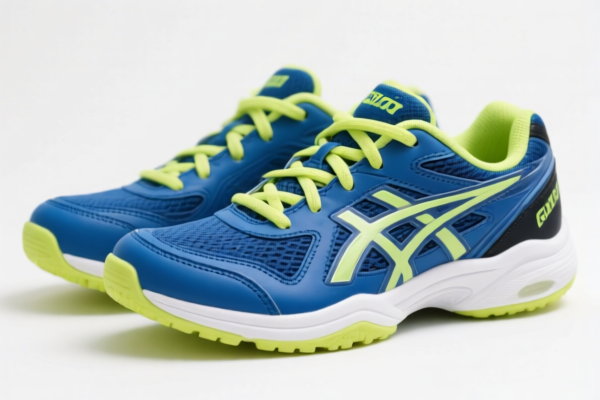
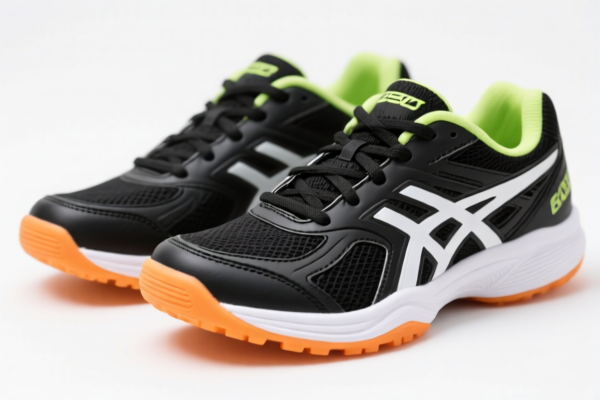
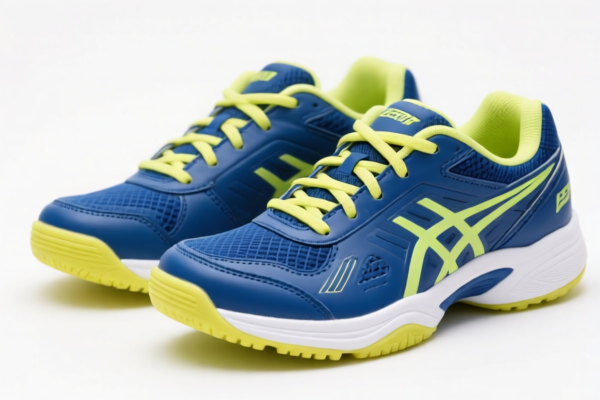
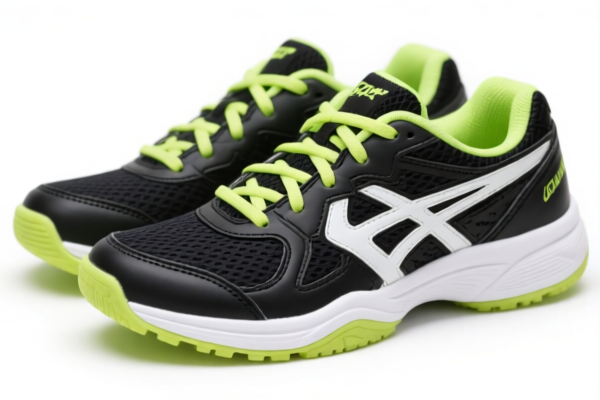
AI Analysis
👟 Plastic Tennis Shoes (Men’s Sports Footwear)
🌐 HS Code Reference & Customs Clearance Guide | 2026 Latest Tariff Analysis | Strategic Compliance Strategy
📌 I. Product Definition & Classification: What Exactly Are "Plastic Tennis Shoes"?
Plastic Tennis Shoes refer to footwear designed primarily for tennis or athletic activities, featuring an outer sole made of plastic (rubber or other plastic materials) and a upper made of other materials (textiles, leather, or synthetic). In international trade, these are classified under Chapter 64 (Footwear), specifically within Heading 6402 (Rubber/Plastic footwear) or 6404 (Footwear with outer soles of rubber/plastic and uppers of textile materials).
⚠️ Critical Distinction:
- If the upper is predominantly textile (e.g., mesh, fabric) and the outer sole is rubber/plastic → Likely 6404.11.xxxx;
- If the upper material is unknown/mixed or non-textile → Likely 6402.99.xxxx or 6403.99.xxxx;
- Misclassification Risk: Declaring as "General Sneakers" (6402) when it should be "Textile Upper Sports Shoe" (6404) can trigger higher base tariffs (37.5% vs 6-8.5%).
📦 II. HS Code Classification Details (2026 Latest Tariff Authority)
The provided data contains 6 specific HS codes for "Plastic Tennis Shoes." Below is the detailed breakdown based on total tax burden and tariff structure.
| HS Code | Product Description & Key Feature | Total Tax Rate | Tax Breakdown |
|---|---|---|---|
6403.99.60.40 |
Plastic sole tennis shoes; outer sole plastic; Men's Tennis Shoes | 18.5% | Base: 8.5% Surcharges: 0% + 10% (Section 122) |
6403.91.60.60 |
Plastic sole tennis shoes; outer sole plastic; Upper material undefined but no conflict | 18.5% | Base: 8.5% Surcharges: 0% + 10% (Section 122) |
6404.11.69.60 |
Plastic sole tennis shoes; outer sole plastic; Sports Category | 47.5% | Base: 37.5% Surcharges: 0% + 10% (Section 122) |
6402.99.31.15 |
Plastic sole tennis shoes; outer sole plastic; Purpose clearly Tennis Shoes | 16.0% | Base: 6.0% Surcharges: 0% + 10% (Section 122) |
6402.99.80.05 |
Plastic sole tennis shoes; outer sole plastic; Purpose & Classification Match | 90¢/pr + 20% + 17.5% | Base: 90¢/pr + 20% Surcharges: 7.5% + 10% (Section 122) |
6404.11.69.30 |
Plastic sole tennis shoes; outer sole plastic; Tennis Purpose, Leans Male | 47.5% | Base: 37.5% Surcharges: 0% + 10% (Section 122) |
🔍 Key Insight:
- Lowest Risk/Rate:6402.99.31.15at 16.0% (Base 6% + 10% Section 122).
- Highest Risk/Rate:6404.11.xxxxcodes at 47.5% (Base 37.5% + 10% Section 122).
- Mixed Rate:6402.99.80.05has a compound tariff (specific + ad valorem), totaling ~90¢/pr + 37.5% effectively.
💰 III. 2026 Latest Tariff Rate Explanation (Including Surcharges & Policies)
✅ Applicable Country: United States (US)
✅ Origin: China (CN)
✅ Effective Date: Ongoing (Subject to current USITC/USCG rules)
🎯 1. 6402.99.31.15 & 6403.99.60.40 / 6403.91.60.60 —— Low-Tariff Pathways
| Item | Content |
|---|---|
| Base Tariff | 6.0% - 8.5% (Ad Valorem) |
| Section 301 / Surcharges | 0.0% (No additional 301 tariffs in this specific breakdown) |
| Section 122 Tariff | +10% (Specific provision for certain footwear/tennis shoes) |
| Total Rate | 16.0% - 18.5% |
| Calculation | CIF Value × Total Rate |
| De Minimis Eligibility | ❌ No (Section 122 generally excludes de minimis) |
| Legal Path | USITC:6402.99.31.15 → FOOTNOTE:122 |
📌 Explanation:
- These codes benefit from a lower base tariff (6-8.5%).
- The 10% Section 122 tariff is applied uniformly.
- Total burden is significantly lower than the 47.5% category.
- Why so low? Likely classified under "Other footwear" (6402/6403) with specific exemptions or lower base rates for non-textile uppers or specific uses.
🎯 2. 6404.11.69.60 & 6404.11.69.30 —— High-Tariff "Textile Upper" Pathway
| Item | Content |
|---|---|
| Base Tariff | 37.5% (Ad Valorem) |
| Section 301 / Surcharges | 0.0% |
| Section 122 Tariff | +10% |
| Total Rate | 47.5% |
| Calculation | CIF Value × 47.5% |
| De Minimis Eligibility | ❌ No |
| Legal Path | USITC:6404.11.69.xxxx → FOOTNOTE:122 |
📌 Explanation:
- HS Code 6404 typically covers footwear with outer soles of rubber/plastic and uppers of textile materials.
- The base tariff of 37.5% is extremely high for standard footwear.
- Critical Risk: If your shoe has a textile upper (mesh, knit, fabric), it MUST be classified here or similar 6404 codes, even if the tax is high. Misclassifying as 6402/6403 to save tax can lead to penalties and seizure.
🎯 3. 6402.99.80.05 —— Compound Tariff Pathway
| Item | Content |
|---|---|
| Base Tariff | 90¢/pair + 20% |
| Section 301 / Surcharges | +7.5% |
| Section 122 Tariff | +10% |
| Total Effective Rate | ~37.5% + 90¢/pair (Varies by unit price) |
| De Minimis Eligibility | ❌ No |
| Legal Path | USITC:6402.99.80.05 → FOOTNOTE:122 |
📌 Explanation:
- This code has a specific duty (90¢ per pair) PLUS an ad valorem duty (20% + 7.5% + 10%).
- For low-cost shoes, the 90¢/pair can make the effective rate very high.
- For high-cost shoes, the ad valorem part dominates.
🛠️ IV. Customs Clearance Practical Advice (Avoiding Pitfalls)
✅ 1. Material Documentation (Non-Negotiable)
| Document | Required? | Purpose |
|---|---|---|
| ✅ Upper Material Spec Sheet | ✔️ | Must clearly state: "Textile," "Leather," "Synthetic," or "Other." This determines 6404 vs 6402/6403. |
| ✅ Outer Sole Material Spec | ✔️ | Must confirm "Plastic" or "Rubber." |
| ✅ Product Photos | ✔️ | Clear images of upper texture, sole, and inner lining. |
| ✅ Commercial Invoice | ✔️ | Describe as "Plastic Sole Tennis Shoes, Men's, Model XYZ." |
| ✅ Packaging List | ✔️ | Show pairs per carton, weight, dimensions. |
✅ 2. Declaration Strategy (Key Mnemonics)
🔥 "Upper Determines Code, Sole Determines Chapter, Purpose Adds Clarity!"
| Scenario | Correct HS Code | Wrong Declaration | Consequence |
|---|---|---|---|
| Upper = Textile (Mesh/Knit) | 6404.11.69.60 / 6404.11.69.30 |
6402.99.31.15 |
Tax Jump: 16% → 47.5% + Penalties |
| Upper = Leather/Synthetic (Non-Textile) | 6403.99.60.40 / 6403.91.60.60 |
6404.11.xxxx |
Overpayment: 18.5% → 47.5% |
| Upper = Unknown/Mixed | 6402.99.31.15 (Safest Low Rate) |
6404.11.xxxx |
Avoid High Base Rate if Possible |
| Specific Tennis Purpose | 6402.99.31.15 |
General "Sneakers" | Clarify "Tennis Shoes" to justify 6% Base |
✅ 3. Special Cases
| Case | Handling Advice |
|---|---|
| OEM Custom Shoes | Provide design specs showing upper material composition. If textile, accept 47.5% or seek pre-ruling. |
| "Tennis Shoes" vs "Lifestyle Sneakers" | If marketed as "Tennis," use purpose-specific codes (6402.99.31.15). If general, 6403.99.60.40 may apply. |
| Mixed Containers | Separate textile-upper shoes from synthetic-leather shoes in packing list to allow different HS codes. |
🌍 V. Global Market Comparison (2026)
| Country/Region | Recommended HS Code | Approx. Tariff | Notes |
|---|---|---|---|
| 🇺🇸 USA | 6402.99.31.15 (Low) / 6404.11.69.60 (High) |
16% - 47.5% | Section 122 (+10%) applies. High risk for textile uppers. |
| 🇨🇳 China | 6402.99.31.15 |
6-8% | Lower base rates, no Section 122. |
| 🇪🇺 EU | 6402.99 / 6404.11 |
8-12% | No Section 122 equivalent. |
| 🇬🇧 UK | 6402.99 / 6404.11 |
8-12% | Post-Brexit rates similar to EU. |
| 🇨🇦 Canada | 6402.99 / 6404.11 |
12-16% | Lower than US, no Section 122. |
📌 Conclusion:
- USA is the most challenging market due to Section 122 (+10%) and high base rates for textile uppers (37.5%).
- Strategy: If your shoe has a textile upper, consider re-designing the upper (e.g., synthetic leather instead of mesh) to qualify for 6403/6402 codes (16-18.5% tax) if possible and compliant with tennis performance standards.
📌 VI. Common Errors & Pitfalls (Lessons Learned)
❌ Error 1: Declaring Textile Upper shoes as 6402 (Rubber/Plastic upper)
👉 Result: Tax drops from 47.5% to 16%, but Customs Seizure & 3x Penalties if inspected.
❌ Error 2: Ignoring Section 122 (+10%) in all codes
👉 Result: Under-declaring tax by 10% → Back taxes + Interest.
❌ Error 3: Using "Sneakers" or "Casual Shoes" as description
👉 Result: Customs cannot determine if it’s "Tennis" specific → Delay for Examination.
❌ Error 4: Misidentifying Upper Material
👉 Result: 6404 (Textile) vs 6403 (Other) is a 30% tax difference. Always provide material swatches.
✅ Correct Declaration Example:
"Men’s Tennis Shoes, Model XYZ, Upper: Synthetic Leather, Outer Sole: Plastic, Purpose: Tennis. HS Code:
6403.99.60.40"
🎯 VII. Conclusion: Professional Declaration, Save Costs, Ensure Clearance
🎯 Remember the Mnemonic:
🔹 "Textile Upper = 47.5% (Expensive)"
🔹 "Synthetic/Other Upper = 16-18.5% (Cheap)"
🔹 "Section 122 = +10% (Mandatory)"
🔹 "Material Spec is King, Description Must Be Precise!"
📌 Pro Tip:
If you are importing large volumes, apply for a Binding Ruling from US Customs (CBP) to confirm your HS code before shipment. This protects you from retroactive duties.
📣 Immediate Action:
📞 Contact your Customs Broker with Upper Material Spec + Product Photos
🚀 Optimize Design: If possible, switch from Mesh (Textile) to Synthetic Leather to reduce tax from 47.5% to 18.5%.
✨ Professional Customs Clearance Starts with Accurate Classification!
💼 Your Margins Matter, Every Percent Counts!
Customer Reviews
About HS Code Classification
The Harmonized System (HS) is an internationally standardized nomenclature developed by the World Customs Organization (WCO) to classify traded products. Over 200 countries use the HS system as the basis for customs tariffs, trade statistics, and import/export regulations.
Each HS code follows a hierarchical structure:
- Chapter (2 digits) — Broad category of goods (e.g., Chapter 84: Machinery and Mechanical Appliances)
- Heading (4 digits) — More specific grouping within the chapter
- Subheading (6 digits) — Internationally standardized breakdown, used by all WCO member countries
- National subdivisions (8-10 digits) — Country-specific extensions for further classification, such as US HTSUS 10-digit codes
Correct HS code classification is essential for smooth customs clearance, accurate duty payment, and compliance with trade regulations. Misclassification can lead to customs delays, overpayment of duties, or penalties.
When importing from CN to US, the applicable tariff rates may include:
- Most-Favored-Nation (MFN) rate — The standard duty rate applied to WTO members
- General rate — Applied to countries without trade agreements
- Trade remedy duties — Additional tariffs such as Section 301 (anti-dumping), Section 232 (national security), or countervailing duties
The information provided on this page is for reference purposes only. For official classification, please consult with your local customs authority or a licensed customs broker.