Plastic Textile Wall Covering
CN → US| HS Code | Tariff Rate | Origin | Destination | Doc |
|---|---|---|---|---|
| 5903102090 | 35.0% | CN | US | Official Doc |
| 5603943000 | 35.0% | CN | US | Official Doc |
| 3921901100 | 39.2% | CN | US | Official Doc |
| 3921121100 | 39.2% | CN | US | Official Doc |
| 5603143000 | 35.0% | CN | US | Official Doc |
Product Images
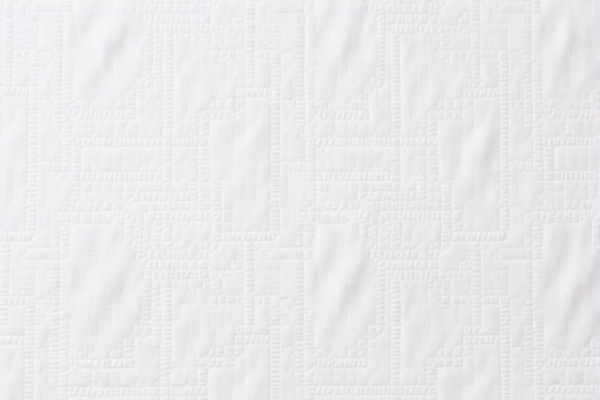
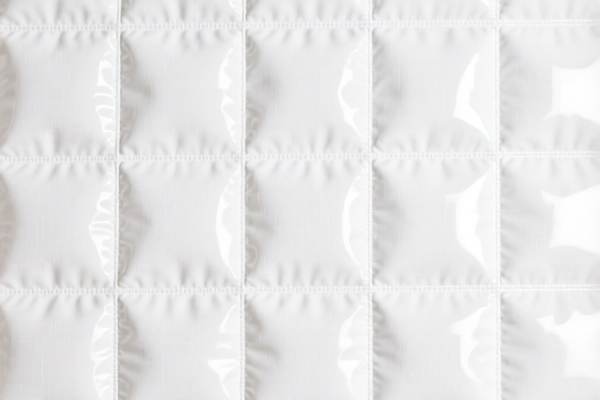
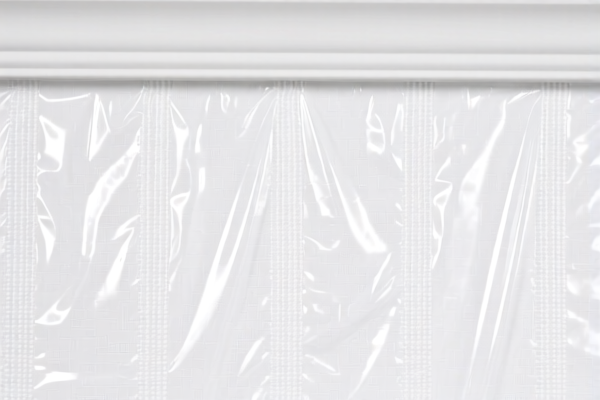
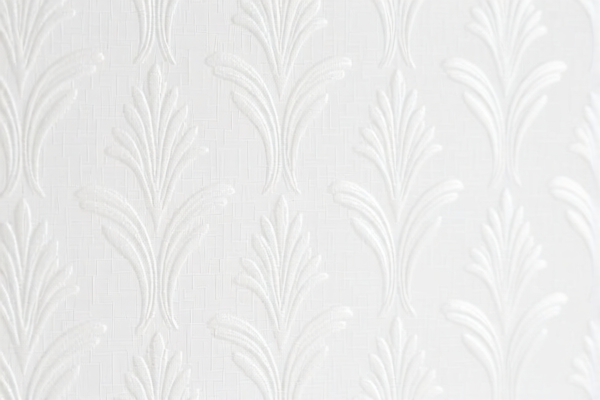
AI Analysis
🧱 Plastic Textile Wall Covering (Fabric-Reinforced)
🌐 HS Code Classification & Customs Clearance Guide | 2026 Latest Tariff Analysis | Professional Compliance Strategy
📌 I. Product Definition & Classification: Is Your "Wall Covering" Really Just Plastic?
Plastic Textile Wall Coverings, often referred to as fabric-reinforced PVC wall coverings or composite wall fabrics, are a hybrid product. They consist of a textile (fabric) base that is impregnated, coated, or laminated with plastic (typically PVC, PE, or PP).
In international trade, the classification hinges on the essential character of the product: 1. Textile-Heavy View: If the textile structure provides the essential strength and form, and the plastic is merely a coating/impregnation, it may fall under Chapter 59 (Impregnated/Covered Textiles). 2. Plastic-Heavy View: If the plastic layer is thick, provides the primary surface finish, or the product is considered a "plastic sheet/foil" reinforced by fabric, it may fall under Chapter 39 (Plastics and Articles Thereof). 3. Non-Woven View: If the textile is a non-woven fabric that has been laminated or coated, it may fall under Chapter 56 (Non-wovens).
⚠️ Key Distinction:
- Impregnated/Coated Textile (Chapter 59): Plastic is thin, penetrates the fabric, fabric holds the shape. → 5903.10.20.90 or 5603 Series
- Plastic Sheet/Foil with Reinforcement (Chapter 39): Plastic is dominant, fabric is just reinforcement. → 3921.12.11.00 or 3921.90.11.00
- Non-Woven Composite (Chapter 56): Non-woven substrate + plastic coating. → 5603.94.30.00 or 5603.14.30.00
📦 II. HS Code Classification Details (2026 Latest Tariff Authority Comparison)
Based on the provided data, here are the five possible HS Code classifications for Plastic Textile Wall Covering, along with their specific tax implications.
| HS Code | Product Description & Rationale | Tax Rate (Total) | Tax Breakdown |
|---|---|---|---|
| 5903.10.20.90 | Impregnated/Coated Textile Fabric: Textile base reinforced with plastic. Classified as "Other" under impregnated textiles. | 35.0% | Base: 0% Section 301: 25% Section 122: 10% |
| 5603.94.30.00 | Non-Woven Fabric, Laminated/Coated: Matches the morphology of non-wovens formed by lamination or coating. No material conflict. | 35.0% | Base: 0% Section 301: 25% Section 122: 10% |
| 3921.90.11.00 | Other Plastic Plates/Sheets/Foils: Plastic morphology (board/sheet) combined with textile. Classified as "Other" plastic products. | 39.2% | Base: 4.2% Section 301: 25% Section 122: 10% |
| 3921.12.11.00 | Plastic with Textile Reinforcement: Composite structure of plastic and textile. Fits the classification for plastic composites. | 39.2% | Base: 4.2% Section 301: 25% Section 122: 10% |
| 5603.14.30.00 | Non-Woven, Plastic Coated: Laminated/coated morphology. Material inferred as plastic, fits non-woven classification logic. | 35.0% | Base: 0% Section 301: 25% Section 122: 10% |
🔍 Critical Insight:
- The Total Tax Rate varies between 35.0% and 39.2%.
- The difference lies in the Base Tariff:
- Chapter 59/56 (Textile/Non-woven): Base tariff is 0%.
- Chapter 39 (Plastic): Base tariff is 4.2%.
- Additional Duties remain constant: 25% (Section 301) + 10% (Section 122).
💰 III. 2026 Latest Tariff Rate Detailed Analysis (Including Surcharges)
✅ Applicable Country: United States (US)
✅ Origin: China (CN)
✅ Effective Date: 2025/2026 (Current Policy)
🎯 1. The 35.0% Bracket (HS Codes: 5903.10.20.90, 5603.94.30.00, 5603.14.30.00)
| Item | Detail |
|---|---|
| Base Tariff | 0.0% (Ad Valorem) |
| USITC Surcharge (Section 301) | +25.0% |
| IEEPA Surcharge (Section 122) | +10.0% |
| Total Tax Rate | 35.0% |
| Calculation | CIF Value × 35% |
| De Minimis Exemption | ❌ NOT Eligible (Section 301/122 duties apply regardless of value) |
| Legal Path | HTSUS:5903/5603 → USITC Footnote 9903.88.01 → IEEPA Section 122 |
📌 Explanation:
- These codes classify the product primarily as a textile or non-woven good.
- Because the base tariff is 0%, the total duty is driven entirely by the punitive tariffs (301 + 122).
- Total Cost Impact: For every $1,000 of goods, you pay $350 in duties.
🎯 2. The 39.2% Bracket (HS Codes: 3921.90.11.00, 3921.12.11.00)
| Item | Detail |
|---|---|
| Base Tariff | 4.2% (Ad Valorem) |
| USITC Surcharge (Section 301) | +25.0% |
| IEEPA Surcharge (Section 122) | +10.0% |
| Total Tax Rate | 39.2% |
| Calculation | CIF Value × 39.2% |
| De Minimis Exemption | ❌ NOT Eligible |
| Legal Path | HTSUS:3921 → USITC Footnote 9903.88.01 → IEEPA Section 122 |
📌 Explanation:
- These codes classify the product primarily as a plastic composite/plate.
- The 4.2% base tariff adds an extra 4.2% to the cost compared to the textile classification.
- Total Cost Impact: For every $1,000 of goods, you pay $392 in duties.⚠️ Warning:
- Section 122 Tariff (10%) applies to imports of certain goods, including some plastic/textile composites, under specific administrative actions.
- Section 301 Tariff (25%) applies to most Chinese-origin goods, including plastics and textiles.
- No De Minimis: Items valued under $800 (Section 321) DO NOT qualify for duty-free entry if they are subject to Section 301 or 122 duties.
🛠️ IV. Customs Clearance Practical Advice (Avoiding Pitfalls)
✅ 1. Documentation Checklist (Mandatory)
| Document | Required | Notes |
|---|---|---|
| Product Specifications | ✔️ | Must detail the ratio of textile to plastic, layer structure, and thickness. |
| Material Composition | ✔️ | Specify the type of plastic (PVC, PE, etc.) and textile (polyester, cotton, etc.). |
| Photographs | ✔️ | Clear images of the cross-section (layer structure) are crucial for classification. |
| Commercial Invoice | ✔️ | Describe the product accurately (e.g., "PVC-Coated Polyester Wall Fabric"). |
| Packing List | ✔️ | Ensure consistent weight and volume details. |
| Origin Certificate | ✔️ | Proof of Chinese origin is required to apply the correct 301/122 rates. |
✅ 2. Classification Strategy (Key Tips)
🔥 “Know Your Structure: Fabric-First vs. Plastic-First”
| Scenario | Recommended HS Code | Reason |
|---|---|---|
| Thin Plastic Coating on Thick Fabric | 5903.10.20.90 | Textile provides essential character. Lower base tax (0%). |
| Non-Woven Fabric Laminated with Plastic Film | 5603.94.30.00 | Non-woven morphology dominates. Lower base tax (0%). |
| Thick Plastic Sheet with Thin Fabric Backing | 3921.12.11.00 | Plastic provides essential character. Higher base tax (4.2%). |
| General Plastic Composite Wall Covering | 3921.90.11.00 | Fails specific plastic/textile subheadings; falls to "Other". Higher base tax (4.2%). |
✅ 3. Special Considerations
| Issue | Handling Advice |
|---|---|
| OEM/Custom Designs | Provide design drawings to prove whether the textile or plastic is the "essential character." |
| Mixed Shipments | Do not mix different HS codes in one BL unless explicitly declared. |
| Section 122 Eligibility | Verify if your specific plastic/textile composite is currently subject to Section 122. Rules can change. |
| Pre-Ruling | Highly Recommended: Apply for a Binding Ruling from CBP if the product structure is complex. This prevents future disputes and penalties. |
🌍 V. Global Market Comparison (2026 Latest)
| Country/Region | Recommended HS Code | Est. Tariff (China Origin) | Notes |
|---|---|---|---|
| 🇺🇸 USA | 5903.10.20.90 or 3921.12.11.00 | 35.0% or 39.2% | Includes 301 (25%) + 122 (10%). Very high cost. |
| 🇨🇳 China | 5903.10.20.90 or 3921.12.11.00 | 0% or 4.2% | No 301/122 surcharges. Only base tariff applies. |
| 🇪🇺 EU | 5903.10.20.29 or 3921.12.00 | 0% - 6.5% | No Section 301/122. Base tariffs vary. |
| 🇬🇧 UK | 5903.10.20.00 or 3921.12.00 | 0% - 6.5% | Post-Brexit tariffs apply. No US-style surcharges. |
📌 Conclusion:
- USA is the most expensive market due to Section 301 + Section 122.
- Textile Classification (5903/5603) saves 4.2% compared to Plastic Classification (3921) in the US market.
- Always prioritize Chapter 59/56 classification if the product structure allows, to minimize the base tariff.
📌 VI. Common Errors & Pitfalls (Lessons Learned)
❌ Error 1: Classifying as "Decorative Textile" to avoid Plastic Duties
👉 Consequence: If the plastic layer is thick, CBP will reclassify to 3921, imposing 39.2% instead of 35%. Plus penalties.
❌ Error 2: Claiming De Minimis for Small Samples
👉 Consequence: Section 301 and 122 duties apply regardless of value. Small shipments will still be taxed at 35-39.2%.
❌ Error 3: Inaccurate Material Description
👉 Consequence: "Plastic Wall Covering" is too vague. Must specify "PVC-Coated Polyester Textile" or "Non-Woven Fabric with PVC Lamination."
❌ Error 4: Ignoring Section 122
👉 Consequence: Assuming only 301 (25%) applies. If Section 122 (10%) also applies, the total is 35% or 39.2%, not 25%.
✅ Best Practice:
"Always declare the layer structure: 'Textile Base + Plastic Coating/Lamination'. Seek a CBP Pre-Ruling for complex composites."
🎯 VII. Conclusion: Professional Classification Saves Money
🎯 Key Takeaways:
1. Total Tax: Between 35.0% and 39.2%.
2. Savings Opportunity: Classifying as Textile/Non-Woven (5903/5603) saves 4.2% in base tariffs compared to Plastic (3921).
3. No Exemptions: Section 301 and 122 duties are not exempt from De Minimis rules.
4. Documentation: Detailed material composition and structural photos are critical.
📞 Action Item:
- Consult with a licensed customs broker.
- Submit a CBP Pre-Ruling Request with product samples and specifications.
- Ensure your invoice clearly describes the textile-to-plastic ratio.
✨ Accurate Classification Starts Here!
💼 Optimize Your Tariff, Secure Your Supply Chain!
Customer Reviews
About HS Code Classification
The Harmonized System (HS) is an internationally standardized nomenclature developed by the World Customs Organization (WCO) to classify traded products. Over 200 countries use the HS system as the basis for customs tariffs, trade statistics, and import/export regulations.
Each HS code follows a hierarchical structure:
- Chapter (2 digits) — Broad category of goods (e.g., Chapter 84: Machinery and Mechanical Appliances)
- Heading (4 digits) — More specific grouping within the chapter
- Subheading (6 digits) — Internationally standardized breakdown, used by all WCO member countries
- National subdivisions (8-10 digits) — Country-specific extensions for further classification, such as US HTSUS 10-digit codes
Correct HS code classification is essential for smooth customs clearance, accurate duty payment, and compliance with trade regulations. Misclassification can lead to customs delays, overpayment of duties, or penalties.
When importing from CN to US, the applicable tariff rates may include:
- Most-Favored-Nation (MFN) rate — The standard duty rate applied to WTO members
- General rate — Applied to countries without trade agreements
- Trade remedy duties — Additional tariffs such as Section 301 (anti-dumping), Section 232 (national security), or countervailing duties
The information provided on this page is for reference purposes only. For official classification, please consult with your local customs authority or a licensed customs broker.