Plastic Tissue Holder
CN → US| HS Code | Tariff Rate | Origin | Destination | Doc |
|---|---|---|---|---|
| 3924901050 | 13.3% | CN | US | Official Doc |
| 3924905650 | 20.9% | CN | US | Official Doc |
| 6307909891 | 24.5% | CN | US | Official Doc |
| 4202929700 | 52.6% | CN | US | Official Doc |
| 6307908995 | 17.0% | CN | US | Official Doc |
Product Images
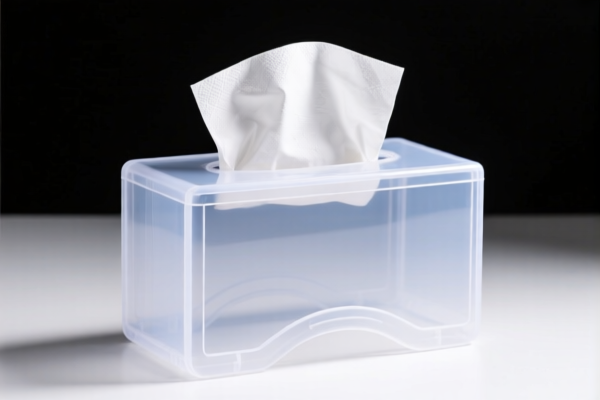
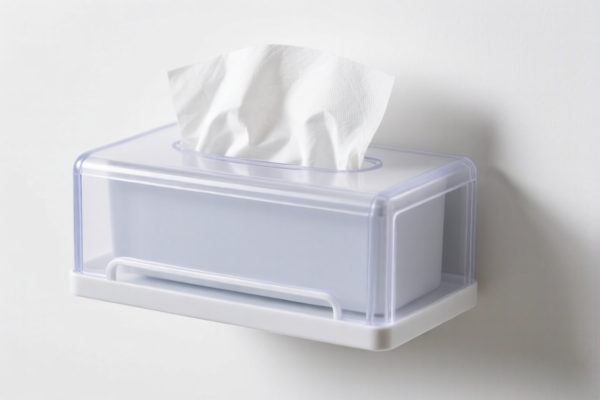

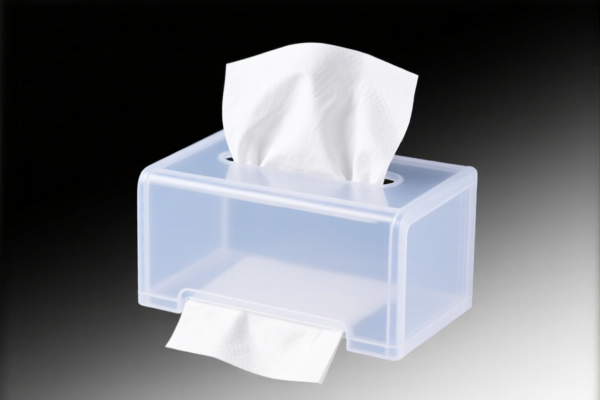
AI Analysis
🧻 Plastic Tissue Holder (Household Plastic Dispensers)
🌐 HS Code Reference & Customs Clearance Guide | 2026 Latest Tariff Analysis | Professional Strategy for US Imports
📌 1. Product Definition & Classification: Do You Know What "Plastic Tissue Holder" Really Is?
Plastic Tissue Holders are ubiquitous household items used to store and dispense facial tissues, paper towels, or napkins. In international trade, classification is highly sensitive to material composition and specific use. They are generally categorized under Chapter 39 (Plastics) or Chapter 42/63 (Textiles/Bedding) depending on their primary material and form.
Two Main Categories: * Pure Plastic Household Items: Rigid or semi-rigid plastic containers, dispensers, or holders. These fall under Chapter 39. * Textile/Bedding-Related Items: If the item is a fabric cover, a soft-case holder, or part of a bedding set (like a bed skirt with tissue functionality), it may fall under Chapter 42 or 63.
⚠️ Key Distinction Point:
- If it is a rigid plastic box/container for tissues →归入 Chapter 39 (HS Codes starting with 3924).
- If it is a fabric/textile case for tissues →归入 Chapter 42 or 63 (HS Codes like 4202 or 6307).
- Do not mix materials: If the main body is plastic, do not classify as textile just because it has a cloth lid.
📦 2. HS Code Classification Details (2026 Latest Tariff Reference)
Based on the provided data, here are the five most relevant HS Codes for "Plastic Tissue Holders," sorted by likelihood based on material and form.
| HS Code | Product Description & Inference | Main Material | Total Tax Rate (China Origin to US) |
|---|---|---|---|
| 3924.90.10.50 | Household Plastic Ware: Plastic tissue box, dispenser, or container. Inference: Based on plastic material, classified as household plastic items. |
Plastic | 13.3% |
| 3924.90.56.50 | Other Household Plastic Items: Generic plastic holders not specifically listed. Inference: Based on plastic material, classified as other household items. |
Plastic | 20.9% |
| 6307.90.89.95 | Other Made-Up Textile Articles: Fabric tissue covers, bed linens with tissue function, or textile-made holders. Inference: Based on quilt/bedding form and cotton/textile material. |
Textile/Cotton | 17.0% |
| 6307.90.98.91 | Other Made-Up Textile Articles: General textile finished goods. Inference: Based on textile/fabric manufactured products. |
Textile | 24.5% |
| 4202.92.97.00 | Articles of Apparel Accessories: Cases, pouches, or flexible containers. Inference: Based on container-like use and textile/plastic material combination. |
Textile/Plastic | 52.6% |
🔍 Critical Note:
- HS 3924.90.10.50 is the most likely code for standard plastic tissue boxes/dispeners.
- HS 4202.92.97.00 carries the highest tax burden (52.6%) and should only be used if the item is primarily a flexible container/case (like a travel tissue pouch) rather than a rigid box.
- HS 6307/4202 codes are for textile-based holders. Do not use these for rigid plastic boxes.
💰 3. 2026 Latest Tariff Rate Breakdown (Including Surcharges)
✅ Applicable Country: United States (US)
✅ Origin: China (CN)
✅ Effective Time: 2025/2026 (Including subsequent imports)
🎯 1. 3924.90.10.50 – Household Plastic Ware (Most Common for Plastic Tissue Holders)
| Item | Details |
|---|---|
| Base Tariff | 3.3% |
| Section 301 Surcharge | 0.0% |
| Section 122 Tariff | 10% |
| Total Effective Rate | 13.3% |
| Calculation Basis | CIF Value × 13.3% |
| De Minimis Exemption | ❌ Not Applicable (For China origin, Section 122/301 rules usually block $800 de minimis for certain categories, or requires full declaration). |
| Legal Reference Path | HTS:3924.90.10.50 → USITC Footnote → Section 122 (10%) |
📌 Explanation:
- This is the lowest tax bracket among the plastic options.
- It assumes the item is a standard rigid plastic household container.
- The 10% Section 122 tariff applies to many Chinese plastics.
🎯 2. 3924.90.56.50 – Other Household Plastic Items
| Item | Details |
|---|---|
| Base Tariff | 3.4% |
| Section 301 Surcharge | 7.5% |
| Section 122 Tariff | 10% |
| Total Effective Rate | 20.9% |
| Calculation Basis | CIF Value × 20.9% |
| Legal Reference Path | HTS:3924.90.56.50 → Section 301 (7.5%) → Section 122 (10%) |
📌 Explanation:
- If the plastic item does not fit the specific "Household Ware" sub-heading, it falls here.
- Higher tax (20.9%) due to the additional 7.5% Section 301 surcharge.
🎯 3. 6307.90.89.95 – Textile/Bedding Items
| Item | Details |
|---|---|
| Base Tariff | 7.0% |
| Section 301 Surcharge | 0.0% |
| Section 122 Tariff | 10% |
| Total Effective Rate | 17.0% |
| Legal Reference Path | HTS:6307.90.89.95 → Section 122 (10%) |
📌 Explanation:
- Applies if the tissue holder is made of fabric (e.g., a fabric cover for a box).
- No Section 301 surcharge, but higher base duty.
🎯 4. 6307.90.98.91 – Other Textile Articles
| Item | Details |
|---|---|
| Base Tariff | 7.0% |
| Section 301 Surcharge | 7.5% |
| Section 122 Tariff | 10% |
| Total Effective Rate | 24.5% |
📌 Explanation:
- Generic textile article. Higher tax due to Section 301.
🎯 5. 4202.92.97.00 – Textile/Plastic Cases (Highest Risk)
| Item | Details |
|---|---|
| Base Tariff | 17.6% |
| Section 301 Surcharge | 25.0% |
| Section 122 Tariff | 10% |
| Total Effective Rate | 52.6% |
| Legal Reference Path | HTS:4202.92.97.00 → Section 301 (25%) → Section 122 (10%) |
⚠️ WARNING:
- DO NOT classify a standard plastic tissue box as4202unless it is a flexible case/pouch primarily made of textile with plastic lining.
- 52.6% is a massive cost driver. Misclassification here can destroy profit margins.
🛠️ 4. Customs Clearance Practical Advice (Real-World Pitfall Guide)
✅ 1. Required Documentation Checklist
| Document | Mandatory? | Purpose |
|---|---|---|
| ✅ Product Photos | ✔️ | Show material (rigid plastic vs. fabric), structure, and use. |
| ✅ Commercial Invoice | ✔️ | Must clearly state: "Plastic Tissue Holder, Model XYZ, Material: PP/PE" |
| ✅ Material Declaration | ✔️ | Specify % composition (e.g., 100% Plastic, or Cotton Cover). |
| ✅ Packing List | ✔️ | Show net/gross weight, carton count. |
| ✅ Country of Origin | ✔️ | Certify "Made in China" if applicable, to apply correct Section 122/301. |
✅ 2. Declaration Tips (Key Mantra)
🔥 "Material Matters, Form Defines, Don't Guess, Just Prove!"
| Scenario | Correct HS Code | Risk of Error |
|---|---|---|
| Rigid Plastic Box | 3924.90.10.50 |
Low (Best Option) |
| Plastic Dispenser Unit | 3924.90.56.50 |
Medium (Higher Tax) |
| Fabric Cover for Box | 6307.90.89.95 |
Low (If truly textile) |
| Travel Tissue Pouch (Fabric) | 4202.92.97.00 |
HIGH RISK (52.6% Tax) |
✅ 3. Special Handling
| Situation | Recommendation |
|---|---|
| Mixed Material (Plastic + Fabric) | Classify based on principal material. If it’s a plastic box with a fabric lid, it’s still Plastic (3924). |
| OEM Custom Design | Provide design files to prove it’s a "household item" and not a "case/pouch" to avoid 4202. |
| Small Quantity Samples | Ensure de minimis rules are checked; some Section 122 items may not qualify for $800 exemption if declared improperly. |
| Avoiding 52.6% | Never describe plastic tissue boxes as "Cases" or "Pouches." Use "Holder," "Dispenser," "Box." |
🌍 5. Global Market Comparison (2026)
| Market | Recommended HS Code | Est. Tax Rate (China Origin) | Notes |
|---|---|---|---|
| 🇺🇸 USA | 3924.90.10.50 |
13.3% | Includes 10% Sec 122. Best for plastic holders. |
| 🇪🇺 EU | 3924.10 |
~2.5% - 5% | No Section 122/301. Lower base duty. |
| 🇨🇳 China | 3924.90 |
~0% - 5% | Low import duty for domestic use. |
| 🇬🇧 UK | 3924.10 |
~5% | Post-Brexit rules apply. |
📌 Conclusion:
- The USA has the highest effective tax rate (13.3%) for standard plastic tissue holders due to Section 122.
- Misclassification to4202(52.6%) is the biggest risk. Always emphasize Plastic + Household Use.
📌 6. Common Errors & Pitfalls (Lessons Learned)
❌ Error 1: Classifying a rigid plastic box as 4202.92.97.00 (Textile Case)
👉 Result: Tax jumps from 13.3% to 52.6%. Loss of profit!
❌ Error 2: Describing the product as "Tissue Case" or "Tissue Pouch"
👉 Result: Customs may assume it’s a flexible textile item, leading to 4202 classification.
✅ Fix: Use "Tissue Holder," "Tissue Dispenser," "Tissue Box."
❌ Error 3: Ignoring Section 122
👉 Result: Under-declaring taxes by 10%.
✅ Fix: Always include 10% Section 122 in cost calculations for China-origin plastic goods.
❌ Error 4: Assuming "Plastic" means 0% tax
👉 Result: Even plastic items have 3.3% base + 10% Sec 122 = 13.3%.
🎯 7. Conclusion: Smart Classification, Safe Clearance!
🎯 Remember:
🔹 "Plastic Box? Use 3924.10.50 (13.3%)."
🔹 "Fabric Cover? Use 6307.89.95 (17.0%)."
🔹 "Travel Pouch? Avoid 4202 (52.6%) unless it’s truly a case!"
✨ Professional Clearance Starts with Accurate Classification!
💼 Every percentage point counts in your profit margin!
Customer Reviews
About HS Code Classification
The Harmonized System (HS) is an internationally standardized nomenclature developed by the World Customs Organization (WCO) to classify traded products. Over 200 countries use the HS system as the basis for customs tariffs, trade statistics, and import/export regulations.
Each HS code follows a hierarchical structure:
- Chapter (2 digits) — Broad category of goods (e.g., Chapter 84: Machinery and Mechanical Appliances)
- Heading (4 digits) — More specific grouping within the chapter
- Subheading (6 digits) — Internationally standardized breakdown, used by all WCO member countries
- National subdivisions (8-10 digits) — Country-specific extensions for further classification, such as US HTSUS 10-digit codes
Correct HS code classification is essential for smooth customs clearance, accurate duty payment, and compliance with trade regulations. Misclassification can lead to customs delays, overpayment of duties, or penalties.
When importing from CN to US, the applicable tariff rates may include:
- Most-Favored-Nation (MFN) rate — The standard duty rate applied to WTO members
- General rate — Applied to countries without trade agreements
- Trade remedy duties — Additional tariffs such as Section 301 (anti-dumping), Section 232 (national security), or countervailing duties
The information provided on this page is for reference purposes only. For official classification, please consult with your local customs authority or a licensed customs broker.