Plastic Toilet Seat Lid
CN → US| HS Code | Tariff Rate | Origin | Destination | Doc |
|---|---|---|---|---|
| 9403708031 | 35.0% | CN | US | Official Doc |
| 9403708002 | 35.0% | CN | US | Official Doc |
| 3926902100 | 21.7% | CN | US | Official Doc |
| 3926909950 | 22.8% | CN | US | Official Doc |
| 3924104000 | 13.4% | CN | US | Official Doc |
Product Images
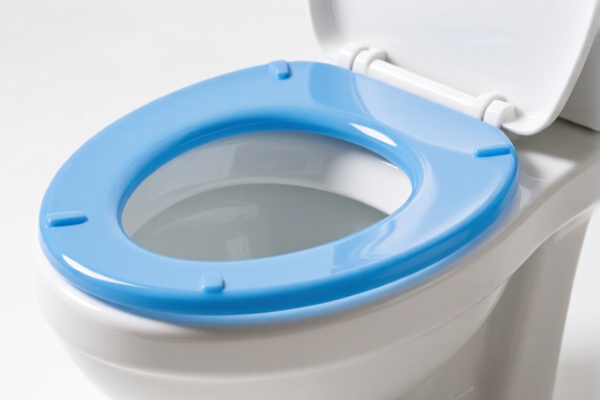
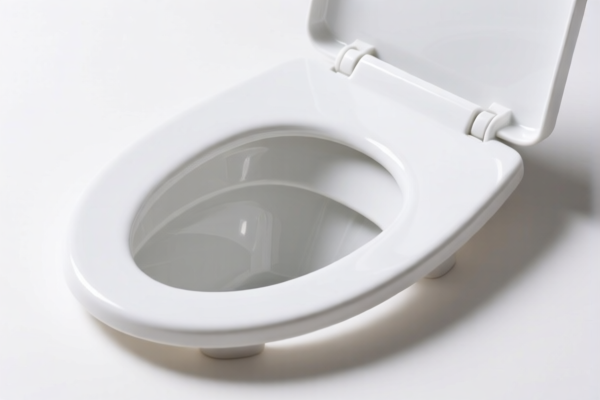
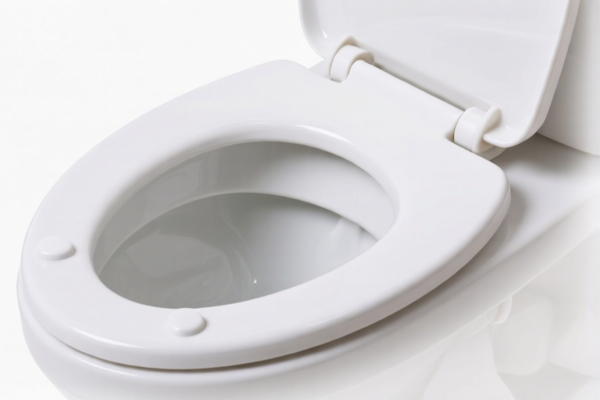
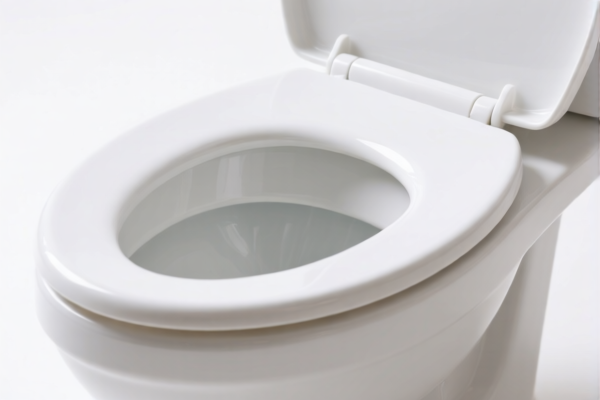
AI Analysis
🚽 Plastic Toilet Seat Lid (家用塑料马桶盖)
🌐 HS Code Classification & Customs Clearance Guide | 2024 Latest Tariff Analysis | Professional Strategy for US Imports
📌 I. Product Definition: What Exactly is a "Plastic Toilet Seat Lid"?
A Plastic Toilet Seat Lid is a critical component of sanitary ware, primarily manufactured from polymer materials such as Polypropylene (PP), Urea-Formaldehyde (UF), or Melamine-Formaldehyde. In international trade, its classification is highly contentious because it sits at the intersection of Household Furniture and Plastic Articles.
The core question海关 (Customs) asks is: "Is this a part of furniture, or is it simply a plastic article?"
⚠️ Key Distinction Point:
- If viewed as a functional accessory to furniture (specifically toilets/sanitary fixtures categorized under furniture), it may fall under Heading 9403.
- If viewed primarily as a general plastic product due to its material composition, it falls under Heading 3926 or 3924.
- Misclassification Risk: Classifying a toilet seat as "Furniture Parts" (9403) might attract higher punitive tariffs (Section 301 + 122), whereas classifying it as "Other Plastic Articles" (3926) might have a lower overall rate, but requires strict justification.
📦 II. HS Code Classification Matrix (Based on Provided Data)
| HS Code | Product Description & Category | Total Tax Rate | Tax Breakdown |
|---|---|---|---|
| 9403.70.80.31 | Plastic Toilet Seat Lid Category: Furniture Accessories / Plastic Furniture Components |
35.0% | Base: 0.0% Add'l (301): 25.0% Sec 122: 10.0% |
| 9403.70.80.02 | Plastic Toilet Seat Lid Category: Furniture/Consumer Goods Parts |
35.0% | Base: 0.0% Add'l (301): 25.0% Sec 122: 10.0% |
| 3926.90.21.00 | Plastic Toilet Seat Lid Category: Other Plastic Articles |
21.7% | Base: 4.2% Add'l (301): 7.5% Sec 122: 10.0% |
| 3926.90.99.50 | Plastic Toilet Seat Lid Category: Other Plastic Articles (Non-Medical) |
22.8% | Base: 5.3% Add'l (301): 7.5% Sec 122: 10.0% |
| 3924.10.40.00 | Plastic Sink Cover (Note: Included in data, often confused with seat lids) Category: Tableware/Kitchenware & Household Items |
13.4% | Base: 3.4% Add'l (301): 0.0% Sec 122: 10.0% |
🔍 Critical Insight:
- The 9403 codes (Furniture) carry a 35% total tax burden, driven by a 25% Section 301 tariff.
- The 3926 codes (Plastic Articles) carry a 21.7% - 22.8% total tax burden, with a much lower Section 301 rate of 7.5%.
- 3924.10.40.00 is listed for "Plastic Sink Covers." While similar, ensure your product is not mislabeled as a sink part if it is strictly a toilet seat, as this could lead to accuracy disputes. However, if marketed as a general household plastic cover, this lowest rate (13.4%) is the most attractive option if applicable.
💰 III. 2024 Latest Tariff Rate Detailed Analysis
✅ Applicable Country: USA
✅ Origin: China (CN)
✅ Effective Date: Current trade policies (Section 301 & Section 122)
🎯 1. Classification: Furniture Parts (HS 9403.70.80.31 / 9403.70.80.02)
| Item | Details |
|---|---|
| Base Tariff | 0.0% (Ad Valorem) |
| USITC Surcharge (Section 301) | +25.0% |
| Section 122 Surcharge | +10.0% |
| Total Effective Rate | 35.0% |
| Calculation Basis | CIF Value × 35% |
| De Minimis Exemption? | ❌ No (deny_de_minimis). These goods are explicitly targeted. |
| Legal Path | Section 301: HTSUS 9403 → Section 122: Executive Order |
📌 Explanation:
- The 25% Section 301 tariff is the primary cost driver here. Even though the base duty is 0%, the punitive tariffs make this classification expensive.
- Section 122 (often related to national security or specific trade actions) adds an additional 10%.
- Total Cost: For every $100 of value, you pay $35 in duties.
🎯 2. Classification: Other Plastic Articles (HS 3926.90.21.00 / 3926.90.99.50)
A. HS 3926.90.21.00 (Other Plastic Articles)
| Item | Details |
|---|---|
| Base Tariff | 4.2% |
| USITC Surcharge (Section 301) | +7.5% |
| Section 122 Surcharge | +10.0% |
| Total Effective Rate | 21.7% |
| Calculation Basis | CIF Value × 21.7% |
| De Minimis Exemption? | ❌ No |
| Legal Path | Section 301: HTSUS 3926 → Section 122 |
📌 Explanation:
- This classification assumes the item is a generic plastic good, not a furniture part.
- The Section 301 rate is significantly lower (7.5% vs 25%).
- Savings: Approximately 13.3% less tax than the Furniture classification.
B. HS 3926.90.99.50 (Other Plastic Articles, Non-Medical)
| Item | Details |
|---|---|
| Base Tariff | 5.3% |
| USITC Surcharge (Section 301) | +7.5% |
| Section 122 Surcharge | +10.0% |
| Total Effective Rate | 22.8% |
| Calculation Basis | CIF Value × 22.8% |
| De Minimis Exemption? | ❌ No |
📌 Note:
- Slightly higher base tariff (5.3% vs 4.2%) makes this option less favorable than 3926.90.21.00, but still cheaper than the 9403 options.
🎯 3. Classification: Tableware/Kitchenware (HS 3924.10.40.00)
⚠️ Warning: This HS Code is explicitly described in the data as "Plastic Sink Cover" (塑料水槽盖).
If your product is a Toilet Seat Lid, using this code may be considered misdeclaration unless the product can be reasonably argued as a "general household plastic cover" similar to sink covers.
However, if approved, the rate is:
| Item | Details |
|---|---|
| Base Tariff | 3.4% |
| USITC Surcharge (Section 301) | 0.0% |
| Section 122 Surcharge | +10.0% |
| Total Effective Rate | 13.4% |
| De Minimis Exemption? | ❌ No |
📌 Strategy:
- This offers the lowest tax rate (13.4%).
- Risk: High risk of Customs rejection if the product is clearly a toilet seat. Ensure marketing materials do not exclusively label it as "Toilet Seat" if you aim for this lower bracket, or consult a customs broker for a "Ruling" to justify its classification as a general household plastic item.
🛠️ IV. Customs Clearance Practical Advice
✅ 1. Documentation Checklist (Essential)
| Document | Requirement | Notes |
|---|---|---|
| Commercial Invoice | ✔️ Must State HS Code | Clearly define product as "Plastic Toilet Seat" or "Plastic Sanitary Fixture Part." |
| Product Photos | ✔️ Clear Images | Show material texture, hinges, and overall structure to prove it is plastic, not wood/metal furniture. |
| Material Composition | ✔️ Proof of Plastic | Specify if it is PP, UF, or Melamine. This supports classification under Chapter 39. |
| Function Description | ✔️ Usage Context | Is it a standalone plastic item or a furniture part? |
| Origin Certificate | ✔️ COO | Must indicate China origin to apply correct Section 301/122 rates. |
✅ 2. Declaration Strategy (Key Tips)
🔥 "Material Matters, Not Just Function!"
| Scenario | Recommended HS Code | Reasoning |
|---|---|---|
| Emphasis on Furniture Part | 9403.70.80.31 / .02 |
If the product is sold only as a replacement part for a toilet fixture, Customs may lean toward Furniture. Expect 35% tax. |
| Emphasis on Plastic Article | 3926.90.21.00 |
Argue that the product is primarily a plastic good with universal fit, not specific to a single furniture type. Expect ~21.7% tax. |
| Broad "Household Plastic" Argument | 3924.10.40.00 (If applicable) |
Only if the product can be classified as a general plastic cover (like a sink cover). Expect 13.4% tax. High scrutiny required. |
📌 Crucial Warning:
- Do NOT split the shipment (e.g., declaring seats as "plastic parts" and hinges as "furniture parts") unless explicitly advised.
- Section 301 rates are strict. Misclassification can lead to penalties, seizure, and back-taxes.
✅ 3. Special Cases & Risk Mitigation
| Case | Handling Advice |
|---|---|
| High-Value Imports | Consider Advance Ruling from CBP. Pay a small fee to get a legally binding decision on the HS Code before shipping. |
| Mixed Container | If mixing with other plastic goods, ensure separate line items for clear classification. |
| Material Change | If switching from Plastic to Wood/Wooden Seat, HS Code changes entirely (likely to 9403.40/9403.60 with different tax profiles). |
| Section 122 Impact | Remember that 10% is added across ALL classifications in the provided data. Plan your margin accordingly. |
🌍 V. Global Market Comparison (2024 Context)
| Market | Recommended HS Code | Est. Total Duty | Notes |
|---|---|---|---|
| 🇺🇸 USA | 3926.90.21.00 |
21.7% | Best balance of classification acceptance and cost. |
| 🇺🇸 USA | 9403.70.80.31 |
35.0% | High risk of Section 301 penalty. |
| 🇨🇳 China (Import) | Various | ~5-10% | No Section 301/122. Lower base tariffs. |
| 🇪🇺 EU | 3926.90.97 | 6.5% | No punitive tariffs. CE/RoHS compliance needed. |
| 🇬🇧 UK | 3926.90.97 | 6.5% | Post-Brexit rules apply. |
📌 Conclusion:
- For the US Market, avoid9403unless necessary. The 25% Section 301 surcharge makes it uncompetitive.
-3926.90.21.00is the optimal balance between classification accuracy and cost efficiency.
-3924.10.40.00is the lowest cost but highest compliance risk.
📌 VI. Common Mistakes & Pitfalls (Lessons Learned)
❌ Mistake 1: Declaring as "Furniture Parts" (9403) without justification.
👉 Consequence: You pay 35% tax instead of ~22%. Loss of profit margin.
❌ Mistake 2: Using 3924.10.40.00 (Sink Cover) for Toilet Seats.
👉 Consequence: Customs audit, potential penalties for misdeclaration, or forced reclassification.
❌ Mistake 3: Ignoring Section 122.
👉 Consequence: Even with a low base rate, the +10% Section 122 applies to all. Do not miscalculate your landed cost.
✅ Best Practice:
Use clear, neutral descriptions:
"Plastic Household Sanitary Accessory, Material: Polypropylene, Non-Medical, For Universal Toilet Fixture"
This supports classification under Chapter 39 (Plastics) rather than Chapter 94 (Furniture).
🎯 VII. Conclusion: Optimize Your Supply Chain
🎯 Key Takeaway:
🔹 Avoid
9403if possible. The 35% tax is a significant burden.
🔹 Target3926.90.21.00. The 21.7% tax is more manageable and justifiable.
🔹 Verify Section 122 applicability. The 10% surcharge is non-negotiable for Chinese-origin goods.📞 Action Item:
- Request a CBP Advance Ruling if your volume is high.
- Update your Product Descriptions in shipping documents to emphasize "Plastic Article" over "Furniture Part."
- Calculate Landed Cost using the 21.7% rate for accurate pricing.
✨ Professional Clearance Starts with Precise Classification!
💼 Every percentage point matters in international trade!
Customer Reviews
About HS Code Classification
The Harmonized System (HS) is an internationally standardized nomenclature developed by the World Customs Organization (WCO) to classify traded products. Over 200 countries use the HS system as the basis for customs tariffs, trade statistics, and import/export regulations.
Each HS code follows a hierarchical structure:
- Chapter (2 digits) — Broad category of goods (e.g., Chapter 84: Machinery and Mechanical Appliances)
- Heading (4 digits) — More specific grouping within the chapter
- Subheading (6 digits) — Internationally standardized breakdown, used by all WCO member countries
- National subdivisions (8-10 digits) — Country-specific extensions for further classification, such as US HTSUS 10-digit codes
Correct HS code classification is essential for smooth customs clearance, accurate duty payment, and compliance with trade regulations. Misclassification can lead to customs delays, overpayment of duties, or penalties.
When importing from CN to US, the applicable tariff rates may include:
- Most-Favored-Nation (MFN) rate — The standard duty rate applied to WTO members
- General rate — Applied to countries without trade agreements
- Trade remedy duties — Additional tariffs such as Section 301 (anti-dumping), Section 232 (national security), or countervailing duties
The information provided on this page is for reference purposes only. For official classification, please consult with your local customs authority or a licensed customs broker.