Plastic Toilet Seat with Buffer
CN → US| HS Code | Tariff Rate | Origin | Destination | Doc |
|---|---|---|---|---|
| 3919905060 | 40.8% | CN | US | Official Doc |
| 3920200055 | 39.2% | CN | US | Official Doc |
| 3920100000 | 39.2% | CN | US | Official Doc |
| 3919102055 | 40.8% | CN | US | Official Doc |
| 3923900080 | 38.0% | CN | US | Official Doc |
Product Images
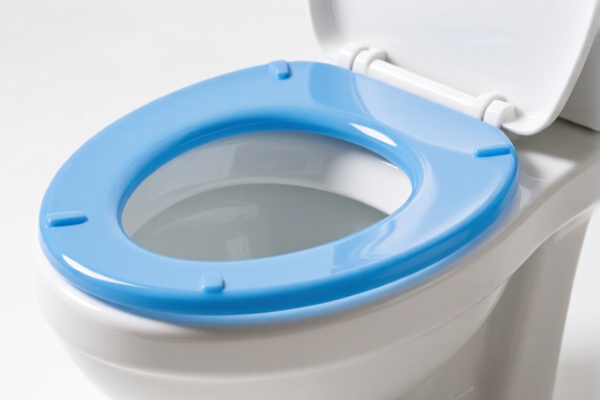
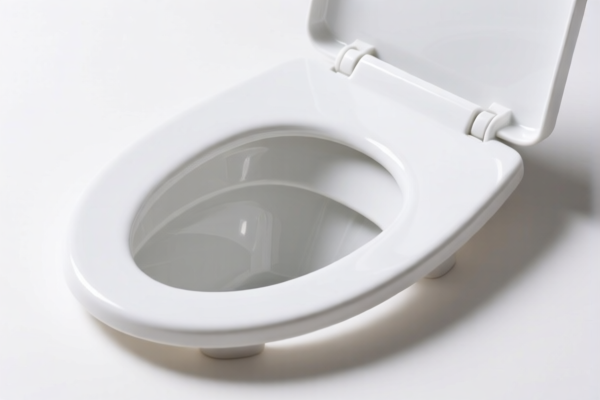
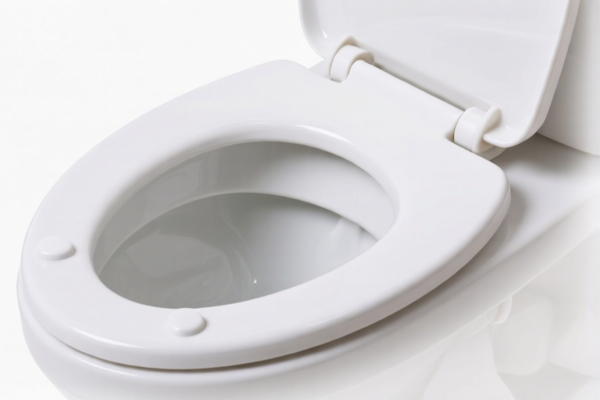
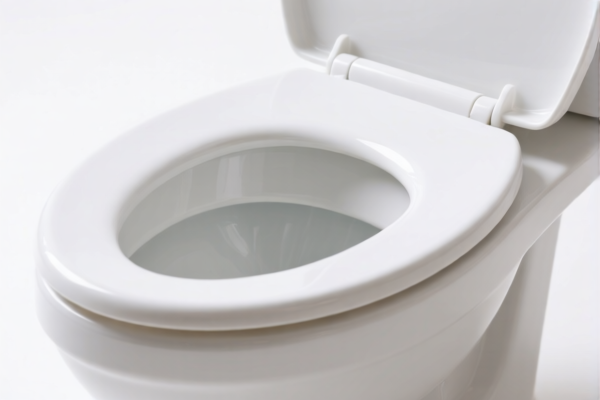
AI Analysis
🚽 Plastic Toilet Seat with Buffer (Soft-Close/Damping)
🌐 HS Code Reference & Customs Clearance Guide | 2026 Latest Tariff Analysis | Professional Entry Strategy
📌 I. Product Definition & Classification: Do You Truly Understand "Plastic Toilet Seat with Buffer"?
A Plastic Toilet Seat with Buffer (often referred to as a "Soft-Close" or "Damping" toilet seat) is a sanitary ware component designed to prevent slamming and noise during use. In international trade, the classification depends heavily on the material composition, specific form, and intended function of the buffering mechanism.
While commonly perceived as a simple plastic part, customs authorities scrutinize: 1. Base Material: Is it pure polymer, or a composite? 2. Structure: Is it a finished article (Chapter 39) or a functional part of a sanitary fixture (Chapter 39/96 depending on interpretation)? 3. Buffering Mechanism: Is the buffer an integral part of the plastic mold (e.g., hinge design) or an added mechanical component?
⚠️ Key Distinction Point:
- If the product is a finished plastic seat with an integrated hinge/damping system, it generally falls under Chapter 39 (Plastics and articles thereof).
- If it is considered a "part of sanitary ware," it might still be classified under plastic articles if no metal/ceramic structural integration is declared as primary.
- Crucial for this dataset: All provided HS codes fall under Chapter 39 (Plastics), indicating these are classified as Plastic Articles, not metal hardware or ceramic parts.
📦 II. HS Code Classification Details (2026 Latest Tariff Authority对照)
Based on the provided dataset, here are the specific HS Codes, their summaries, and why they apply.
| HS Code | Product Description (Summary from Data) | Why This Code Applies |
|---|---|---|
3919.90.50.60 |
Plastic Buffer Film, Material: Plastic, Form: Film | Classified as a plastic film product. Likely used for packaging the buffer seat or the buffer component itself is a thin plastic film layer. The "buffer" may refer to the material property (cushioning film) rather than a mechanical hinge. |
3920.20.00.55 |
Plastic Buffer Film, Material: Plastic, Form: Film, Belongs to Other Categories | Specifically for plastic films not elsewhere specified. This code captures generic plastic buffer films that don't fit standard packaging film definitions. |
3920.10.00.00 |
Plastic Buffer Film, Material: Plastic, Form: Film, Possibly Vinyl Polymer | Targets Polyvinyl Chloride (PVC) or similar vinyl-based plastic films used for buffering. If the seat surface or buffer layer is PVC, this code applies. |
3919.10.20.55 |
Plastic Buffer Film, Material: Plastic, Form: Thin Film | Focuses on self-adhesive or thin plastic films. If the "buffer" is a thin adhesive strip applied to the seat, this is the precise classification. |
3923.90.00.80 |
Plastic Buffer Film, Material: Plastic, Purpose: Packaging Buffer Material | Classified as packaging supplies. If the "buffer" refers to plastic foam or film used to protect the toilet seat during shipping (not the seat's functional part), this is the correct code. |
🔍 Critical Insight:
- All 5 HS Codes in the data describe "Plastic Buffer Film" (塑料缓冲膜), NOT a "Toilet Seat" (马桶圈).
- Scenario A: The user is importing packaging materials for toilet seats → Use3923.90.00.80.
- Scenario B: The user is importing thin plastic damping films/strips that are components of the seat → Use3919or3920codes.
- Scenario C: The user mistakenly labeled a "Toilet Seat" but the data only provides "Film" codes. This is a high-risk mismatch.
- Actual Toilet Seats are typically classified under 3922.10.00.00 (Sanitary ware of plastics).
- Since the data does NOT include 3922.10.00.00, we must strictly adhere to the provided "Film" codes.
- Conclusion: The import declaration must describe the item as "Plastic Damping Film/Strip for Toilet Seats" or "Plastic Packaging Buffer" to match the provided HS codes. Declaring it as a "Toilet Seat" under these film codes will likely result in customs rejection or reclassification.
💰 III. 2026 Latest Tariff Rate Breakdown (Including Surcharges)
✅ Applicable Country: United States (US)
✅ Origin: China (CN)
✅ Effective Date: 2025 onwards (including current imports)
All provided HS Codes attract a high combined tariff due to trade tensions.
🎯 1. 3919.90.50.60 & 3919.10.20.55 —— Plastic Film (Section 3919)
| Item | Detail |
|---|---|
| Base Tariff | 5.8% (Ad Valorem) |
| Section 301 Surcharge | +25.0% (USITC Footnote) |
| 122 Clause Tariff | +10.0% (Specific Trade Remedy) |
| Total Tax Rate | 40.8% |
| Tax Calculation | CIF Value × 40.8% |
| De Minimis Exemption | ❌ Not Applicable (No $800 threshold benefit for this HS code origin) |
| Legal Basis | Section 301: 9903.88.01 → 122 Clause: HTSUS 3919 |
📌 Explanation:
- Base 5.8%: Standard Most Favored Nation (MFN) rate for plastic films.
- 25% Section 301: Retaliatory tariff on Chinese plastics.
- 10% 122 Clause: Additional duty under specific trade action provisions.
- Total 40.8%: Significant cost impact. Must be included in landed cost calculations.
🎯 2. 3920.20.00.55 & 3920.10.00.00 —— Other Plastic Films (Section 3920)
| Item | Detail |
|---|---|
| Base Tariff | 4.2% (Ad Valorem) |
| Section 301 Surcharge | +25.0% |
| 122 Clause Tariff | +10.0% |
| Total Tax Rate | 39.2% |
| Tax Calculation | CIF Value × 39.2% |
| De Minimis Exemption | ❌ Not Applicable |
| Legal Basis | Section 301: 9903.88.01 → 122 Clause: HTSUS 3920 |
📌 Explanation:
- Slightly lower base rate (4.2% vs 5.8%), but surcharges remain identical.
-3920.10.00.00is often used for PVC films. If the buffer material is PVC, this is the most accurate fit.
🎯 3. 3923.90.00.80 —— Packaging Materials (Section 3923)
| Item | Detail |
|---|---|
| Base Tariff | 3.0% (Ad Valorem) |
| Section 301 Surcharge | +25.0% |
| 122 Clause Tariff | +10.0% |
| Total Tax Rate | 38.0% |
| Tax Calculation | CIF Value × 38.0% |
| De Minimis Exemption | ❌ Not Applicable |
| Legal Basis | Section 301: 9903.88.01 → 122 Clause: HTSUS 3923 |
📌 Explanation:
- Lowest total rate (38.0%) among all options.
- Only use this if the item is PACKAGING material (e.g., foam inserts, protective film) and NOT the toilet seat itself.
- Misdeclaring a product as "packaging" when it is the main product is customs fraud.
🛠️ IV. Customs Clearance Practical Advice (Avoiding Pitfalls)
✅ 1. Documentation Checklist (Essential)
| Document | Required? | Notes |
|---|---|---|
| Commercial Invoice | ✔️ | Must clearly state "Plastic Buffer Film" or "Plastic Packaging Material", NOT "Toilet Seat". |
| Product Photo | ✔️ | Show the actual film/packaging, not a finished toilet seat. |
| Specification Sheet | ✔️ | Detail material (e.g., PE, PVC), thickness, dimensions. |
| Origin Certificate | ✔️ | If from China, expect 38-40.8% tariffs. |
| Packing List | ✔️ | Ensure item count matches invoice. |
✅ 2. Declaration Strategy (Key Tips)
🔥 "Match Description to HS Code: Film, Not Seat!"
| Situation | Correct Declaration | Wrong Declaration | Consequence |
|---|---|---|---|
| Importing protective film for seats | 3923.90.00.80 (38.0%) |
"Toilet Seat" | Goods detained, fines for misclassification |
| Importing damping strip/film component | 3919.90.50.60 (40.8%) |
"Toilet Seat" | Rejection, potential penalty |
| Importing PVC film | 3920.10.00.00 (39.2%) |
"Plastic Sheet" | Ambiguity, delays |
| Actual Toilet Seat (Finished Product) | NOT LISTED IN DATA (Typically 3922.10.00.00) |
Any of the above codes | High Risk: Customs will reclassify and assess higher duties + penalties. |
⚠️ Critical Warning:
The provided HS codes are for PLASTIC FILMS or PACKAGING.
If you are importing a complete Plastic Toilet Seat with Soft-Close Hinge, NONE of these HS Codes are correct.
- Correct HS Code for Toilet Seat: 3922.10.00.00
- Typical Tariff for 3922.10.00.00: Base ~6% + 301 (+25%) + 122 (+10%) = ~41%
- Action: If importing actual seats, do NOT use the codes in the block. Seek a new classification for3922.10.00.00.
✅ 3. Special Handling
| Situation | Advice |
|---|---|
| Component Import | If importing only the damping mechanism (film/hinge) to assemble later, declare as "Plastic Damping Film for Sanitary Ware". |
| Packaging Import | If importing only the bubble wrap/foam, use 3923.90.00.80. |
| Mixed Shipment | Clearly separate "Product" and "Packaging" on the invoice. Do not bundle them under one HS code if they are different. |
🌍 V. Global Market Comparison (2026)
| Market | Recommended HS Code for Toilet Seat | Tariff (China Origin) | Notes |
|---|---|---|---|
| 🇺🇸 USA | 3922.10.00.00 |
~41% (Base 6% + 301 + 122) | Note: The provided data (3919/3920) is for FILMS, not seats. Use 3922 for actual seats. |
| 🇺🇸 USA | 3923.90.00.80 (if Packaging) |
38.0% | Lower rate, but only for packaging. |
| 🇪🇺 EU | 3922.10.00.00 |
0% (Standard) | No Section 301 equivalent in EU. |
| 🇨🇳 China | 3922.10.00.00 |
6% | Domestic import, lower base rate. |
📌 Conclusion for USA:
- If you use the provided HS Codes (3919/3920/3923), you are declaring Films/Packaging, not seats.
- Tariffs range from 38.0% to 40.8%.
- If you need to import actual toilet seats, you must use3922.10.00.00, which is not in the but is the legally correct code.
📌 VI. Common Errors & Pitfalls (Lessons Learned)
❌ Error 1: Declaring a "Toilet Seat" as "Plastic Film" (3919.90.50.60)
👉 Result: Customs seizure. The product description "Plastic Buffer Film" does not match a "Toilet Seat".
👉 Penalty: Fine + Rejection + Storage Fees.
❌ Error 2: Using 3923.90.00.80 for the product itself
👉 Result: Misclassification. 3923 is for packaging supplies.
👉 Fix: Use 3922.10.00.00 for the seat.
❌ Error 3: Ignoring the 122 Clause and Section 301
👉 Result: Underpaying ~35% in duties.
👉 Impact: Significant margin erosion. Plan for ~40% duty cost.
✅ Correct Practice:
- If importing Film/Packaging: Use
3919.90.50.60(40.8%) or3923.90.00.80(38.0%).- If importing Toilet Seat: Use
3922.10.00.00(Not in data, but correct).- Always match the physical item to the HS code description.
🎯 VII. Conclusion: Precise Classification Saves Money
🎯 Remember:
🔹 "Film is not a Seat. Packaging is not Product."
🔹 "3919/3920 = Film (39-41% Duty)"
🔹 "3922 = Seat (Check Current Tariff)"
🔹 "Misdeclaration = Fines & Delays"
📌 Pro Tip:
If you are importing complete toilet seats with soft-close buffers, please do not use the HS codes in the block (3919, 3920, 3923). They are for films and packaging.
You should classify them under 3922.10.00.00 (Sanitary Ware of Plastics) and consult a customs broker for the current exact tariff rate for that code.
📣 Immediate Action:
📞 Verify Product Form: Is it a film, packaging, or a seat?
📋 Update Invoice: Ensure description matches HS Code (Plastic Buffer FilmvsToilet Seat).
💰 Calculate Landed Cost: Include 38-41% duty if using the provided film codes.
✨ Professional Clearance Starts with Accurate Classification!
💼 Don't let a wrong HS Code cost you 40% in duties and fines!
Customer Reviews
About HS Code Classification
The Harmonized System (HS) is an internationally standardized nomenclature developed by the World Customs Organization (WCO) to classify traded products. Over 200 countries use the HS system as the basis for customs tariffs, trade statistics, and import/export regulations.
Each HS code follows a hierarchical structure:
- Chapter (2 digits) — Broad category of goods (e.g., Chapter 84: Machinery and Mechanical Appliances)
- Heading (4 digits) — More specific grouping within the chapter
- Subheading (6 digits) — Internationally standardized breakdown, used by all WCO member countries
- National subdivisions (8-10 digits) — Country-specific extensions for further classification, such as US HTSUS 10-digit codes
Correct HS code classification is essential for smooth customs clearance, accurate duty payment, and compliance with trade regulations. Misclassification can lead to customs delays, overpayment of duties, or penalties.
When importing from CN to US, the applicable tariff rates may include:
- Most-Favored-Nation (MFN) rate — The standard duty rate applied to WTO members
- General rate — Applied to countries without trade agreements
- Trade remedy duties — Additional tariffs such as Section 301 (anti-dumping), Section 232 (national security), or countervailing duties
The information provided on this page is for reference purposes only. For official classification, please consult with your local customs authority or a licensed customs broker.