Plastic Toy Car
CN → US| HS Code | Tariff Rate | Origin | Destination | Doc |
|---|---|---|---|---|
| 9503000073 | 10.0% | CN | US | Official Doc |
| 3926400090 | 15.3% | CN | US | Official Doc |
| 3926909989 | 22.8% | CN | US | Official Doc |
| 9503000071 | 10.0% | CN | US | Official Doc |
| 9503000073 | 10.0% | CN | US | Official Doc |
Product Images
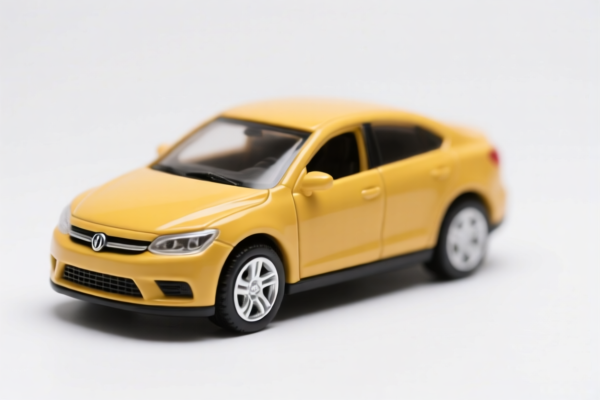
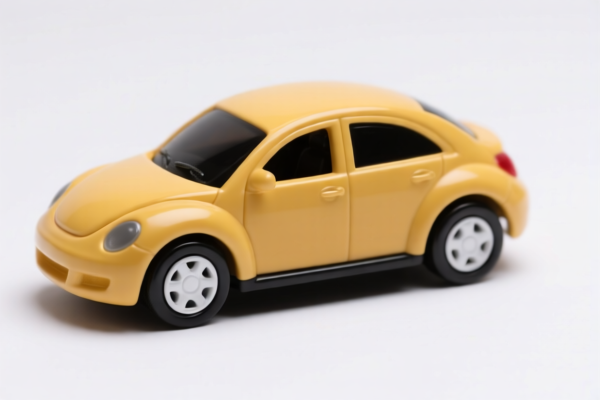
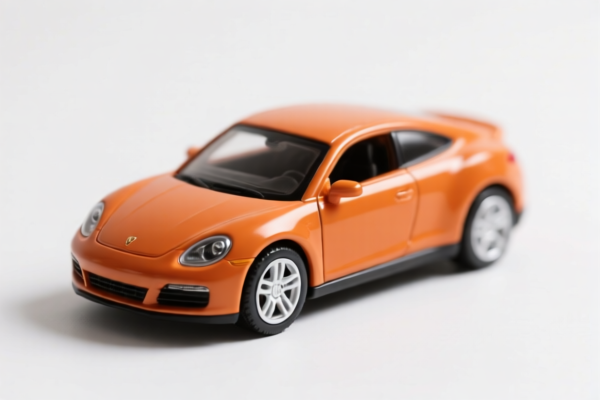
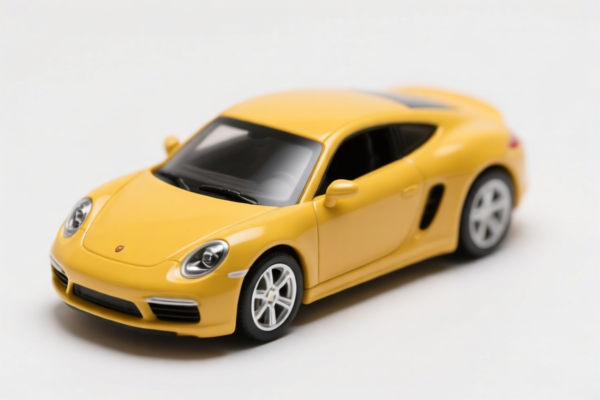
AI Analysis
🚗 Plastic Toy Car (塑料玩具车) – Global Customs & Tax Clearance Guide 2026
🌐 HS Code Reference & Clearance Strategy | Expert-Level Classification & Duty Analysis
📌 一、Product Definition & Classification Logic: Is It a "Toy" or a "Plastic Product"?
The Plastic Toy Car sits in a fascinating intersection of trade regulations. Depending on its primary function, design intent, and detailed composition, it can be classified in two distinct ways:
-
🧸 Toy Classification (Chapter 95):
- Focus: The item is designed primarily for play, entertainment, or as a child's model.
- Key Feature: Clearly identifiable as a toy vehicle (e.g., remote-controlled, push-along, die-cast style) intended for children (typically 3-12 years).
- Outcome: Lower duty rates, specifically targeting the "Toys" category.
-
🧱 Plastic Product Classification (Chapter 39):
- Focus: The item is treated as a generic plastic article or a decorative/entertainment item where the "toy" aspect is secondary or the classification falls under a "catch-all" plastic category.
- Key Feature: If the item lacks clear toy-specific features (e.g., it's a generic plastic model, or customs authorities deem the primary material value as plastic rather than the toy function).
- Outcome: Higher duty rates due to "Other Plastic Articles" and potential anti-dumping/Section 301 penalties.
⚠️ Critical Distinction:
- Toy Mode: If it's unmistakably a toy for kids → HS Code 9503 (Lower Tax: 10%)
- Plastic Mode: If it's a "plastic article" (decoration/general use) → HS Code 3926 (Higher Tax: 15.3% - 22.8%)
📦 二、HS Code Classification Details (2026 Tariff Schedule)
| HS Code | Product Description | Applicable Scenario | Material Focus | Tax Rate |
|---|---|---|---|---|
9503.00.00.73 |
Plastic Toy Cars (General Toy Category) | Fits the 3-12 age group; standard toy vehicles. | Plastic, Toy Function | 10.0% |
3926.40.00.90 |
Plastic Toy Cars (Decorative/Entertainment Articles) | Classified as general plastic articles; decorative or non-specific toy. | Plastic, Decorative | 15.3% |
3926.90.99.89 |
Plastic Toy Cars (Catch-all Plastic Category) | Other plastic articles; includes toys but grouped under "Other" plastic. | Plastic, General | 22.8% |
9503.00.00.71 |
Plastic Toy Cars (Model/Toy Vehicle Category) | Model cars, specific toy vehicle types; standard plastic material. | Plastic, Model/Toy | 10.0% |
| Note | Plastic Dolls (Similar Logic) | For reference: Plastic dolls fall under 9503.00.00.73 (10.0%) |
Plastic, Doll | 10.0% |
🔍 Key Insight:
-9503codes (Toy category) are the most favorable, applying a 10% total tax rate.
-3926codes (Plastic category) are riskier, ranging from 15.3% to 22.8%, due to additional anti-dumping or Section 301 surcharges.
💰 三、2026 Tariff Rate Breakdown (Detailed Duty Structure)
✅ Target Market: USA (US)
✅ Origin: China (CN)
✅ Effective Date: Current US Tariff Regime (Section 301 & Section 122)
🎯 1. 9503.00.00.73 & 9503.00.00.71 — The "Toy" Sweet Spot
Best for standard toy cars, model cars, and child-focused vehicles.
| Item | Content |
|---|---|
| Base Duty Rate | 0.0% (Standard Most-Favored-Nation rate for Toys) |
| Section 301 (122 Clause) | +10% (Specific penalty for Chinese origin goods under Section 301) |
| Additional Surcharges | 0.0% (No Section 232 or other add-ons apply here) |
| Total Tax Rate | 10.0% |
| Tax Calculation | CIF Value × 10% |
| Legal Basis | Section 301 Trade Action; Subheading 9503.00 |
📌 Explanation:
- The Base Duty is 0% because toys are generally low-tariff.
- The 10% is a specific penalty tariff (Section 122) applied to Chinese goods in this category.
- Total: Only 10% is the absolute maximum cost for this classification.
🎯 2. 3926.40.00.90 — The "Decorative/Entertainment" Plastic Route
Used when classified as a general plastic article rather than a dedicated toy.
| Item | Content |
|---|---|
| Base Duty Rate | 5.3% |
| Section 301 (122 Clause) | +0.0% (No specific 122 penalty) |
| Additional Surcharges | +10% (Standard Section 301 penalty applies) |
| Total Tax Rate | 15.3% |
| Tax Calculation | CIF Value × 15.3% |
| Legal Basis | Section 301; Subheading 3926.40 |
📌 Explanation:
- Higher base duty (5.3%) because it's treated as a "Plastic Article" rather than a "Toy".
- The 10% Section 301 penalty is added, bringing the total to 15.3%.
🎯 3. 3926.90.99.89 — The "Catch-All" Plastic Route (Highest Cost)
Used for generic plastic items where no other specific plastic category fits.
| Item | Content |
|---|---|
| Base Duty Rate | 5.3% |
| Section 301 (122 Clause) | +0.0% (No specific 122 penalty) |
| Additional Surcharges | +7.5% (Section 301 surcharge) + 10% (General penalty) |
| Total Tax Rate | 22.8% |
| Tax Calculation | CIF Value × 22.8% |
| Legal Basis | Section 301; Subheading 3926.90 |
📌 Explanation:
- This is the worst-case scenario.
- It includes a Base Duty (5.3%) + Section 301 Surcharges (7.5%) + General Penalty (10%).
- Total: 22.8%, nearly double the "Toy" classification rate!
🛠️ 四、Customs Clearance Practical Tips (Actionable Strategy)
✅ 1. Preparation Checklist (Must-Have Docs)
| Document | Requirement | Why? |
|---|---|---|
| ✅ Product Specs | ✔️ Age range (e.g., 3-12 yrs), Material (Plastic), Function (Play) | Proves it's a "Toy" (9503) vs. "Plastic Article" (3926). |
| ✅ Photos | ✔️ Clear images showing toy features (wheels, driver seat, bright colors) | Customs needs to see the "Toy" intent. |
| ✅ Packaging Artwork | ✔️ Must show "Toys for Children", warnings, age rating | Critical for 9503 classification. |
| ✅ Bill of Lading | ✔️ Consistent with Invoice | Avoids discrepancies. |
| ✅ Invoice | ✔️ Clearly state "Plastic Toy Car" (Avoid generic "Plastic Model") | Prevents misclassification as 3926. |
✅ 2. Declaration Strategy (The "Golden Rule")
🔥 "Classify as Toy, Not Plastic! Say 'Toy', Not 'Article'!"
| Scenario | Recommended Declaration | Wrong Declaration |
|---|---|---|
| Standard Toy Car | HS: 9503.00.00.73 Duty: 10% |
HS: 3926.40.00.90 Duty: 15.3% |
| Model Car/Kit | HS: 9503.00.00.71 Duty: 10% |
HS: 3926.90.99.89 Duty: 22.8% |
| Generic Plastic Figure | HS: 3926.40.00.90 Duty: 15.3% |
HS: 9503.00.00.73 Duty: 10% (Risk of audit) |
| Unclear/Decorative Item | HS: 3926.90.99.89 Duty: 22.8% |
HS: 9503.00.00.71 Duty: 10% (High risk of penalty) |
✅ 3. Special Cases & Risk Management
| Situation | Handling Advice |
|---|---|
| OEM Toys | Provide the End User name (Children's brand) and Age Range to prove it's a toy. |
| Adult Collectible Cars | If intended for adults, customs may push to 3926. Clearly state "For Collectors" but beware higher duties. |
| Mixed Shipments | If you have toys and plastic parts, separate them. Do not mix to avoid the highest rate applying to the whole shipment. |
| Section 301 Compliance | Ensure the Country of Origin is marked "Made in China" accurately. Any ambiguity triggers audits. |
🌍 五、Global Market Comparison (2026)
| Country/Region | Recommended HS Code | Total Duty | Certification | Notes |
|---|---|---|---|---|
| 🇺🇸 USA | 9503.00.00.73 |
10.0% | ASTM F963, CPC | Avoid 3926! |
| 🇨🇳 China | 9503.00.00.73 |
~0-5% | CCC | No Section 301 |
| 🇪🇺 EU | 9503.00.00 |
0% - 4% | CE, EN71 | Generally low duty |
| 🇬🇧 UK | 9503.00.00 |
0% - 5% | CE, UKCA | Post-Brexit rules |
| 🇯🇵 Japan | 9503.00.00 |
0% - 3% | PSE | Low tariffs for toys |
📌 Conclusion:
- USA is the most critical market for classification precision due to the Section 301/122 penalties.
- Misclassifying a Toy as a Plastic Article (3926) can cost you 2x more in duties.
📌 六、Common Mistakes & Pitfalls (Learn from Others)
❌ Mistake 1: Calling a "Plastic Toy Car" a "Plastic Model" or "Plastic Figure".
👉 Result: Customs reclassifies to 3926 → Duty jumps from 10% to 22.8%.
❌ Mistake 2: Omitting "Age Range" or "Toy" in the description.
👉 Result: Customs assumes it's a general plastic product → Higher duty.
❌ Mistake 3: Combining toys with plastic parts in one HS code.
👉 Result: Audit triggered → Delay, fines, or forced reclassification.
❌ Mistake 4: Using generic terms like "Plastic Goods" on the invoice.
👉 Result: 100% manual inspection → High clearance costs.
✅ Correct Approach:
"Plastic Toy Car, Remote Control, for Children 3-12 Years, ASTM F963 Certified, Model XYZ, Made in China"
🎯 Seven: Conclusion – Precision is Profit!
🎯 Remember the Mantra:
🔹 "If it's for kids, call it a TOY (9503)! 10% is the goal."
🔹 "If you call it PLASTIC (3926), you pay 15-23%! Don't leave money on the table!"
📌 Pro Tip:
If your toy car is not intended for children (e.g., adult collectible), be prepared for the 3926 classification. However, if it is a toy, aggressively defend the 9503 classification with photos, age specs, and packaging.
📣 Call to Action:
📞 Contact your Customs Broker NOW!
📄 Provide clear "Toy" documentation.
🚀 Avoid the 12.8% difference between Toy vs. Plastic duties.
💰 Save money, clear faster!
✨ Smart Customs, Smarter Business!
💼 Every cent counts. Classify right, profit bigger!
Customer Reviews
About HS Code Classification
The Harmonized System (HS) is an internationally standardized nomenclature developed by the World Customs Organization (WCO) to classify traded products. Over 200 countries use the HS system as the basis for customs tariffs, trade statistics, and import/export regulations.
Each HS code follows a hierarchical structure:
- Chapter (2 digits) — Broad category of goods (e.g., Chapter 84: Machinery and Mechanical Appliances)
- Heading (4 digits) — More specific grouping within the chapter
- Subheading (6 digits) — Internationally standardized breakdown, used by all WCO member countries
- National subdivisions (8-10 digits) — Country-specific extensions for further classification, such as US HTSUS 10-digit codes
Correct HS code classification is essential for smooth customs clearance, accurate duty payment, and compliance with trade regulations. Misclassification can lead to customs delays, overpayment of duties, or penalties.
When importing from CN to US, the applicable tariff rates may include:
- Most-Favored-Nation (MFN) rate — The standard duty rate applied to WTO members
- General rate — Applied to countries without trade agreements
- Trade remedy duties — Additional tariffs such as Section 301 (anti-dumping), Section 232 (national security), or countervailing duties
The information provided on this page is for reference purposes only. For official classification, please consult with your local customs authority or a licensed customs broker.