Plastic Venetian Blinds Grey
CN → US| HS Code | Tariff Rate | Origin | Destination | Doc |
|---|---|---|---|---|
| 3916200020 | 40.8% | CN | US | Official Doc |
| 3925305000 | 22.8% | CN | US | Official Doc |
| 3925301000 | 20.8% | CN | US | Official Doc |
| 3926305000 | 22.8% | CN | US | Official Doc |
| 3926909989 | 22.8% | CN | US | Official Doc |
Product Images
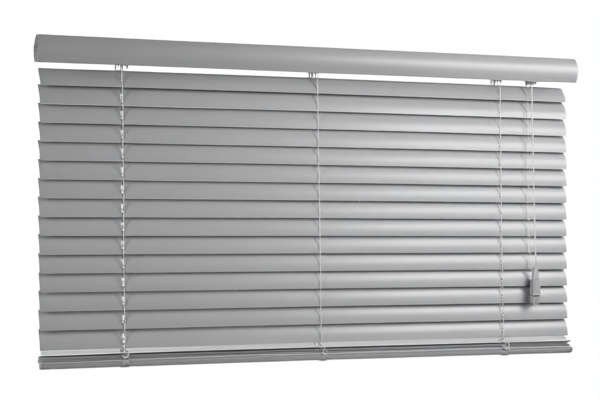
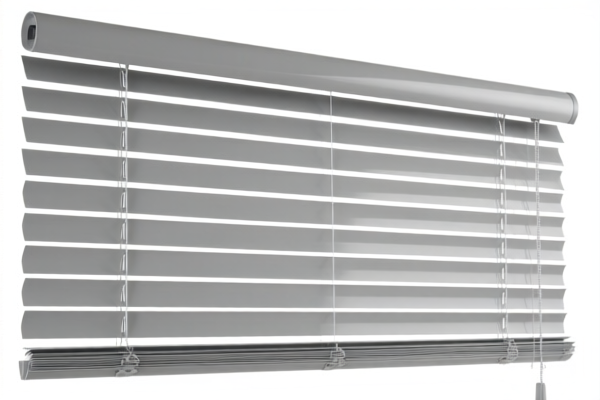
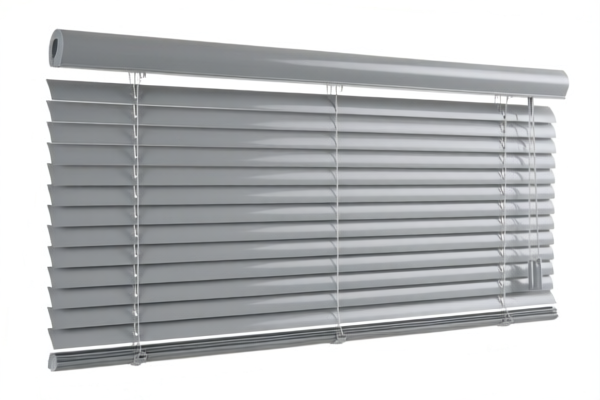
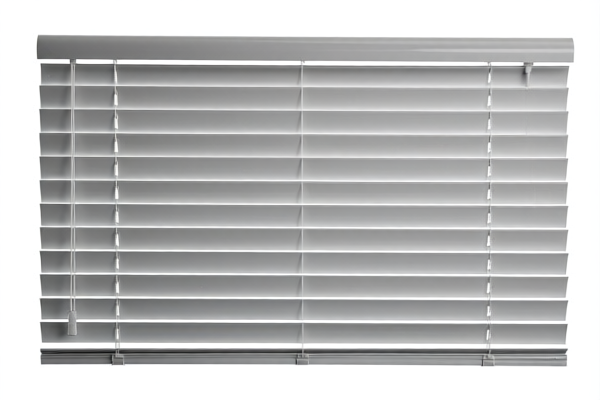
AI Analysis
🪟 Plastic Venetian Blinds Grey (Outdoor Window Blinds)
🌐 HS Code Reference & Customs Clearance Guide | 2026 Latest Tariff Analysis | Professional Classification Strategy for PVC Blinds
📌 I. Product Definition & Classification: What Exactly Are "Plastic Venetian Blinds"?
Plastic Venetian Blinds (specifically for outdoor windows) are architectural fixtures used for light control and privacy. In international trade, their classification is highly sensitive to material properties and specific application.
For Grey Plastic Venetian Blinds for Windows, the key distinction lies in whether they are classified as: 1. Raw Profiles/Extrusions: Treated as base plastic materials → Chapter 39, Heading 3916. 2. Finished Building Accessories: Treated as completed window components → Chapter 39, Heading 3925 or 3926.
⚠️ Key Distinction Point:
- If the product is defined as "Profiles of plastics" used specifically for windows (extruded slats ready for assembly or semi-finished), it may fall under 3916.20.00.20.
- If the product is a "Louvered shutter" or completed blinds unit attached to the building structure, it falls under 3925.30 (Louvered Shutters).
- If it is a generic plastic accessory not specifically defined as a shutter, it may fall under 3926.90 (Other plastics articles).
📦 II. HS Code Classification Details (2026 Latest Tariff Authority Mapping)
| HS Code | Product Description | Applicable Scenario | Classification Logic |
|---|---|---|---|
3916.20.00.20 |
Plastic profiles for windows (Extruded PVC slats) | Raw material/semi-finished profiles for window blinds | ✅ Base Material Classification: Defined as "Vinyl Chloride Polymer Profiles". |
3925.30.50.00 |
Plastic Venetian Blinds (Louvered Shutters) | Finished outdoor blinds for windows | ✅ Specific Use: Classified under "Plastic Building Accessories - Louvers/Shutters". |
3925.30.10.00 |
Plastic Venetian Blinds (Exact Match) | Outdoor window blinds, grey plastic material | ✅ Best Fit: "Consistent with classification explanation" for louvered shutters. |
3926.30.50.00 |
Plastic Blinds (Window Components) | Blinds categorized as "Other Plastic Articles" for windows | ✅ Generic Component: Falls under "Other Plastic Articles" if not strictly a shutter. |
3926.90.99.89 |
Other Plastic Articles (Blind Curtains/Fallback) | Generic plastic blind curtains or fallback category | ✅ Catch-All: "Other plastic articles" if specific blind categories don't apply. |
🔍 Critical Reminder:
- Outdoor Window Blinds are generally considered Building Accessories rather than simple household textiles or generic plastics.
- Misclassifying a finished blind unit as 3916 (Profiles) may trigger audits for under-declared tariff rates.
- Misclassifying as 3926 (Generic) may result in higher duties if a more specific heading (3925) is available.
💰 III. 2026 Latest Tariff Rate Breakdown (Including Surtaxes & Policy Add-ons)
✅ Applicable Country: United States (US)
✅ Origin: China (CN)
✅ Effective Date: Includes imports post-2025 (Section 301 & IEEPA tariffs apply)
🎯 1. 3916.20.00.20 – Plastic Profiles for Windows (Vinyl Chloride Polymers)
| Item | Content |
|---|---|
| Base Duty Rate | 5.8% (ad valorem) |
| Section 301 Surtax | +25.0% (USITC Section 301 List 3) |
| Section 122 Tax | +10.0% (Specific trade remedy tax) |
| Total Tax Rate | 40.8% |
| Tax Calculation | CIF Value × 40.8% |
| De Minimis Eligibility | ❌ NO (Denied due to high surtax rates) |
| Legal Basis Path | Section 301:3916.20.00.20 → Section 122:10% → Base:5.8% |
📌 Explanation:
- This classification treats the blinds as plastic profiles.
- The 40.8% total rate is extremely high due to the 25% Section 301 surtax.
- This is often used when customs views the product as "extruded materials" rather than a "finished building accessory."
🎯 2. 3925.30.50.00 – Plastic Louvered Shutters (Outdoor Blinds)
| Item | Content |
|---|---|
| Base Duty Rate | 5.3% (ad valorem) |
| Section 301 Surtax | +7.5% (USITC Section 301 List 4 or partial coverage) |
| Section 122 Tax | +10.0% |
| Total Tax Rate | 22.8% |
| Tax Calculation | CIF Value × 22.8% |
| De Minimis Eligibility | ❌ NO |
| Legal Basis Path | Section 301:3925.30.50.00 → Section 122:10% → Base:5.3% |
📌 Note:
- This is a building accessory classification.
- The 7.5% Section 301 rate is significantly lower than the 25% for profiles.
- This is a common classification for finished outdoor blinds.
🎯 3. 3925.30.10.00 – Plastic Louvered Shutters (Exact Match Classification)
| Item | Content |
|---|---|
| Base Duty Rate | 3.3% (ad valorem) |
| Section 301 Surtax | +7.5% |
| Section 122 Tax | +10.0% |
| Total Tax Rate | 20.8% |
| Tax Calculation | CIF Value × 20.8% |
| De Minimis Eligibility | ❌ NO |
| Legal Basis Path | Section 301:3925.30.10.00 → Section 122:10% → Base:3.3% |
📌 Best Option:
- This HS Code has the lowest base duty (3.3%).
- The 20.8% total rate is the most cost-effective for grey plastic outdoor blinds that fit the "louvered shutter" definition precisely.
- Recommendation: Use this if the product is a complete louvered unit for windows.
🎯 4. 3926.30.50.00 – Other Plastic Articles (Window Components)
| Item | Content |
|---|---|
| Base Duty Rate | 5.3% |
| Section 301 Surtax | +7.5% |
| Section 122 Tax | +10.0% |
| Total Tax Rate | 22.8% |
| Tax Calculation | CIF Value × 22.8% |
| De Minimis Eligibility | ❌ NO |
| Legal Basis Path | Section 301:3926.30.50.00 → Section 122:10% → Base:5.3% |
📌 Note:
- Classified as "Window Connection or Component."
- Higher base duty than3925.30.10.00, but same total as3925.30.50.00.
🎯 5. 3926.90.99.89 – Other Plastic Articles (Fallback/Catch-All)
| Item | Content |
|---|---|
| Base Duty Rate | 5.3% |
| Section 301 Surtax | +7.5% |
| Section 122 Tax | +10.0% |
| Total Tax Rate | 22.8% |
| Tax Calculation | CIF Value × 22.8% |
| De Minimis Eligibility | ❌ NO |
| Legal Basis Path | Section 301:3926.90.99.89 → Section 122:10% → Base:5.3% |
📌 Warning:
- This is the "Other Articles" fallback.
- While the rate is 22.8%, using a generic code for a specific product like "Venetian Blinds" can lead to customs holds for lacking specificity.
- Only use if no other specific building accessory code applies.
🛠️ IV. Customs Clearance Practical Advice (Avoiding Pitfalls)
✅ 1. Required Documentation Checklist (Mandatory)
| Document | Must Provide | Description |
|---|---|---|
| ✅ Product Specification Sheet | ✔️ | Material (PVC/Plastic), Color (Grey), Dimensions, Slat Width, Operation Type (Cord/ Wand). |
| ✅ Product Photos | ✔️ | Clear images showing the louvered structure, branding, and installation context. |
| ✅ Commercial Invoice | ✔️ | Must explicitly state: "Plastic Venetian Blinds for Outdoor Windows, Grey, PVC Material." |
| ✅ Packing List | ✔️ | Detailing units per carton, gross/net weight. |
| ✅ Certificate of Origin (CO) | ✔️ | If applicable for any potential future exemptions, though unlikely for China origin here. |
| ✅ Structure Diagram | ✔️ | Helpful if customs questions whether it is a "profile" (3916) or "shutter" (3925). |
✅ 2. Declaration Tips (Key Strategy)
🔥 "Define as Shutters, Not Profiles; Avoid Generic Fallback!"
| Scenario | Correct Declaration | Incorrect Declaration |
|---|---|---|
| Finished Outdoor Blinds | 3925.30.10.00 (Louvers/Shutters) |
3916.20.00.20 (Profiles) → 40.8% Tax |
| Raw PVC Slats for Assembly | 3916.20.00.20 (Profiles) |
3925.30.10.00 → Under-declared tax |
| Generic Plastic Blinds | 3926.90.99.89 (Last resort) |
3925.30.10.00 → If not truly a shutter |
📌 Key Strategy:
- Best for Cost:3925.30.10.00(20.8% total).
- Risk: Must prove it is a building accessory (window blind), not just plastic strips.
- Avoid:3916.20.00.20unless you are importing unassembled extruded profiles for final assembly abroad, as the tax is nearly double.
✅ 3. Special Circumstances Handling
| Situation | Handling Advice |
|---|---|
| OEM Custom Blinds | Provide design specs showing louver structure to support 3925.30 classification. |
| Mixed Packaging (Blinds + Mounting Hardware) | Declare as one unit (Blinds + Hardware) under 3925.30.10.00 if hardware is minor. Do not split. |
| Grey Color Specification | Explicitly state "Grey" in description to match commercial invoices, but color does not affect HS Code. |
| Outdoor vs. Indoor Use | Emphasize "Outdoor" use in description to justify Building Accessory (3925) classification over household goods. |
🌍 V. Global Market Comparison (2026 Latest)
| Country/Region | Recommended HS Code | Duty Rate | Certification | Notes |
|---|---|---|---|---|
| 🇺🇸 USA | 3925.30.10.00 |
20.8% | No special | Lowest US rate. Avoid 3916 (40.8%). |
| 🇨🇳 China | 3925.30.10.00 |
5% | None | Standard import duty. |
| 🇪🇺 EU | 3925.30.10.00 |
6.5% | CE (if plastic additive) | No Section 301 tax. |
| 🇬🇧 UK | 3925.30.10.00 |
6.5% | UKCA | Post-Brexit tariff. |
📌 Conclusion:
- USA has the most complex tariff structure due to Section 301 and Section 122 taxes.
- China-origin plastic blinds face 20.8%-40.8% duties in the US.
- Choosing3925.30.10.00saves 20% compared to profile classification.
📌 VI. Common Errors & Pitfalls (Lessons Learned)
❌ Error 1: Classifying finished blinds as 3916.20.00.20 (Profiles).
👉 Consequence: 40.8% Tax instead of 20.8%. Overpaid by $20 per $100 value!
❌ Error 2: Classifying as 3926.90.99.89 (Generic) without justification.
👉 Consequence: Customs may reject for lack of specificity, leading to delays and audits.
❌ Error 3: Describing as "Plastic Curtains".
👉 Consequence: May be misclassified under 6303 (Textiles), leading to incorrect duty and penalties.
❌ Error 4: Ignoring Section 122 Tax.
👉 Consequence: All listed rates above include 10% Section 122 tax. Forgetting this leads to under-declaration.
✅ Correct Practice:
"Plastic Venetian Blinds, Grey, PVC Material, Outdoor Window Louvers, HS 3925.30.10.00"
🎯 VII. Conclusion: Professional Declaration, Cost Savings, Compliance!
🎯 Remember This Strategy:
🔹 "Blinds = Louvers (3925), Not Profiles (3916)."
🔹 Target HS Code:3925.30.10.00for lowest tax (20.8%).
🔹 Avoid3916.20.00.20unless you are shipping raw profiles.
🔹 Always include Section 122 (10%) in your cost calculation.
📌 Pro Tip:
If your Plastic Venetian Blinds are assembled and ready for installation, INSIST on
3925.30.10.00.
Provide photos of the installed product to support your declaration.
This can save you 20% in duties compared to the profile classification.
📣 Immediate Action:
📞 Contact your customs broker to confirm
3925.30.10.00eligibility.
📄 Update your product description to emphasize "Louvered Shutters" and "Window Accessories."
🚀 Optimize your supply chain to minimize landed costs in the US market!
✨ Professional Classification Saves Money!
💼 Every 1% of duty saved is pure profit!
Customer Reviews
About HS Code Classification
The Harmonized System (HS) is an internationally standardized nomenclature developed by the World Customs Organization (WCO) to classify traded products. Over 200 countries use the HS system as the basis for customs tariffs, trade statistics, and import/export regulations.
Each HS code follows a hierarchical structure:
- Chapter (2 digits) — Broad category of goods (e.g., Chapter 84: Machinery and Mechanical Appliances)
- Heading (4 digits) — More specific grouping within the chapter
- Subheading (6 digits) — Internationally standardized breakdown, used by all WCO member countries
- National subdivisions (8-10 digits) — Country-specific extensions for further classification, such as US HTSUS 10-digit codes
Correct HS code classification is essential for smooth customs clearance, accurate duty payment, and compliance with trade regulations. Misclassification can lead to customs delays, overpayment of duties, or penalties.
When importing from CN to US, the applicable tariff rates may include:
- Most-Favored-Nation (MFN) rate — The standard duty rate applied to WTO members
- General rate — Applied to countries without trade agreements
- Trade remedy duties — Additional tariffs such as Section 301 (anti-dumping), Section 232 (national security), or countervailing duties
The information provided on this page is for reference purposes only. For official classification, please consult with your local customs authority or a licensed customs broker.