Plastic Wall Cable
CN → US| HS Code | Tariff Rate | Origin | Destination | Doc |
|---|---|---|---|---|
| 8536908585 | 85.0% | CN | US | Official Doc |
| 3925100000 | 41.3% | CN | US | Official Doc |
| 3925900000 | 40.3% | CN | US | Official Doc |
| 3917290090 | 38.1% | CN | US | Official Doc |
| 3917390050 | 38.1% | CN | US | Official Doc |
| 8536908510 | 35.0% | CN | US | Official Doc |
Product Images

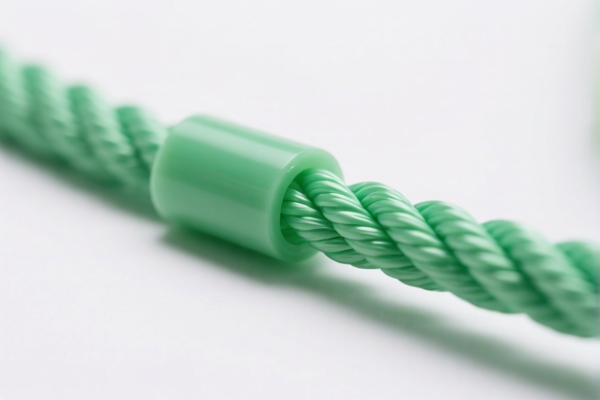


AI Analysis
🏗️ Plastic Wall Cable Conduit/Tray (Cable Raceways)
🌐 HS Code Reference & Customs Clearance Guide | 2026 Latest Tariff Analysis | Professional Clearance Strategy
📌 I. Product Definition and Classification: Do You Really Understand "Plastic Wall Cable Conduits"?
Plastic cable conduits (often referred to as cable raceways, cable trunking, or wire channels) are essential components in electrical infrastructure. They are used to organize, protect, and route electrical wiring and data cables along walls, ceilings, or floors. In international trade, their classification depends heavily on whether they are viewed as electrical accessories or plastic building components.
⚠️ Key Distinction Point:
- If classified under Chapter 85 (Electrical Machinery): They are seen as "parts/accessories of electrical apparatus" for protection/connection.
- If classified under Chapter 39 (Plastics): They are seen as "plastic tubes, pipes, and fittings" or "plastic building goods."
📦 II. HS Code Classification Details (2026 Latest Tariff Authority Comparison)
Based on the provided data, here are the 6 possible HS Code classifications for "Plastic Wall Cable Conduit/Tray" and the reasons for each:
| HS Code | Product Description | Reason for Classification | Total Tax Rate (Approx.) |
|---|---|---|---|
8536.90.85.85 |
Other Electrical Apparatus Parts | Classified as an accessory for electrical connection/protection. Falls under "Other electrical apparatus." | 85.0% |
3925.10.00.00 |
Plastic Building Components | Classified as a plastic building component for electrical wiring installation. | 41.3% |
3925.90.00.00 |
Other Plastic Building Components | Classified as other plastic building goods used for wire routing/installation. | 40.3% |
3917.29.00.90 |
Plastic Pipes and Fittings (Rigid) | Classified as plastic pipes/fittings without specific length limits (rigid type). | 38.1% |
3917.39.00.50 |
Other Plastic Tubes/Hoses | Classified as variable variants or accessories of plastic tubes/hoses. | 38.1% |
8536.90.85.10 |
Electrical Conduit (Fallback) | Classified as electrical conduit, using the "catch-all" principle for other devices. | 35.0% |
🔍 Critical Insight:
- The tax rate ranges from 35.0% to 85.0%, a massive difference. - Lower Tax Strategies: Look towards Chapter 39 (Plastics) or Electrical Conduit under Chapter 85 with lower base duties. - Highest Risk:8536.90.85.85has a 0% base duty but suffers from heavy additional tariffs (25% + 10% + 50% on steel/aluminum/copper parts if applicable, though plastic is key here, the total sums to 85%). Note: The data shows 85% total for this code, likely due to high additive tariffs.
💰 III. 2026 Latest Tariff Rate Breakdown (Including Additional Taxes)
✅ Applicable Country: United States (US)
✅ Country of Origin: China (CN)
✅ Effective Date: From November 10, 2025 (and subsequent imports)
🎯 1. 8536.90.85.85 — Other Electrical Apparatus Parts (Highest Tax)
| Item | Details |
|---|---|
| Base Duty Rate | 0.0% |
| USITC Additional Duty (Section 301) | +25.0% |
| 122 Clause Duty | +10.0% |
| Steel/Aluminum/Copper Products Duty | +50.0% (Note: Only if metallic parts exceed threshold; plastic conduits may still be affected if deemed part of the assembly) |
| Total Tax Rate | 85.0% |
| Tax Calculation | CIF Value × 85% |
| De Minimis Exemption | ❌ Not Eligible |
| Legal Basis | USITC:8536.90.85.85 → Footnote: Section 301 + 122 Clause |
📌 Explanation:
- This classification treats the conduit as a general electrical accessory. - The 0% base duty is misleading; the additive tariffs (25% + 10% + 50%) result in a catastrophic 85% total tax. - Avoid this code unless there is a specific exemption or legal argument that it is purely a plastic building component.
🎯 2. 3925.10.00.00 — Plastic Building Components
| Item | Details |
|---|---|
| Base Duty Rate | 6.3% |
| USITC Additional Duty (Section 301) | +25.0% |
| 122 Clause Duty | +10.0% |
| Total Tax Rate | 41.3% |
| Tax Calculation | CIF Value × 41.3% |
| De Minimis Exemption | ❌ Not Eligible |
| Legal Basis | USITC:3925.10.00.00 → Footnote: Section 301 + 122 Clause |
📌 Explanation:
- Classified as a plastic building component. - Significantly lower than 85%, but still high due to 301 tariffs. - Suitable if the product is marketed as part of the building's electrical infrastructure.
🎯 3. 3925.90.00.00 — Other Plastic Building Components
| Item | Details |
|---|---|
| Base Duty Rate | 5.3% |
| USITC Additional Duty (Section 301) | +25.0% |
| 122 Clause Duty | +10.0% |
| Total Tax Rate | 40.3% |
| Tax Calculation | CIF Value × 40.3% |
| De Minimis Exemption | ❌ Not Eligible |
| Legal Basis | USITC:3925.90.00.00 → Footnote: Section 301 + 122 Clause |
📌 Explanation:
- A "catch-all" for plastic building components not elsewhere specified. - 1.0% lower than3925.10.00.00due to a lower base duty (5.3% vs 6.3%).
🎯 4. 3917.29.00.90 — Plastic Pipes and Fittings (Rigid)
| Item | Details |
|---|---|
| Base Duty Rate | 3.1% |
| USITC Additional Duty (Section 301) | +25.0% |
| 122 Clause Duty | +10.0% |
| Total Tax Rate | 38.1% |
| Tax Calculation | CIF Value × 38.1% |
| De Minimis Exemption | ❌ Not Eligible |
| Legal Basis | USITC:3917.29.00.90 → Footnote: Section 301 + 122 Clause |
📌 Explanation:
- Classified as rigid plastic pipes/fittings. - Lower base duty (3.1%) makes it more competitive than building components. - Strong argument if the conduit is sold as a "pipe" for wire routing.
🎯 5. 3917.39.00.50 — Other Plastic Tubes/Hoses
| Item | Details |
|---|---|
| Base Duty Rate | 3.1% |
| USITC Additional Duty (Section 301) | +25.0% |
| 122 Clause Duty | +10.0% |
| Total Tax Rate | 38.1% |
| Tax Calculation | CIF Value × 38.1% |
| De Minimis Exemption | ❌ Not Eligible |
| Legal Basis | USITC:3917.39.00.50 → Footnote: Section 301 + 122 Clause |
📌 Explanation:
- Similar to3917.29.00.90, but for other tube/hose variants. - Same total tax (38.1%). Use if the product is flexible or non-rigid.
🎯 6. 8536.90.85.10 — Electrical Conduit (Lowest Tax Option)
| Item | Details |
|---|---|
| Base Duty Rate | 0.0% |
| USITC Additional Duty (Section 301) | +25.0% |
| 122 Clause Duty | +10.0% |
| Steel/Aluminum/Copper Products Duty | +0.0% (Not applicable or not included in this specific fallback) |
| Total Tax Rate | 35.0% |
| Tax Calculation | CIF Value × 35.0% |
| De Minimis Exemption | ❌ Not Eligible |
| Legal Basis | USITC:8536.90.85.10 → Footnote: Section 301 + 122 Clause |
📌 Explanation:
- The Optimal Code! Classified as "Electrical Conduit" under a fallback category. - 0% base duty + 25% + 10% = 35% Total. - This is 50% lower than the highest code (8536.90.85.85). - Justification: It is explicitly a conduit for electrical wires, fitting the "other devices" catch-all with lower additive tariffs.
🛠️ IV. Customs Clearance Practical Advice (Pitfall Avoidance Guide)
✅ 1. Document Checklist (Essential)
| Document | Required | Notes |
|---|---|---|
| ✅ Product Specification Sheet | ✔️ | Must clearly state material (PVC/ABS/HDPE), dimensions, and usage (cable management). |
| ✅ Product Photos | ✔️ | Show cross-section, connectors, and any mounting hardware. |
| ✅ Commercial Invoice | ✔️ | Describe as "Plastic Electrical Conduit" or "Cable Raceway," not just "Plastic Pipe." |
| ✅ Origin Certificate | ✔️ | Confirm Country of Origin to apply correct Section 301 tariffs. |
| ✅ Packing List | ✔️ | Ensure packaging details match invoice. |
✅ 2. Declaration Strategy (Key Tips)
🔥 "Conduit over Component, Lower Base Duty Saves Money!"
| Scenario | Recommended HS Code | Reason |
|---|---|---|
| Standard Plastic Cable Tray/Conduit | 8536.90.85.10 |
Best Rate (35%). Explicitly for electrical conduit. |
| Sold as Building Material | 3925.10.00.00 or 3925.90.00.00 |
Rates 40.3%-41.3%. Use if marketed as part of building infrastructure. |
| Rigid Plastic Pipe for Wiring | 3917.29.00.90 |
Rate 38.1%. Good alternative if conduit is pipe-shaped. |
| Generic Electrical Accessory | 8536.90.85.85 |
AVOID (85%). High tariffs make it uncompetitive. |
✅ 3. Special Cases
| Case | Handling Advice |
|---|---|
| OEM/Custom Sizes | Provide drawings to prove it's a "conduit" rather than a generic pipe. |
| Metal-Reinforced Plastic | If metal parts exceed 50% by weight, 122 Clause and Steel/Aluminum tariffs may apply, pushing tax to 85%. Keep it <50% metal for lower rates. |
| Bundle Sales | If sold with wires, declare separately. Bundling may trigger complex classification. |
🌍 V. Global Market Comparison (2026 Update)
| Country/Region | Recommended HS Code | Estimated Tax (China Origin) | Notes |
|---|---|---|---|
| 🇺🇸 USA | 8536.90.85.10 |
35.0% | Best option under provided data. |
| 🇺🇸 USA | 3917.29.00.90 |
38.1% | Alternative if electrical classification is challenged. |
| 🇨🇳 China | 3917.29.00.90 |
~6.3% | No Section 301 tariffs. |
| 🇪🇺 EU | 3917.29.00.90 |
~6.0% | No Section 301 tariffs. |
📌 Conclusion:
- The USA market is highly sensitive to Section 301 and 122 Clause tariffs. - Choosing the right HS Code can save 50% in taxes (35% vs 85%). - Recommendation: Classify as8536.90.85.10(Electrical Conduit) or3917.29.00.90(Plastic Pipe) to minimize costs.
📌 VI. Common Mistakes & Pitfalls (Lessons Learned)
❌ Mistake 1: Using 8536.90.85.85 (Other Electrical Parts)
👉 Consequence: 85% Tax. Massive cost increase.
💡 Fix: Use 8536.90.85.10 (Electrical Conduit) for 35%.
❌ Mistake 2: Ignoring Material Composition
👉 Consequence: If metal parts are significant, 122 Clause and Steel/Aluminum tariffs apply.
💡 Fix: Ensure metal content is <50% by weight if claiming plastic classification.
❌ Mistake 3: Vague Description "Plastic Box"
👉 Consequence: Customs may assign worst-case classification.
💡 Fix: Use precise terms: "PVC Electrical Cable Conduit," "Cable Raceway for Wiring."
✅ Correct Declaration Example:
"PVC Plastic Electrical Conduit, Rectangular Cross-Section, for Mounting on Walls, Model XYZ, No Metallic Components >10%"
🎯 VII. Conclusion: Smart Classification, Higher Profits!
🎯 Remember the Golden Rule:
🔹 "Conduit over Component, 35% beats 85%!"
🔹 "Check metal content! Keep it plastic to avoid 122 Clause!"
🔹 "HS Code decides profit margin. Choose wisely!"
📌 Pro Tip:
If you are shipping to the USA, consider Advance Ruling (Pre-classification) with US Customs and Border Protection (CBP) to lock in the 35% or 38% rate and avoid disputes at the border.
📣 Immediate Action:
📞 Consult your customs broker with the recommended HS Code
8536.90.85.10or3917.29.00.90.
🚀 Optimize your supply chain. Save 50% in tariffs. Boost your profit!
✨ Professional clearance starts with precise classification!
💼 Every cent saved is pure profit!
Customer Reviews
About HS Code Classification
The Harmonized System (HS) is an internationally standardized nomenclature developed by the World Customs Organization (WCO) to classify traded products. Over 200 countries use the HS system as the basis for customs tariffs, trade statistics, and import/export regulations.
Each HS code follows a hierarchical structure:
- Chapter (2 digits) — Broad category of goods (e.g., Chapter 84: Machinery and Mechanical Appliances)
- Heading (4 digits) — More specific grouping within the chapter
- Subheading (6 digits) — Internationally standardized breakdown, used by all WCO member countries
- National subdivisions (8-10 digits) — Country-specific extensions for further classification, such as US HTSUS 10-digit codes
Correct HS code classification is essential for smooth customs clearance, accurate duty payment, and compliance with trade regulations. Misclassification can lead to customs delays, overpayment of duties, or penalties.
When importing from CN to US, the applicable tariff rates may include:
- Most-Favored-Nation (MFN) rate — The standard duty rate applied to WTO members
- General rate — Applied to countries without trade agreements
- Trade remedy duties — Additional tariffs such as Section 301 (anti-dumping), Section 232 (national security), or countervailing duties
The information provided on this page is for reference purposes only. For official classification, please consult with your local customs authority or a licensed customs broker.