Plastic Wall Cloth (Fabric Reinforced)
CN → US| HS Code | Tariff Rate | Origin | Destination | Doc |
|---|---|---|---|---|
| 3918103210 | 41.5% | CN | US | Official Doc |
| 3918103110 | 39.2% | CN | US | Official Doc |
| 5911101000 | 37.9% | CN | US | Official Doc |
| 5911900080 | 38.8% | CN | US | Official Doc |
| 3918103210 | 41.5% | CN | US | Official Doc |
Product Images
AI Analysis
🧱 Plastic Wall Cloth (Fabric Reinforced)
[Floor Coverings of Plastics; Wall or Ceiling Coverings of Plastics]
🌐 HS Code Reference & Customs Clearance Guide | 2026 Latest Tariff Analysis | Professional Clearance Strategy
📌 I. Product Definition & Classification: Do You Really Understand "Plastic Wall Cloth"?
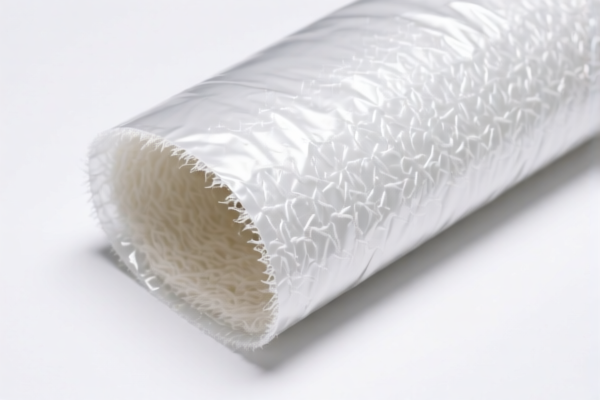
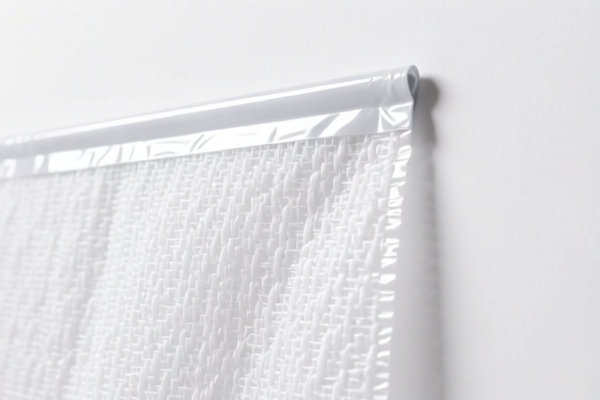
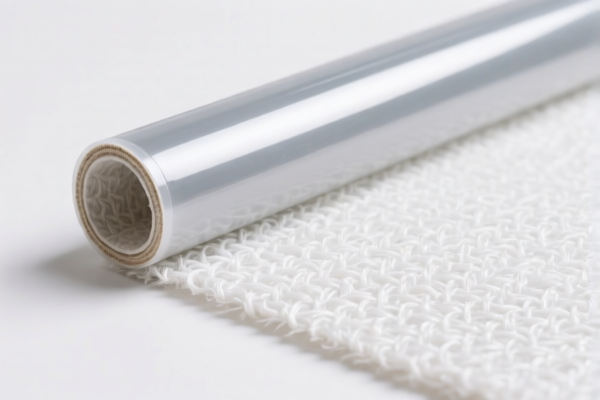
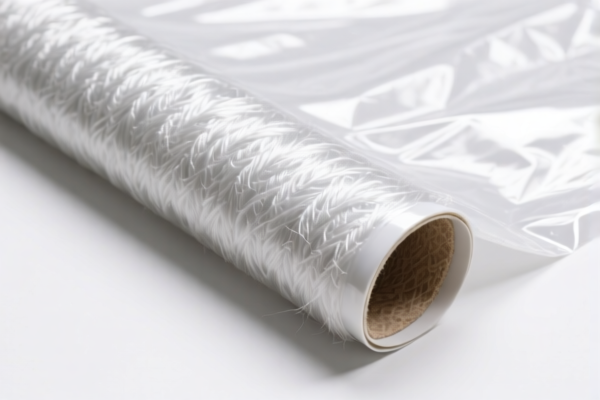
Plastic Wall Cloth (Fabric Reinforced), often referred to as PVC Wallcovering or Textile-backed Plastic Wall Covering, is a decorative building material used for interior walls and ceilings. In international trade, it is strictly categorized under Chapter 39 (Plastics and Articles Thereof).
It is defined as: * Base Material: Polymers of Vinyl Chloride (PVC). * Structure: A plastic layer backed by textile fibers (fabric). * Form: Supplied in rolls or tiles.
⚠️ Key Distinction Point:
The HS Code classification hinges entirely on the composition of the backing fiber and the plastic content percentage. * If the backing is Man-made fibers (synthetic like polyester, nylon) and the plastic content is >70% by weight → It falls under one specific subheading. * If the backing is Man-made fibers but does not meet the >70% plastic threshold (or is "Other") → It falls under a different subheading with significantly higher tariffs.
📦 II. HS Code Classification Details (2026 Latest Tariff Authoritative Comparison)
Based on the provided data, there are two possible HS Codes depending on the precise physical properties (specifically plastic weight percentage) of the product.
| HS Code | Product Description | Applicable Scenario | Key Differentiator |
|---|---|---|---|
| 3918.10.31.10 | Wall or ceiling coverings of plastics, with backing of man-made fibers, >70% by weight of plastics | High-plastic content PVC wallpapers, heavy-duty vinyl wall cloths with synthetic backing. | ✅ Plastic > 70% by weight |
| 3918.10.32.10 | Other wall or ceiling coverings of plastics, with backing of man-made fibers, Woven | PVC wall cloths where plastic content is ≤70%, or mixed materials not meeting the high-plastic threshold. | ❌ Plastic ≤ 70% or "Other" |
🔍 Important Note:
- Both codes require the backing to be man-made fibers (e.g., polyester, polyamide). If the backing were natural fibers (cotton, jute), the classification would change entirely (to 3918.10.39). - Do not misclassify: Do not classify these as "Textile Wall Coverings" (Chapter 59/63) or "Paper Wallpapers" (Chapter 48). The presence of PVC as the primary material dictates Chapter 39.
💰 III. 2026 Latest Tariff Rate Details (Including Additional Taxes & Policy Add-ons)
✅ Applicable Country: United States (US)
✅ Country of Origin: China (CN) (Based on tax rates provided in data: 0% base + 25% additional implies US-China trade context)
✅ Effective Time: Current/2026 Period
🎯 1. 3918.10.31.10 —— High-Plastic Content Wall Coverings
| Item | Content |
|---|---|
| Base Tariff | 0.0% |
| Additional Tariff (Section 301) | 0.0% |
| Total Tax Rate | 0.0% |
| Tax Calculation | CIF Value × 0.0% = $0 |
| De Minimis Eligibility | N/A (Usually for low-value shipments, but rate is 0 anyway) |
| Legal Basis | HTSUS 3918.10.31.10 |
📌 Explanation:
- This product enjoys a Zero Duty status. - It is exempt from the punitive Section 301 tariffs that often apply to other plastic goods from China. - Cost Advantage: This is the most tariff-efficient classification for PVC wall coverings with high plastic content.
🎯 2. 3918.10.32.10 —— Other Fabric-Reinforced Wall Coverings
| Item | Content |
|---|---|
| Base Tariff | 6.5% (Ad Valorem) |
| Additional Tariff (Section 301) | 25.0% |
| Total Tax Rate | 31.5% |
| Tax Calculation | CIF Value × 31.5% |
| De Minimis Eligibility | ❌ Not Eligible (Standard commercial shipment) |
| Legal Basis | HTSUS 3918.10.32.10 |
📌 Explanation:
- This classification triggers a 31.5% total duty burden. - The 6.5% is the standard Most Favored Nation (MFN) rate. - The 25% is the Section 301 retaliatory tariff on Chinese goods. - Risk: This rate can severely erode profit margins for imported decorative materials.
🛠️ IV. Customs Clearance Practical Advice (Battle-Tested Pitfall Avoidance Guide)
✅ 1. Documentation Checklist (Essential for Clearance)
| Document | Required | Description |
|---|---|---|
| ✅ Commercial Invoice | ✔️ | Must clearly state: "Wall Covering, PVC Polymer, Backed by Man-Made Fibers" |
| ✅ Packing List | ✔️ | Detail roll dimensions, weight, and quantity. |
| ✅ Product Specification Sheet | ✔️ | CRITICAL: Must include Plastic Weight Percentage. |
| ✅ Material Composition Test Report | ✔️ | Third-party lab report proving the backing is Man-Made Fibers (not natural) and confirming if plastic content is >70%. |
| ✅ Photos of Product | ✔️ | Show texture, backing material close-up, and packaging. |
✅ 2. Declaration Strategy (Key Mnemonics)
🔥 “Backings Matter: Man-Made, Then Check the Weight!”
| Scenario | Correct HS Code | Tariff Rate | Why? |
|---|---|---|---|
| PVC Wall Cloth + Polyester Backing + >70% PVC Weight | 3918.10.31.10 |
0.0% | Meets the high-plastic threshold exemption. |
| PVC Wall Cloth + Polyester Backing + ≤70% PVC Weight | 3918.10.32.10 |
31.5% | Falls into "Other" category, subject to 25% penalty tariff. |
| PVC Wall Cloth + Cotton Backing | ❌ Not Listed | ⚠️ Different Code | Would likely fall under 3918.10.39 (Natural Fiber), requiring separate verification. |
| Vinyl Floor Tiles (Not Wall) | ❌ Wrong Chapter | ⚠️ Check Ch. 39.18 | Ensure it's "Wall/Ceiling" not "Floor" (though codes are similar, descriptions differ). |
✅ 3. Special Situations & Handling
| Situation | Handling Suggestion |
|---|---|
| Mixed Backings | If the product has multiple layers, the outermost/backing textile determines the subheading. Ensure the report specifies the backing material. |
| "Fabric Reinforced" Ambiguity | Do not just say "Fabric." Specify "Synthetic/Man-Made Fibers" (e.g., Polyester, Polypropylene). If it's 100% Cotton, it is NOT eligible for 3918.10.31.10 or .32.10. |
| Plastic Content Borderline | If your plastic content is 69-71%, a small manufacturing variance could push it into the 31.5% bracket. Aim for >72% to be safe and provide lab tests. |
| Self-Adhesive Rolls | The data includes "whether or not self-adhesive." Self-adhesive property does not change the HS Code from the base PVC Wallcovering code. |
🌍 V. Global Market Comparison (2026 Snapshot)
| Country/Region | Recommended HS Code | Tariff (China Origin) | Notes |
|---|---|---|---|
| 🇺🇸 USA | 3918.10.31.10 |
0.0% | Optimal Choice. Avoid .32.10 (31.5%). |
| 🇺🇸 USA | 3918.10.32.10 |
31.5% | High cost. Only use if plastic content <70%. |
| 🇪🇺 EU | 3918.10.31 | ~4.5% (Varies) | Check EU TARIC for exact annual changes. No Section 301 equivalent. |
| 🇨🇳 China (Import) | 3918.10.31 | ~6-9% | General Import Tariff. Different from US export tariff. |
📌 Conclusion:
For exports to the USA, the distinction between >70% plastic and <70% plastic is a $0 vs $31.5 per $100 difference. Precision in material declaration is paramount.
📌 VI. Common Mistakes & Pitfalls (Lessons Learned)
❌ Mistake 1: Labeling as "Vinyl Wallcovering" without specifying backing material.
👉 Consequence: Customs may classify as "Other" (default) or request extensive lab testing, delaying clearance by weeks.
❌ Mistake 2: Assuming all PVC wallpapers are the same.
👉 Consequence: Declaring >70% plastic product as "Other" (.32.10) leads to overpayment (0% vs 31.5%). Conversely, declaring ≤70% as high-plastic (.31.10) leads to fraud penalties and back taxes.
❌ Mistake 3: Ignoring the "Man-Made Fiber" requirement.
👉 Consequence: If the backing is cotton, it cannot use the codes in the provided data. It will be misclassified, leading to rejection or re-assessment.
✅ Correct Practice:
"PVC Wall Covering, Rolls, Backing: 100% Polyester (Man-Made), Plastic Content: 75% by Weight, Self-Adhesive Option."
🎯 VII. Conclusion: Professional Declaration, Cost Savings!
🎯 Remember the Golden Rule:
🔹 "Backings: Man-Made Only. Plastic: Over 70%? Tax is Zero! Under 70%? Tax is High!"
🔹 "Get a Lab Test for Weight Percent. Save 31.5% of your value!"
📌 Pro Tip:
Before shipping, request a Pre-Ruling (Advance Ruling) from US Customs and Border Protection (CBP) if the plastic content is borderline. Provide them with a sample and a material breakdown. This provides legal certainty and protects you from post-entry audits.
📣 Immediate Action:
📞 Contact your material supplier for a Weight Percentage Analysis Report.
📄 Ensure your Invoice says "Man-Made Fiber Backing, >70% PVC".
🚀 Clear your goods at 0% Duty, not 31.5%!
✨ Professional Clearance Starts with Accurate Classification!
💼 Your margin depends on the right HS Code!
Customer Reviews
About HS Code Classification
The Harmonized System (HS) is an internationally standardized nomenclature developed by the World Customs Organization (WCO) to classify traded products. Over 200 countries use the HS system as the basis for customs tariffs, trade statistics, and import/export regulations.
Each HS code follows a hierarchical structure:
- Chapter (2 digits) — Broad category of goods (e.g., Chapter 84: Machinery and Mechanical Appliances)
- Heading (4 digits) — More specific grouping within the chapter
- Subheading (6 digits) — Internationally standardized breakdown, used by all WCO member countries
- National subdivisions (8-10 digits) — Country-specific extensions for further classification, such as US HTSUS 10-digit codes
Correct HS code classification is essential for smooth customs clearance, accurate duty payment, and compliance with trade regulations. Misclassification can lead to customs delays, overpayment of duties, or penalties.
When importing from CN to US, the applicable tariff rates may include:
- Most-Favored-Nation (MFN) rate — The standard duty rate applied to WTO members
- General rate — Applied to countries without trade agreements
- Trade remedy duties — Additional tariffs such as Section 301 (anti-dumping), Section 232 (national security), or countervailing duties
The information provided on this page is for reference purposes only. For official classification, please consult with your local customs authority or a licensed customs broker.