Plastic Wall Cloth Non woven Fabric
CN → US| HS Code | Tariff Rate | Origin | Destination | Doc |
|---|---|---|---|---|
| 3921901100 | 39.2% | CN | US | Official Doc |
| 5603110070 | 35.0% | CN | US | Official Doc |
| 5603110010 | 35.0% | CN | US | Official Doc |
| 3921901910 | 40.3% | CN | US | Official Doc |
| 3926903500 | 24.0% | CN | US | Official Doc |
Product Images
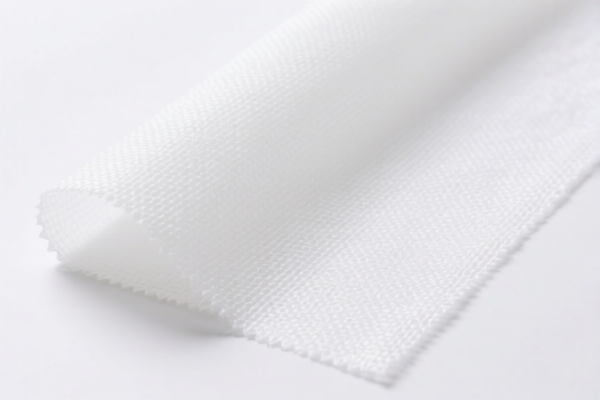
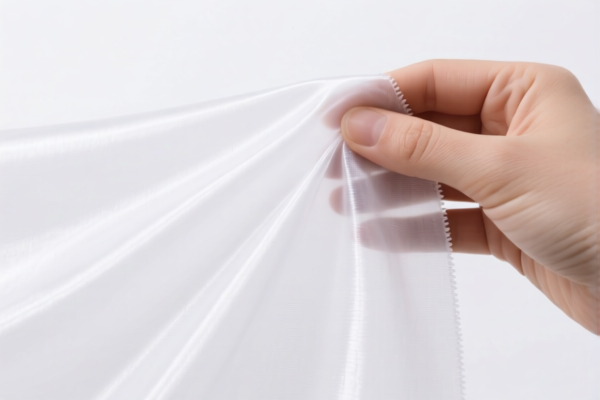
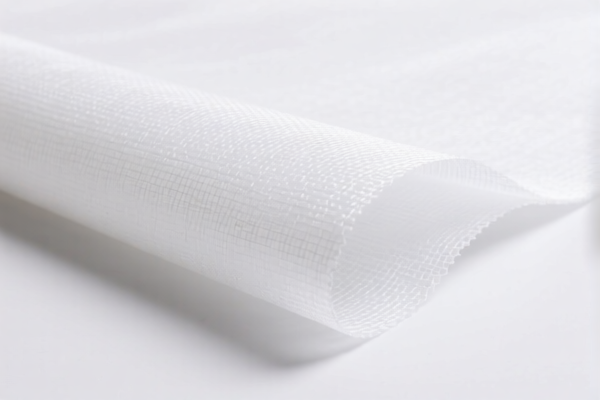
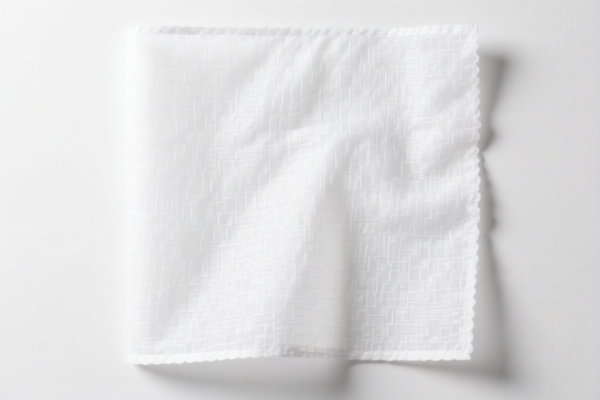
AI Analysis
🧱 Plastic Wall Cloth: Non-Woven Fabric (塑料墙布/水刺无纺布)
🌐 HS Code Reference & Customs Clearance Guide | 2026 Latest Tariff Analysis | Strategic Classification for US Imports
📌 I. Product Definition & Classification: What is "Plastic Wall Cloth"?
"Plastic Wall Cloth Non-Woven Fabric" typically refers to decorative wall coverings made from synthetic materials. In international trade, the classification hinges on two critical factors: Material Composition (Is it mostly plastic or textile?) and Form/State (Is it a raw sheet or a finished article?).
Key Distinction:
- Chapter 39 (Plastics): If the product is a plastic film/sheet laminated with or incorporating textile backing, and plastic >70% weight.
- Chapter 56 (Non-Wovens): If the primary structure is needle-punched or hydroentangled (spunlace) non-woven fabric, regardless of slight plastic coating.
- Chapter 39/56 Boundary: The line is thin. "Hydroentangled" (水刺) usually points to non-wovens (Ch 56), while "laminated plastic sheet" points to plastics (Ch 39). Misclassification here leads to massive tariff differences.
⚠️ Critical Classification Pitfall:
- If labeled as "Wall Cloth" but made primarily of plastic sheets → 3921
- If labeled as "Non-Woven" with hydroentangled structure → 5603
- If considered a "Finished Plastic Article" → 3926
📦 II. HS Code Classification Details (2026 Latest Tariff Matrix)
Based on the provided data, here are the four most likely HS Codes with their specific tax implications. Note that the Total Tax Rate varies significantly based on the specific sub-heading chosen.
| HS Code | Product Description & Rationale | Total Tax Rate | Tax Breakdown (US Import from China) |
|---|---|---|---|
| 3921.90.11.00 | Plastic Plates/Sheets/Film: • Rationale: Form matches "plate/sheet/film". • Material: Plastic content >70%, combined with textile backing. • Logic: Viewed as a plastic sheet with textile composite. |
39.2% | • Base Tariff: 4.2% • Section 301 (Add-on): 25.0% • IEEPA (122): 10.0% |
| 5603.11.00.70 | Non-Woven Fabrics (Hydroentangled): • Rationale: "Hydroentangled non-woven" fits Chapter 56. • Use: Finished consumer good ("Wall Cloth"), ready for use/packaged. • Material: Non-woven fiber structure, no conflict with plastic coating. |
35.0% | • Base Tariff: 0.0% • Section 301 (Add-on): 25.0% • IEEPA (122): 10.0% |
| 5603.11.00.10 | Non-Woven Fabrics (Filament/Specific Sub-type): • Rationale: Form is "Non-woven". • Material: Plastic-covered/imregnated non-woven. • Logic: Hydroentangled工艺 implies fiber interlocking; plastic coating is secondary. |
35.0% | • Base Tariff: 0.0% • Section 301 (Add-on): 25.0% • IEEPA (122): 10.0% |
| 3926.90.35.00 | Other Plastic Articles (Finished): • Rationale: Explicitly "Plastic" material. • Form: Finished non-woven plastic product. • Logic: Fits "Other plastic articles" category. |
24.0% | • Base Tariff: 6.5% • Section 301 (Add-on): 7.5% • IEEPA (122): 10.0% |
| 3921.90.19.10 | Plastic Plates/Sheets (Other Composite): • Rationale: Combination of "Plastic" and "Non-woven (Textile)". • Form: "Plate/Sheet/Membrane" form. • Logic: General composite plastic sheet. |
40.3% | • Base Tariff: 5.3% • Section 301 (Add-on): 25.0% • IEEPA (122): 10.0% |
🔍 Key Observation:
- Lowest Tax (24.0%):3926.90.35.00(Other Plastic Articles).
- Highest Tax (40.3%):3921.90.19.10(Composite Plastic Sheets).
- Mid-Range (35.0% - 39.2%): Classifications under Chapter 56 (Non-wovens) or specific Plastic Sheets (3921).
💰 III. Detailed Tax Rate Analysis (2026 US Import Scenario)
✅ Applicable Country: USA
✅ Origin: China (CN)
✅ Effective Date: November 10, 2025 (and onwards)
🎯 1. 3921.90.11.00 – Plastic Sheets/Films (Textile Composite)
| Item | Details |
|---|---|
| Base Tariff | 4.2% |
| USITC Surcharge (Section 301) | +25.0% |
| IEEPA Surcharge (122) | +10.0% |
| Total Effective Rate | 39.2% |
| Calculation | CIF Value × 39.2% |
| De Minimis Exemption? | ❌ NO (High value, specific exclusion likely applies) |
| Legal Basis | 3921 → USITC:3921.90.11.00 → FOOTNOTE:301 |
📌 Note: This classification assumes the product is primarily a plastic sheet. The 25% Section 301 tariff applies to most plastic articles from China.
🎯 2. 5603.11.00.70 / .10 – Non-Woven Fabrics (Hydroentangled)
| Item | Details |
|---|---|
| Base Tariff | 0.0% |
| USITC Surcharge (Section 301) | +25.0% |
| IEEPA Surcharge (122) | +10.0% |
| Total Effective Rate | 35.0% |
| Calculation | CIF Value × 35.0% |
| De Minimis Exemption? | ❌ NO |
| Legal Basis | 5603 → USITC:5603.11.00.xx → FOOTNOTE:301 |
📌 Note: The 25% Section 301 tariff applies to non-wovens. The key advantage is the 0% base tariff, making it 4.2% cheaper than the plastic sheet classification.
🎯 3. 3926.90.35.00 – Other Plastic Articles (Best Case?)
| Item | Details |
|---|---|
| Base Tariff | 6.5% |
| USITC Surcharge (Section 301) | +7.5% (Note: Lower than standard 25%) |
| IEEPA Surcharge (122) | +10.0% |
| Total Effective Rate | 24.0% |
| Calculation | CIF Value × 20.0% |
| De Minimis Exemption? | ❌ NO |
| Legal Basis | 3926 → USITC:3926.90.35.00 → FOOTNOTE:301 |
📌 Critical Insight: This is the lowest tax rate (24.0%). It relies on the product being classified as a "finished plastic article" rather than a "sheet" or "fabric." The Section 301 surcharge is significantly lower (7.5% vs 25%). This is the optimal classification if the product structure supports it.
🎯 4. 3921.90.19.10 – Other Plastic Sheets
| Item | Details |
|---|---|
| Base Tariff | 5.3% |
| USITC Surcharge (Section 301) | +25.0% |
| IEEPA Surcharge (122) | +10.0% |
| Total Effective Rate | 40.3% |
| Calculation | CIF Value × 40.3% |
| De Minimis Exemption? | ❌ NO |
| Legal Basis | 3921 → USITC:3921.90.19.10 → FOOTNOTE:301 |
📌 Note: This is the highest tax rate. Avoid this unless the product is strictly a composite plastic sheet and cannot be argued as a finished article or non-woven.
🛠️ IV. Customs Clearance Practical Advice
✅ 1. Documentation Checklist (Must-Haves)
| Document | Required? | Purpose |
|---|---|---|
| Product Specification Sheet | ✔️ | Must detail: Weight %, Plastic Content, Fabric Type (Hydroentangled), Dimensions. |
| Material Composition Report | ✔️ | Critical for distinguishing between Ch 39 (Plastic) and Ch 56 (Non-woven). |
| Product Photos (Packaged & Unpackaged) | ✔️ | Show texture, layers, and finished form (e.g., roll vs. cut sheet). |
| Commercial Invoice | ✔️ | Clear description: "Wall Covering, Non-Woven Fabric with Plastic Coating." |
| Packing List | ✔️ | Net/Gross weight, dimensions. |
| FCC/CE Certificates | (If applicable) | If the product has electronic components (unlikely for simple wall cloth, but check). |
✅ 2. Classification Strategy (Key Tactics)
| Scenario | Recommended HS Code | Reasoning |
|---|---|---|
| Primary Goal: Lowest Tax | 3926.90.35.00 | Argue it is a "Finished Plastic Article." Highlight the plastic content and finished form. Target: 24% Tax. |
| Primary Goal: Accuracy (Fabric-Like) | 5603.11.00.70 | Argue "Hydroentangled Non-Woven" structure. Base tariff is 0%, but 25% add-on makes it 35%. |
| Avoid: High Tax Composite | 3921.90.19.10 | Only use if clearly a plastic sheet with textile backing. Tax is 40.3%. |
| Avoid: Standard Plastic Sheet | 3921.90.11.00 | Tax is 39.2%. Slightly better than 3921.19 but worse than 3926. |
🔥 Pro Tip:
To qualify for 3926.90.35.00, ensure the product is not just a "sheet" but a "finished article" (e.g., cut to size, packaged for retail as "Wall Cloth"). The "finished" nature is key to escaping the higher Section 301 surcharge.
✅ 3. Special Considerations
| Issue | Advice |
|---|---|
| "Hydroentangled" (水刺) | This term strongly supports 5603. Use it in descriptions to argue for non-woven classification. |
| Plastic Content >70% | This supports 3921 or 3926. If >70%, argue for 3926 as a "Plastic Article." |
| Retail Packaging | If sold as a "Wall Cloth" kit (with adhesive, etc.), it strengthens the "Finished Article" argument for 3926. |
| De Minimis (Section 321) | NOT APPLICABLE. These goods exceed the $800 de minimis threshold in value or nature, and are subject to full duties. |
🌍 V. Market Comparison (2026)
| Market | Recommended HS Code | Est. Total Tax (China Origin) | Notes |
|---|---|---|---|
| 🇺🇸 USA | 3926.90.35.00 | 24.0% | Best case. Argue "Finished Plastic Article." |
| 🇺🇸 USA | 5603.11.00.70 | 35.0% | Standard Non-Woven classification. |
| 🇨🇳 China | 5603.11.00 | ~5-10% | Import duty + VAT. Lower than US due to no Section 301. |
| 🇪🇺 EU | 5603.11.00 | ~0-6.5% | No Section 301 equivalent. Standard MFN rates. |
📌 Conclusion:
The USA is the most challenging market due to Section 301 tariffs.
- Best Strategy: Aim for 3926.90.35.00 (24% total).
- Second Best: 5603.11.00.70 (35% total).
- Avoid: 3921.90.19.10 (40.3% total).
📌 VI. Common Mistakes & Pitfalls
❌ Mistake 1: Classifying as "3921" when it's clearly a "3926" finished article.
👉 Result: Pay 39.2% instead of 24%. Loss of 15.2% in savings.
❌ Mistake 2: Ignoring the "Hydroentangled" (水刺) feature.
👉 Result: Misclassified as plastic sheet instead of non-woven. May miss the 0% base tariff of 5603.
❌ Mistake 3: Assuming "Wall Cloth" is a textile (Chapter 60).
👉 Result: Incorrect. It contains plastic/non-woven. Chapter 39/56 is correct.
❌ Mistake 4: Not providing material composition.
👉 Result: Customs may reclassify to the highest default rate or demand additional duties.
✅ Correct Declaration Example:
"Wall Covering, Non-Woven Fabric with Plastic Coating, Hydroentangled Process, Finished Rolls for Interior Decoration, Model: W-2026"
🎯 VII. Conclusion: Optimize for Profit
🎯 Key Takeaway:
🔹 Target HS Code:
3926.90.35.00for the lowest tax (24.0%).
🔹 Argument: "Finished Plastic Article" rather than "Sheet" or "Fabric."
🔹 Documentation: Emphasize "Plastic Content" and "Finished Form."
📌 Action Plan:
1. Review Product Specs: Confirm plastic content and "finished" state.
2. Prepare Description: Use "Finished Plastic Article" language.
3. Consult Broker: Submit for Pre-Ruling if possible to lock in 3926.90.35.00.
4. Avoid 3921.19.10: It is the most expensive option.
📣 Final Advice:
🚀 Customs Classification is an Art.
💡 A well-justified3926classification can save you over 15% in duties compared to3921.
📞 Work with a licensed customs broker to submit a Pre-Ruling Request.
✨ Precision Classification = Maximum Profit.
💼 Don't let tariffs eat your margins. Classify smart.
Customer Reviews
About HS Code Classification
The Harmonized System (HS) is an internationally standardized nomenclature developed by the World Customs Organization (WCO) to classify traded products. Over 200 countries use the HS system as the basis for customs tariffs, trade statistics, and import/export regulations.
Each HS code follows a hierarchical structure:
- Chapter (2 digits) — Broad category of goods (e.g., Chapter 84: Machinery and Mechanical Appliances)
- Heading (4 digits) — More specific grouping within the chapter
- Subheading (6 digits) — Internationally standardized breakdown, used by all WCO member countries
- National subdivisions (8-10 digits) — Country-specific extensions for further classification, such as US HTSUS 10-digit codes
Correct HS code classification is essential for smooth customs clearance, accurate duty payment, and compliance with trade regulations. Misclassification can lead to customs delays, overpayment of duties, or penalties.
When importing from CN to US, the applicable tariff rates may include:
- Most-Favored-Nation (MFN) rate — The standard duty rate applied to WTO members
- General rate — Applied to countries without trade agreements
- Trade remedy duties — Additional tariffs such as Section 301 (anti-dumping), Section 232 (national security), or countervailing duties
The information provided on this page is for reference purposes only. For official classification, please consult with your local customs authority or a licensed customs broker.