Plastic Wall Decorative Film (Non woven Backing)
CN → US| HS Code | Tariff Rate | Origin | Destination | Doc |
|---|---|---|---|---|
| 5903902000 | 35.0% | CN | US | Official Doc |
| 3921902550 | 41.5% | CN | US | Official Doc |
| 5903902500 | 42.5% | CN | US | Official Doc |
| 3921901500 | 41.5% | CN | US | Official Doc |
| 3921902550 | 41.5% | CN | US | Official Doc |
Product Images
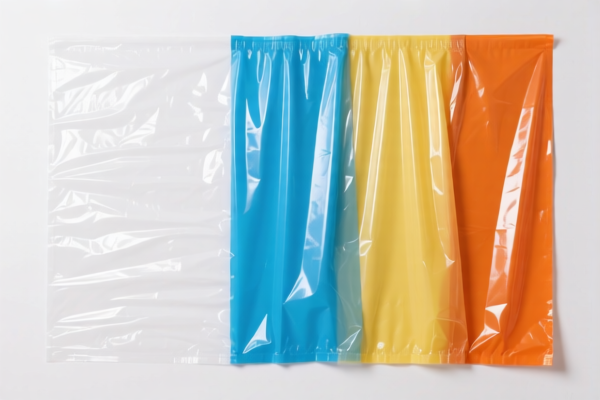
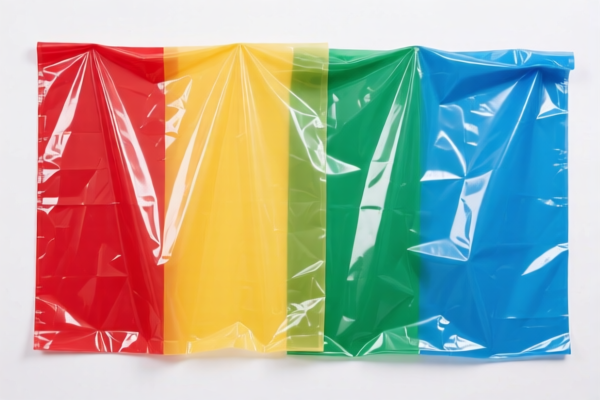

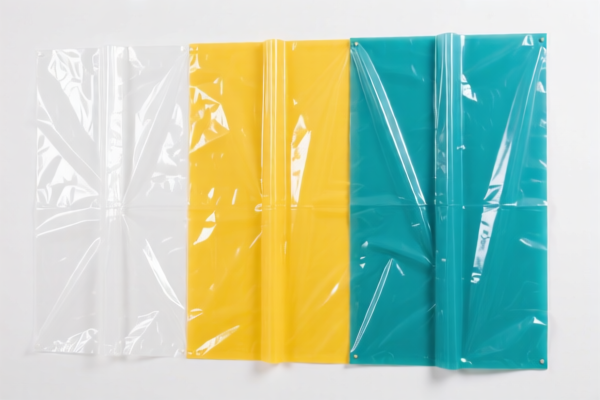
AI Analysis
🎨 Plastic Wall Decorative Film with Non-Woven Backing (Wallpaper/Decorative Membrane)
🌐 HS Code Reference & Customs Clearance Guide | 2026 Latest Tariff Analysis | Professional Entry Strategy
📌 I. Product Definition & Classification: What Exactly Are You Importing?
Plastic Wall Decorative Films (typically with a non-woven fabric backing) are composite materials used for interior decoration. In international trade, the classification hinges on the primary characteristic of the material: Is it primarily a "textile/fabric" reinforced with plastic, or primarily a "plastic sheet" with a textile backing?
Key Distinctions: 1. Textile-Primary (Chapter 59) If the non-woven fabric provides the essential character (structural integrity, tear resistance) and the plastic is merely a surface coating/lamination for waterproofing or printability → HS Code 5903. 2. Plastic-Primary (Chapter 39) If the plastic film is the dominant feature and the non-woven backing is secondary or used solely for handling/stability → HS Code 3921.
⚠️ Critical Classification Point:
- If the non-woven fabric is impregnated, coated, or covered with plastic (forming a laminated composite) and is not merely a backing for a self-adhesive strip → It often falls under 5903.90 (Textiles impregnated/coated/covered with plastic).
- If it is considered a laminated plastic sheet where the fabric is integrated into the plastic matrix or serves as a minor backing → It may fall under 3921.90 (Other plates, sheets, film, foil, and strip).
📦 II. HS Code Classification Details (2026 Authoritative Comparison)
Based on your product description ("Plastic Wall Decorative Film (Non woven Backing)"), here are the potential HS Codes and their corresponding tax liabilities as provided in the data:
| HS Code | Product Description | Taxonomy Logic | Total Tax Rate |
|---|---|---|---|
5903.90.20.00 |
Plastic-coated non-woven fabric film, meeting characteristics of plastic-laminated textile fabric | Textile-Primary: The non-woven base defines the product; plastic is a coating/lamination. | 35.0% |
3921.90.25.50 |
Plastic and textile material composite sheet/film, determined via fallback category | Fallback/Composite: Classified as a plastic sheet due to specific composite rules or fallback logic. | 41.5% |
5903.90.25.00 |
Artificial fiber non-woven film impregnated or laminated with plastic | Textile-Primary (Specific): Specifically targets artificial fiber non-wovens treated with plastic. | 42.5% |
3921.90.15.00 |
Lightweight plastic and textile composite sheet/film | Plastic-Primary (Lightweight): Emphasizes the lightweight plastic film nature. | 41.5% |
🔍 Key Takeaway:
- The lowest tax rate (35.0%) applies to5903.90.20.00, provided you can prove the non-woven fabric is the essential component.
- The highest tax rate (42.5%) applies to5903.90.25.00, specifically for artificial fiber non-wovens with plastic impregnation.
- Any classification under Chapter 39 (3921.90.) incurs a 41.5%* rate, which is higher than the base textile rate but lower than the specific artificial fiber textile rate.
💰 III. 2026 Latest Tariff Rate Breakdown (Including Surtaxes & Policy Add-ons)
✅ Applicable Country: United States (US)
✅ Origin: China (CN)
✅ Effective Date: From November 10, 2025 onwards
🎯 1. 5903.90.20.00 —— Plastic-coated non-woven fabric film (Textile-Based)
| Item | Detail |
|---|---|
| Base Duty Rate | 0.0% (Most Favored Nation rate for this specific subheading) |
| Section 301 Surtax | +25.0% (Added under US Trade Law Section 301) |
| Section 122 Tariff | +10.0% (Additional tariff under Section 122 authorities) |
| Total Tax Rate | 35.0% |
| Tax Calculation | CIF Value × 35% |
| De Minimis Exemption | ❌ Not Applicable (High tax rate triggers scrutiny) |
| Legal Pathway | Base Tariff: 0.0% + Section 301: 25.0% + Section 122: 10.0% |
📌 Explanation:
- This classification benefits from a 0% base duty, but the 35% total effective rate is driven entirely by punitive surtaxes.
- This is the most cost-effective option if the product qualifies as "plastic-coated non-woven" rather than a generic plastic sheet.
🎯 2. 3921.90.25.50 & 3921.90.15.00 —— Plastic-Textile Composite Films (Plastic-Based)
| Item | Detail |
|---|---|
| Base Duty Rate | 6.5% (Standard MFN rate for other plastic plates/sheets) |
| Section 301 Surtax | +25.0% |
| Section 122 Tariff | +10.0% |
| Total Tax Rate | 41.5% |
| Tax Calculation | CIF Value × 41.5% |
| De Minimis Exemption | ❌ Not Applicable |
| Legal Pathway | Base Tariff: 6.5% + Section 301: 25.0% + Section 122: 10.0% |
📌 Explanation:
- Here, the base duty is 6.5%, which might seem lower than the "plastic-heavy" logic, but the addition of surtaxes results in a higher total tax (41.5%) compared to the 5903.90.20.00 classification.
- This classification is often used as a "fallback" when the textile component is deemed insufficient to classify the product under Chapter 59.
🎯 3. 5903.90.25.00 —— Artificial Fiber Non-Woven Film (Specific Textile)
| Item | Detail |
|---|---|
| Base Duty Rate | 7.5% |
| Section 301 Surtax | +25.0% |
| Section 122 Tariff | +10.0% |
| Total Tax Rate | 42.5% |
| Tax Calculation | CIF Value × 42.5% |
| De Minimis Exemption | ❌ Not Applicable |
| Legal Pathway | Base Tariff: 7.5% + Section 301: 25.0% + Section 122: 10.0% |
📌 Explanation:
- This is the most expensive classification among the provided options.
- It applies specifically to artificial fiber non-wovens that are impregnated/laminated. Ensure your material composition (e.g., polyester vs. polypropylene) aligns with this definition.
🛠️ IV. Customs Clearance Operational Advice (Practical Pitfall Avoidance)
✅ 1. Documentation Checklist (Mandatory)
| Document | Required? | Purpose |
|---|---|---|
| ✅ Product Spec Sheet | ✔️ | Must detail: Base fabric type (non-woven), plastic type (PVC/PE/PP), thickness, weight (gsm), and lamination method. |
| ✅ Photos (Clear) | ✔️ | Show the cross-section (to prove lamination/coating) and the printed surface. |
| ✅ Commercial Invoice | ✔️ | Description must match HS Code logic (e.g., "Non-woven fabric coated with PVC" vs. "Plastic sheet with fabric backing"). |
| ✅ Material Composition Statement | ✔️ | Percentage of textile vs. plastic by weight/value to support Chapter 59 vs. Chapter 39 classification. |
| ✅ Certificate of Origin | ✔️ | Essential for verifying CN origin for surtax application. |
✅ 2. Classification Strategy & Naming Tips
🔥 Golden Rule:
"Textile Character First, Plastic Second; If Plastic Dominates, Check Chapter 39 Fallback."
| Scenario | Recommended HS Code | Reasoning |
|---|---|---|
| Non-woven fabric is thick, durable, and plastic is a thin surface layer/print coating | 5903.90.20.00 |
Meets GRI 3(b) for "essential character" of the textile. Lowest tax (35%). |
| Product is essentially a plastic sheet with a thin non-woven liner for stability | 3921.90.25.50 |
Plastic is the essential character. Fallback classification. Tax (41.5%). |
| Product is explicitly labeled as "Artificial Fiber Non-Woven" with plastic impregnation | 5903.90.25.00 |
Specific description matches this code. Highest tax (42.5%). Avoid if possible. |
⚠️ Warning:
- Do not simply label as "Wallpaper" without specifying material. If you label it as "Self-Adhesive Wallpaper," customs may look for 3919 or 4823. Since this is a "film" with non-woven backing, 5903 or 3921 is more accurate.
- Avoid5903.90.25.00if you can qualify for5903.90.20.00to save 7.5% in total tax.
✅ 3. Special Handling
| Situation | Advice |
|---|---|
| Mixed Shipments | If shipping with other goods, ensure the decorative film is clearly separated in documentation to avoid misclassification of the entire container. |
| Samples | Even for samples, the 35-42% tax applies. Use a bonded warehouse or duty drawback program if re-exporting. |
| Pre-Ruling | Given the ambiguity between 5903 and 3921, consider applying for an Advance Ruling from CBP to lock in the 35% rate. |
🌍 V. Global Market Clearance Comparison (2026)
| Country/Region | Recommended HS Code | Estimated Tax | Notes |
|---|---|---|---|
| 🇺🇸 USA | 5903.90.20.00 |
35.0% | Best option. Must prove textile character. |
| 🇨🇳 China (Export) | Varies | 0% - 5% | No export tariff, but ensure proper export license if restricted. |
| 🇪🇺 EU | 5903.90.90 |
~5-10% | No Section 301/122 surtaxes. Lower overall cost. |
| 🇬🇧 UK | 5903.90.90 |
~5-10% | Post-Brexit tariffs may vary, but generally lower than US. |
📌 Conclusion:
- The US market is the most challenging due to the cumulative effect of Base + 301 + 122 tariffs.
- Cost Optimization: Aim for5903.90.20.00to minimize duties. Ensure your product specifications highlight the non-woven fabric's structural role.
📌 VI. Common Errors & Pitfalls (Lessons Learned)
❌ Error 1: Classifying as 3921.90.15.00 when the non-woven fabric is the main component.
👉 Result: Overpaying 6.5% in extra duties (41.5% vs 35%).
❌ Error 2: Classifying as 5903.90.25.00 for general non-woven films.
👉 Result: Overpaying 7.5% in extra duties (42.5% vs 35%). This code is for specific artificial fiber impregnation.
❌ Error 3: Ignoring Section 122 Tariff.
👉 Result: Under-declaring taxes by 10%, leading to audits, penalties, and seizure.
❌ Error 4: Inconsistent Product Descriptions.
👉 Result: Invoice says "Plastic Sheet," HS Code is 5903. Customs will reject or reclassify to 3921.
✅ Correct Approach:
"Non-woven fabric backing, coated with PVC for wall decoration. Essential character is textile."
🎯 VII. Conclusion: Professional Declaration, Cost Savings!
🎯 Key Takeaways:
🔹 Best Case:
5903.90.20.00→ 35% Total Tax.
🔹 Fallback:3921.90.25.50→ 41.5% Total Tax.
🔹 Worst Case:5903.90.25.00→ 42.5% Total Tax.
📌 Action Plan:
1. Review Material Composition: Is the non-woven fabric the primary structural element? If yes, target 5903.90.20.00.
2. Document Clearly: Ensure invoices and specs explicitly mention "Non-woven fabric coated with plastic" to support Chapter 59 classification.
3. Calculate Landed Cost: Include the 35% (or higher) tax in your margin calculations.
4. Consult Customs Broker: If unsure, request an Advance Ruling to avoid post-clearance audits.
✨ Precise Classification, Predictable Costs!
💼 Don't let classification errors eat your margins!
Customer Reviews
About HS Code Classification
The Harmonized System (HS) is an internationally standardized nomenclature developed by the World Customs Organization (WCO) to classify traded products. Over 200 countries use the HS system as the basis for customs tariffs, trade statistics, and import/export regulations.
Each HS code follows a hierarchical structure:
- Chapter (2 digits) — Broad category of goods (e.g., Chapter 84: Machinery and Mechanical Appliances)
- Heading (4 digits) — More specific grouping within the chapter
- Subheading (6 digits) — Internationally standardized breakdown, used by all WCO member countries
- National subdivisions (8-10 digits) — Country-specific extensions for further classification, such as US HTSUS 10-digit codes
Correct HS code classification is essential for smooth customs clearance, accurate duty payment, and compliance with trade regulations. Misclassification can lead to customs delays, overpayment of duties, or penalties.
When importing from CN to US, the applicable tariff rates may include:
- Most-Favored-Nation (MFN) rate — The standard duty rate applied to WTO members
- General rate — Applied to countries without trade agreements
- Trade remedy duties — Additional tariffs such as Section 301 (anti-dumping), Section 232 (national security), or countervailing duties
The information provided on this page is for reference purposes only. For official classification, please consult with your local customs authority or a licensed customs broker.