Plastic Wall Decorative Film with Non woven Backing
CN → US| HS Code | Tariff Rate | Origin | Destination | Doc |
|---|---|---|---|---|
| 3921901100 | 39.2% | CN | US | Official Doc |
| 3921901910 | 40.3% | CN | US | Official Doc |
| 5603110010 | 35.0% | CN | US | Official Doc |
| 5603110070 | 35.0% | CN | US | Official Doc |
Product Images
AI Analysis
🎨 Plastic Wall Decorative Film with Non-woven Backing
🌐 HS Code Reference & Customs Clearance Guide | 2026 Latest Tariff Analysis | Professional Compliance Strategy
📌 I. Product Definition & Classification: Do You Really Understand "Non-woven Backed Decorative Film"?
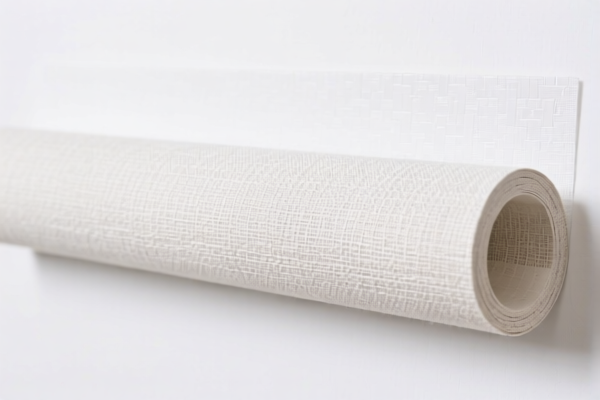
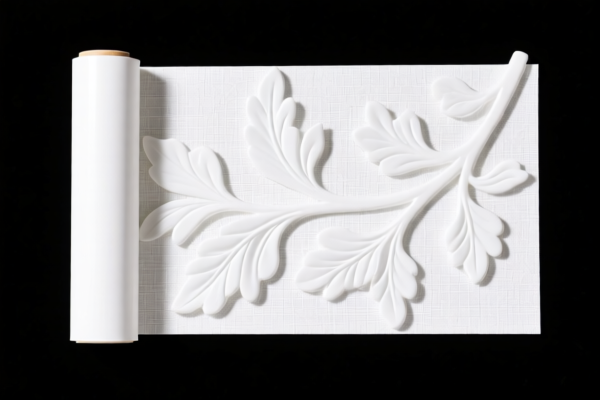
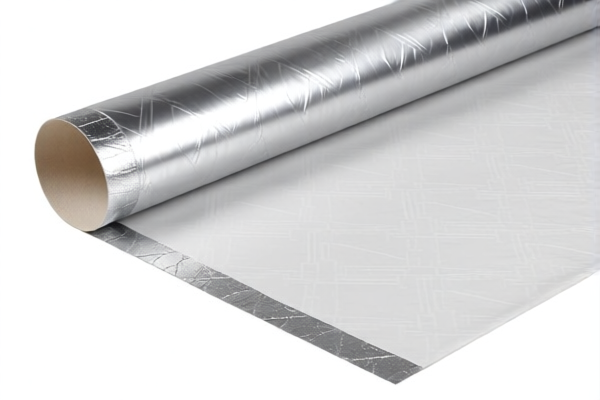
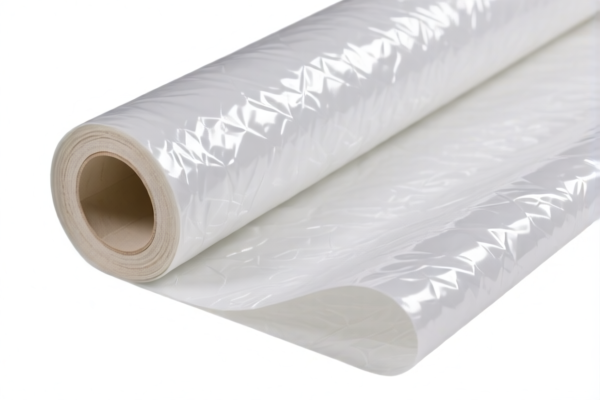
This product is a composite material consisting of a plastic film layer and a non-woven fabric (textile material) backing. It is primarily used for interior wall decoration, furniture wrapping, or temporary covering.
In international trade, the classification depends heavily on the structural composition and the percentage by weight of the plastic component:
Plastic-First Composite Films: When the plastic weight constitutes more than 70% of the total weight, it is classified as a plastic product.
Non-woven First Composite: When the non-woven fabric is the primary structural base (even if coated/covered with plastic), it is classified under Non-woven Fabrics.
⚠️ Key Distinction Point:
- If the plastic layer is dominant (>70% by weight) and provides the main character → Classify under Chapter 39 (Plastics).
- If the non-woven fabric provides the main structural integrity and acts as the base → Classify under Chapter 56 (Non-wovens).
📦 II. HS Code Classification Details (2026 Latest Tariff Authority Comparison)
Based on the specific material structure, here are the precise HS Codes and their corresponding tax implications for imports into the US from China:
| HS Code | Product Description | Applicable Scenario | Primary Material Character |
|---|---|---|---|
3921.90.11.00 |
Plastic film, combined with textile (non-woven), plastic weight >70% | Heavy plastic-coated decorative films, rigid wall coverings | ✅ Plastic Dominant (>70%) |
3921.90.19.10 |
Plastic film combined with textile (non-woven), no obvious material conflict | General plastic-textile composite films, standard decorative wraps | ✅ Plastic Dominant (Implicit) |
5603.11.00.10 |
Non-woven fabric based, possibly plastic-coated or covered | Flexible non-woven backing with thin plastic layer, fabric-like feel | ✅ Non-woven Dominant |
5603.11.00.70 |
Non-woven base decorative film, fits non-woven material & usage features | Decorative non-woven wallpapers, flexible interior coverings | ✅ Non-woven Dominant |
🔍 Key Reminder:
- If your product feels "rigid" or "plastic-heavy" and the plastic constitutes over 70% of the weight, use 3921 codes.
- If your product feels "fabric-like," flexible, and relies on the non-woven backing for strength, use 5603 codes.
- Misclassification Risk: Declaring a heavy-plastic product as non-woven to lower base tariffs will trigger customs audits and penalties.
💰 III. 2026 Latest Tariff Rate Breakdown (Including Additional Taxes, Policy Surcharges)
✅ Applicable Country: United States (US)
✅ Origin: China (CN)
✅ Effective Date: From November 10, 2025 onwards (including subsequent imports)
🎯 1. 3921.90.11.00 —— Plastic Film with Textile (Plastic >70%)
| Item | Details |
|---|---|
| Base Tariff Rate | 4.2% |
| Section 301 Additional Tariff | +25.0% |
| Section 122 Tariff (IEEPA/Other) | +10.0% |
| Total Effective Tax Rate | 39.2% |
| Tax Calculation | CIF Value × 39.2% |
| De Minimis Exemption | ❌ Not Eligible (deny_de_minimis) |
| Legal Basis Path | Base: 4.2% → Section 301: 25% → Section 122: 10% |
📌 Explanation:
- The base rate is low (4.2%), but the addition of the 25% Section 301 tariff (USITC Footnote) and 10% Section 122 tariff creates a high total burden.
- This classification assumes the plastic content is clearly dominant.
🎯 2. 3921.90.19.10 —— Other Plastic/Textile Composite Films
| Item | Details |
|---|---|
| Base Tariff Rate | 5.3% |
| Section 301 Additional Tariff | +25.0% |
| Section 122 Tariff (IEEPA/Other) | +10.0% |
| Total Effective Tax Rate | 40.3% |
| Tax Calculation | CIF Value × 40.3% |
| De Minimis Exemption | ❌ Not Eligible (deny_de_minimis) |
| Legal Basis Path | Base: 5.3% → Section 301: 25% → Section 122: 10% |
📌 Note:
- This code is used for similar composite films where the exact sub-category of3921.90.11.00does not apply, but the material conflict is minimal.
- The rate is slightly higher (40.3%) than3921.90.11.00due to a higher base rate (5.3% vs 4.2%).
🎯 3. 5603.11.00.10 —— Non-woven Fabric (Plastic-Coated/Covered)
| Item | Details |
|---|---|
| Base Tariff Rate | 0.0% |
| Section 301 Additional Tariff | +25.0% |
| Section 122 Tariff (IEEPA/Other) | +10.0% |
| Total Effective Tax Rate | 35.0% |
| Tax Calculation | CIF Value × 35.0% |
| De Minimis Exemption | ❌ Not Eligible (deny_de_minimis) |
| Legal Basis Path | Base: 0.0% → Section 301: 25% → Section 122: 10% |
📌 Explanation:
- This offers a lower total tax rate (35.0%) compared to the plastic-dominant codes.
- Condition: You must prove that the product is primarily a "non-woven fabric" and the plastic is merely a coating or covering, not the structural core.
🎯 4. 5603.11.00.70 —— Non-woven Base Decorative Film
| Item | Details |
|---|---|
| Base Tariff Rate | 0.0% |
| Section 301 Additional Tariff | +25.0% |
| Section 122 Tariff (IEEPA/Other) | +10.0% |
| Total Effective Tax Rate | 35.0% |
| Tax Calculation | CIF Value × 35.0% |
| De Minimis Exemption | ❌ Not Eligible (deny_de_minimis) |
| Legal Basis Path | Base: 0.0% → Section 301: 25% → Section 122: 10% |
📌 Note:
- Similar to5603.11.00.10, this code targets decorative films on non-woven bases.
- The 0% base rate makes it the most tariff-efficient option, provided the product definition strictly adheres to "non-woven fabric" characteristics.
🛠️ IV. Customs Clearance Practical Advice (Battle-Tested Pitfall Guide)
✅ 1. Preparation Checklist (All Required)
| Document | Mandatory? | Description |
|---|---|---|
| ✅ Product Specification Sheet | ✔️ | Must detail weight % of plastic vs. non-woven backing. |
| ✅ Material Composition Proof | ✔️ | Lab report or manufacturer certificate stating plastic >70% OR non-woven base. |
| ✅ Product Photos | ✔️ | Clear images showing texture (plastic sheen vs. fabric weave). |
| ✅ Commercial Invoice | ✔️ | Must accurately describe goods as "Plastic-Nonwoven Composite Film" or "Non-woven Decorative Film". |
| ✅ Packing List | ✔️ | Total Gross Weight is critical for weight-percentage calculation. |
| ✅ HS Code Ruling (If Available) | ✔️ | Previous CBP rulings supporting your classification. |
✅ 2. Declaration Strategy (Key Mantras)
🔥 “Weight is King, Structure is Queen, Base Determines Rate!”
| Scenario | Correct Declaration | Wrong Practice |
|---|---|---|
| Plastic >70% Weight | 3921.90.11.00 (39.2%) |
Declaring as 5603 → Audit Risk & Penalty |
| Non-woven Base, Flexible | 5603.11.00.10 (35.0%) |
Declaring as 3921 → Overpay Tax (4.2% difference) |
| Decorative, Non-woven Base | 5603.11.00.70 (35.0%) |
Declaring as 3921.90.19.10 → Overpay Tax (5.3% diff) |
✅ 3. Special Handling
| Situation | Handling Advice |
|---|---|
| Mixed Weights | If plastic is ~50-60%, consult a customs broker. It may be classified as a composite good based on "essential character" (often plastic). |
| Rolls vs. Sheets | Ensure the description matches the form factor. "Film" implies rolls or flexible sheets. |
| Adhesive Backing | If the product has self-adhesive properties, it may still fall under these codes if the base material is plastic or non-woven. Do not misdeclare as "adhesive tapes." |
| Sample Imports | Even samples are subject to 35%-40.3% tax. Do not assume small quantities are exempt. |
🌍 V. Global Market Customs Comparison (2026 Latest)
| Country/Region | Recommended HS Code | Tariff Impact | Certification Requirements | Notes |
|---|---|---|---|---|
| 🇺🇸 USA | 3921.90.11.00 or 5603.11.00.10 |
39.2% or 35.0% | No specific FDA/CCC, but proof of origin needed. | High tax burden due to Section 301 & 122. |
| 🇨🇳 China | 3921.90.11.00 or 5603.11.00.10 |
0% - 5% (Import Duty) | N/A | China exports these widely; look for reverse duties if importing back. |
| 🇪🇺 EU | 3921.90 or 5603.10 |
~5-8% | CE Marking (if applicable), REACH compliance. | No Section 301 equivalent, but environmental regulations are strict. |
| 🇨🇦 Canada | 3921.90 or 5603.10 |
~5-8% | N/A | CUSMA benefits may apply if manufactured in US/Mexico. |
📌 Conclusion:
- The US is the most challenging market for this product due to the layered tariff structure (Base + 301 + 122).
- Strategic Choice: If the product can be legitimately classified as a non-woven fabric (5603), you save 4.2% - 5.3% in total tariffs.
- Documentation is Critical: You must be able to prove the weight ratio or structural dominance of the non-woven layer to qualify for the lower tax brackets.
📌 VI. Common Errors & Pitfalls (Lessons Learned)
❌ Error 1: Declaring a heavy plastic film as "Non-woven" without proof.
👉 Consequence: Customs rejects, demands lab test, delays shipment by weeks.
❌ Error 2: Ignoring the "10% Section 122 Tariff".
👉 Consequence: Budget miscalculation. Many brokers forget this surcharge, leading to unexpected costs at destination.
❌ Error 3: Using "Wall Paper" as the product name.
👉 Consequence: Ambiguity. "Wallpaper" can imply paper-based products (lower tax) or fabric-backed. Use "Plastic-Coated Non-woven Decorative Film" for clarity.
❌ Error 4: Assuming De Minimis ($800) exemption applies.
👉 Consequence: Total Failure. These goods are explicitly denied de minimis status. All shipments, no matter the value, must be formally entered and taxed.
✅ Correct Approach:
"Decorative Film, 0.5mm thick, 60% Non-woven Polyester Base, 40% PVC Coating, Roll Form, for Interior Wall Covering"
🎯 VII. Conclusion: Professional Declaration, Cost Optimization!
🎯 Remember the Mantra:
🔹 "Plastic >70%? Go 3921 (39-40%). Non-woven Base? Go 5603 (35%). Prove it, or pay the difference!"
🔹 "No De Minimis for China-origin Composites. Plan your budget accordingly."
📌 Pro Tip:
If your supply chain allows, consider sourcing non-woven backing from Vietnam or Malaysia to potentially avoid Section 301 tariffs (if the US origin rules are met).
For direct China imports, apply for a Customs Ruling (CBP Ruling) before large-scale shipments to lock in the 35% rate if applicable.
📣 Immediate Action:
📞 Consult a licensed customs broker + Provide weight composition data + Request HS Code Ruling
🚀 Ensure smooth customs clearance, avoid penalties, and maximize your profit margins!
✨ Professional Customs Clearance Starts with Precise Classification!
💼 Every Percentage Point of Tariff Matters!
Customer Reviews
About HS Code Classification
The Harmonized System (HS) is an internationally standardized nomenclature developed by the World Customs Organization (WCO) to classify traded products. Over 200 countries use the HS system as the basis for customs tariffs, trade statistics, and import/export regulations.
Each HS code follows a hierarchical structure:
- Chapter (2 digits) — Broad category of goods (e.g., Chapter 84: Machinery and Mechanical Appliances)
- Heading (4 digits) — More specific grouping within the chapter
- Subheading (6 digits) — Internationally standardized breakdown, used by all WCO member countries
- National subdivisions (8-10 digits) — Country-specific extensions for further classification, such as US HTSUS 10-digit codes
Correct HS code classification is essential for smooth customs clearance, accurate duty payment, and compliance with trade regulations. Misclassification can lead to customs delays, overpayment of duties, or penalties.
When importing from CN to US, the applicable tariff rates may include:
- Most-Favored-Nation (MFN) rate — The standard duty rate applied to WTO members
- General rate — Applied to countries without trade agreements
- Trade remedy duties — Additional tariffs such as Section 301 (anti-dumping), Section 232 (national security), or countervailing duties
The information provided on this page is for reference purposes only. For official classification, please consult with your local customs authority or a licensed customs broker.