Plastic Wall Mounted Frame
CN → US| HS Code | Tariff Rate | Origin | Destination | Doc |
|---|---|---|---|---|
| 3926909989 | 22.8% | CN | US | Official Doc |
| 3926904800 | 13.4% | CN | US | Official Doc |
| 3926905000 | 21.3% | CN | US | Official Doc |
| 9003190000 | 17.5% | CN | US | Official Doc |
| 9003110000 | 20.0% | CN | US | Official Doc |
Product Images
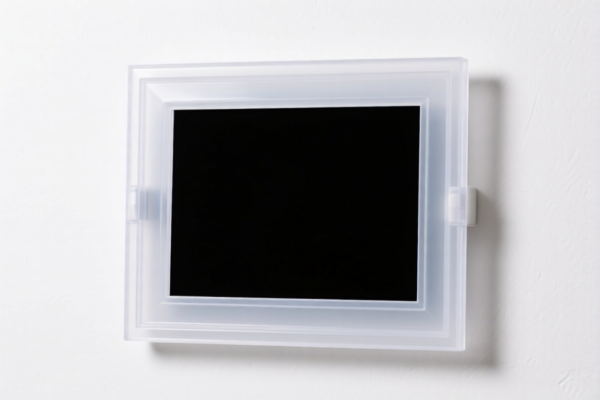
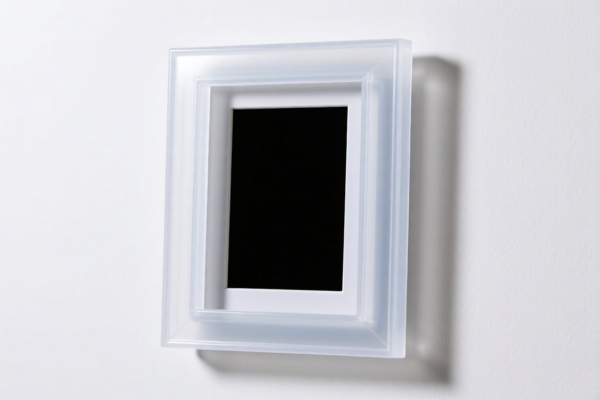
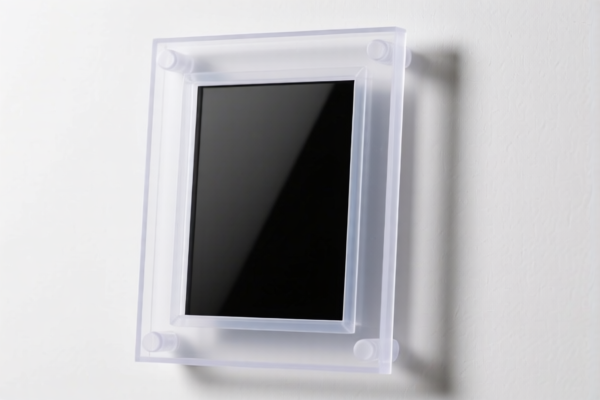
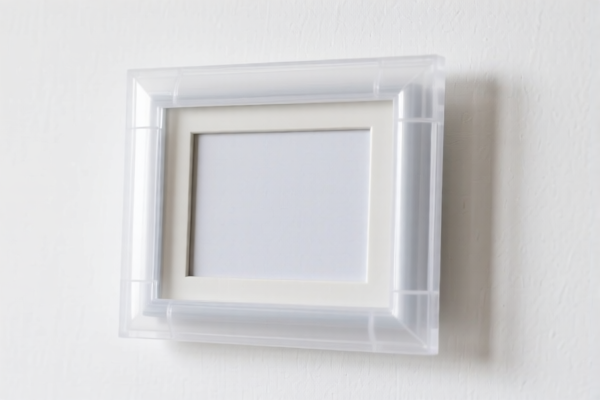
AI Analysis
🖼️ Plastic Wall Mounted Frame | Plastic Photo/Mirror Frame
🌐 HS Code Reference & Customs Clearance Guide | 2024-2026 Latest Tariff Analysis | Professional-Level Clearance Strategy
📌 1. Product Definition & Classification: Do You Really Understand "Plastic Frames"?
Plastic wall-mounted frames are decorative items primarily used for displaying photographs, mirrors, or slides. In international trade, their classification depends heavily on material composition, specific use (photo vs. mirror), and structural form.
⚠️ Critical Distinction Points:
- Photo Frame vs. Mirror: A frame holding a photograph belongs to Chapter 39 (Plastics); a frame holding a mirror belongs to Chapter 90 (Optical Appliances).
- General Decoration vs. Specialized Form: General decorative frames fall under general plastic articles, while specialized forms (like slide mounts) have specific subheadings.
- Material Matters: The base tariff varies slightly based on whether the frame is strictly plastic or contains other materials, though the source data specifies "Plastic" for most entries.
📦 2. HS Code Classification Details (Based on Provided Data)
| HS Code | Product Description | Application/Use Case | Key Characteristics |
|---|---|---|---|
3926.90.99.89 |
Plastic Photo Frame, general plastic material | General decorative use | Other plastic articles; generic plastic frame without specific photo album/standard slide classification. |
3926.90.48.00 |
Plastic Photo Frame, for albums/frames | Standard photo display | Specifically for albums/photo frames; lighter surtax impact. |
3926.90.50.00 |
Plastic Photo Frame, for slides/mounts | Photographic slide mounting | Form: Mounted in slides or frames for photographs; specialized photographic accessory. |
9003.19.00.00 |
Plastic Spectacle/Mirror Frame (Other Material) | Mirror display/Decorative mirror | Material: Other materials (despite name, implies non-pure plastic or mixed); classified under optical frames. |
9003.11.00.00 |
Plastic Spectacle/Mirror Frame (Plastic) | Mirror display/Decorative mirror | Material: Plastic; specific optical appliance classification for frames. |
🔍 Key Insight:
- If it holds a photo → It is a Plastic Article (Chapter 39).
- If it holds a mirror → It is an Optical Appliance (Chapter 90).
- Misclassification between Chapter 39 and 90 can lead to significant tariff differences due to different "Section Notes" and surtax structures.
💰 3. 2024-2026 Tariff Rate Breakdown (Including Additional Taxes)
✅ Applicable Market: United States (US)
✅ Origin: China (CN)
✅ Effective Date: Current rates apply (Section 301 & 122 Measures)
🎯 1. 3926.90.99.89 – Plastic Photo Frame (General Other Plastic Articles)
| Item | Detail |
|---|---|
| Base Tariff | 5.3% |
| Section 301 Surcharge | 7.5% |
| Section 122 Surcharge | 10.0% |
| Total Tax Rate | 22.8% |
| Calculation Basis | CIF Value × 22.8% |
| De Minimis Exemption | ❌ Not Applicable (High total duty prevents de minimis benefits for many couriers) |
| Legal Path | HTSUS: 3926.90.99.89 → Section 301 List 4 / Section 122 (China Origin) |
📌 Explanation:
This is the "catch-all" for plastic frames not specified elsewhere. The total burden is moderate but still significant due to the combination of base duty and two layers of additional tariffs.
🎯 2. 3926.90.48.00 – Plastic Photo Frame (For Albums/Frames)
| Item | Detail |
|---|---|
| Base Tariff | 3.4% |
| Section 301 Surcharge | 0.0% |
| Section 122 Surcharge | 10.0% |
| Total Tax Rate | 13.4% |
| Calculation Basis | CIF Value × 13.4% |
| De Minimis Exemption | ❌ Not Applicable |
| Legal Path | HTSUS: 3926.90.48.00 → Section 122 (China Origin) |
📌 Note:
This is the most tariff-efficient option for standard plastic photo frames. The 0% Section 301 surcharge makes it significantly cheaper than the general category.
Strategy: If the frame is used specifically for photo albums or standard hanging frames, ensure the description matches this specific subheading to avoid being bumped to the higher...99.89category.
🎯 3. 3926.90.50.00 – Plastic Photo Frame (For Slides/Mounts)
| Item | Detail |
|---|---|
| Base Tariff | 3.8% |
| Section 301 Surcharge | 7.5% |
| Section 122 Surcharge | 10.0% |
| Total Tax Rate | 21.3% |
| Calculation Basis | CIF Value × 21.3% |
| De Minimis Exemption | ❌ Not Applicable |
| Legal Path | HTSUS: 3926.90.50.00 → Section 301 List 4 / Section 122 (China Origin) |
📌 Note:
Specifically for photographic slide mounts or specialized photographic framing. Despite the low base duty (3.8%), the 7.5% Section 301 surcharge brings the total close to the general category.
🎯 4. 9003.19.00.00 – Plastic Mirror/Spectacle Frame (Other Material)
| Item | Detail |
|---|---|
| Base Tariff | 0.0% |
| Section 301 Surcharge | 7.5% |
| Section 122 Surcharge | 10.0% |
| Total Tax Rate | 17.5% |
| Calculation Basis | CIF Value × 17.5% |
| De Minimis Exemption | ❌ Not Applicable |
| Legal Path | HTSUS: 9003.19.00.00 → Section 301 List 4 / Section 122 (China Origin) |
📌 Explanation:
Used for mirrors or frames made of other materials (mixed composition). The base duty is 0%, but the surcharges still apply. Crucial: If the frame is purely plastic and used for mirrors, see the next entry.
🎯 5. 9003.11.00.00 – Plastic Mirror/Spectacle Frame (Plastic)
| Item | Detail |
|---|---|
| Base Tariff | 2.5% |
| Section 301 Surcharge | 7.5% |
| Section 122 Surcharge | 10.0% |
| Total Tax Rate | 20.0% |
| Calculation Basis | CIF Value × 20.0% |
| De Minimis Exemption | ❌ Not Applicable |
| Legal Path | HTSUS: 9003.11.00.00 → Section 301 List 4 / Section 122 (China Origin) |
📌 Note:
Specifically for plastic frames holding mirrors. Note that while it is a "mirror," it is classified under Chapter 90 because mirrors are optical appliances. The total tax (20%) is competitive, lower than the general photo frame category (3926.90.99.89).
🛠️ 4. Customs Clearance Practical Advice (Real-World Pitfall Guide)
✅ 1. Documentation Checklist (Mandatory)
| Document | Required? | Description |
|---|---|---|
| ✅ Product Specification Sheet | ✔️ | Must detail: Material (100% Plastic?), Use (Photo vs. Mirror), Dimensions, Weight. |
| ✅ Product Photos | ✔️ | Clear images showing the item with the content (photo or mirror) to prove use case. |
| ✅ Commercial Invoice | ✔️ | Must clearly state: "Plastic Photo Frame for holding photographs" OR "Plastic Frame for Mirror". Avoid vague terms like "Decoration." |
| ✅ Packing List | ✔️ | Detailing quantity, gross weight, and net weight. |
| ✅ Origin Certificate | ✔️ | Proves China origin to trigger accurate surtax calculation (or verify if exempt under specific programs). |
✅ 2. Declaration Strategy (Key Mantra)
🔥 "Use Dictates Code: Photo = Ch.39, Mirror = Ch.90!"
| Scenario | Correct Declaration | HS Code Recommendation | Why? |
|---|---|---|---|
| Standard Plastic Photo Frame | "Plastic Picture Frame, for photo display" | 3926.90.48.00 |
Lowest Tax (13.4%). Avoid ...99.89 (22.8%) if it fits "albums/frames". |
| Photographic Slide Mount | "Plastic Frame for Photographic Slides" | 3926.90.50.00 |
Specific use case requires specific code (21.3%). |
| Plastic Mirror Frame | "Plastic Frame for Mirror" | 9003.11.00.00 |
Mirrors are optical appliances. Tax is 20.0%. |
| Mixed Material Frame | "Frame containing plastic and other materials" | 9003.19.00.00 |
Only if not purely plastic. Tax is 17.5%. |
| Generic Plastic Decor | "Plastic Decorative Item" | 3926.90.99.89 |
Highest Risk Tax (22.8%). Only use if no other category fits. |
⚠️ Warning:
Do NOT declare a mirror frame as a "Plastic Photo Frame" (3926.90.xxxx).
Do NOT declare a photo frame as a "Mirror Frame" (9003.11.xxxx).
Consequence: Customs will reclassify, leading to back taxes, penalties, and shipment delays.
✅ 3. Special Cases & Handling
| Case | Handling Advice |
|---|---|
| Set of Frames | If sold as a set, declare the principal use. If mixed (some photos, some mirrors), split the shipment or declare the dominant use. |
| Gift Sets | If a frame is part of a gift set (e.g., with a photo), the frame is usually incidental. However, if the frame is the primary value item, classify as Frame. |
| Customized/OEM | Provide client design files if available. Ensure the material composition matches the declared HS Code. |
| Sample Shipments | Even for samples, declare accurate HS Code. De minimis thresholds do not apply to Chinese goods with Section 301/122 duties in most cases. |
🌍 5. Global Market Comparison (Contextual)
| Market | Recommended HS Code | Est. Tariff (China Origin) | Notes |
|---|---|---|---|
| 🇺🇸 USA | 3926.90.48.00 (Photo) |
13.4% | Best option for photo frames. |
| 🇺🇸 USA | 9003.11.00.00 (Mirror) |
20.0% | Higher due to Chapter 90 rules. |
| 🇪🇺 EU | 3926.90.97 (Est.) |
Varies (0-6.5%) | No Section 301/122 surcharges. |
| 🇨🇳 China | 3926.90.99 |
~5-6% | Low duty, no additional surcharges. |
📌 Conclusion for US Market:
The 13.4% rate for3926.90.48.00is the most advantageous for plastic photo frames. For mirrors, the 20% rate is unavoidable. Always verify if the product fits the "Album/Frame" description to leverage the lower tax bracket.
📌 6. Common Errors & Pitfalls (Blood & Tears Lessons)
❌ Mistake 1: Declaring all plastic frames as 3926.90.99.89 (General).
👉 Result: Paying 22.8% tax instead of 13.4%. Loss: 9.4% extra cost!
❌ Mistake 2: Declaring a Mirror Frame as a Photo Frame (3926.90.48.00).
👉 Result: Customs inspection reveals mirror → Reclassified to 9003.11.00.00 → Back taxes + Penalties + Delay.
❌ Mistake 3: Vague Description: "Plastic Frame."
👉 Result: Customs may assign the highest duty rate (...99.89) or request additional documentation, causing 3-7 day delays.
❌ Mistake 4: Ignoring Section 122 Tariff.
👉 Result: Underestimating landed cost by 10%. Always include the 10% surcharge in your pricing model.
✅ Correct Action:
Use precise language:
- "100% Plastic Photo Frame, for wall mounting, holding 4x6 photos" →3926.90.48.00
- "Plastic Bathroom Mirror Frame, wall-mounted" →9003.11.00.00
🎯 7. Conclusion: Precision Classification Saves Money!
🎯 Remember the Mantra:
🔹 "Photo? Check Ch.39. Mirror? Check Ch.90."
🔹 "Use 'Album/Frame' for 13.4%. Avoid 'General' for 22.8%."
🔹 "Section 122 is 10%. Never Forget It!"
📌 Pro Tip:
If you are shipping low-value samples, verify if the carrier (DHL/FedEx) can process de minimis for these specific HS Codes. However, with total rates >10%, most couriers will assess duties. Always budget for the full tariff.
📣 Immediate Action:
📞 Contact your freight forwarder with clear product photos.
🚀 Request a Pre-Ruling if shipping large volumes to ensure3926.90.48.00is accepted for your specific frame design.
💼 Optimize your HS Code selection to save up to 9.4% on every shipment!
✨ Professional Clearance Starts with Accurate Classification!
💼 Every Percent Saved is Pure Profit!
Customer Reviews
About HS Code Classification
The Harmonized System (HS) is an internationally standardized nomenclature developed by the World Customs Organization (WCO) to classify traded products. Over 200 countries use the HS system as the basis for customs tariffs, trade statistics, and import/export regulations.
Each HS code follows a hierarchical structure:
- Chapter (2 digits) — Broad category of goods (e.g., Chapter 84: Machinery and Mechanical Appliances)
- Heading (4 digits) — More specific grouping within the chapter
- Subheading (6 digits) — Internationally standardized breakdown, used by all WCO member countries
- National subdivisions (8-10 digits) — Country-specific extensions for further classification, such as US HTSUS 10-digit codes
Correct HS code classification is essential for smooth customs clearance, accurate duty payment, and compliance with trade regulations. Misclassification can lead to customs delays, overpayment of duties, or penalties.
When importing from CN to US, the applicable tariff rates may include:
- Most-Favored-Nation (MFN) rate — The standard duty rate applied to WTO members
- General rate — Applied to countries without trade agreements
- Trade remedy duties — Additional tariffs such as Section 301 (anti-dumping), Section 232 (national security), or countervailing duties
The information provided on this page is for reference purposes only. For official classification, please consult with your local customs authority or a licensed customs broker.